PAGE_HEADER
Auchenoglanis wittei Giltay, 1930
Image Showcase
Photographs, diagnostic angles and morphological variants
Community & Keeper Tally
Member interactions, breeding records and forum mentions
Aquarium Care & Husbandry
Dietary requirements, tank setup, compatibility and breeding
Breeding Notes
Unreported in the aquarium.
Habitat & Water Parameters
Natural distribution, biotope water conditions and temperature ranges
Geographic Distribution
Central Congo Basin.
African Waters, Congo, Middle Congo (click on these areas to find other species found there)
Login to view the map.
Species Description & Identification
Morphology, diagnostic traits and sexual dimorphism
Identification
The genus is diagnosed on the basis of a unique combination of characters: a deep and broad skull, narrow mouth, reduced pramaxillary tooth patches, anterior nostrils on the upper lip, and three large nuchal plates, the first which is in close proximity to the rear of the supraoccipital- a bone on the dorsal side of the great foramen(opening) of the skull.
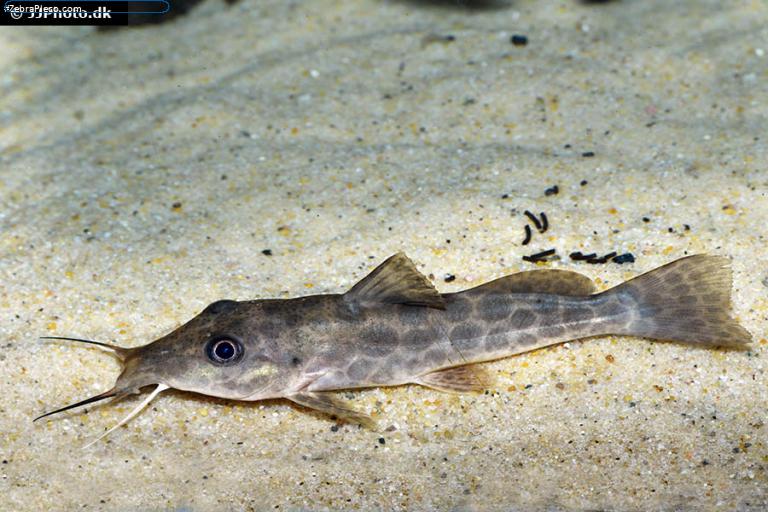
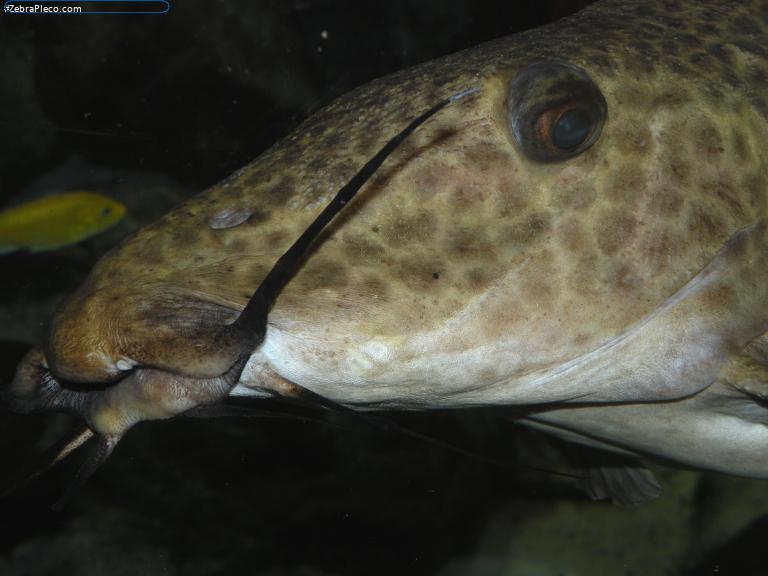
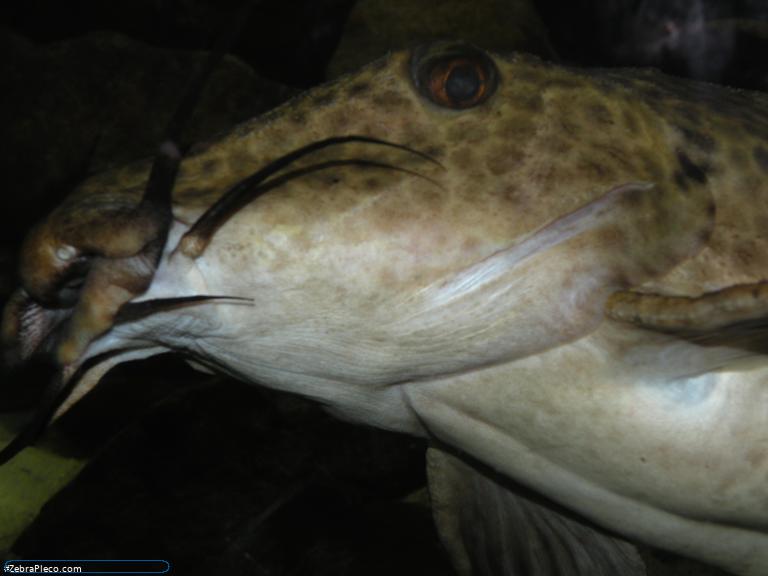
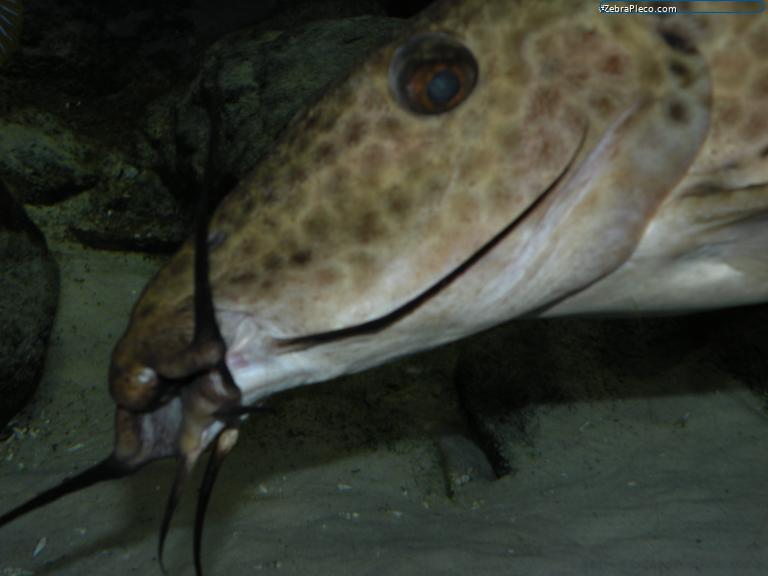
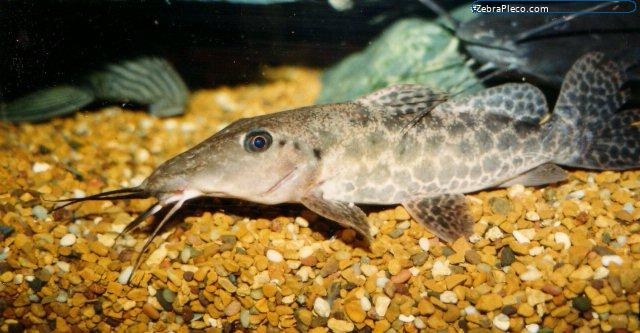
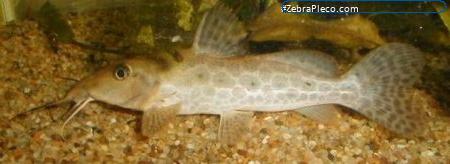
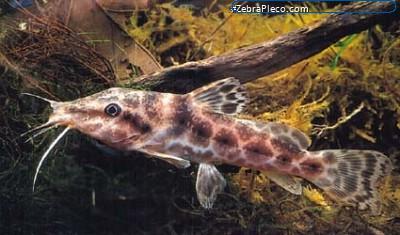
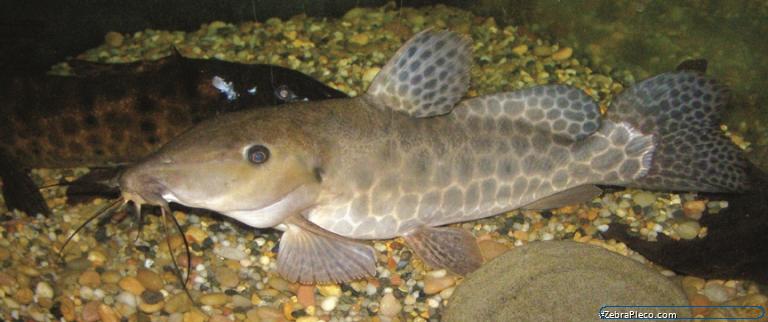
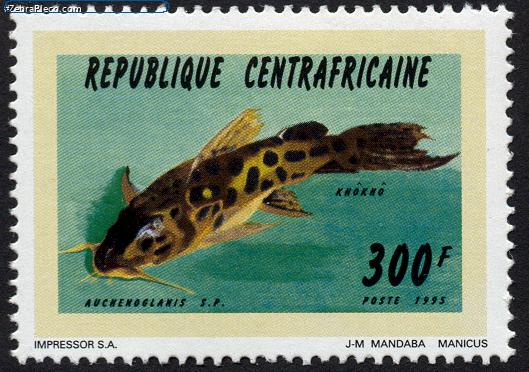
The adult body is dark dorsally and laterally but light ventrally. The body has a regular pattern of dark spots in a reticulated pattern that may become vague dorsally. In some adults, two or three very dark spots are present in a line just above the lateral line. The dark spots are present in the dorsal, caudal, and adipose fins. They are less visible in the anal fin and paired fins that are otherwise brown. On small individuals, the reticulate pattern is more apparent with the spots in the dorsal and caudal fins coalescing to form bands and spots evident on all of the fins. The barbels are mostly black although the base of the external and internal mandibular barbels may be less pigmented. The upper lip is dark, lower lip is lightly pigmented. The sides and top of the head are brown and without spots. The lower side of the head is white. The anterior edge of the adipose fin rises gradually to its maximum height at the posterior end of the fin, well behind the mid-point of the fin.
General Remarks
There is a good chance the size potential of the different species of Auchenoglanis may be much bigger than what is shown on the data pages. Some of the current data comes from studies which do not always use fully grown adult fish, sizes will be adjusted as proof of larger adult sizes are revealed.
Taxonomy, Synonyms & Etymology
Classification history, linguistic derivations and variant forms
Etymology
Auchenoglanis: From the Greek, auchenos, meaning neck and glanis, meaning catfish; in reference to the long cranial shield.
Literature & Resources
Scientific publications, external links and citation tools
Description Reference
Retzer, ME, 2010. Taxonomy of Auchenoglanis Günther 1865 (Siluriformes: Auchenoglanididae). Zootaxa 2655: 25–51.
Revue de Zoologie et de Botanique Africaines v. 19 (no. 1)
External Databases
Related Searches