PAGE_HEADER
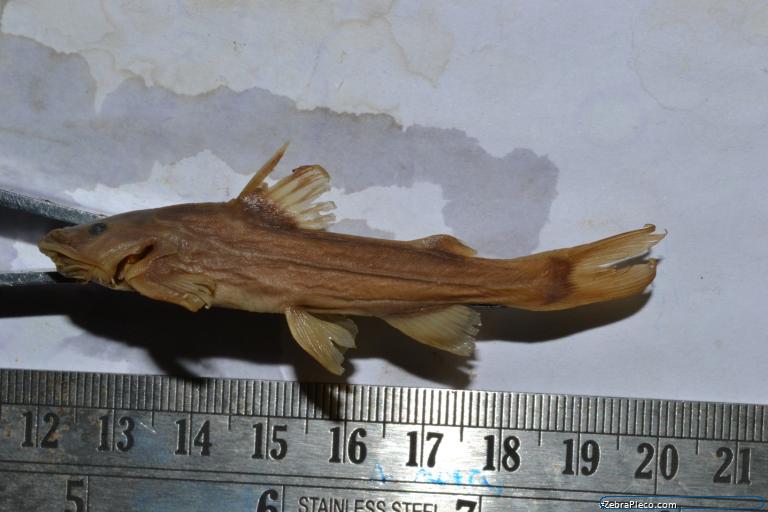
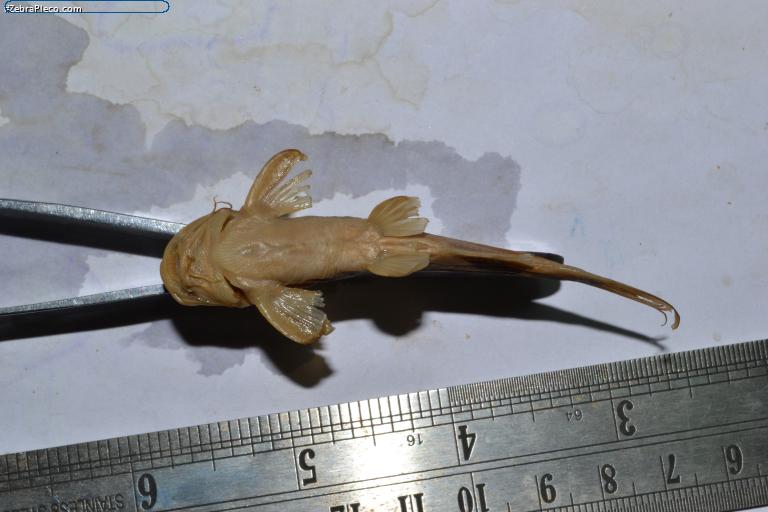
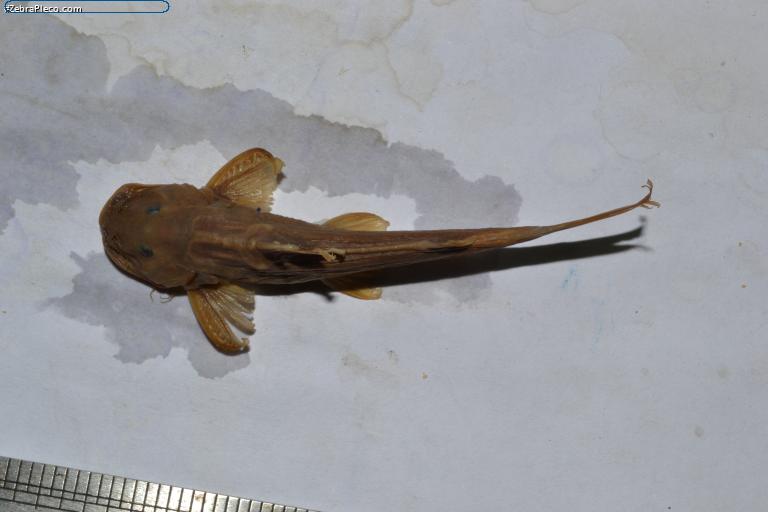
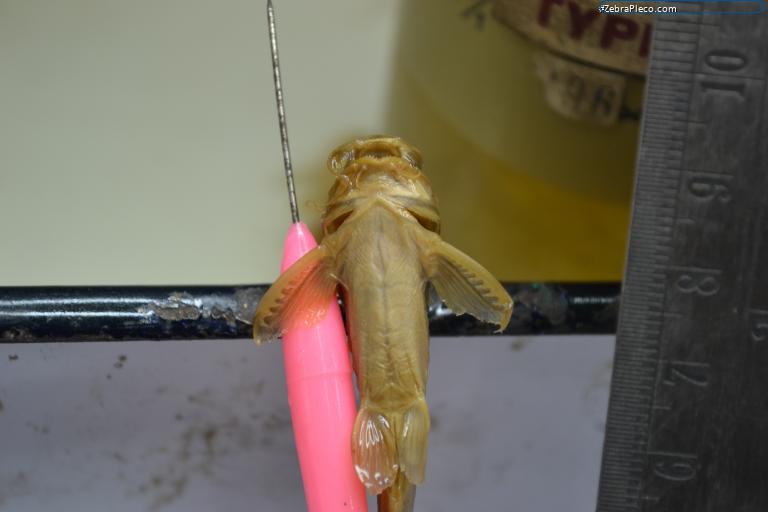
Glyptothorax manipurensis Menon, 1955
Image Showcase
Photographs, diagnostic angles and morphological variants
Community & Keeper Tally
Member interactions, breeding records and forum mentions
Aquarium Care & Husbandry
Dietary requirements, tank setup, compatibility and breeding
Feeding & Diet
Is known to take only live food like blood worms, frozen brine shrimp etc. Spot feeding will help in case tank mates are voracious feeders. [View Member Food Stats]
Aquarium Furniture & Decor
Fine sand for the bottom and smooth pebbles / rocks.
Compatibility & Suggested Tankmates
A peaceful species suitable for a hillstream biotope.
Tankmates: Cyprinids like Barilius and Danio's and Balitorine loaches like Homaloptera species.
Breeding Notes
No member of this genus has been bred in the aquarium.
Habitat & Water Parameters
Natural distribution, biotope water conditions and temperature ranges
Geographic Distribution
Asia: India. May extend into western Myanmar
Indian waters, North Eastern India Waters, Padma, Ganges, Meghna, Surma, Barak (click on these areas to find other species found there)
Login to view the map.
Species Description & Identification
Morphology, diagnostic traits and sexual dimorphism
Identification
Sisorid catfishes of the genus Glyptothorax Blyth are benthic inhabitants of torrential waters of rivers and streams in montane and submontane parts of tropical Asia. The members of the genus are adapted to attach themselves to rocks and boulders against strong currents by means of a thoracic adhesive apparatus comprising grooves and folded pleats of skin parallel or oblique to the longitudinal axis of the body. The genus has a wide distribution, ranging from Turkey and Syria in the west, to India and China in the east, and extending further southeastward to Indonesia. With 84 nominal species, Glyptothorax are the most speciose genus of catfishes in Asia (Eschmeyer et al., 1998, Ng, 2005); 67 species were treated as valid by Thomson & Page (2006).
A species of Glyptothorax with the following combination of characters: head pointed and large, its depth at occiput 66.0-72.3% its length, maximum width 79.0-84.3% HL; interorbital space 28.0-33.1% HL; A-P extent of lower jaw tooth band 20.0-20.4% its lateral extent; occipital process length three times its width; adhesive apparatus with a caudally open central depression , the apparatus width 73.7- 78.9% its length; no ridges or bumps in front of adipose fin;dorsal spine serrated with five antrose serrae; pectoral spine with 9-11 serrae; pelvic fin extending up to anus; anal fin short, extending upto vertically through posterior extremity of adipose fin; caudal fin lobes equal; caudal peduncle height 45.4-48.0% its length; a white longitudinal line overlapping lateral line; black spot at dorsal, adipose and caudal fin bases present; smooth skin.
Sexual Dimorphism (Sexing)
Unknown.
General Remarks
It is very likely that this species has not been exported for the trade as yet but general care will be very similar to that of other Glyptothorax species.
Taxonomy, Synonyms & Etymology
Classification history, linguistic derivations and variant forms
Pronunciation
Gleep toe thor axe - mani pooor ensis
Etymology
The generic name comes from the Greek glyptos, meaning carved, and thorax, meaning breastplate (or the part of the body covered by it), in reference to the folds of skin comprising the thoracic adhesive apparatus. This species is named after the state of its type locality (Manipur).
There are 2 other speciesAkysis manipurensis
Pethia manipurensis with this specific name.
Literature & Resources
Scientific publications, external links and citation tools
Literature & References
External Databases
Related Searches