PAGE_HEADER
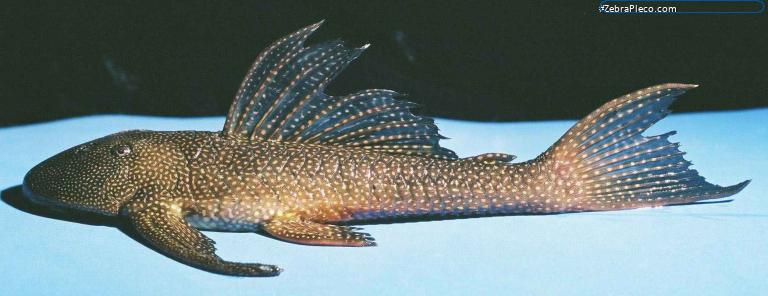
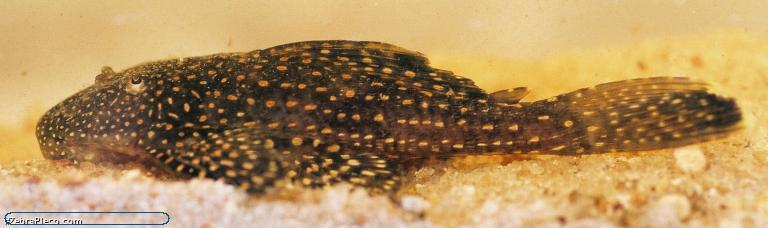
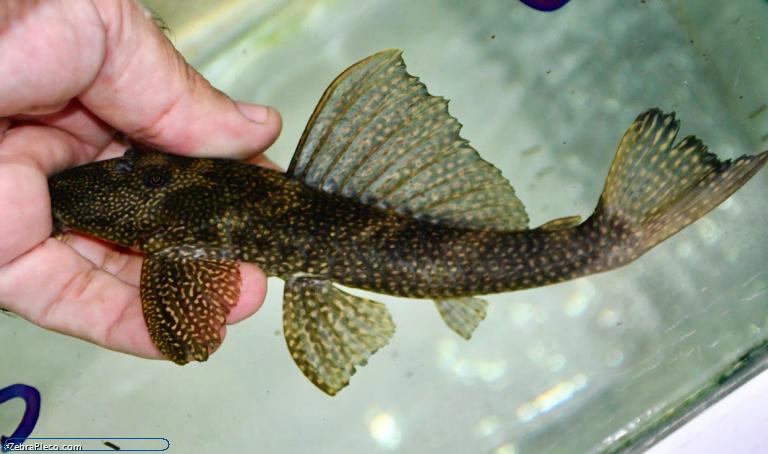
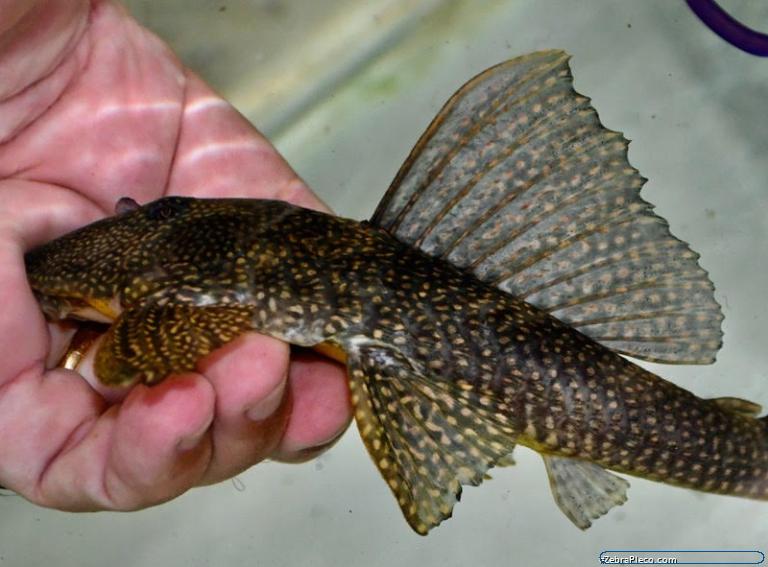
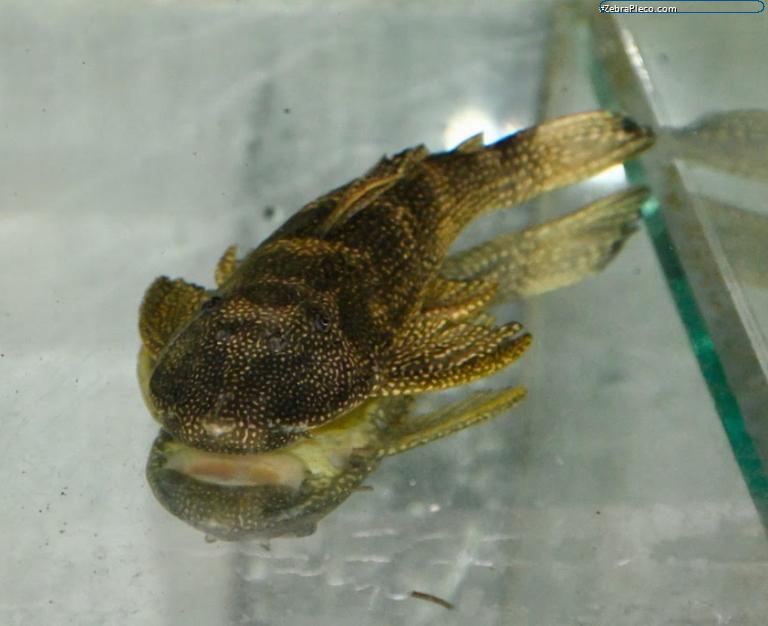
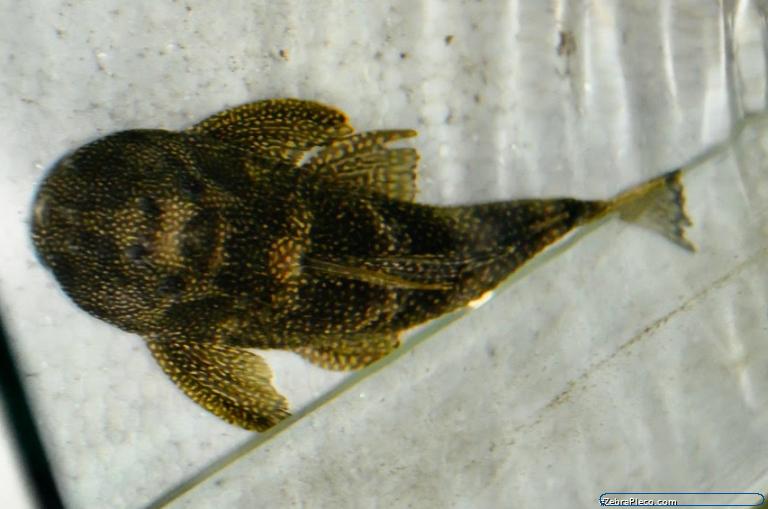
Pterygoplichthys chrysostiktos (Birindelli, Zanata & Lima, 2007)
Image Showcase
Photographs, diagnostic angles and morphological variants
Community & Keeper Tally
Member interactions, breeding records and forum mentions
Aquarium Care & Husbandry
Dietary requirements, tank setup, compatibility and breeding
Feeding & Diet
Omnivorous and a good algae eater, especially when young. [View Member Food Stats]
Compatibility & Suggested Tankmates
Tankmates: Almost any medium sized community fish.
Breeding Notes
Unreported in the aquarium.
Habitat & Water Parameters
Natural distribution, biotope water conditions and temperature ranges
Geographic Distribution
Only known from rio Paraguaçu basin, an independent coastal drainage in northeastern Brazil, where it is widespread
Bahia State Rivers, Paraguaçu (click on these areas to find other species found there)
Login to view the map.
Species Description & Identification
Morphology, diagnostic traits and sexual dimorphism
Identification
Pterygoplichthys can be identified by the number of rays in the dorsal fin. Ten or more dorsal rays (usually more than 10) indicates that it's a Pterygoplichthys. Most other plecos have 8 or fewer rays (in particular the larger Hypostomus species that are most likely to be confused with Pterygoplichthys).
This species was originally classified as a species within Hypostomus , although as such it was unusual in the respect that it has 10-11 dorsal rays. For further ID details, see the original description linked in the "Reference" section.
Sexual Dimorphism (Sexing)
Comparison of the genital papilla in mature fish shows the differences in the sexes to the trained eye. In males this is a small yet thick stump which noticeably protrudes from the fish's undercarriage. In females it is less obvious and is recessed or lies flat with the body.
Taxonomy, Synonyms & Etymology
Classification history, linguistic derivations and variant forms
Synonyms
Hypostomus chrysostiktos
Pronunciation
terry gop LICK thees
Etymology
Greek, pterygion, diminutive of pteryx = wing, fin + Greek, hoplon = weapon + Greek, ichthys = fish. The specific epithet chrysostiktos from the greek chrysos, after gold, and stiktus, after spotted, in allusion to the bright yellow spots present in living specimens.
Literature & Resources
Scientific publications, external links and citation tools
Literature & References
External Databases
Related Searches