
PAGE_HEADER
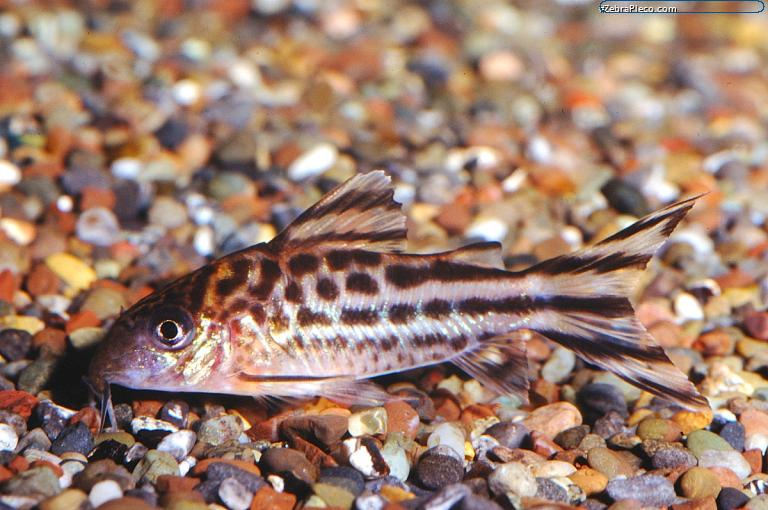
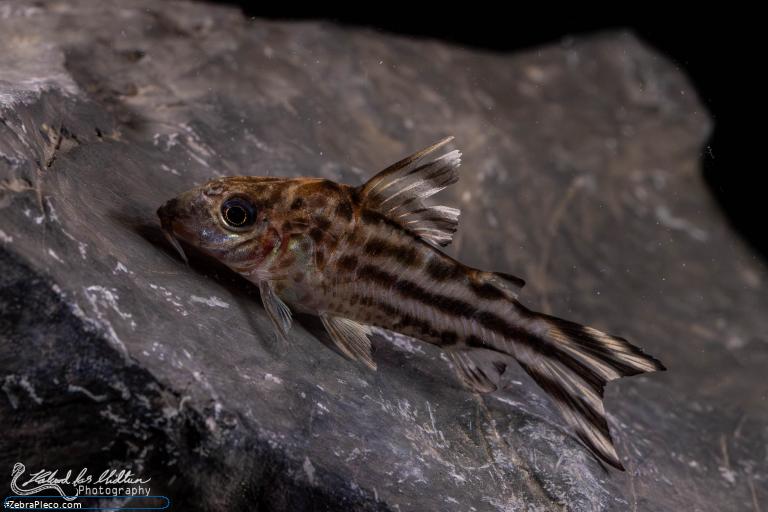
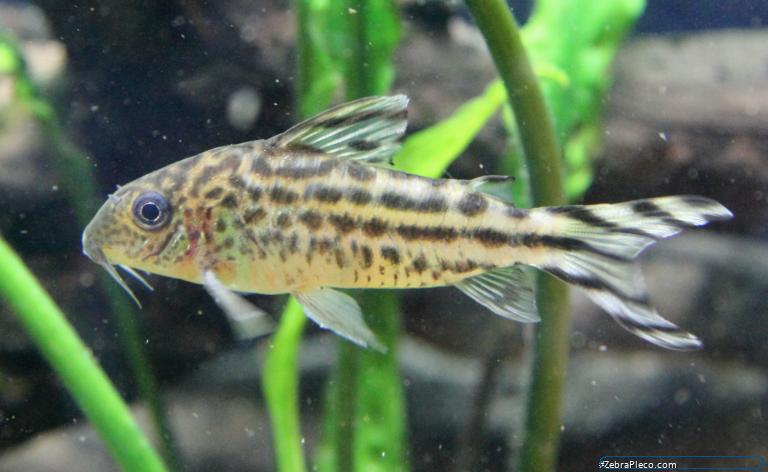
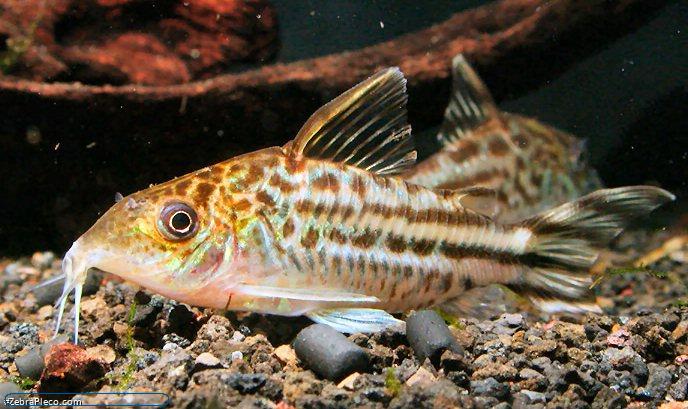
Brochis (sub-clade 3) robineae Burgess, 1983
Image Showcase
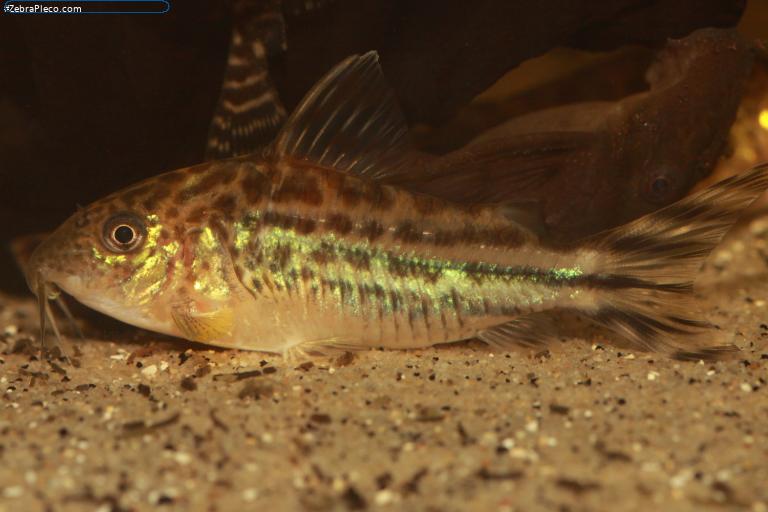
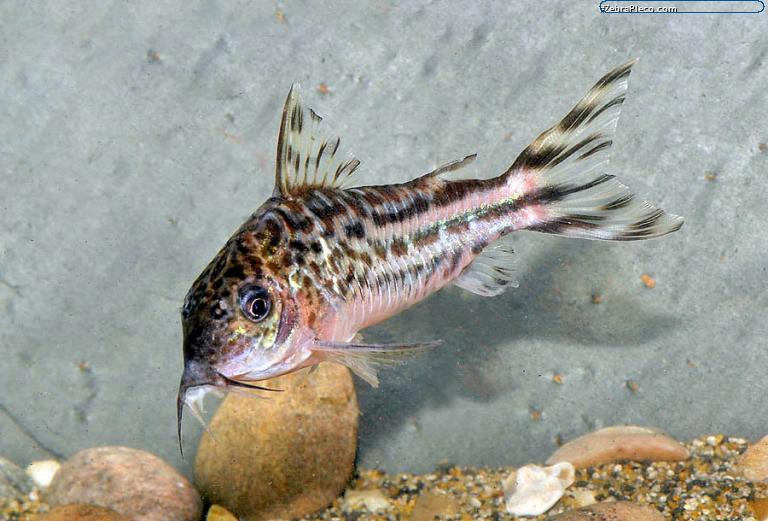
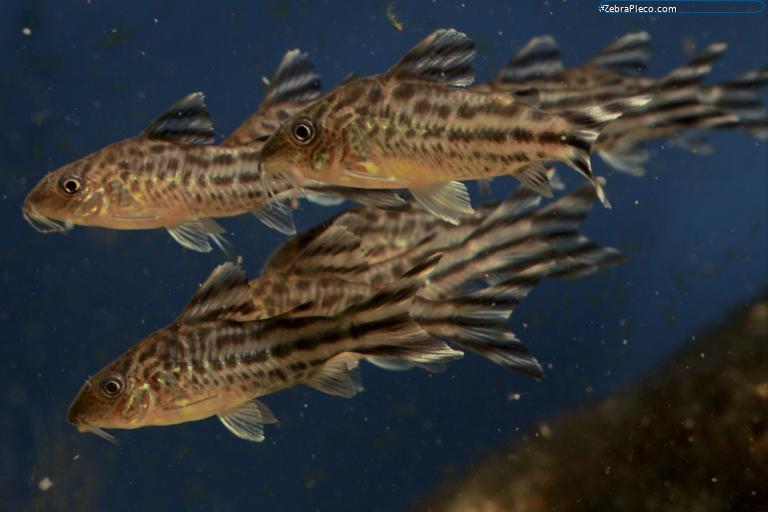
Photographs, diagnostic angles and morphological variants
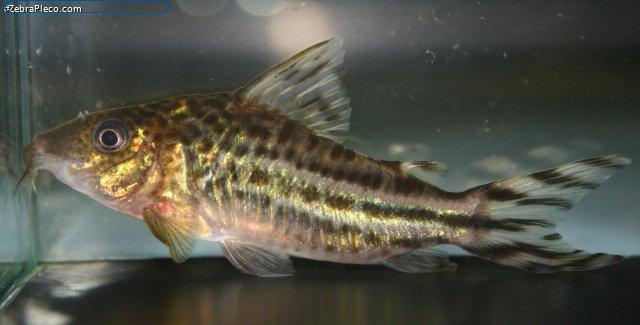
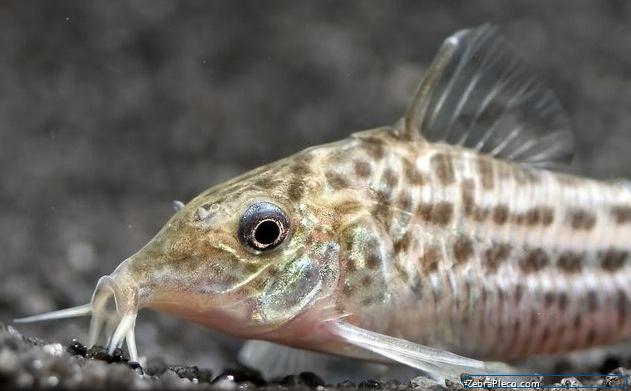
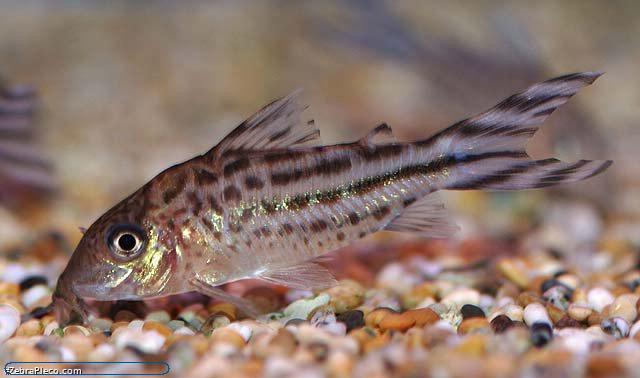
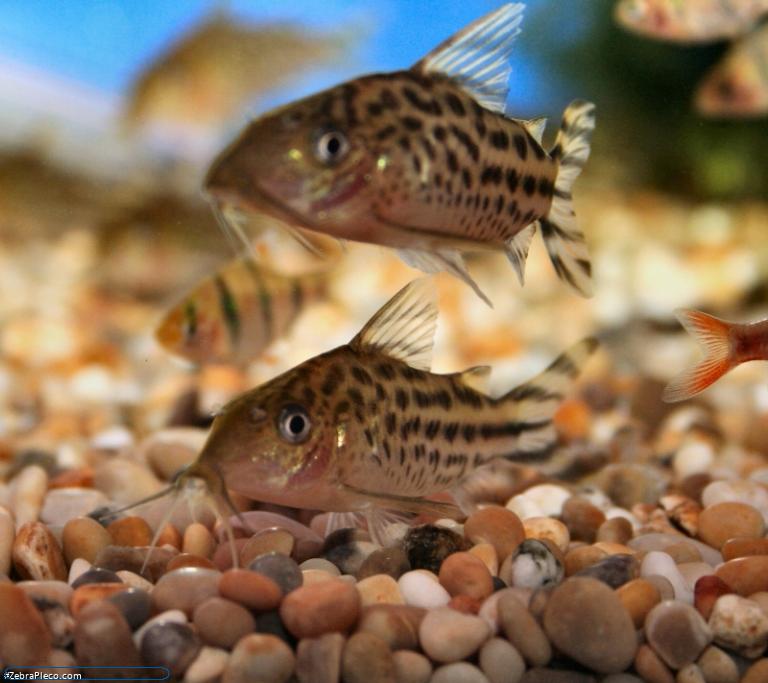
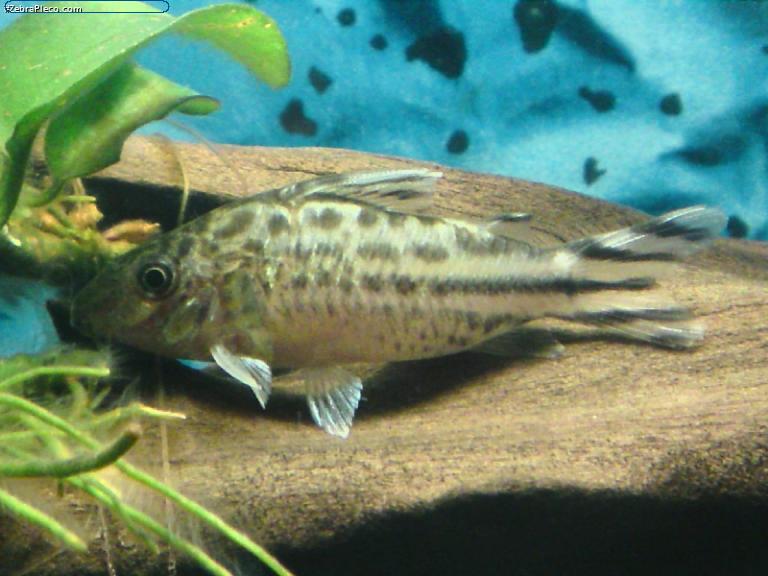
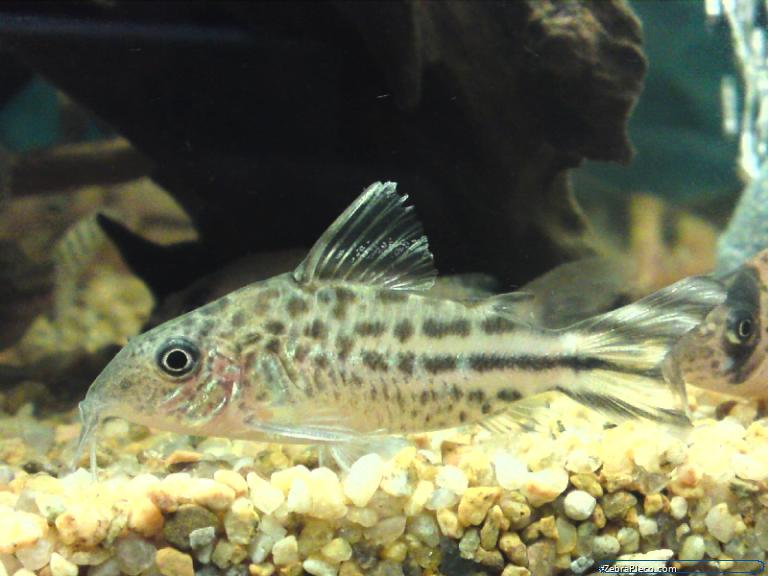
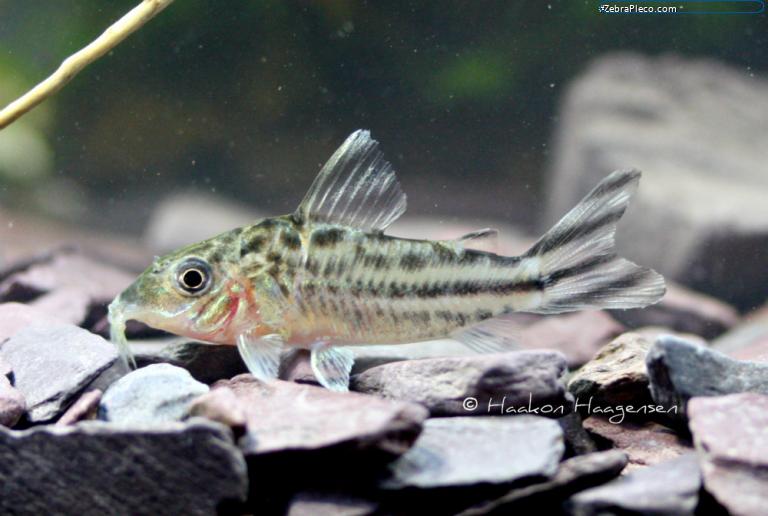
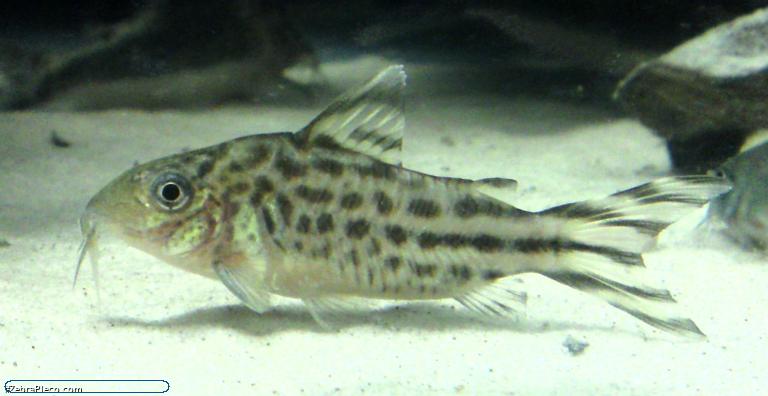
Community & Keeper Tally
Member interactions, breeding records and forum mentions
Aquarium Care & Husbandry
Dietary requirements, tank setup, compatibility and breeding
Feeding & Diet
Sinking catfish pellets and bloodworm. [View Member Food Stats]
Aquarium Furniture & Decor
Needs a rounded substrate or sand. This species is especially prone to barbel loss at the hands of inept water management / inappropriate substrate.
Compatibility & Suggested Tankmates
Peaceful, keep in groups of 3 or more.
Tankmates: Most small community fish. Tetras and dwarf cichlids are ideal.
Breeding Notes
Spawned by Eric Bodrock on 18 May 2001 who provided these notes. Adult wild spawning group of 10 males and three females. Housed in a 15-gallon tank, pH of 7.0–7.2 with TDS of 249 ppm, dGH of 9, temperature at 78°F (25.5°C). Spawning took place during mid to late afternoon. About 150 eggs were deposited in clusters on the bare glass bottom, plant leaves and roots, and the lower portion of the glass sides. Hatch rate exceptionally low. This is not a commonly bred species and Eric's report may be the first, at least in the English language. Before then, it was one of the mystery Corys that had yet to spawn in the aquarium. Additional information suggests to keep in pairs, or no more than three males to one female. Condition them at 77F and then drop the temp. to 65F with a large water change. They will not spawn above 75F. Spawning has been attributed to feeding a diet of live Tubifex worms. Water should be surprisingly hard for Corydoras, (11.3 dGH) and just alkaline (pH of 7.1 - 7.2). A bare aquarium with a few plants is all that is required, although the plants are for refuge, no reports exist of this species spawning on vegetation. Actual spawning is a mystery; it has always occurred at night. Eggs will hatch after 4-5 days, and the water temperature can be raised to 79F during this period. Initially chopped whiteworm appear to be the best first food, but the fry are quick growers and can soon be moved onto adult food.
Habitat & Water Parameters
Natural distribution, biotope water conditions and temperature ranges
Geographic Distribution
South America: Upper Negro River basin.
Amazon, Middle Amazon (Solimoes), Negro, Middle Negro (click on these areas to find other species found there)
Amazon, Middle Amazon (Solimoes), Negro, Upper Negro (click on these areas to find other species found there)
Login to view the map.
Species Description & Identification
Morphology, diagnostic traits and sexual dimorphism
Taxonomy, Synonyms & Etymology
Classification history, linguistic derivations and variant forms
Pronunciation
bro kiss sub clade four - ROBB i nay
Etymology
Named for Mrs Robine Schwartz.
Literature & Resources
Scientific publications, external links and citation tools
Description Reference
Tropical Fish Hobbyist v. 31 (no. 9), pp 42, Figs.
External Databases
Related Searches

