PAGE_HEADER
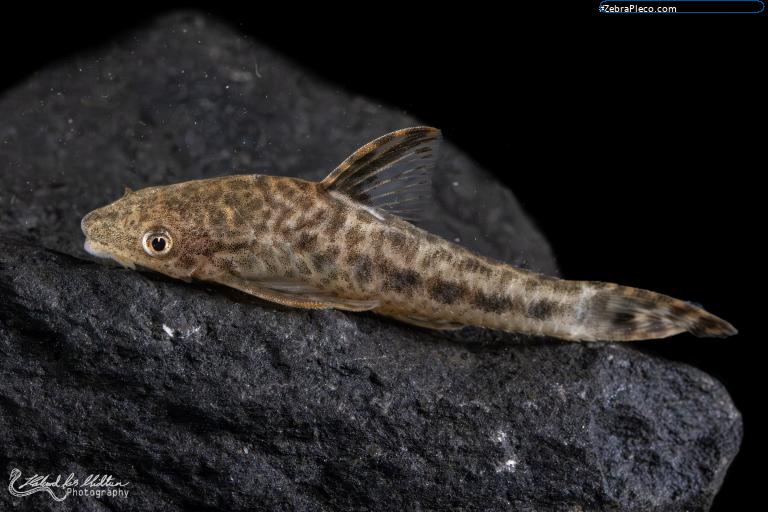
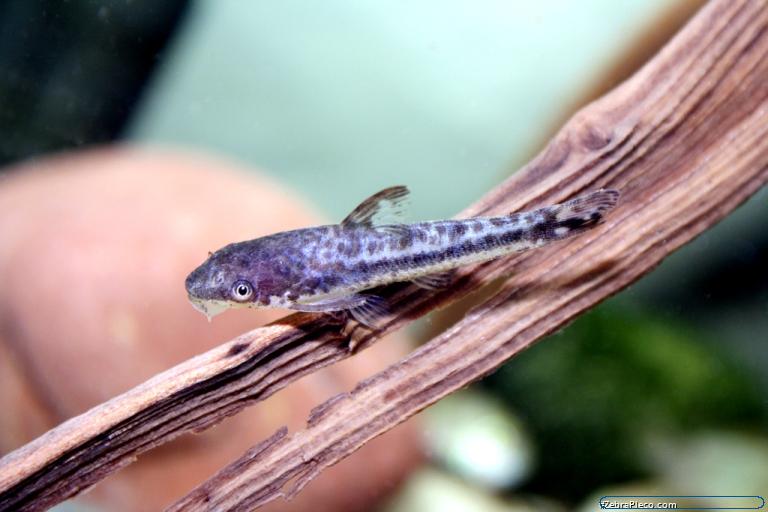
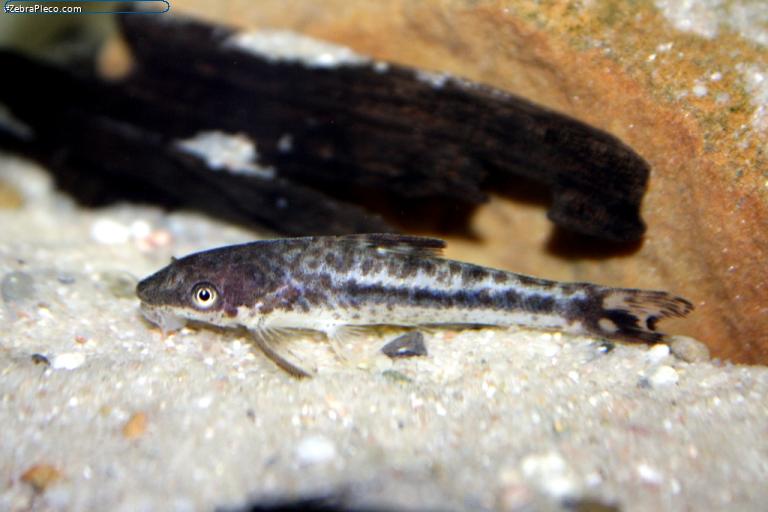
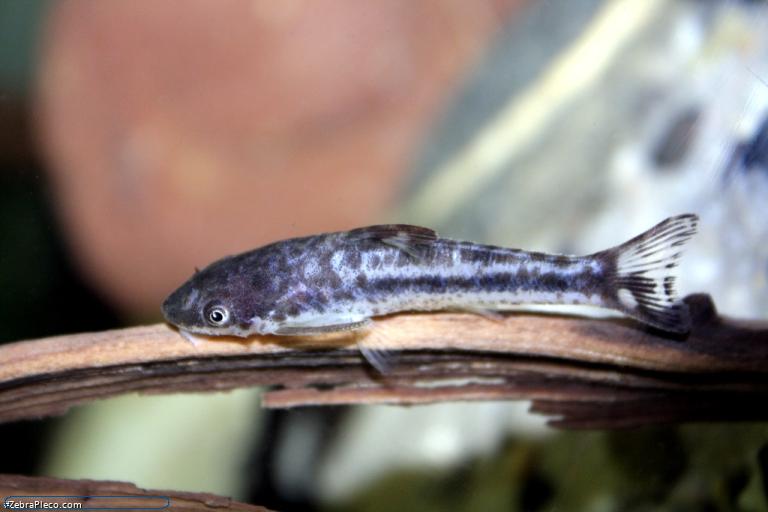
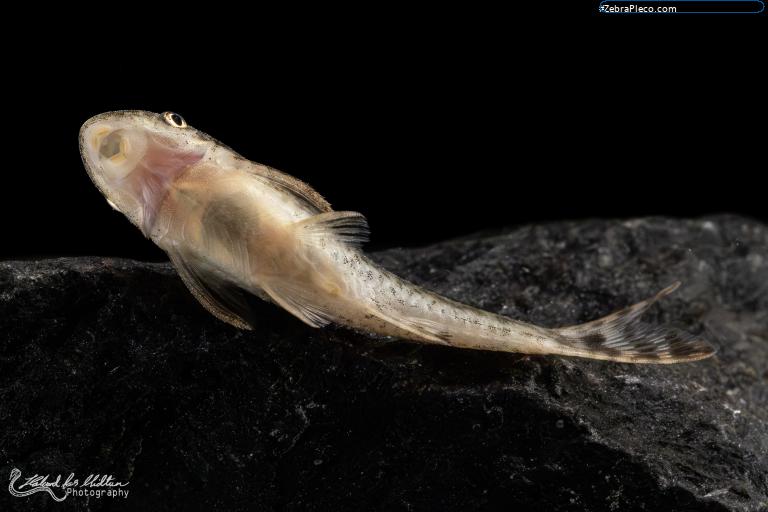
Otocinclus mimulus Axenrot & Kullander, 2003
Image Showcase
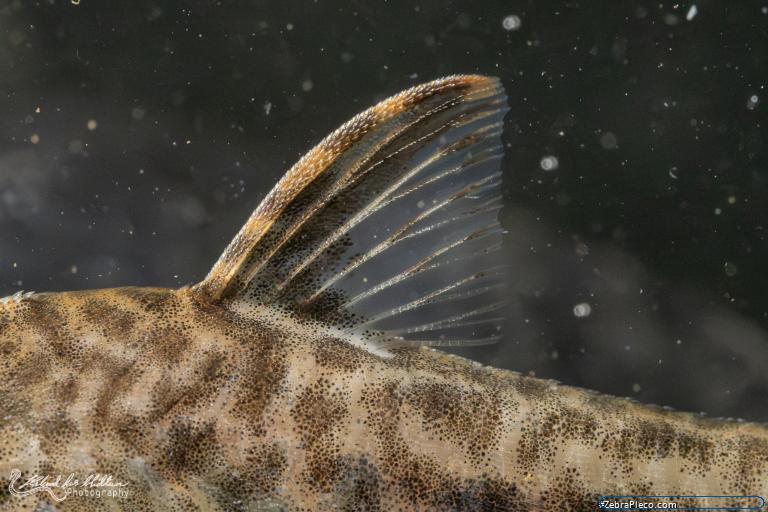
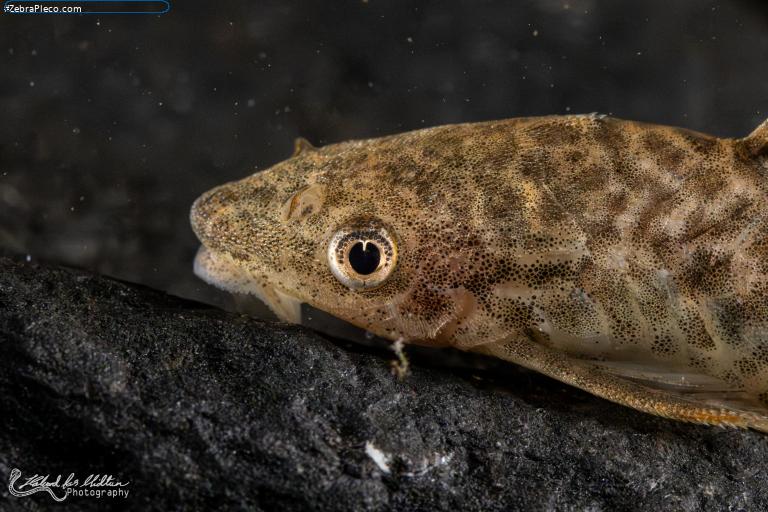
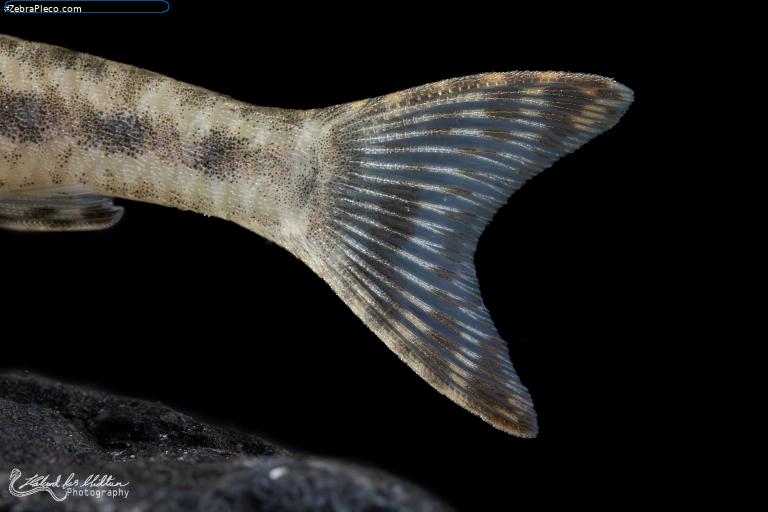
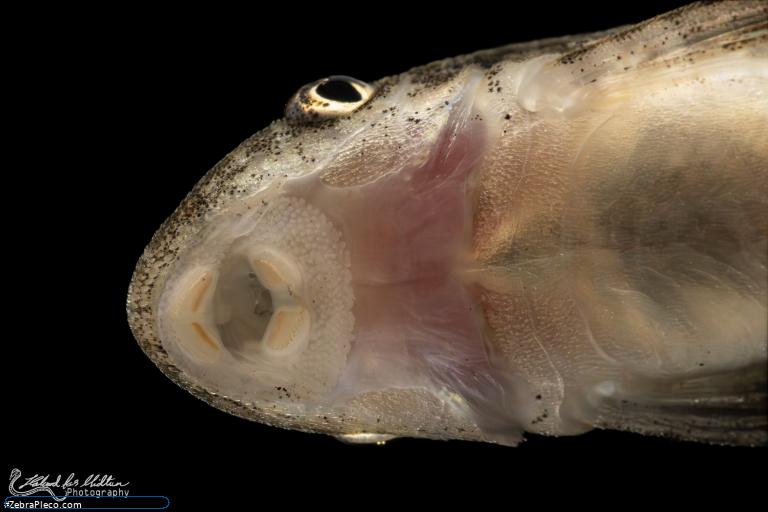
Photographs, diagnostic angles and morphological variants
Community & Keeper Tally
Member interactions, breeding records and forum mentions
Aquarium Care & Husbandry
Dietary requirements, tank setup, compatibility and breeding
Breeding Notes
Unreported in the aquarium.
Habitat & Water Parameters
Natural distribution, biotope water conditions and temperature ranges
Geographic Distribution
South America: tributaries of río Monday, a right bank tributary of the río Paraná in Paraguay.
La Plata, Paraná, Monday (click on these areas to find other species found there)
Login to view the map.
Species Description & Identification
Morphology, diagnostic traits and sexual dimorphism
Identification
Otocinclus mimulus is one of four Otocinclus species (O. arnoldi, O. flexilis, O. mimulus, and O. xakriaba) which can have dark blotches on a pale body. O. mimulus is most similar to and can be confused with O. arnoldi. O. mimulus is distinguished from O. arnoldi by having an elevated patch of enlarged odontodes on the postero-dorsal parieto-supraoccipital tip (vs. having a patch of enlarged odontodes on the parietosupraoccipital, and the patch is not elevated).
Sexual Dimorphism (Sexing)
Females are larger and broader especially when viewed from above.
General Remarks
Mimics Corydoras diphyes. However this mimicry is unusual because the two species occupy different microhabitats and it is hypothesized to operate with a primarily visual predator moving between the microhabitats, tentatively identified as the cichlid Crenicichla lepidota.
Taxonomy, Synonyms & Etymology
Classification history, linguistic derivations and variant forms
Pronunciation
auto SINK luss
Etymology
Greek, ous, oto = ear + Latin, cinclus = latticework; in allusion to the holes of the head in the ears. mimulus, dimunitive of mimus (actor) a reference to its mimicry with Corydoras diphyes.
Literature & Resources
Scientific publications, external links and citation tools
Description Reference
Ichthyological Exploration of Freshwaters v. 14 (no. 3), pp 251, Fig. 1.
External Databases
Related Searches