PAGE_HEADER
Glyptothorax malabarensis Gopi, 2010
Image Showcase
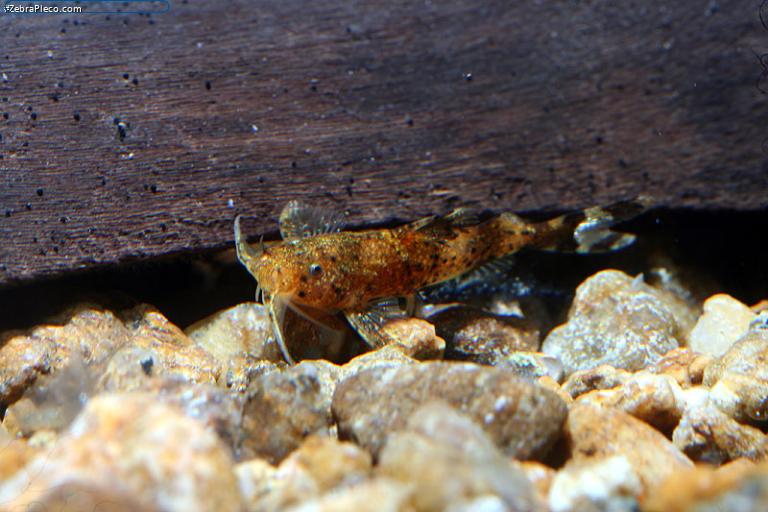
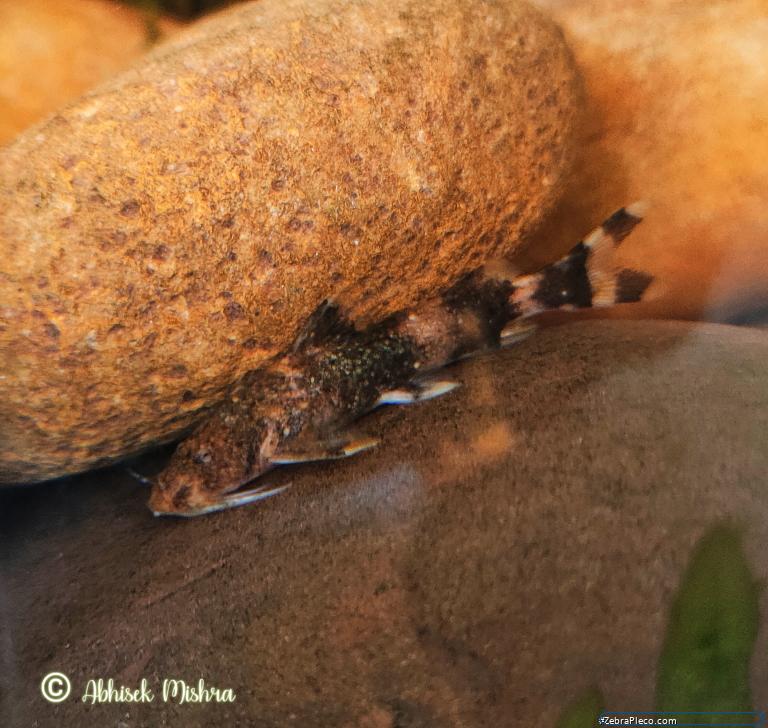
Photographs, diagnostic angles and morphological variants
Community & Keeper Tally
Member interactions, breeding records and forum mentions
Aquarium Care & Husbandry
Dietary requirements, tank setup, compatibility and breeding
Feeding & Diet
Is known to take only live food like blood Worms, frozen brine shrimp etc. Spot feeding will help in case tank mates are voracious feeders. [View Member Food Stats]
Aquarium Furniture & Decor
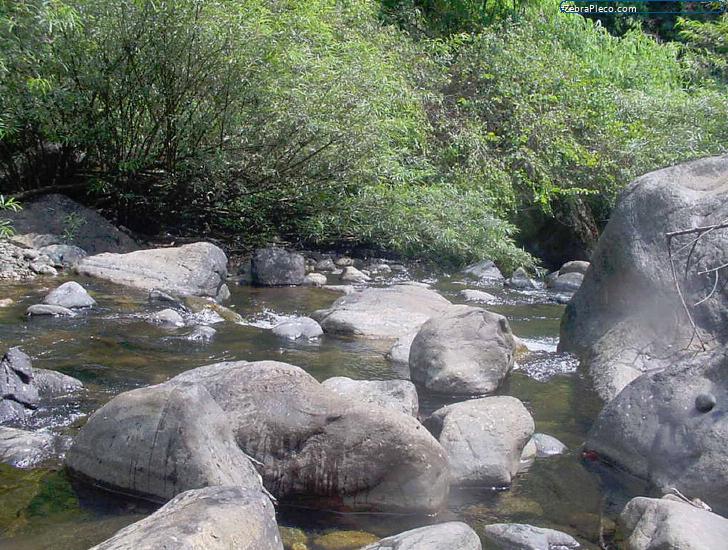
Fine sand for the bottom and smooth pebbles / rocks. Specimens of the type series were collected from submerged crevices formed by large boulders in an upland stream.
Compatibility & Suggested Tankmates
A peaceful species suitable for a hillstream biotope.
Tankmates: Cyprinids like Barilius and Danios and Balitorine loaches like Homaloptera species. Other species that are found in their natural habitat include Barilius bakeri,Garra mullya,Bhavania australis and Schistura denisoni denisoni.
Breeding Notes
No member of this genus has been bred in the aquarium.
Habitat & Water Parameters
Natural distribution, biotope water conditions and temperature ranges
Geographic Distribution
Is presently known only from the type locality in the Aralam Wildlife
Sanctuary (Urutty Stream, Valapattanam River drainage), Kannur District, Kerala, India.
Indian waters, Kerala State Waters, Valapattanam, Urutty (click on these areas to find other species found there)
Login to view the map.
Species Description & Identification
Morphology, diagnostic traits and sexual dimorphism
Identification
Sisorid catfishes of the genus Glyptothorax Blyth are benthic inhabitants of torrential waters of rivers and streams in montane and submontane parts of tropical Asia. The members of the genus are adapted to attach themselves to rocks and boulders against strong currents by means of a thoracic adhesive apparatus comprising grooves and folded pleats of skin parallel or oblique to the longitudinal axis of the body. The genus has a wide distribution, ranging from Turkey and Syria in the west, to India and China in the east, and extending further southeastward to Indonesia. With 84 nominal species, Glyptothorax are the most speciose genus of catfishes in Asia (Eschmeyer et al., 1998, Ng, 2005); 67 species were treated as valid by Thomson & Page (2006).
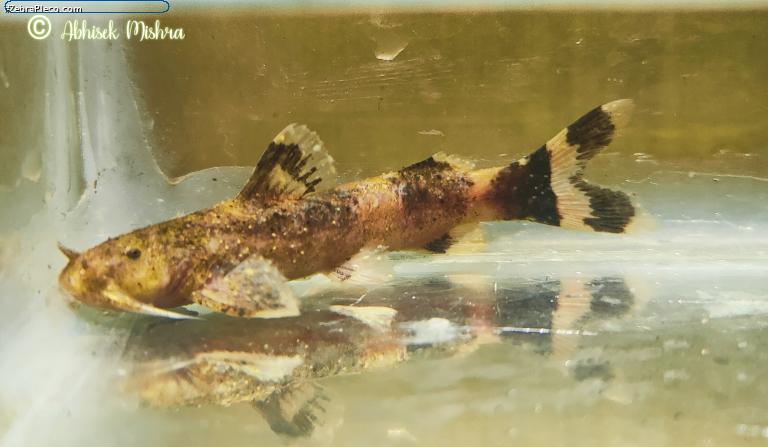
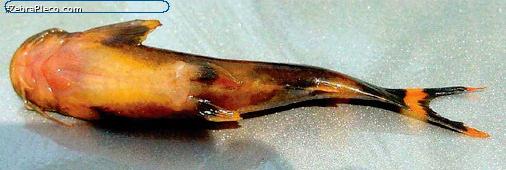
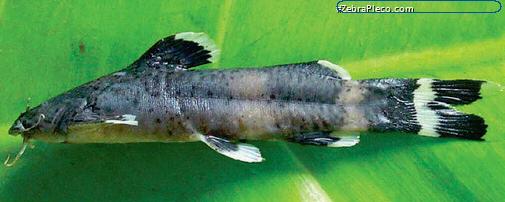
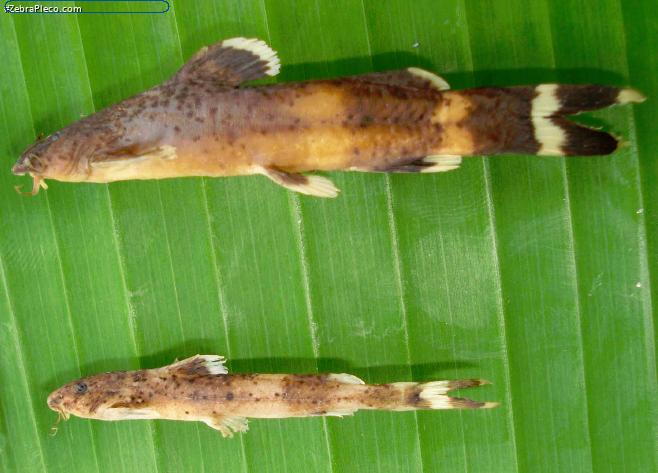
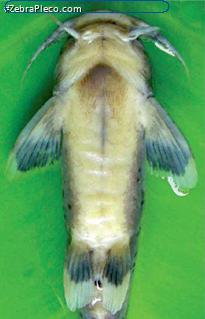
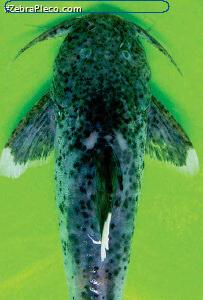
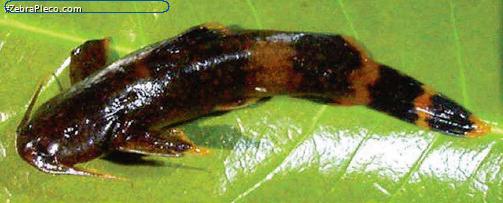
It is distinguished from its congeners in Peninsular India by the following combination of characters: body depth 19.6–9.9% SL, caudal peduncle length 14.3–14.7% SL and caudal peduncle depth 12.4–12.7% SL (caudal peduncle depth 86.4–88.1% of its length); thoracic adhesive apparatus approximately pentagonal, as long as broad, without a median depression; skin of head and body minutely granulated; and a coloration in life consisting of a black background with three flesh-red or orange transverse bands on body, in preservative changing to dark grey with black mottling and three yellowish-white transverse bands.
Sexual Dimorphism (Sexing)
Not known.
Taxonomy, Synonyms & Etymology
Classification history, linguistic derivations and variant forms
Pronunciation
Gleep toe thor axe - Mala baar ensis
Etymology
The generic name comes from the Greek glyptos, meaning carved, and thorax, meaning breastplate (or the part of the body covered by it), in reference to the folds of skin comprising the thoracic adhesive apparatus. The specific name malabarensis is derived from ‘Malabar’, an older name for the region of northern Kerala, in which this species occurs.
Literature & Resources
Scientific publications, external links and citation tools
Literature & References
External Databases
Related Searches