PAGE_HEADER
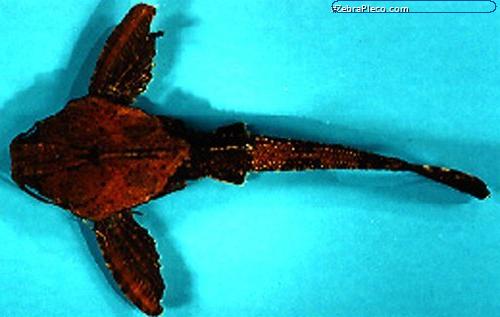
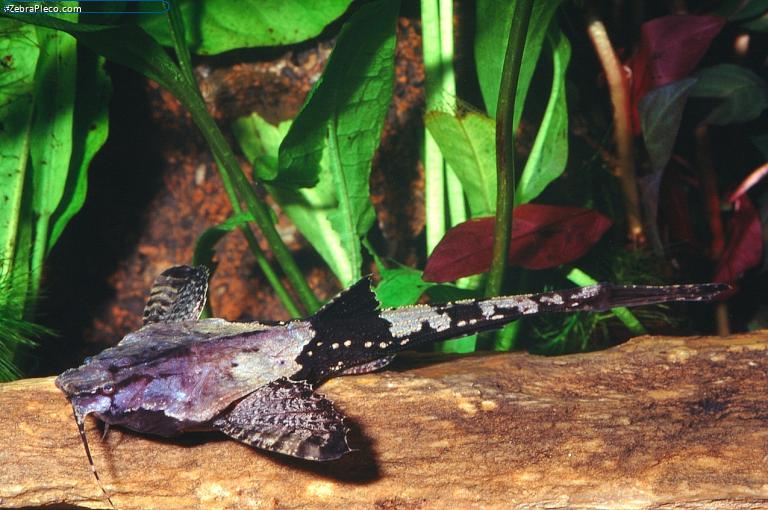
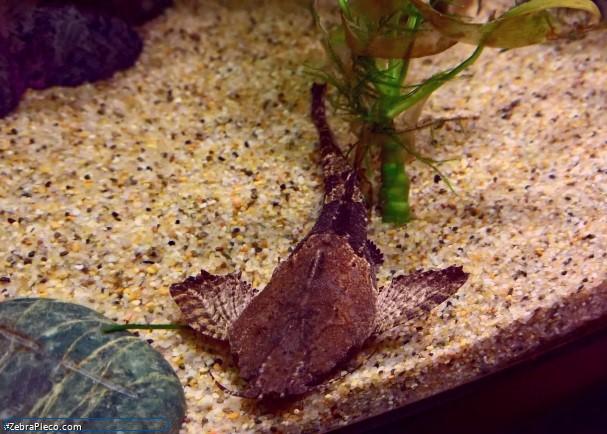
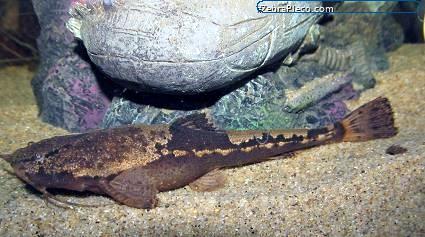
Bunocephalus coracoideus (Cope, 1874)
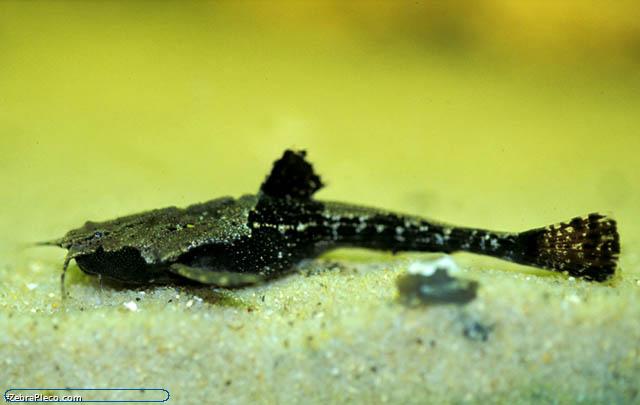
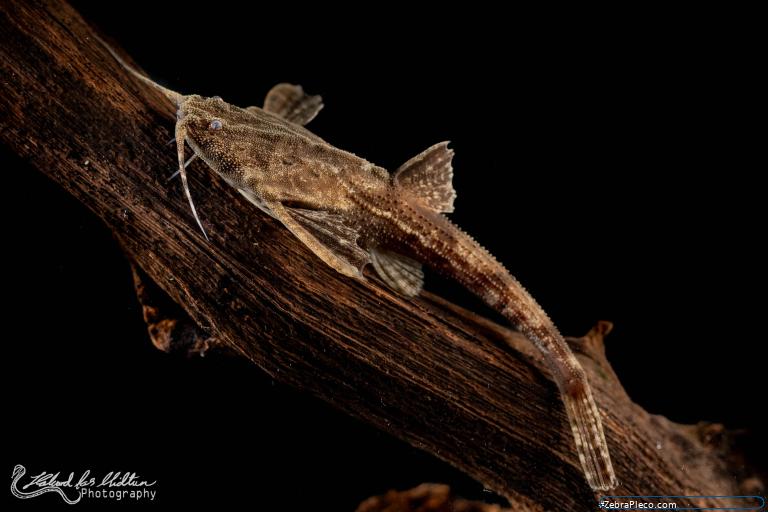
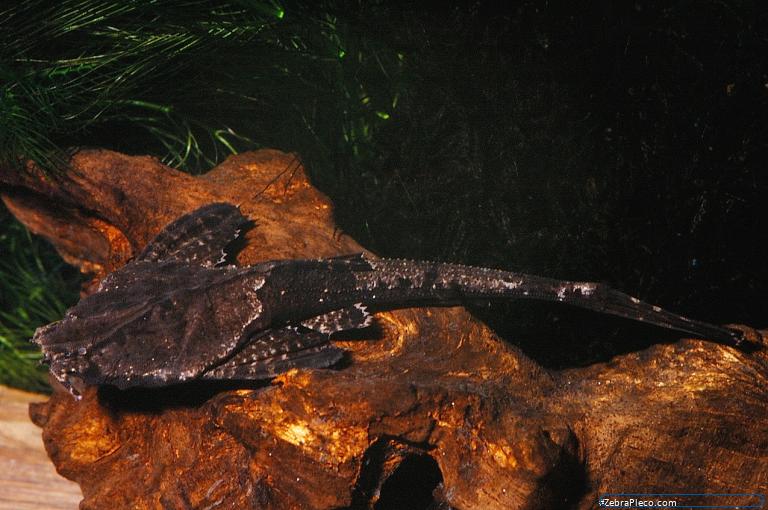
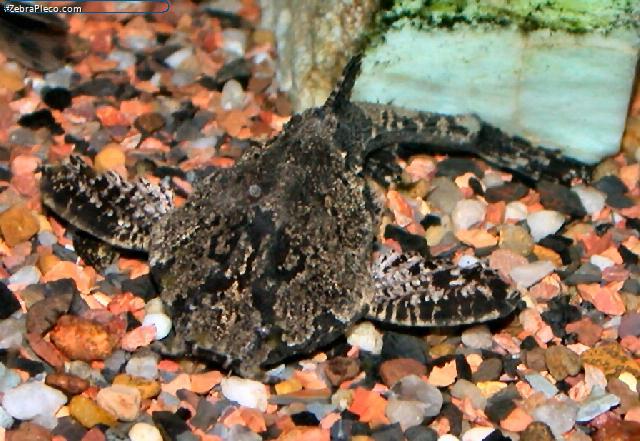
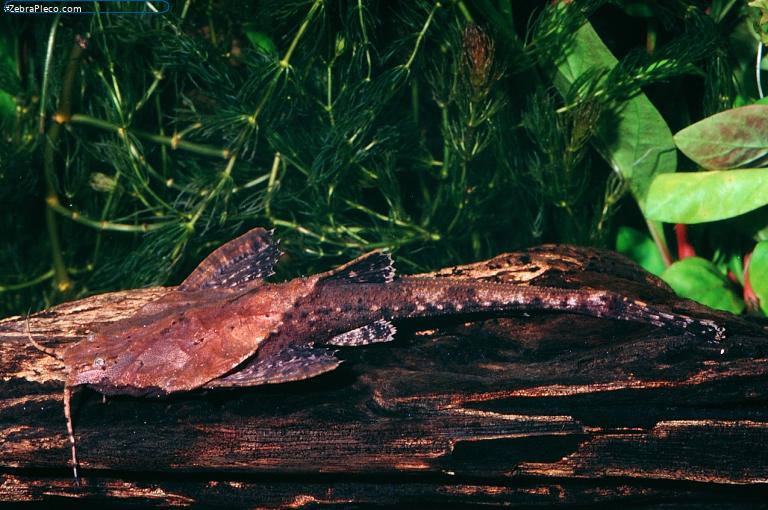
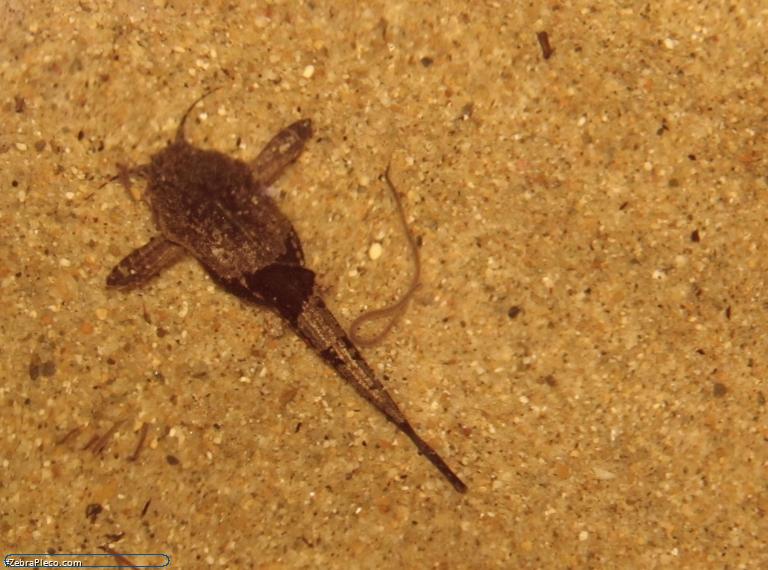
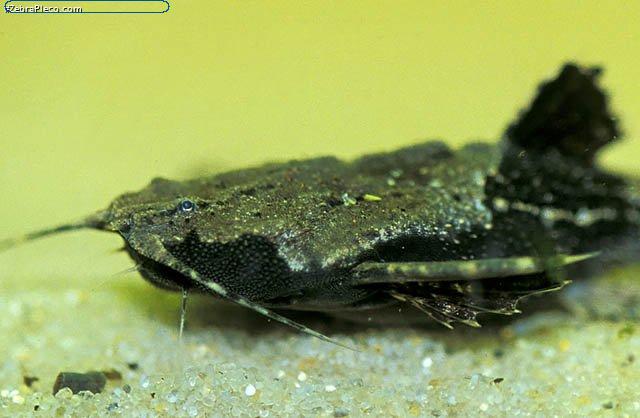
Image Showcase
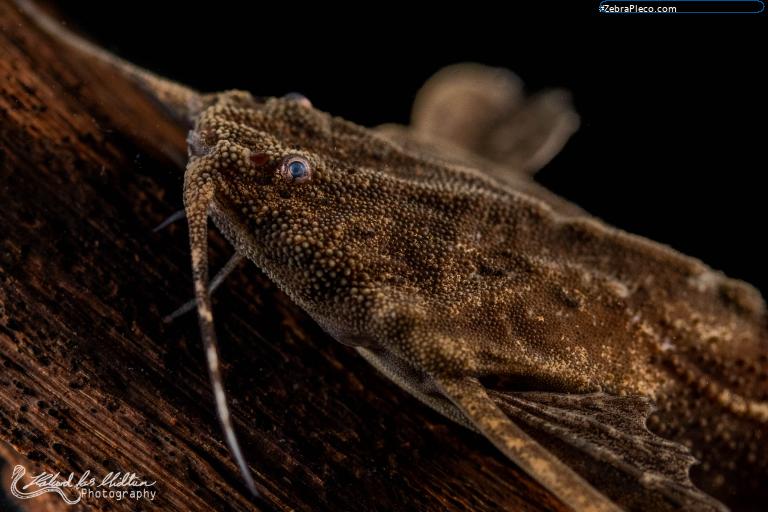
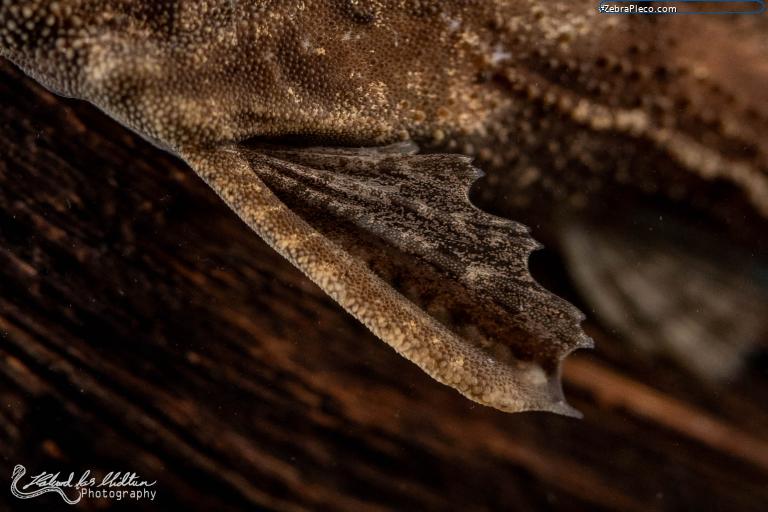
Photographs, diagnostic angles and morphological variants
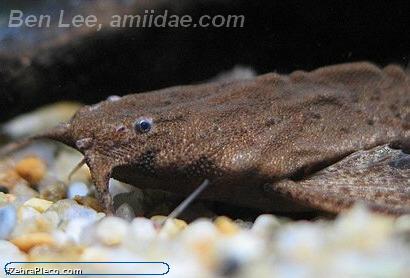
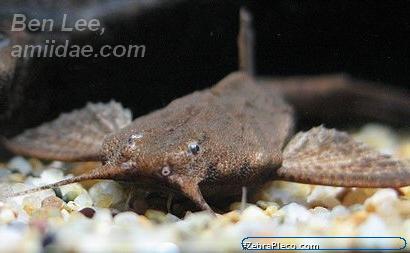
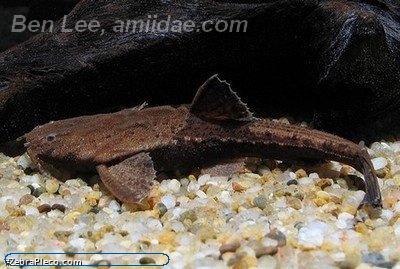
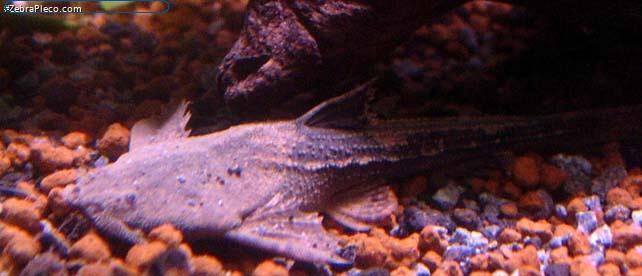

Community & Keeper Tally
Member interactions, breeding records and forum mentions
Aquarium Care & Husbandry
Dietary requirements, tank setup, compatibility and breeding
Feeding & Diet
Most prepared food that finds its way to the substrate, bloodworm and sinking catfish pellets are best. [View Member Food Stats]
Aquarium Furniture & Decor
Preferably river sand although the fish is equally happy under a flat rock elevated about ½ an inch above the substrate. In nature the fish can be found buried, sometimes several inches deep, in the leaf litter commonly found at the bottom of forest streams.
Compatibility & Suggested Tankmates
Peaceful. Can be kept singly or in groups given adequate refuge for each individual. Young fish like to hide vertically in bushy plants. Older fish will burrow in sand or fine, rounded gravel as well as under stones or bogwood.
Tankmates: Any community fish.
Breeding Notes
Adult fish are mature at 4½'', a deep tank is not necessary. Spawning occurs at night. Several batches of eggs are serially deposited in an egg-scattering fashion and should be removed to a secure net or container. These hatch within 3 days. Another report suggests that over 4000-5000 eggs are laid in several spawnings of a night and that the fish spawn in groups, although the ratio of males to females required is not clear. The fry should be fed small live foods, and then as they grow tubifex worms and eventually catfish tablets.
Habitat & Water Parameters
Natural distribution, biotope water conditions and temperature ranges
Geographic Distribution
South America: Amazon River basin.
Amazon (click on these areas to find other species found there)
Amazon, Lower Amazon, Tocantins, Lower Tocantins, Acará Imported (click on these areas to find other species found there)
Login to view the map.
Species Description & Identification
Morphology, diagnostic traits and sexual dimorphism
Taxonomy, Synonyms & Etymology
Classification history, linguistic derivations and variant forms
Synonyms
Bunocephalus bicolor, Bunocephalus haggini, Dysichthys bicolor, Dysichthys coracoideus
Pronunciation
boon oh SEFF ah luss
Etymology
Bunocephalus: From the Greek bounos, meaning hill and kephale, meaning head; in reference to the bumps on the head of the fish, which is particularly marked in some species.
There is 1 other speciesAuchenipterichthys coracoideus with this specific name.
Literature & Resources
Scientific publications, external links and citation tools
Description Reference
Proceedings of the Academy of Natural Sciences of Philadelphia v. 26, pp 133
External Databases
Related Searches