PAGE_HEADER
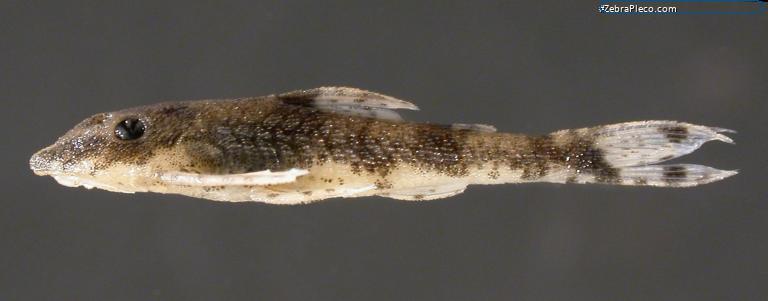
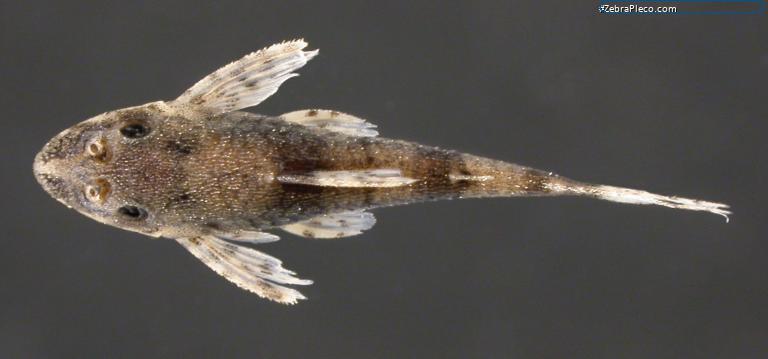
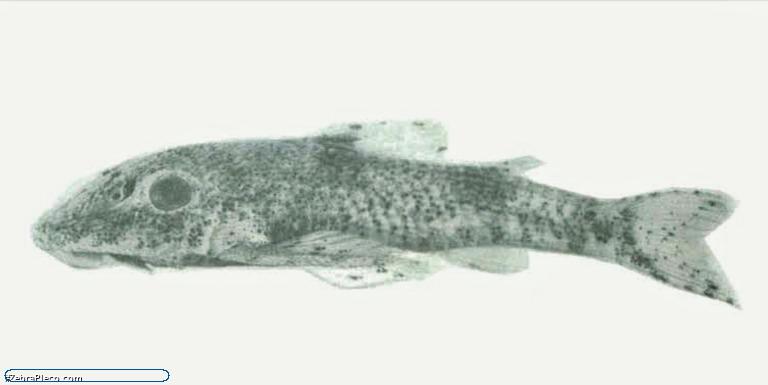
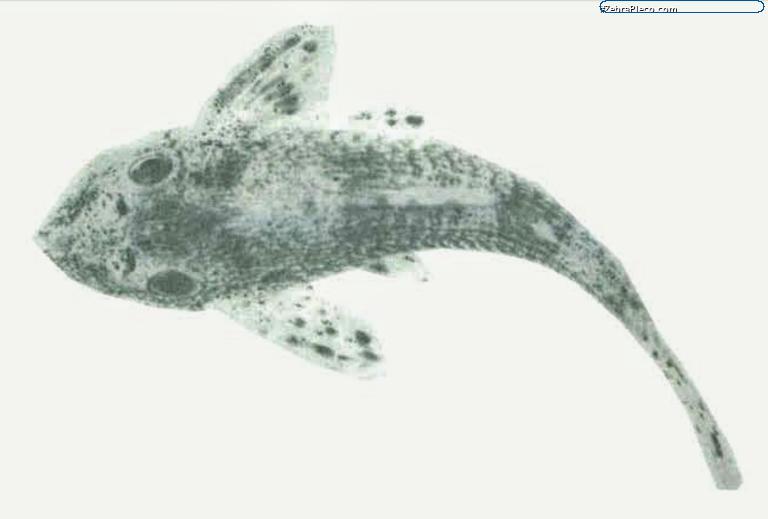
Rhinotocinclus britskii (Boeseman, 1974)
Image Showcase
Photographs, diagnostic angles and morphological variants
Community & Keeper Tally
Member interactions, breeding records and forum mentions
Aquarium Care & Husbandry
Dietary requirements, tank setup, compatibility and breeding
Breeding Notes
Unreported in the aquarium.
Habitat & Water Parameters
Natural distribution, biotope water conditions and temperature ranges
Geographic Distribution
South America: Orinoco River basin and Atlantic coastal drainages of the Guianas.
Amazon, Middle Amazon (Solimoes), Madeira, Aripuanã (click on these areas to find other species found there)
Guyana Waters, Coastal Rivers of Guyanas (click on these areas to find other species found there)
Amazon, Middle Amazon (Solimoes) (click on these areas to find other species found there)
Orinoco (click on these areas to find other species found there)
Guyana Waters, Coastal Rivers of Guyanas, Suriname Coastal Rivers (click on these areas to find other species found there)
Login to view the map.
Species Description & Identification
Morphology, diagnostic traits and sexual dimorphism
Identification
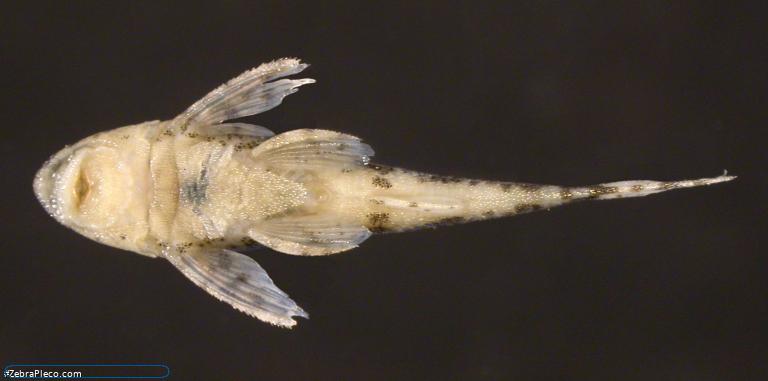
Rhinotocinclus is diagnosed from all other genera in Hypoptopomatinae by having the canal cheek plate on the ventral surface of the head posteriorly elongated and contacting the cleithrum (vs. canal cheek plate rounded or mesially elongated and not expanded backwards to contact the pectoral girdle).
Sexual Dimorphism (Sexing)
Males possess a urogenital papilla immediately behind the anus, and a variably deep skin fold along the first, unbranched pelvic-fin ray (vs. both absent in females). Also, males possess a much larger nostril than females, causing the internarial distance to be smaller in males. The larger size of the olfactory organ of males also causes an elevation in the snout profile immediately in front of the eyes, which can be easily seen in lateral view. In most species, males also possess longer pelvic fins than females, with the males' pelvic fins reaching or almost reach to the anal-fin origin.
Taxonomy, Synonyms & Etymology
Classification history, linguistic derivations and variant forms
Synonyms
Parotocinclus amazonensis, Parotocinclus aripuanensis, Parotocinclus britskii
Etymology
Rhinotocinclus is a combination of the Greek Rhinos meaning beak or snout and Otocinclus, a genus of Hypoptopomatinae, in allusion to the conspicuous and elegant snout of most of its species.
There are 8 other speciesAuchenipterus britskii
Brochis britskii
Corumbataia britskii
Pimelodus britskii
Prochilodus britskii
Rhinolekos britskii
Rhinotridens britskii
Sternarchorhynchus britskii with this specific name.
Literature & Resources
Scientific publications, external links and citation tools
Description Reference
Proceedings of the Koninklijke Nederlandse Akademie van Wetenschappen (Series C, Biological and Medical Sciences) v. 77 (no. 3), pp267, Fig. 2; Pl. 2.
External Databases
Related Searches