PAGE_HEADER
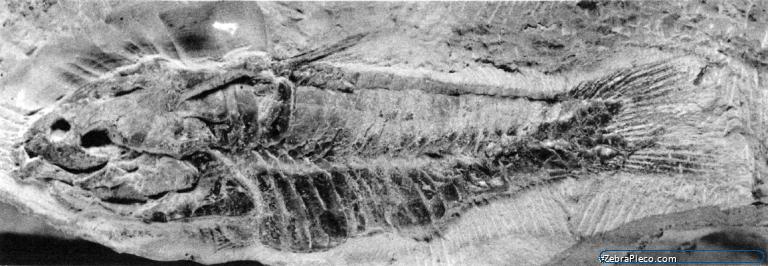
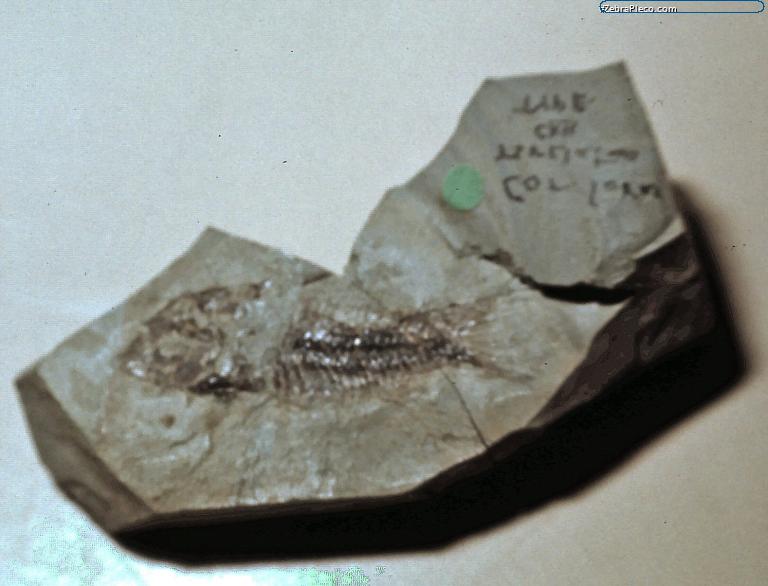
†Hoplisoma revelatum Cockerell, 1936
Image Showcase
Photographs, diagnostic angles and morphological variants
Community & Keeper Tally
Member interactions, breeding records and forum mentions
Aquarium Care & Husbandry
Dietary requirements, tank setup, compatibility and breeding
Feeding & Diet
As a fossil species it is best to allow long periods between feedings. [View Member Food Stats]
Aquarium Furniture & Decor
This is a fossil species; it's best kept in a dry location away from abrasive materials and corrosive chemicals with the occasional dusting.
Compatibility & Suggested Tankmates
A peaceful, shoaling, community fish.
Breeding Notes
Known only from the fossil record, no breeding information available or indeed useful for the aquarist.
Habitat & Water Parameters
Natural distribution, biotope water conditions and temperature ranges
Geographic Distribution
Found only at Bajo San José Lower Section, Buenos Aires, Argentina
Species Description & Identification
Morphology, diagnostic traits and sexual dimorphism
Identification
This is the only known fossil species of Corydoras.
Sexual Dimorphism (Sexing)
Females grow larger and are more full-bodied, this is best observed from above the fish. Males will typically have more pointed as opposed to more rounded fin tips as they mature.
General Remarks
It is estimated that this specimen is around 58 million years old.
Taxonomy, Synonyms & Etymology
Classification history, linguistic derivations and variant forms
Synonyms
Corydoras revelatus
Pronunciation
hop lee so mah
Etymology
The genus name is latin for wavy, referring to “dark purplish spots tending to run together, forming undulating longitudinal bands” - a common if not uniform colouration pattern found in this genus.
Literature & Resources
Scientific publications, external links and citation tools
Description Reference
T. D. A. Cockerell. 1936. The Fauna of the Sunchal (or Margas Verdes) formation, Northern Argentina. American Museum Novitates 886:1-9
External Databases
Related Searches