PAGE_HEADER
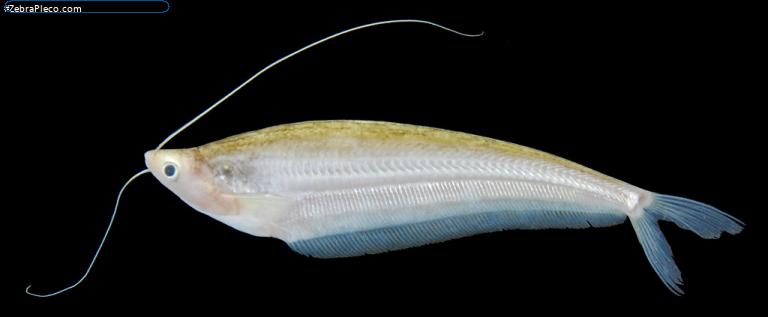
Kryptopterus dissitus Ng, 2001
Image Showcase
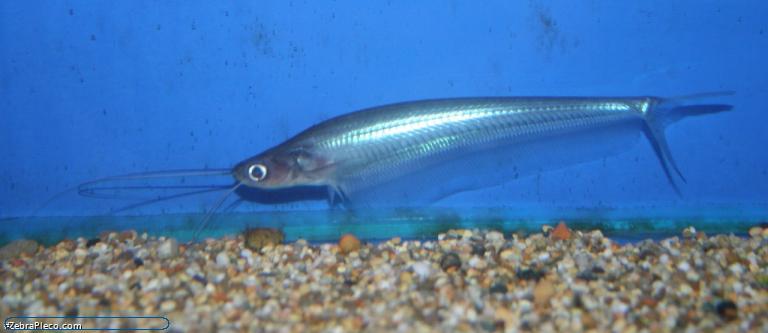
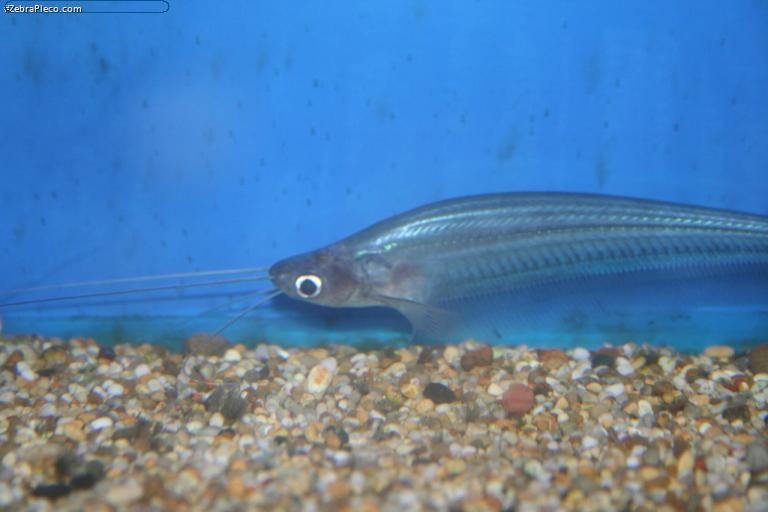
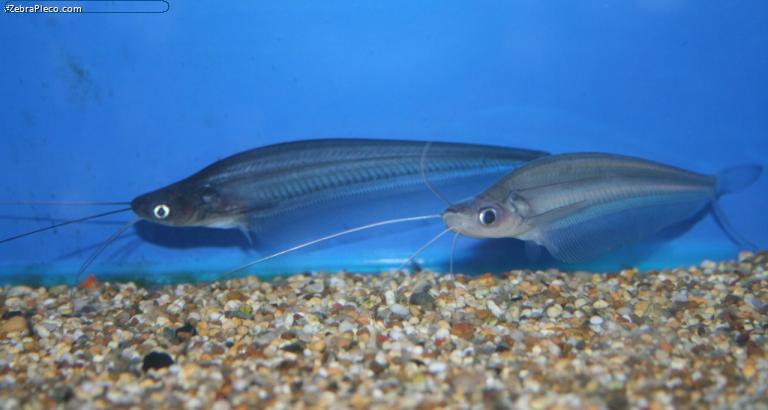
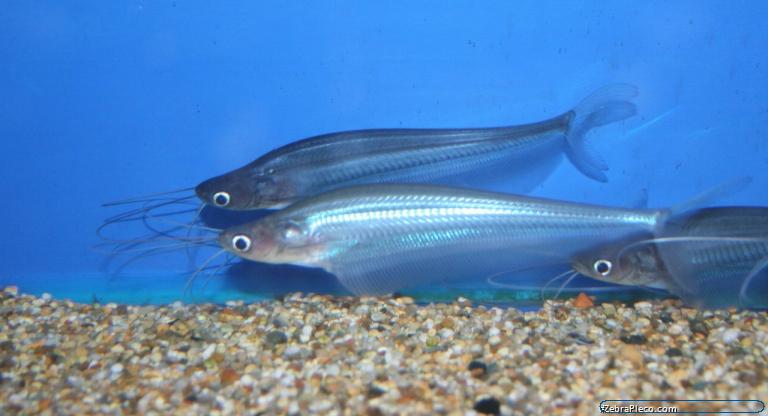
Photographs, diagnostic angles and morphological variants
Community & Keeper Tally
Member interactions, breeding records and forum mentions
Aquarium Care & Husbandry
Dietary requirements, tank setup, compatibility and breeding
Feeding & Diet
In the wild feeds on insects and small shrimps. [View Member Food Stats]
Breeding Notes
Unreported in the aquarium.
Habitat & Water Parameters
Natural distribution, biotope water conditions and temperature ranges
Geographic Distribution
Asia: Chao Phraya to Lower Mekong basins.
Thailand Waters, Chao Praya (click on these areas to find other species found there)
Mekong, Lower Mekong (click on these areas to find other species found there)
Login to view the map.
Species Description & Identification
Morphology, diagnostic traits and sexual dimorphism
Identification
Dorsal spines : 1; Dorsal soft rays : 3; Anal soft rays: 75 - 79; Vertebrae: 58. Snout length 33.1-34.8% SL; vomerine teeth in 2 distinct elliptical patches; a distinct nuchal concavity; and mandibular barbels reaching beyond anterior base of anal fin. Males with pectoral spine enlarged and broad, somewhat flattened dorsoventrally with 7-9 posterior dentations, increasing in size distally; proximal articulated segments with 6-9 well-developed posterior dentations. Female or juvenile with spine slender and with no dentations; 6 articulated segments present. Mandibular barbels one pair, located slightly anterolateral to gular fold. Branchiostegal rays 9-10.
Sexual Dimorphism (Sexing)
Males have enlarged and broad pectoral spines, in females or juveniles the spine is slender.
General Remarks
Inhabits mainstreams and tributaries.
Taxonomy, Synonyms & Etymology
Classification history, linguistic derivations and variant forms
Pronunciation
Cry top ter russ.
Etymology
Kryptopterus: From the Greek kryptos, meaning hidden and pteryx, meaning fin; in reference to the reduced or absent dorsal fin of this group of fishes.
Literature & Resources
Scientific publications, external links and citation tools
Description Reference
Folia Zoologica: international journal of vertebrate zoology. v. 50 (no. 3), pp 198, Fig. 1.
External Databases
Related Searches