PAGE_HEADER
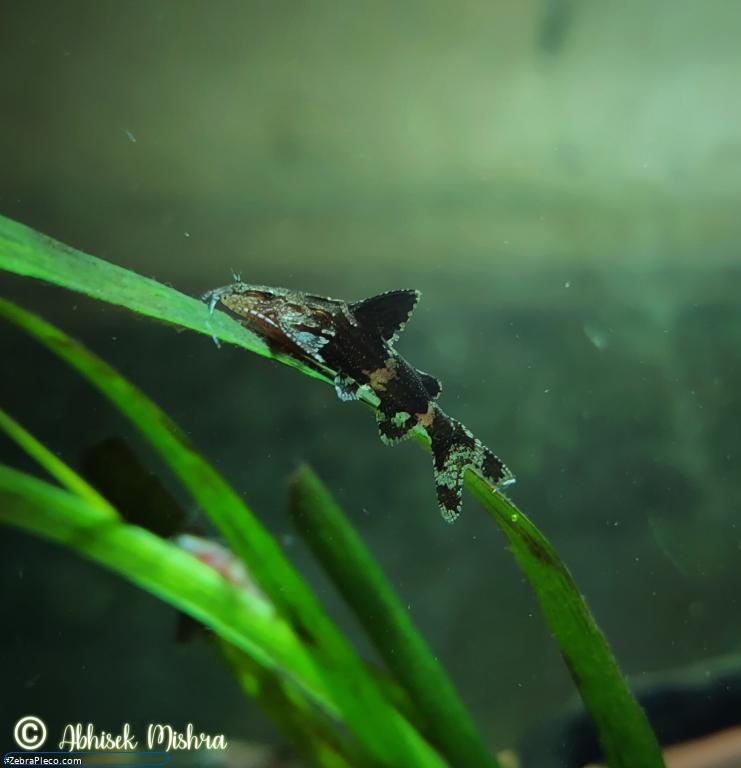
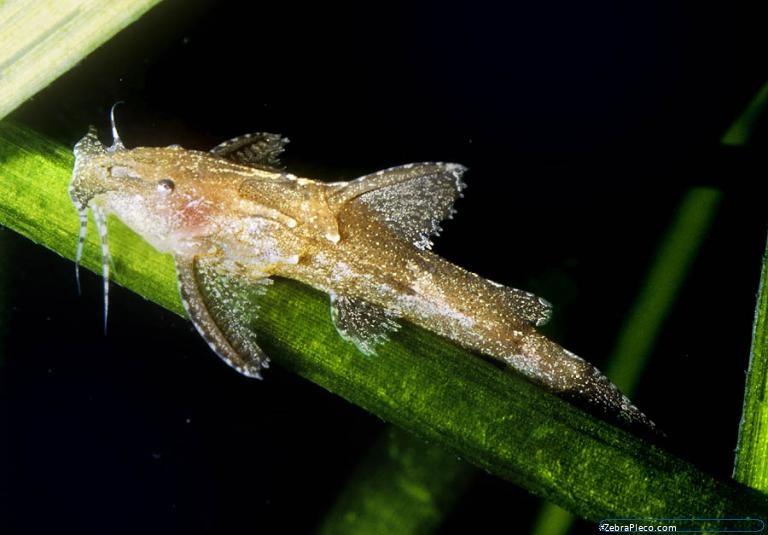
Pseudolaguvia muricata Ng, 2005
Image Showcase
Photographs, diagnostic angles and morphological variants
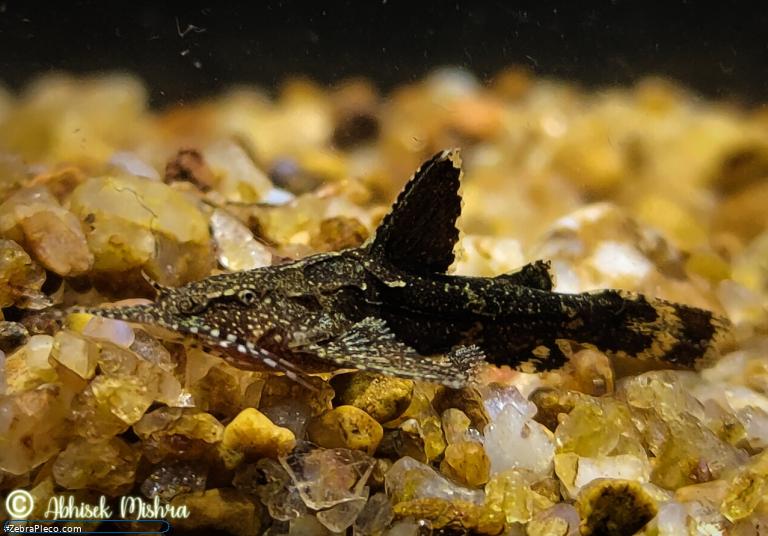
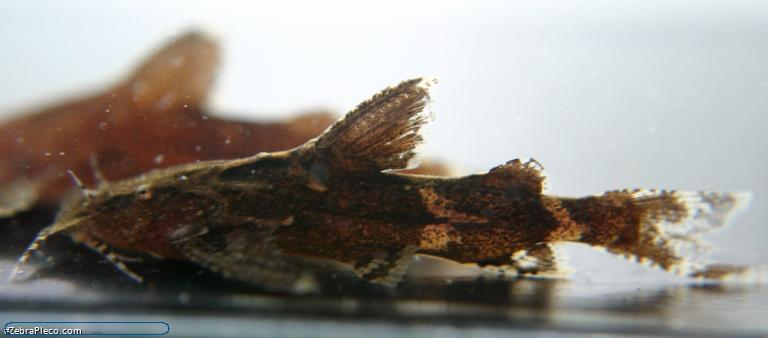
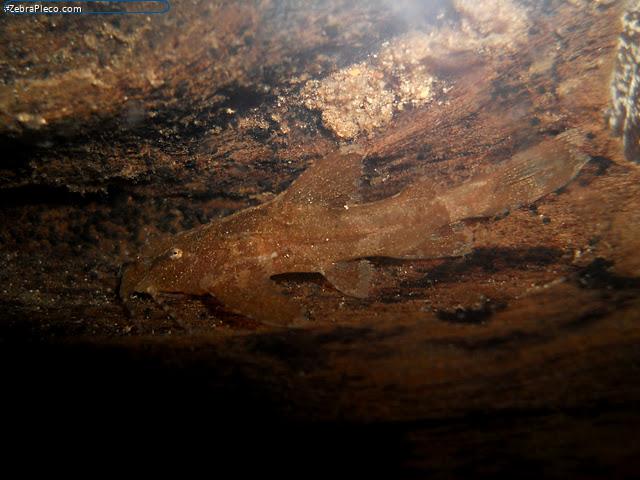
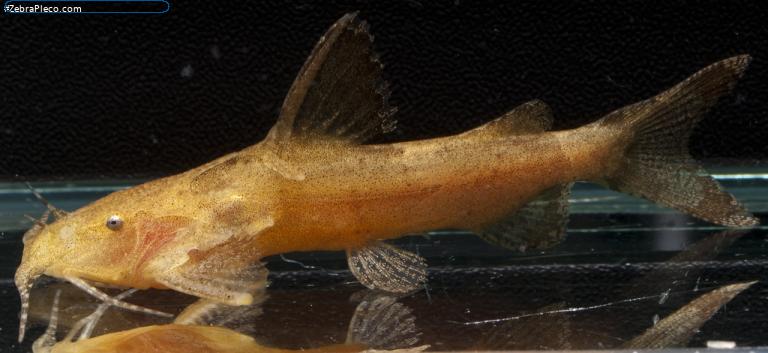
Community & Keeper Tally
Member interactions, breeding records and forum mentions
Aquarium Care & Husbandry
Dietary requirements, tank setup, compatibility and breeding
Feeding & Diet
Known to take only live food like blood worms, frozen brine shrimp etc. Spot feeding will help in case tank mates are voracious feeders. [View Member Food Stats]
Aquarium Furniture & Decor
Fine sand for the bottom and smooth pebbles / rocks. The type locality of P. muricata is a clear, shallow, slow-flowing stream with a mixed substrate of sand and detritus, with the fish being found amongst detritus in areas with current.
Compatibility & Suggested Tankmates
A peaceful species suitable for a hillstream biotope.Extreme care should be taken while choosing their tankmates as these fish are extremely poor at competing for food.
Tankmates: Cyprinids like Barilius and Danios and Balitorine loaches like Homaloptera species. Other fish species found in the same habitat include Barilius barna ,Barilius bendelisis,Barilius tileo ,Devario devario , Oreichthys cosuatis ,Psilorhynchus sucatio, Lepidocephalichthys guntea ,Acanthocobitis botia,Schistura corica,Schistura savona,Amblyceps mangois , Mystus bleekeri , Olyra longicaudata ,Conta conta , Hara jerdoni , Pseudolaguvia ribeiroi, Pseudolaguvia shawi , Aplocheilus panchax ,Xenentodon cancila , Microphis deocata , Chanda nama, Parambassis baculis ,Parambassis ranga ,Channa gachua , Ctenops nobilis , Badis badis , Nandus nandus , Glossogobius giuris , Mastacembelus pancalus and Tetraodon cutcutia .
Breeding Notes
Unreported in the aquarium.
Habitat & Water Parameters
Natural distribution, biotope water conditions and temperature ranges
Geographic Distribution
Asia: Brahmaputra River drainage in Bangladesh.
Indian waters, North Eastern India Waters, Padma, Jamuna, Brahmaputra (click on these areas to find other species found there)
Login to view the map.
Species Description & Identification
Morphology, diagnostic traits and sexual dimorphism
Identification
Members of the genus Pseudolaguvia are small erethistid catfishes inhabiting hill streams and large rivers in the area bordered by the Ganges River drainage (northern India) to the west and the Sittang River drainage (east-central Myanmar) to the east. They can be distinguished from other sisorids by their small size,a combination of a thoracic adhesive apparatus with a median depression and prominent postcoracoid processes.
Pseudolaguvia muricata differs from congeners in having longer dorsal (21.2–26.7% SL vs. 14.3–21.7) and pectoral (26.8–35.7% SL vs. 15.9–23.3) spines. It can be further distinguished from P. foveolata in having a thoracic adhesive apparatus reaching beyond (vs. not reaching) the base of the last pectoral-fin ray, a shorter caudal peduncle(12.6–15.7% SL vs. 20.7) and fewer vertebrae (28–30 vs. 33); P. kapuri in having a shorter adipose-fin base (12.3–16.1% SL vs. 17.1–18.8); from P. ribeiroi in having a shorter caudal peduncle (12.6–15.7% SL vs. 16.4–18.2); and from P. inornata in having (vs.lacking) light brown patches on the body and a shorter caudal peduncle (12.6–15.7% SL vs. 16.3–19.0). Pseudolaguvia muricata further differs from P. shawi in lacking a colour pattern of strongly contrasting brown and yellow bands and a larger interorbital distance (31.4–36.7% HL vs. 23.4–29.6); from P. tenebricosa in having a shorter caudal peduncle (12.6–15.7% SL vs. 16.9–18.9); and from P. tuberculata in having a shorter adipose-fin base (12.3–16.1% SL vs. 16.8–22.7) and caudal peduncle (12.6–15.7% SL vs. 16.2–20.1).
Taxonomy, Synonyms & Etymology
Classification history, linguistic derivations and variant forms
Pronunciation
sue doh lah GOO vee ah - mew ree caata
Etymology
From the Latin muricata, meaning spiny (like a murex), in reference to the elongate dorsal and pectoral-fin spines of this species. Used as an adjective.
Literature & Resources
Scientific publications, external links and citation tools
Literature & References
External Databases
Related Searches