PAGE_HEADER
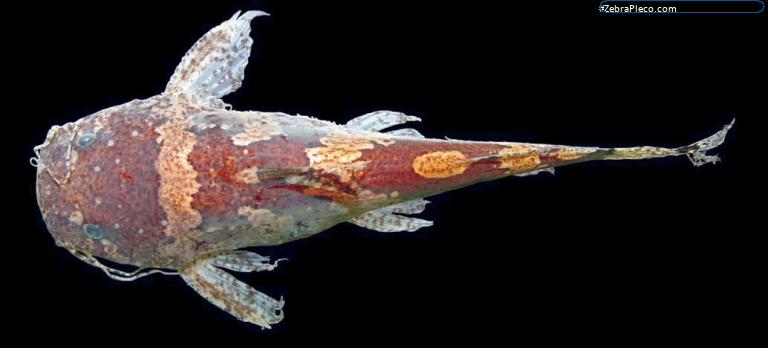
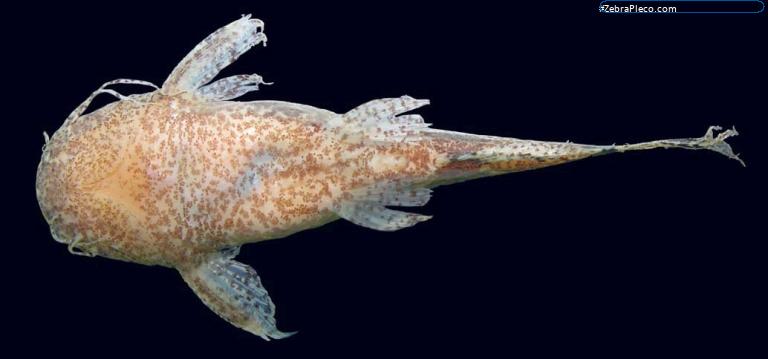
Microglanis carlae Vera Alcaraz, da Graça & Shibatta, 2008
Image Showcase
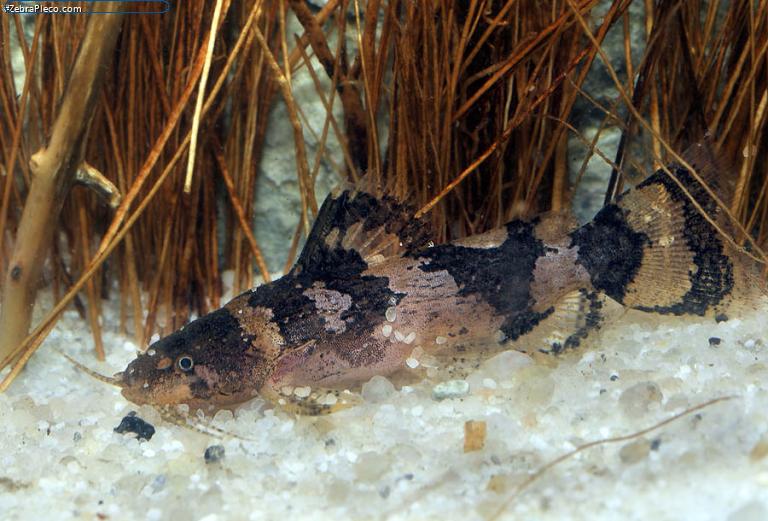
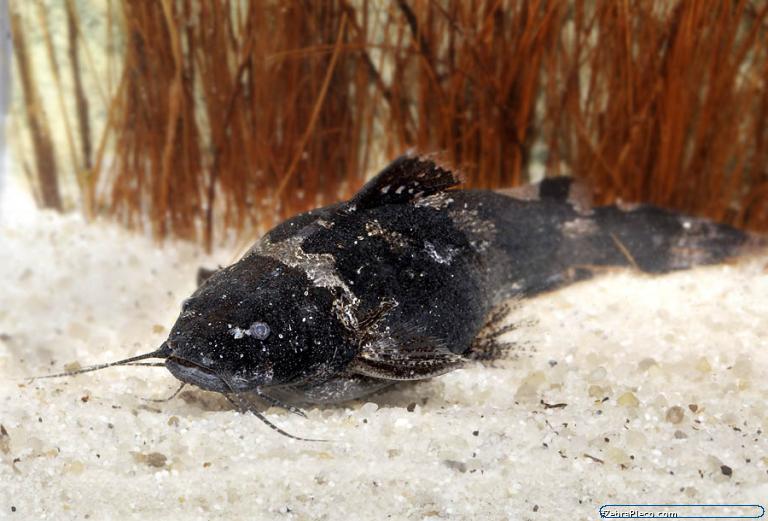
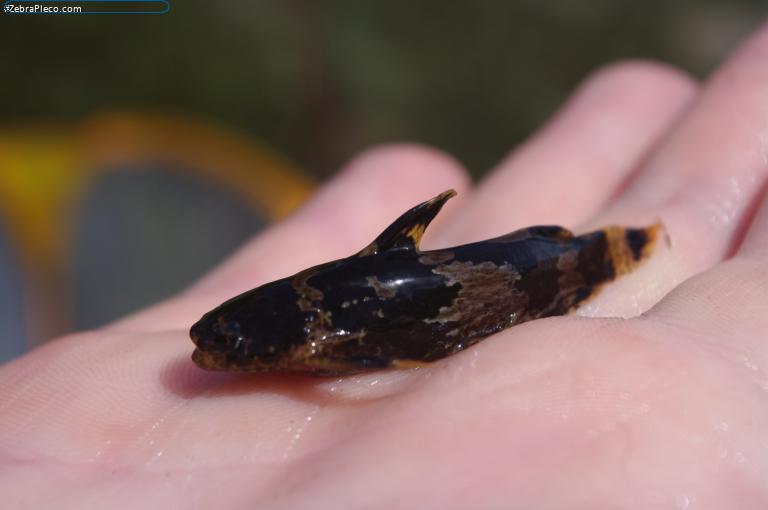
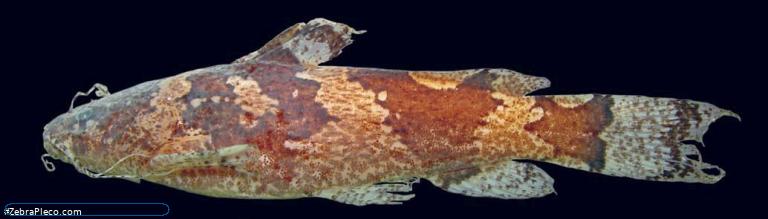
Photographs, diagnostic angles and morphological variants
Community & Keeper Tally
Member interactions, breeding records and forum mentions
Aquarium Care & Husbandry
Dietary requirements, tank setup, compatibility and breeding
Feeding & Diet
According to the original description the stomach contents of two specimens included algae and insect larvae. [View Member Food Stats]
Compatibility & Suggested Tankmates
Non aggressive and sociable with its own and other species.
Tankmates: Virtually all good community fish, although any young fry present in the aquarium will be in extreme jeopardy - especially after dark.
Breeding Notes
Unreported in the aquarium.
Habitat & Water Parameters
Natural distribution, biotope water conditions and temperature ranges
Geographic Distribution
South America: Río Paraguay basin in Paraguay.
La Plata, Paraná, Paraguay (click on these areas to find other species found there)
Login to view the map.
Species Description & Identification
Morphology, diagnostic traits and sexual dimorphism
Identification
The genus Microglanis was described by Eigenmann
(1912) to include small pimelodids with the head as wide as long, the skull covered by skin only; the occipital crest small; frontal fontanel not extending much if any behind the eye, and a minute occipital fontanel sometimes present; eye without a free orbital margin; dorsal and pectoral spines well developed; and premaxillary patches of teeth without backward projecting angles.
From original description:
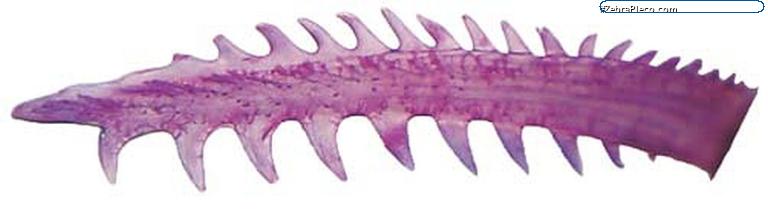
The following combination of characters distinguishes Microglanis carlae from its congeners: paired and anal fins mottled or with thin faint bands, trunk with dark-brown saddles, anterior margin of pectoral spine with serrations retrorse proximally and antrorse distally, tip of pectoral spine as a distinct bony point, continuous portion of lateral line reaching vertical through last dorsal-fin ray, caudal peduncle with irregularly shaped, faint to dark blotch, maxillary barbel surpassing vertical through dorsal-spine origin, and dark bar on posterior flank continuous from base of adipose fin to that of anal fin.
Sexual Dimorphism (Sexing)
Analysis of the reproductive condition in six specimens indicated adult males to be about 23 mm SL and females to be about 25 mm SL.
Taxonomy, Synonyms & Etymology
Classification history, linguistic derivations and variant forms
Etymology
Micro - small, glanis - catfish - in reference to the rather small forms of catfish that this genus contains. The specific name is in honour of Carla Simone Pavanelli for her contributions to Neotropical Ichthyology.
There is 1 other speciesHoplisoma carlae with this specific name.
Literature & Resources
Scientific publications, external links and citation tools
Literature & References
External Databases
Related Searches