PAGE_HEADER
Avalithoxus jantjae (Lujan, 2008)
Image Showcase
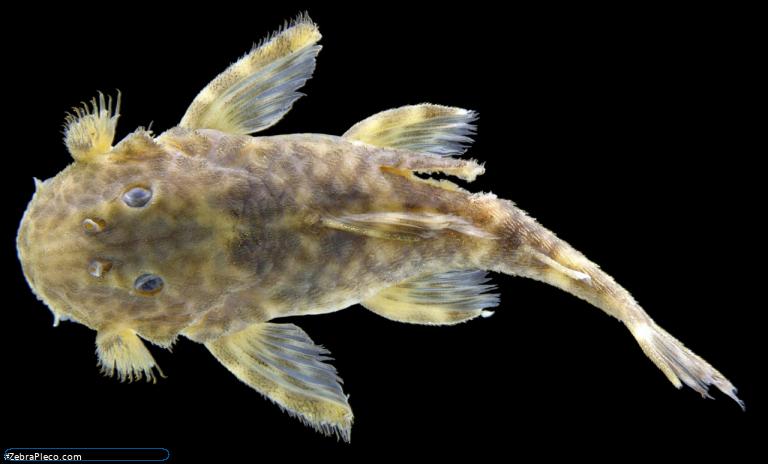
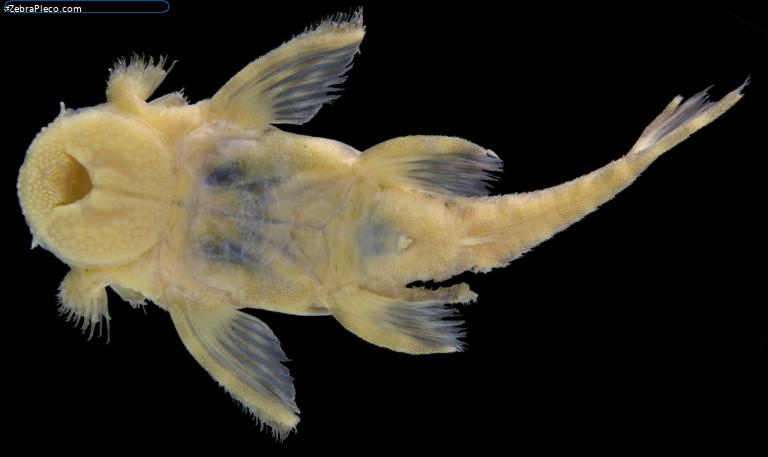
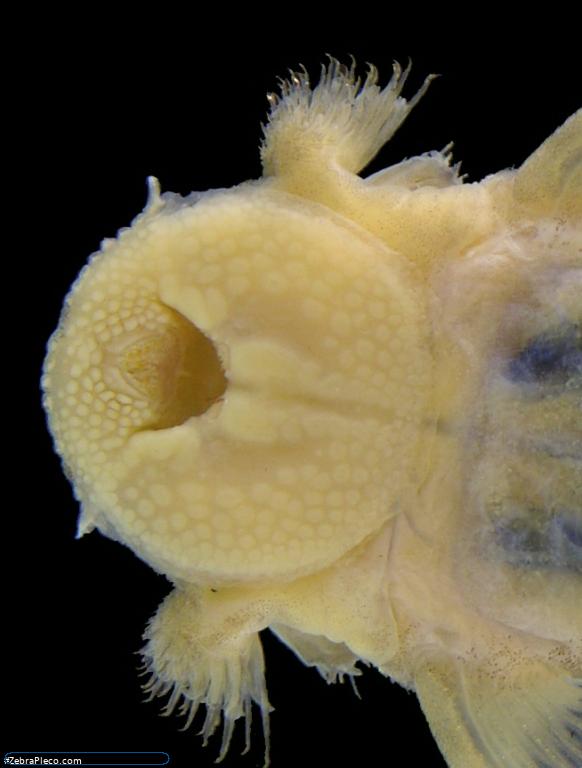
Photographs, diagnostic angles and morphological variants

Community & Keeper Tally
Member interactions, breeding records and forum mentions
Aquarium Care & Husbandry
Dietary requirements, tank setup, compatibility and breeding
Breeding Notes
Unreported in the aquarium.
Habitat & Water Parameters
Natural distribution, biotope water conditions and temperature ranges
Geographic Distribution
South America: above Tencua Falls, Ventuari River of the upper Orinoco in Venezuela.
Orinoco, Upper Orinoco, Ventuari (click on these areas to find other species found there)
Login to view the map.
Species Description & Identification
Morphology, diagnostic traits and sexual dimorphism
Identification
Avalithoxus can be distinguished from other
species of Lithoxini by having 12 branched caudal fin
rays (vs. 14 or 13), four branched anal-fin
rays (vs. 5), five interdorsal plates (vs. 6 to 9), at most low hemispherical papillae around the oral disc margin (vs. digitate papillae), and a maximum of 25 hypertrophied cheek odontodes (mode, 18; range, 16–25) vs. a maximum of 21 (mode, 12; range, 5–21).
The only known species in Lithoxus with 12 caudal fin rays (others have 14)
Taxonomy, Synonyms & Etymology
Classification history, linguistic derivations and variant forms
Synonyms
Lithoxus jantjae
Pronunciation
AH vah lith OX uss. - yahnt jee
Etymology
Avalithoxus is a portmanteau of the Latin word ava, meaning ‘grandmother’, and the genus name Lithoxus. It refers to both the apparently basal position of this lineage and the matronym of the type species, which honoured Jeanne Lujan, the author's mother. Matronym honoring the author's mother, nicknamed Jantje prior to her emigration from the Netherlands
Literature & Resources
Scientific publications, external links and citation tools
Literature & References
External Databases
Related Searches