PAGE_HEADER
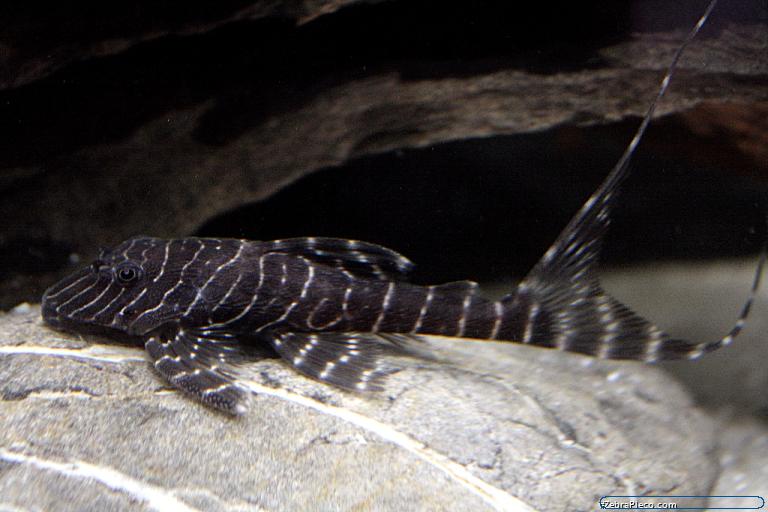
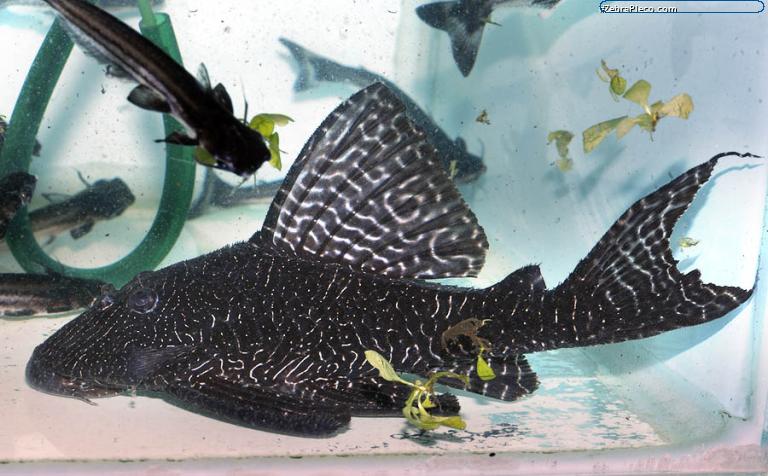
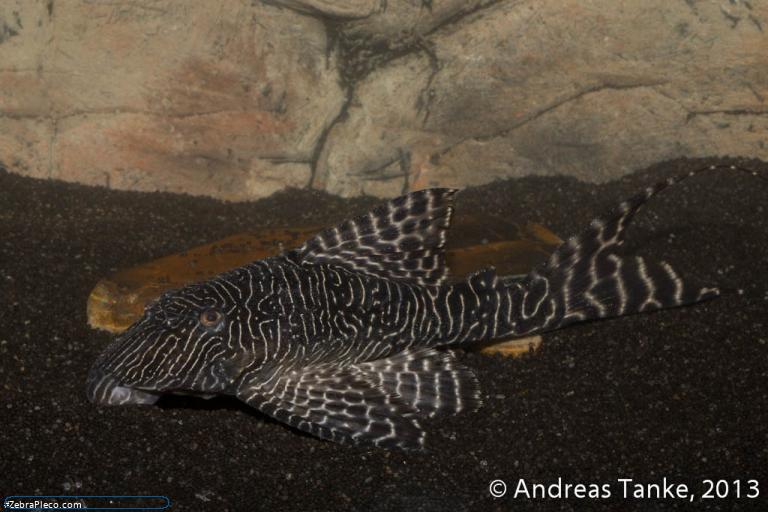
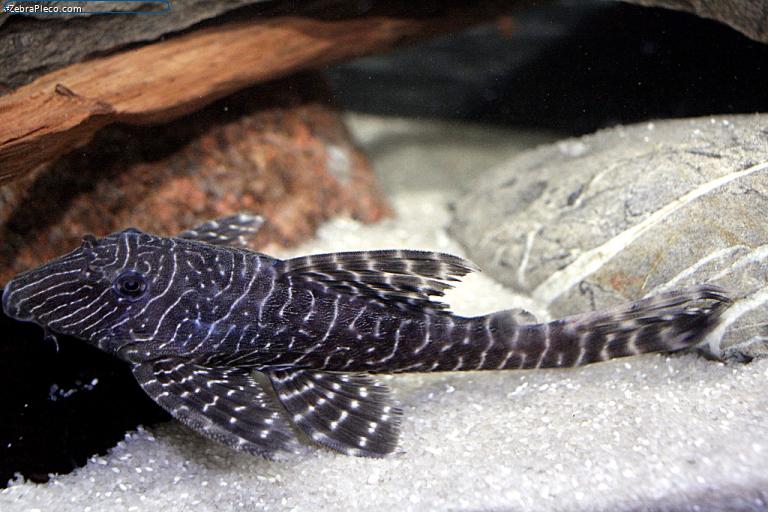
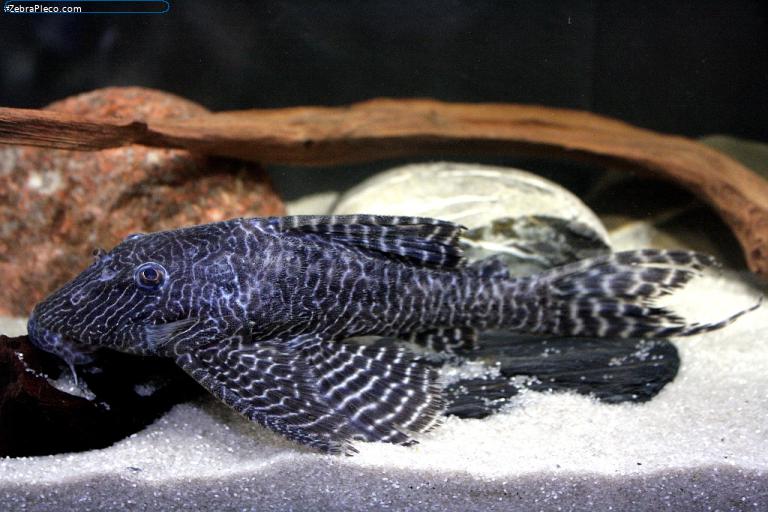
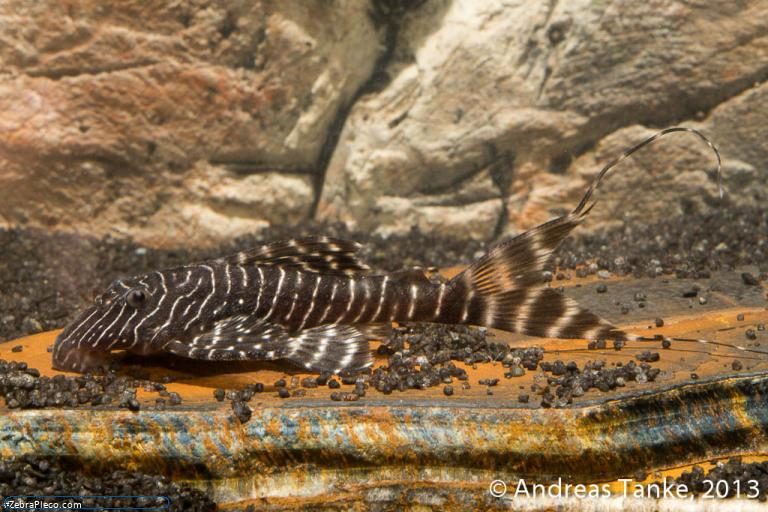
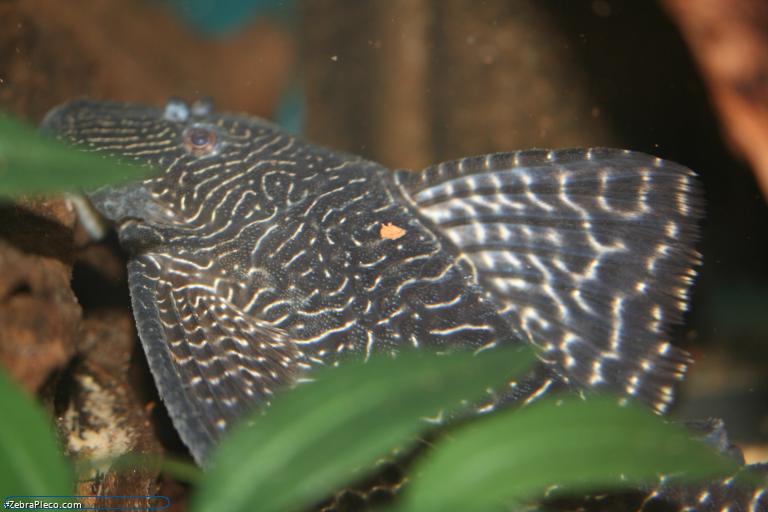
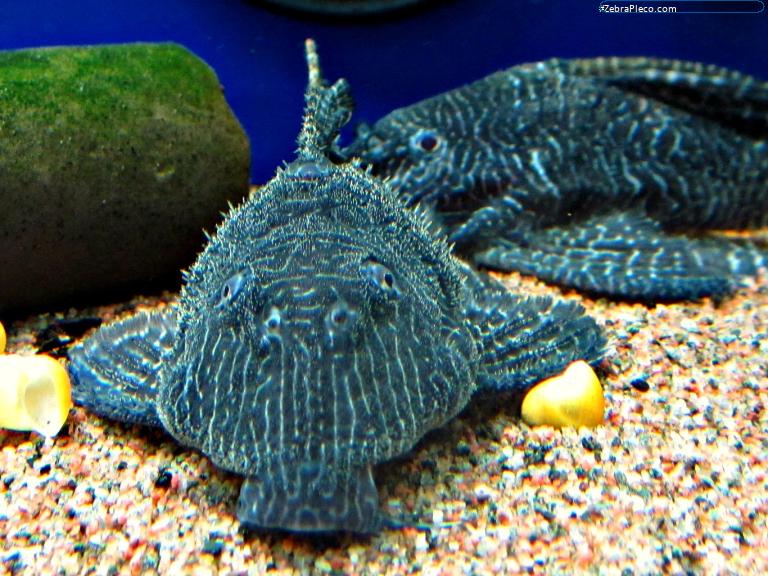
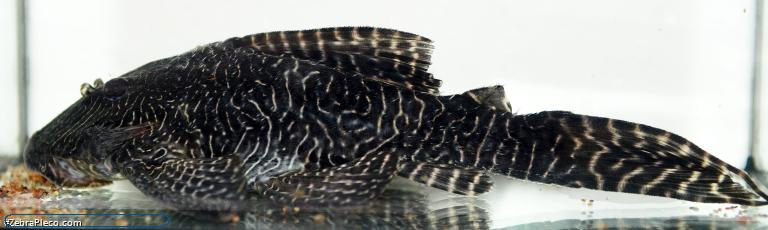
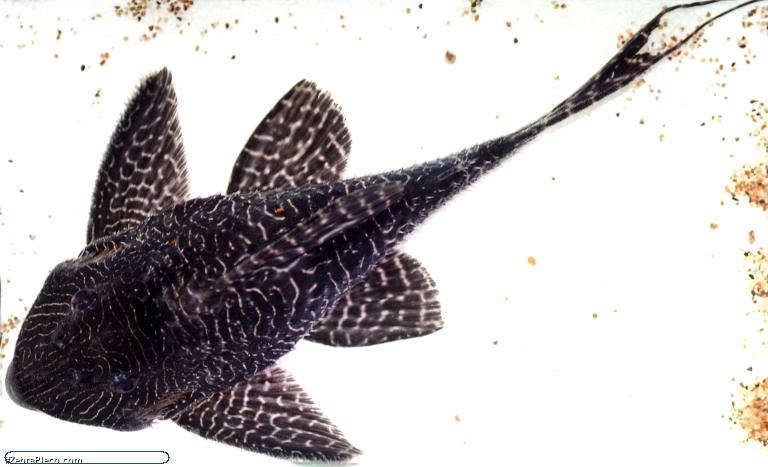
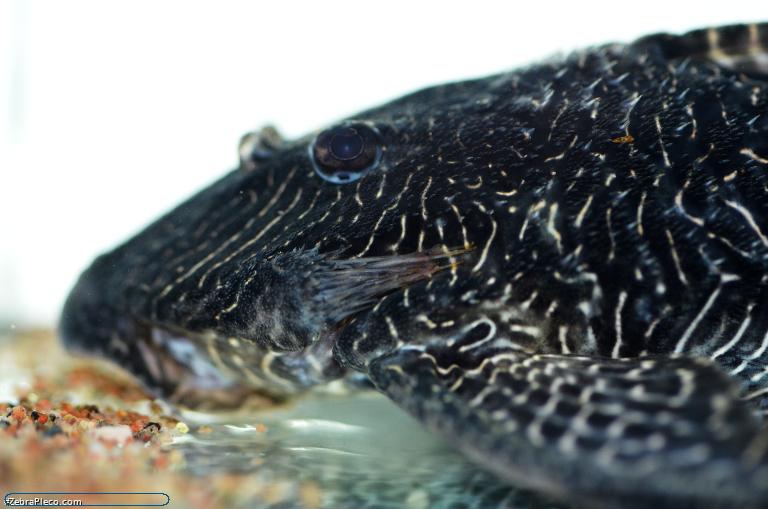
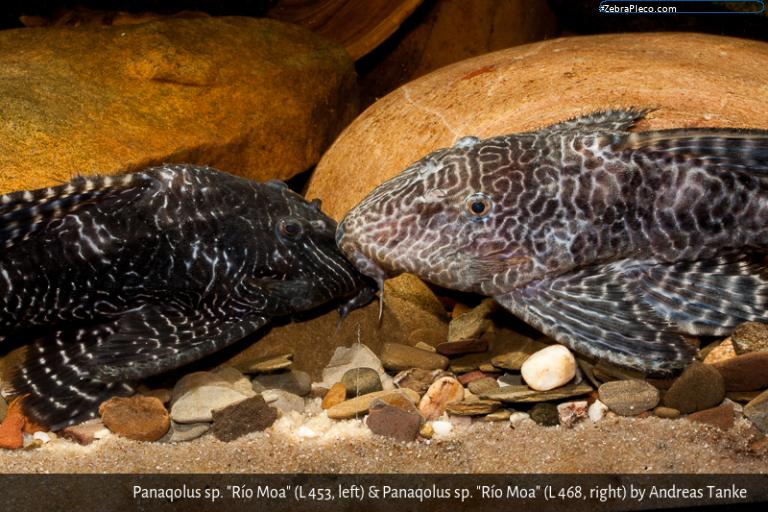
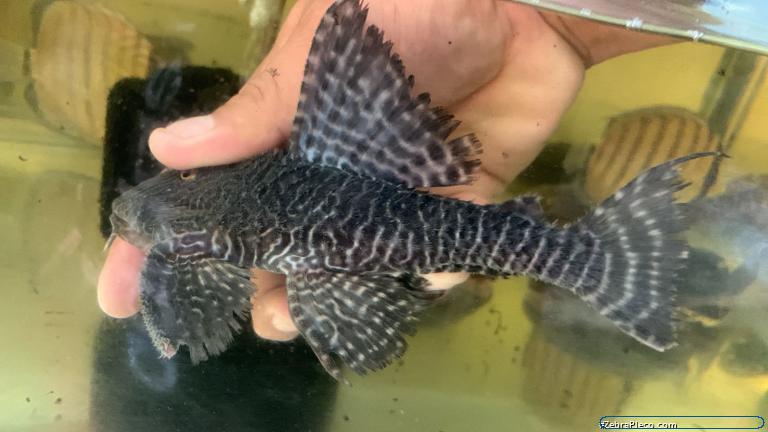
Panaqolus sp. (L453)
Image Showcase
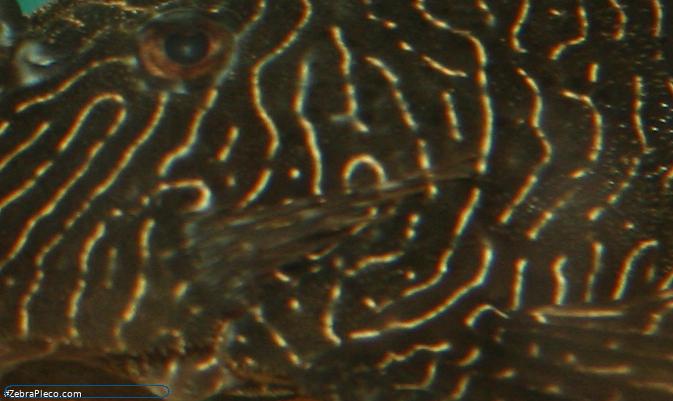
Photographs, diagnostic angles and morphological variants
Community & Keeper Tally
Member interactions, breeding records and forum mentions
Aquarium Care & Husbandry
Dietary requirements, tank setup, compatibility and breeding
Feeding & Diet
This genus feeds on wood, and should have several pieces, preferably several kinds of wood to chew on. Aside from wood, a mainly vegetarian diet is recommended, prepared food such as algae wafers and fresh vegetables, such as courgette (zucchini) and tubers such as potato or sweet potato (yams). [View Member Food Stats]
Aquarium Furniture & Decor
Rock piles are optional and wood tangles are a must. Plants are not vital and will be nibbled or destroyed.
Compatibility & Suggested Tankmates
Tankmates: Works well with most types of peaceful community fish. Can be somewhat territorial towards conspecifics, but given enough hiding spaces, a group can be kept in a suitable size aquarium - roughly requiring a 30 x 30cm area per fish.
Breeding Notes
Unreported in the aquarium.
Habitat & Water Parameters
Natural distribution, biotope water conditions and temperature ranges
Geographic Distribution
This form - originally imported as Panaque sp. "Iquitos" - was reported to be from the area around Iquitos and hardly ever seen as an import. With the subsequent import of a number of specimens, a different source location - the Rio Moa at the Brazilian-Peruvian border - was reported. These fish were then designated as L453. It appears credible that a species as rare as this does not originate from the surroundings of a large city, but does indeed stem from a remote, hardly accessible spot such as the Rio Moa.
A definitive answer still would probably require collection trips by hobbyists.
Amazon, Juruá, Moa (click on these areas to find other species found there)
Login to view the map.
Species Description & Identification
Morphology, diagnostic traits and sexual dimorphism
Sexual Dimorphism (Sexing)
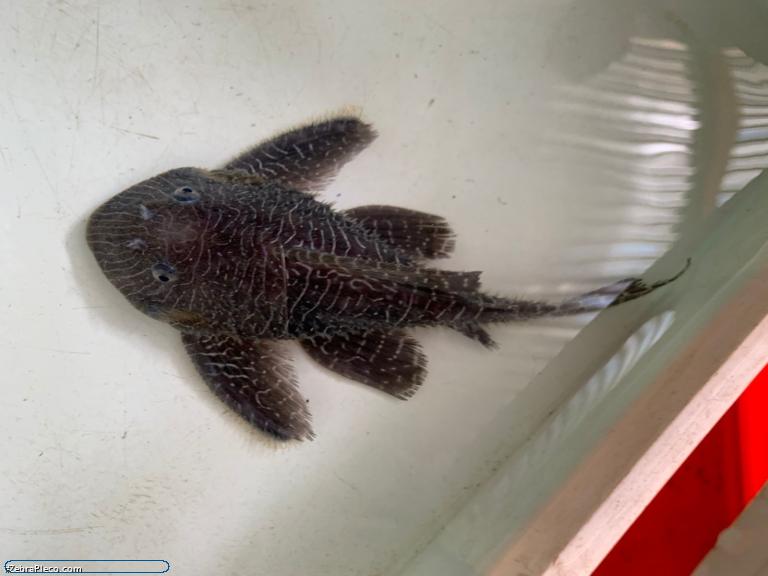
Like all members of the genus, males grow elongated interopercular odontodes during the breeding season. Males develop noticeable odontodes along the dorsum (back of the body) as well. Males develop small pointed genital papillae, whereas mature females will have large, rounded, swollen papillae. Additionally, gravid females have noticeably wider bodies between the pectoral and pelvic fins when viewed from above, compared to males.
Taxonomy, Synonyms & Etymology
Classification history, linguistic derivations and variant forms
Pronunciation
pan ack oh luss
Etymology
Panaqolus: Inelegantly derived from the indigenous term Panaque and in a form that infers a smaller size than that genus.
Literature & Resources
Scientific publications, external links and citation tools
Related Searches