PAGE_HEADER
Centromochlus musaicus (Royero, 1992)
Image Showcase
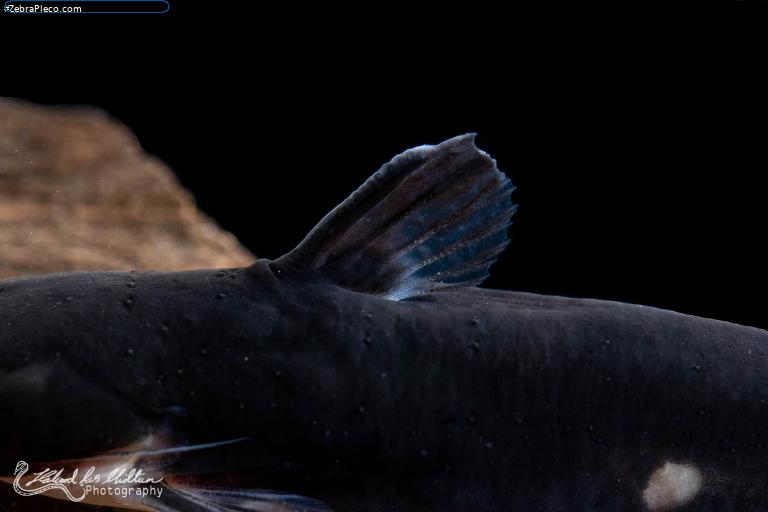
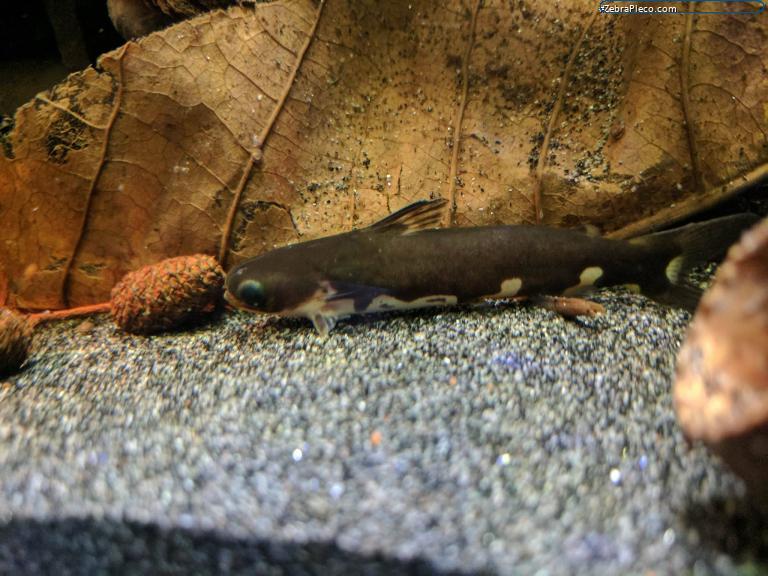
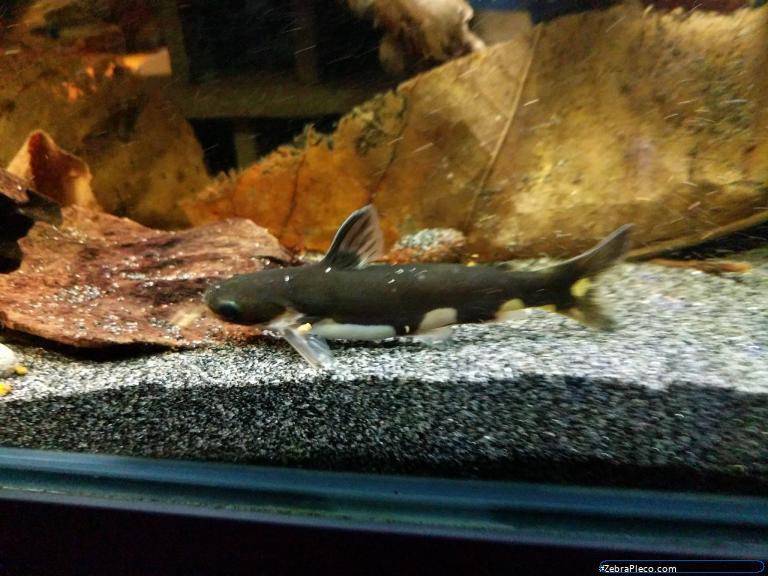
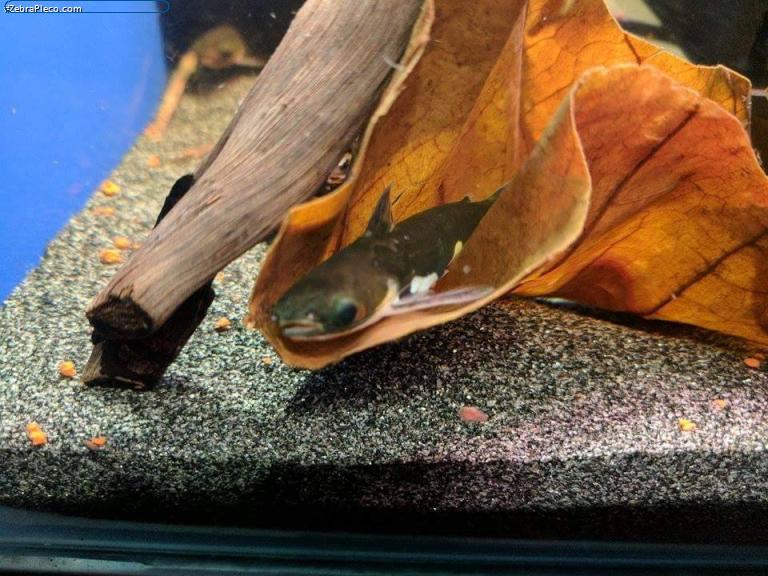
Photographs, diagnostic angles and morphological variants
Community & Keeper Tally
Member interactions, breeding records and forum mentions
Aquarium Care & Husbandry
Dietary requirements, tank setup, compatibility and breeding
Aquarium Furniture & Decor
As the common name for this family, woodcat, implies, these fish like pieces of wood with crevices and gaps to squeeze into. Larger specimens will gregariously take refuge in pipes.
Breeding Notes
Unreported in the aquarium.
Habitat & Water Parameters
Natural distribution, biotope water conditions and temperature ranges
Geographic Distribution
South America: Atabapo and Autana River basins in upper Orinoco River drainage.
Orinoco, Middle Orinoco, Atabapo (click on these areas to find other species found there)
Orinoco, Middle Orinoco, Sipapo, Autana (click on these areas to find other species found there)
Login to view the map.
Species Description & Identification
Morphology, diagnostic traits and sexual dimorphism
Sexual Dimorphism (Sexing)
Males have a modified anal fin similar to the gonopodium found in livebearing toothcarps. Females have a normal anal fin.
General Remarks
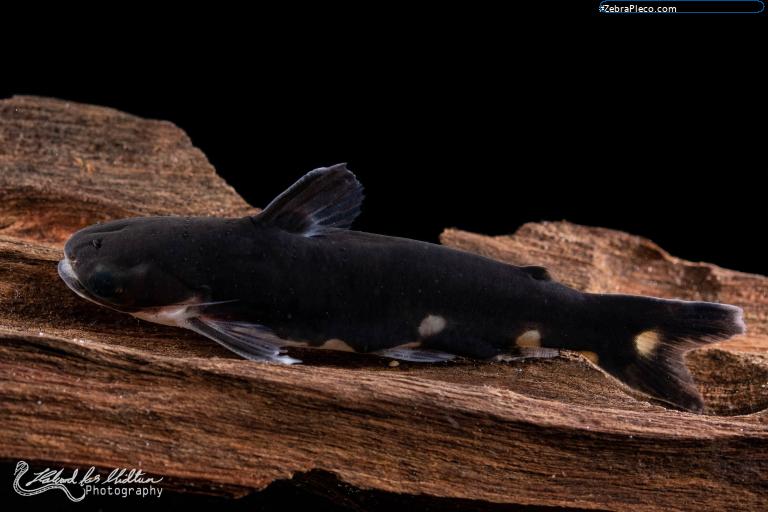
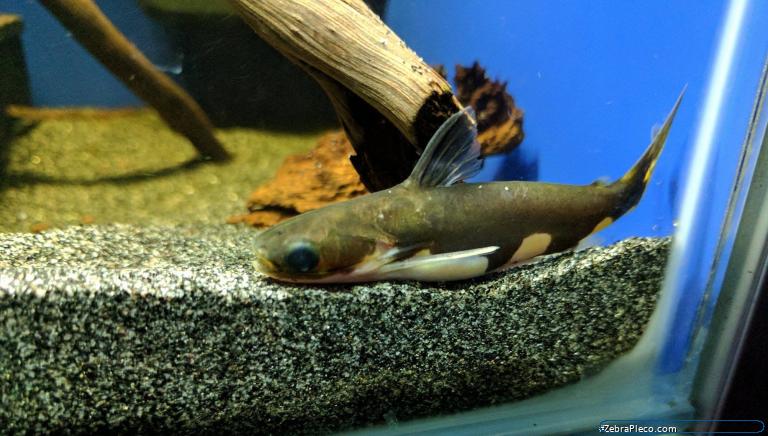
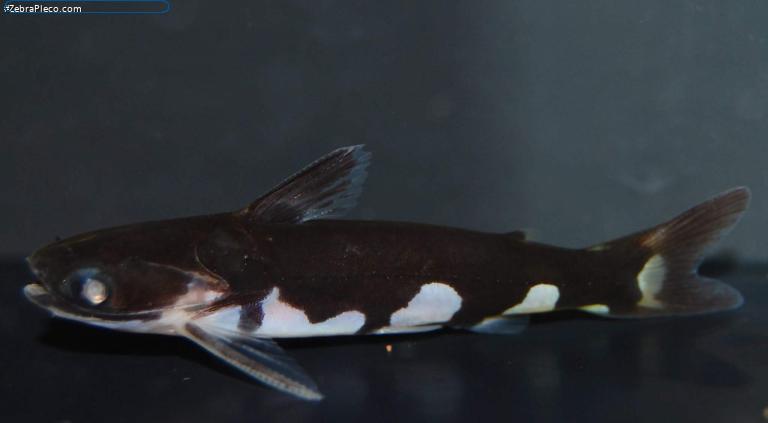
This species is very similar to Centromochlus orca. The two differ in distribution and also in the amount of black pigment on the body. T. musaica has more black on the upper and side body and tail than C. orca.
Taxonomy, Synonyms & Etymology
Classification history, linguistic derivations and variant forms
Synonyms
Tatia musaica
Pronunciation
cent row MOCK luss
Etymology
Centromochlus: From the Greek kenteo, meaning sting and mochlos, meaning lever or crowbar; in reference to the long spines.
Literature & Resources
Scientific publications, external links and citation tools
Description Reference
Acta Cientifica Venezolana v. 43 (no. 5), pp 301, Figs. 1-3, 4a, 5-6.
External Databases
Related Searches