PAGE_HEADER
Phyllonemus filinemus Worthington & Ricardo, 1937
Image Showcase
Photographs, diagnostic angles and morphological variants
Community & Keeper Tally
Member interactions, breeding records and forum mentions
Aquarium Care & Husbandry
Dietary requirements, tank setup, compatibility and breeding
Aquarium Furniture & Decor
Prefers rock work over driftwood or plants. Will make its home in small crevices.
Breeding Notes
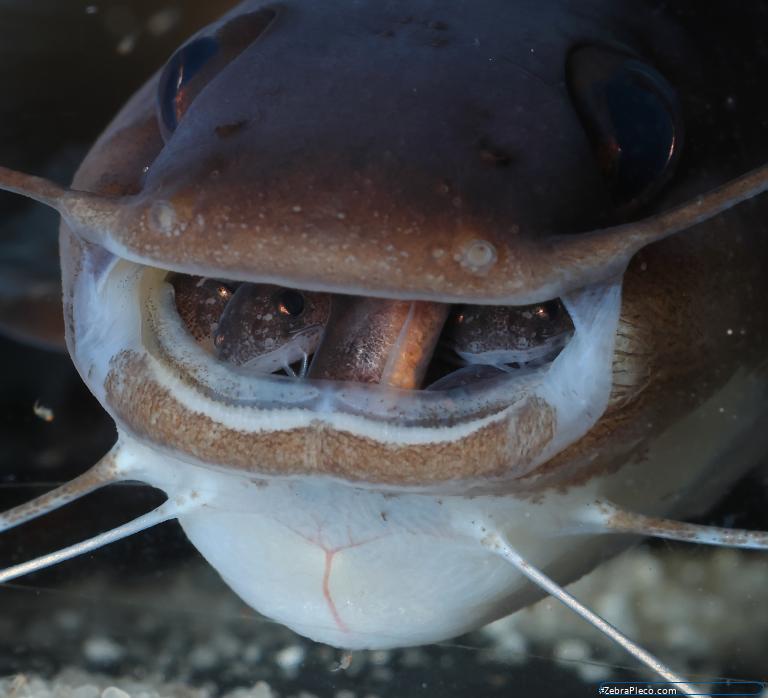
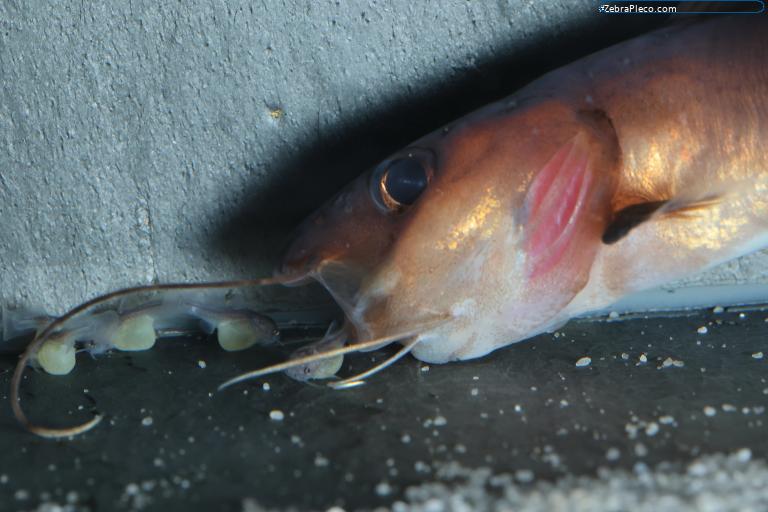
A biparental mouth brooder. Male and female form a strong pair bond before mating and caring for young, with the male and/or female incubating and hatching the eggs in their mouth.
Habitat & Water Parameters
Natural distribution, biotope water conditions and temperature ranges
Geographic Distribution
Africa: Lake Tanganyika.
African Waters, Western Rift Valley Lakes, Tanganyika (click on these areas to find other species found there)
Login to view the map.
Species Description & Identification
Morphology, diagnostic traits and sexual dimorphism
Identification
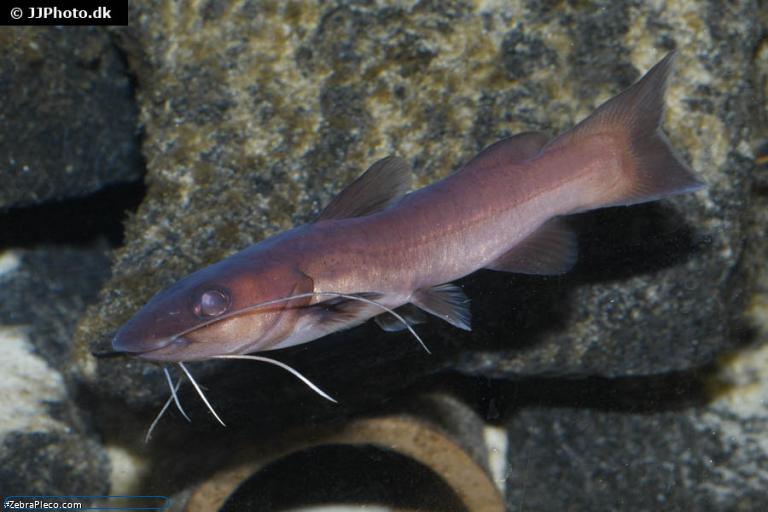
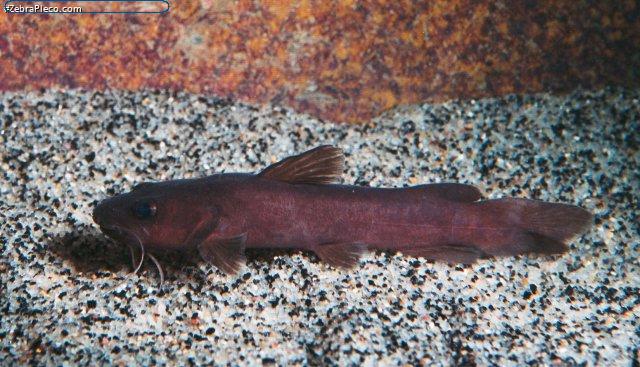
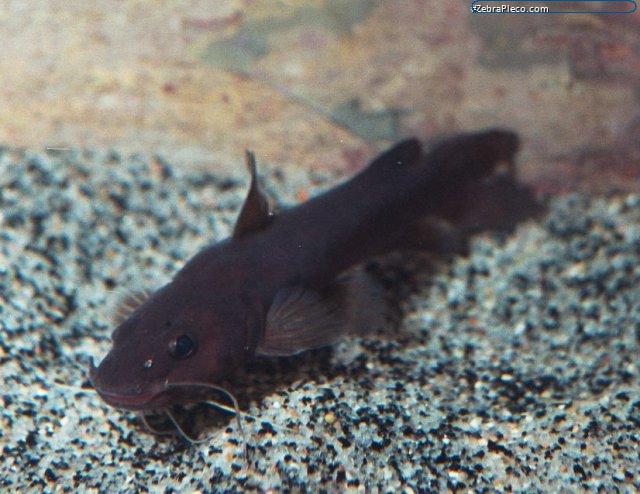
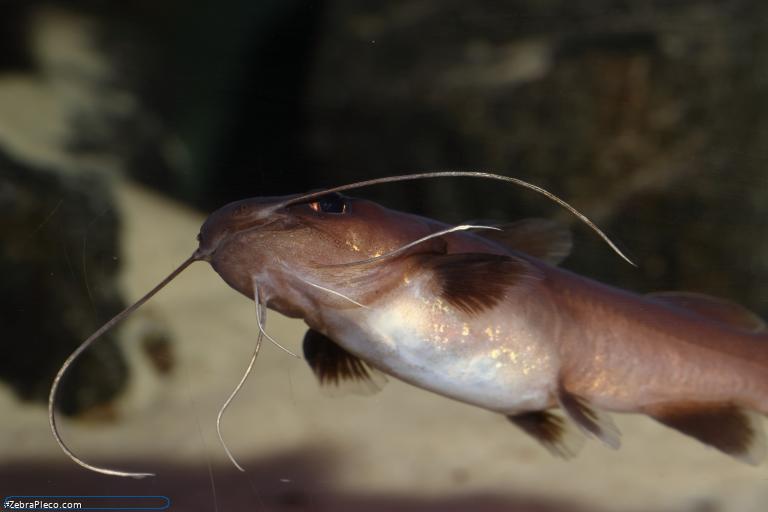
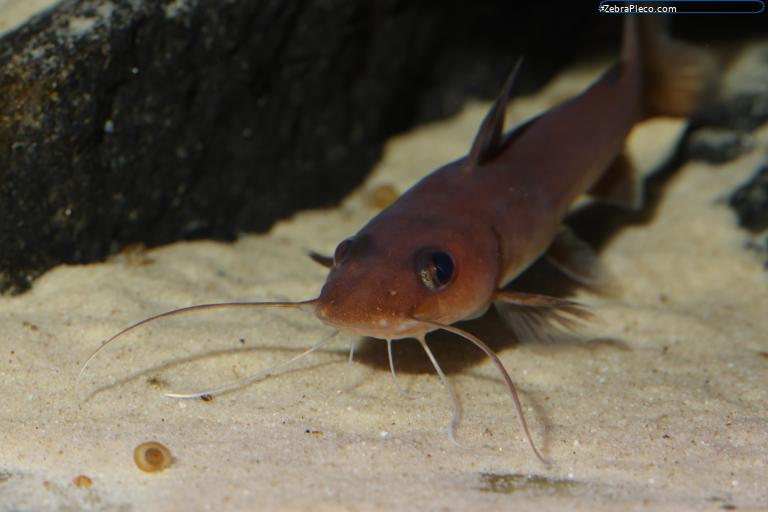
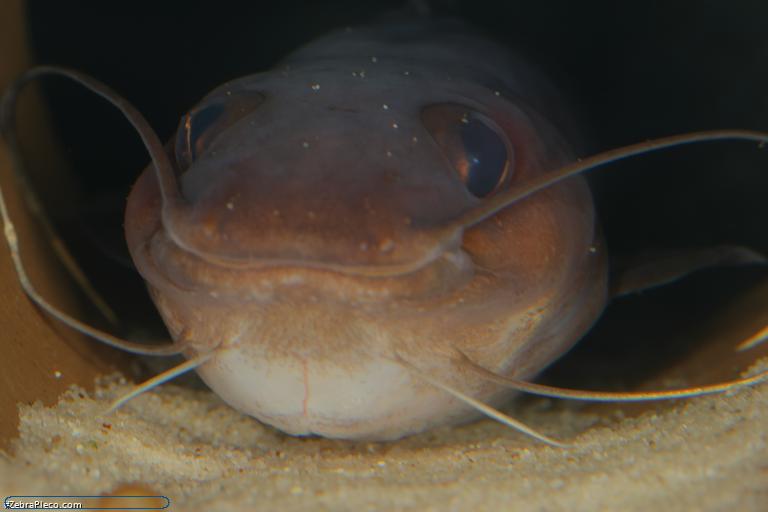
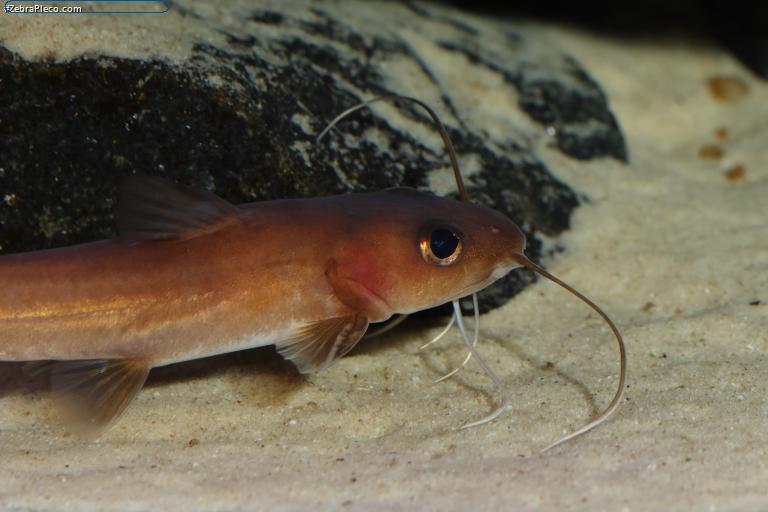
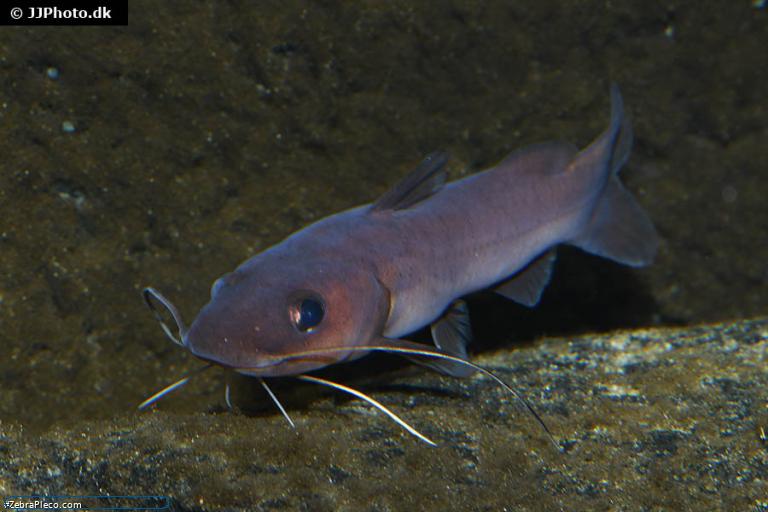
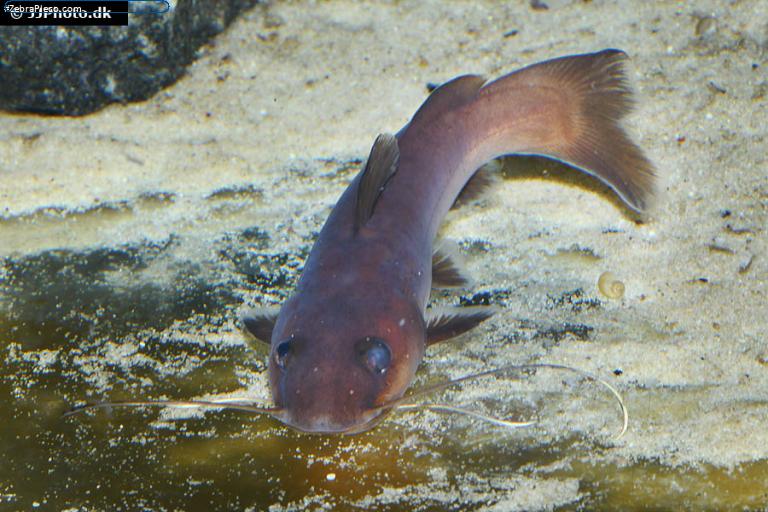
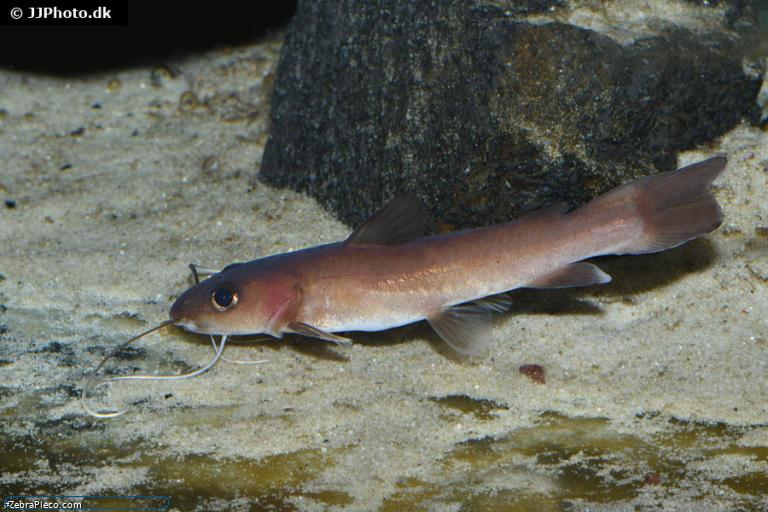
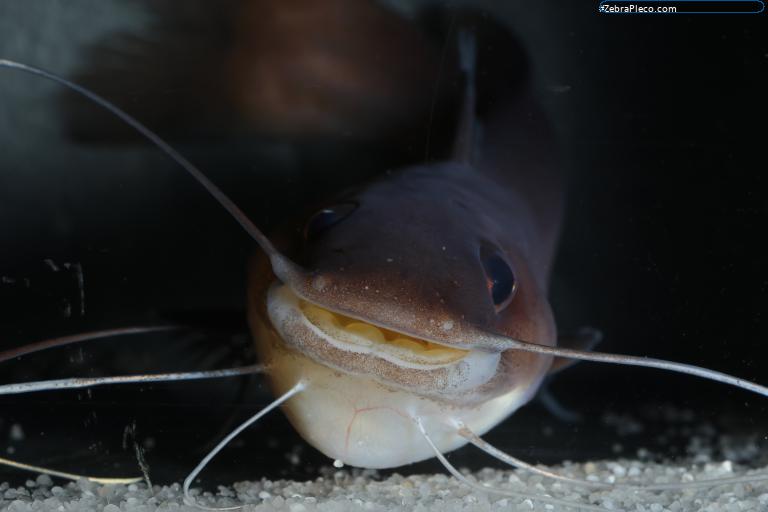
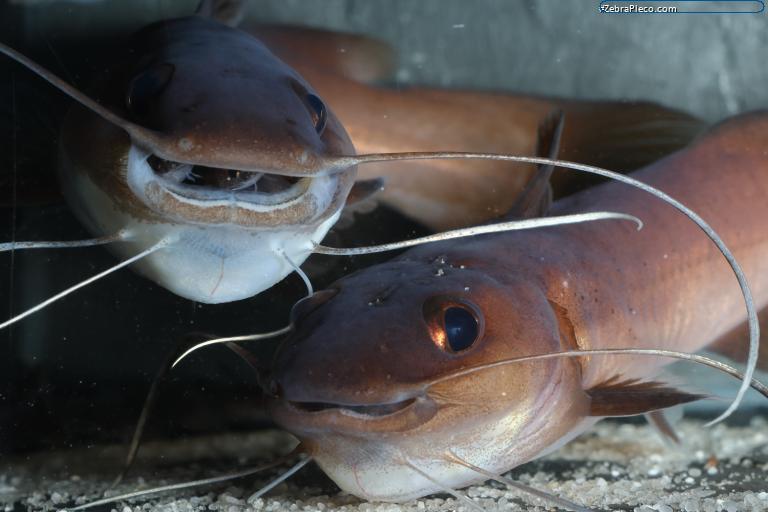
Distinguished from P. typus by having no spatula shaped ending on the maxillary barbels. Pectoral and pelvic fins dusky, body dark.
General Remarks
Inhabits inshore waters to 20 m in depth. Nocturnally active and concealing itself during the day in rock/rubble. General care should be similar to P. typus. See also Biparental mouthbrooding of the catfish Phyllonemus filinemus in Lake Tanganyika, Ochi, Rossiter, Yanagisawa. Bagrid Catfishes from Lake Tanganyika, with a Key and Descriptions of New Taxa. UMMZ, Ann Arbor.
Taxonomy, Synonyms & Etymology
Classification history, linguistic derivations and variant forms
Pronunciation
fie low NEE muss
Etymology
The generic name comes from the Greek phyllos, meaning leaf and nema, meaning thread, in reference to the distinctive barbel shape of the type species Phyllonemus typus.
Literature & Resources
Scientific publications, external links and citation tools
Literature & References
External Databases
Related Searches