
PAGE_HEADER
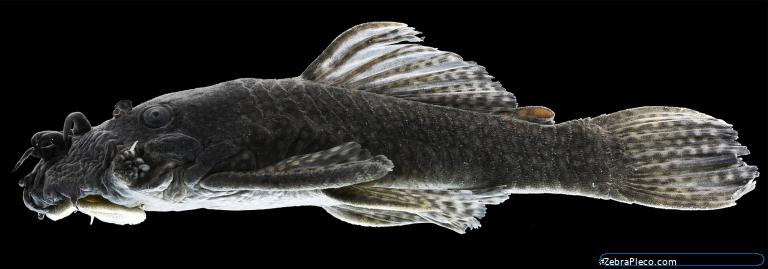
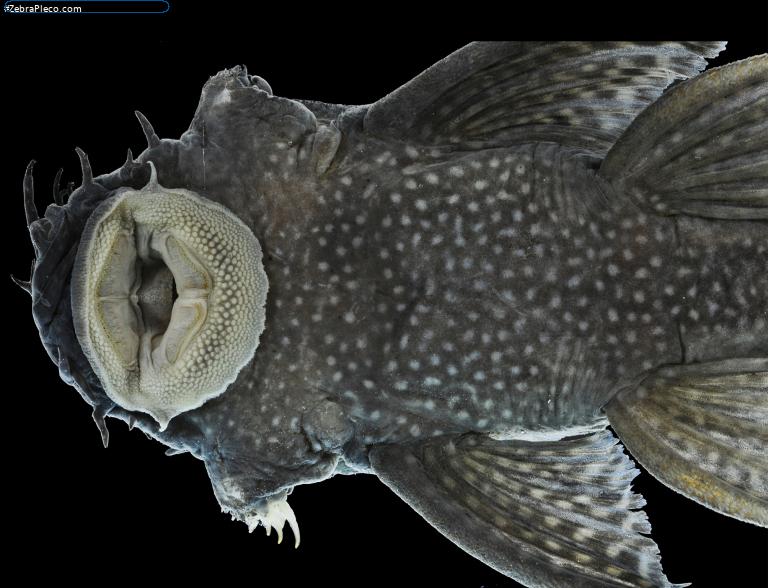
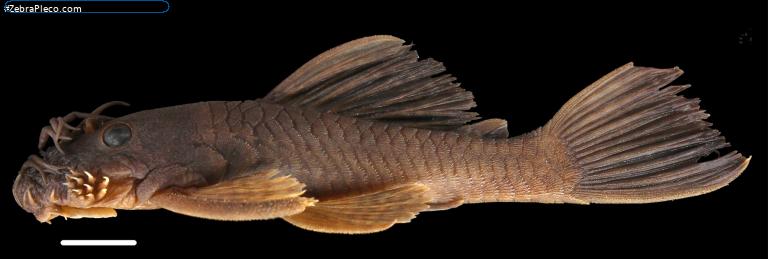
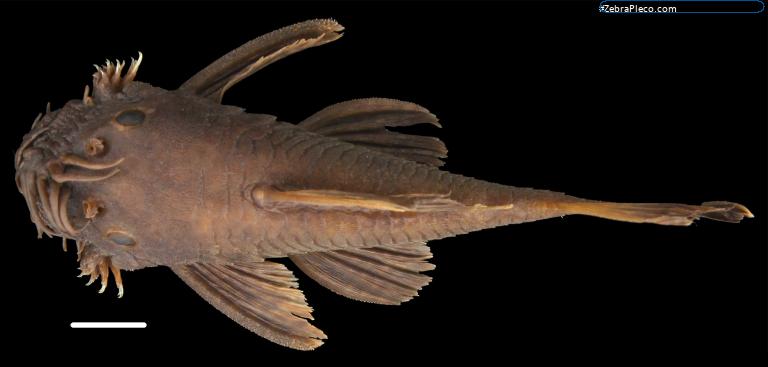
Ancistrus trinitatis (Günther, 1864)
Image Showcase
Photographs, diagnostic angles and morphological variants
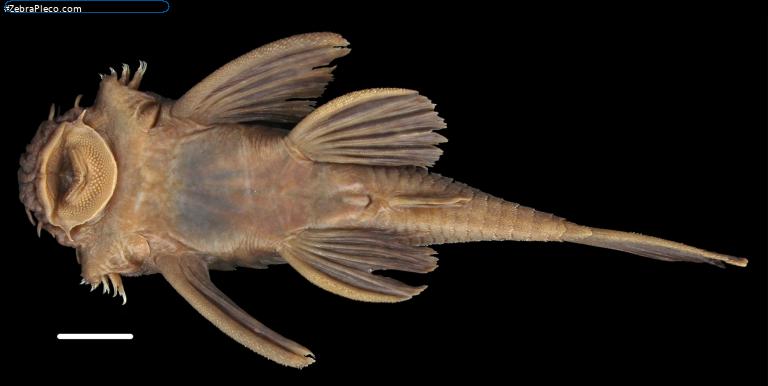
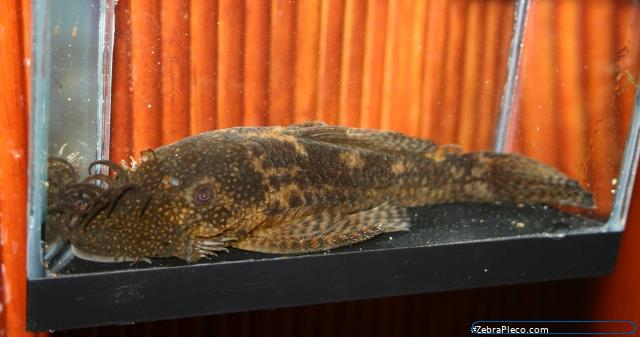
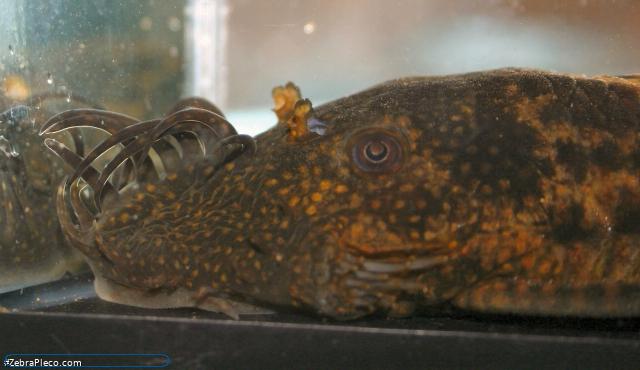
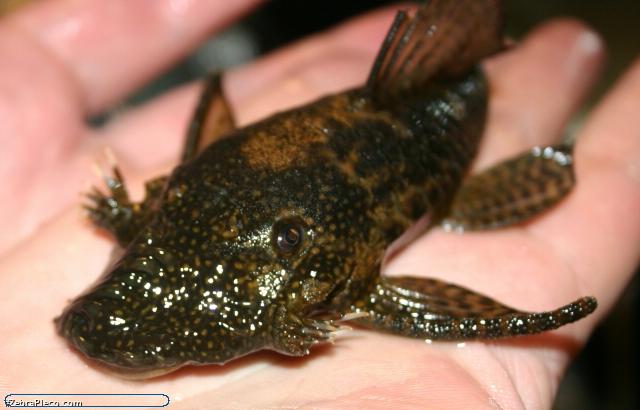
Community & Keeper Tally
Member interactions, breeding records and forum mentions
Aquarium Care & Husbandry
Dietary requirements, tank setup, compatibility and breeding
Feeding & Diet
Ancistrus should be fed mainly on vegetarian foods. Prepared foods include algae wafers and spirulina based sinking food. Vegetables such as courgette/zucchini, and (English) cucumber are an excellent addition to the diet, along with the odd, small amount of more meaty foods. [View Member Food Stats]
Compatibility & Suggested Tankmates
A good complement to most aquariums, they are not aggressive to other species. Males may fight over territory if kept in too small a tank.
Tankmates: Appropriate with most community fish that aren't overly big or aggressive.
Breeding Notes
Unreported in the aquarium.
Habitat & Water Parameters
Natural distribution, biotope water conditions and temperature ranges
Geographic Distribution
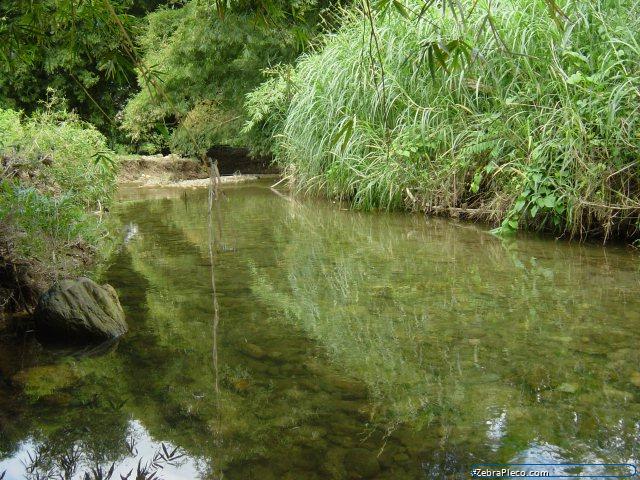
Central America: Trinidad Island in Trinidad and Tobago.
Trinidad rivers (click on these areas to find other species found there)
Login to view the map.
Species Description & Identification
Morphology, diagnostic traits and sexual dimorphism
Identification
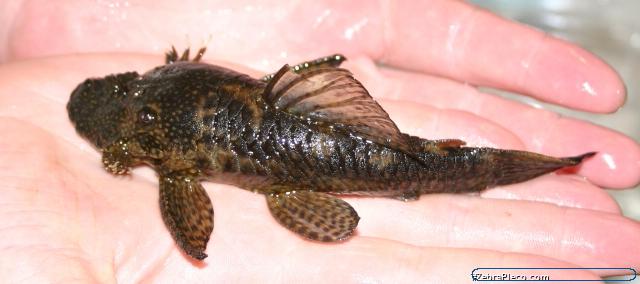
Mature males and sometimes females have soft tentacles (bushy fleshy growths) on the snout - this is unique to the genus Ancistrus.
A large species endemic to the island.
Sexual Dimorphism (Sexing)
Males develop soft tentacles on the head and while sometimes females also do, it is never to the grand extent of those found on that of the conspecific male.
Taxonomy, Synonyms & Etymology
Classification history, linguistic derivations and variant forms
Synonyms
Ancistrus maracasae, Chaetostoma trinitatis, Chaetostomus trinitatis, Guyanancistrus trinitatis, Lasiancistrus trinitatis
Pronunciation
an SISS truss
Etymology
The name Ancistrus is derived from the Greek word agkistron, meaning hook, in reference to the interopercular odontodes that are hooked. The specific epithet is based on Trinidad, where this fish comes from.
Literature & Resources
Scientific publications, external links and citation tools
Description Reference
Catalogue of the fishes in the British Museum v. 5, pp 246.
External Databases
Related Searches

