PAGE_HEADER
Ancistrus martini Schultz, 1944
Image Showcase
Photographs, diagnostic angles and morphological variants
Community & Keeper Tally
Member interactions, breeding records and forum mentions
Aquarium Care & Husbandry
Dietary requirements, tank setup, compatibility and breeding
Feeding & Diet
Ancistrus should be fed mainly on vegetarian foods. Prepared foods include algae wafers and spirulina based sinking food. Vegetables such as courgette/zucchini, and (English) cucumber are an excellent addition to the diet, along with the odd, small amount of more meaty foods. [View Member Food Stats]
Compatibility & Suggested Tankmates
A good complement to most aquariums, they are not aggressive to other species. Males may fight over territory if kept in too small a tank.
Tankmates: Appropriate with most community fish that aren't overly big or aggressive.
Breeding Notes
Has been bred in the aquarium.
Habitat & Water Parameters
Natural distribution, biotope water conditions and temperature ranges
Geographic Distribution
South America: Zulia River basin in the Catatumbo River drainage, Lake Maracaibo drainage, Venezuela.
Lake Maracaibo, Catatumbo (click on these areas to find other species found there)
Lake Maracaibo (click on these areas to find other species found there)
Lake Maracaibo, Catatumbo, Zulia (click on these areas to find other species found there)
Login to view the map.
Species Description & Identification
Morphology, diagnostic traits and sexual dimorphism
Identification
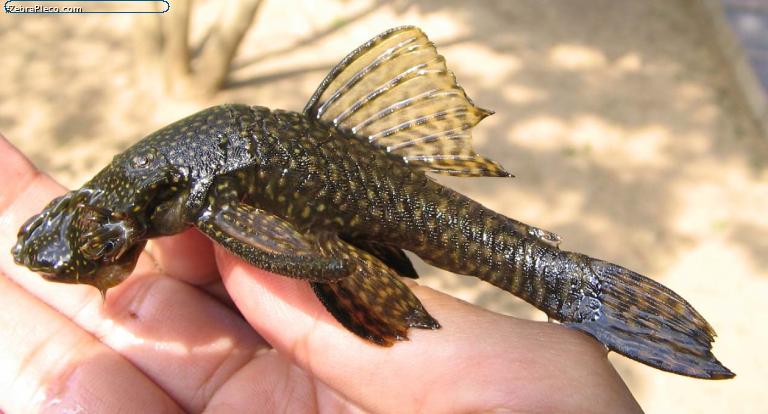
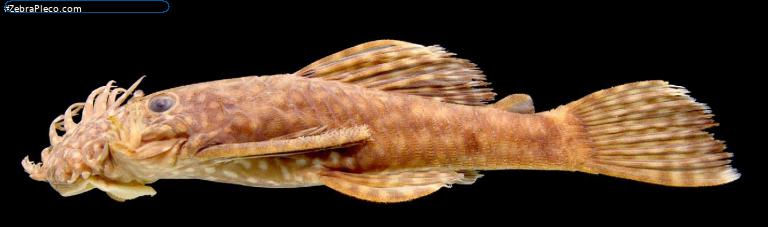
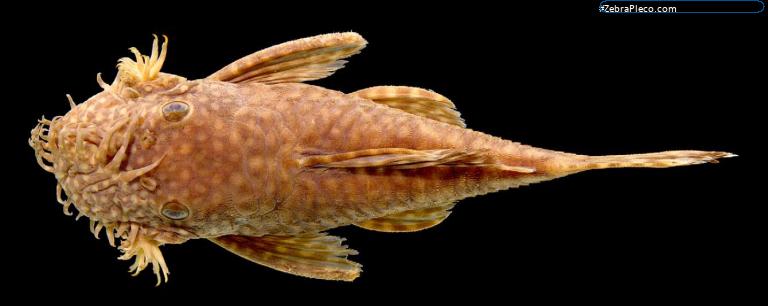
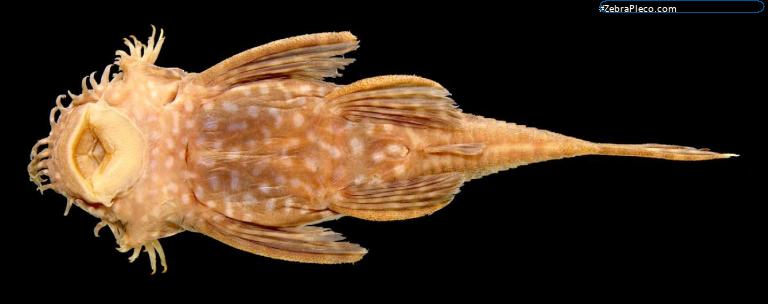
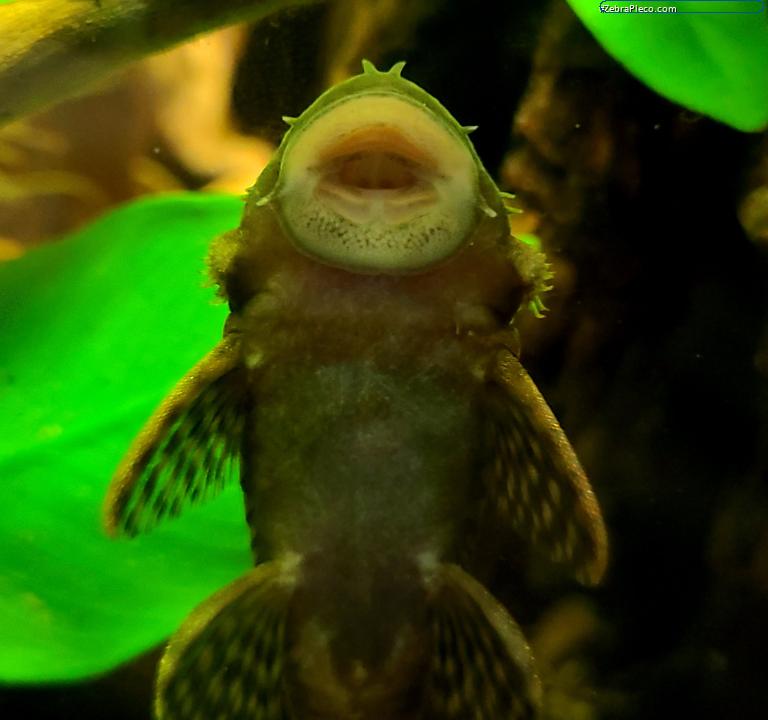
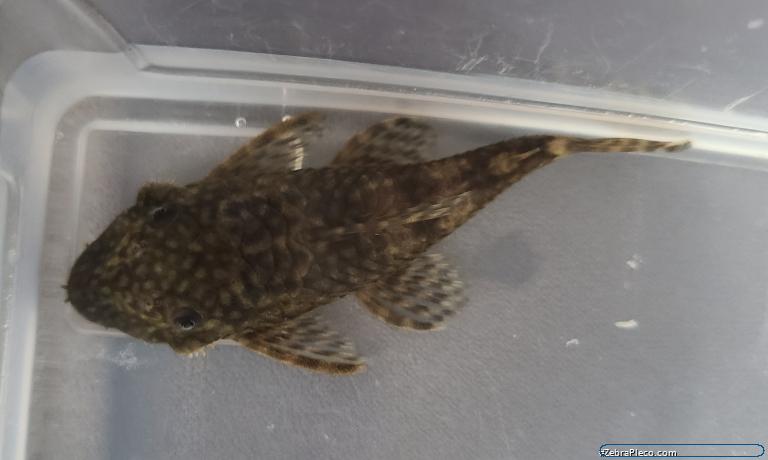
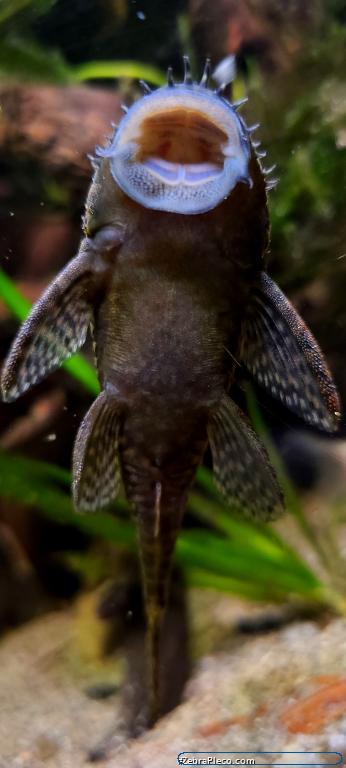
Mature males and sometimes females have soft tentacles (bushy fleshy growths) on the snout - this is unique to the genus Ancistrus.
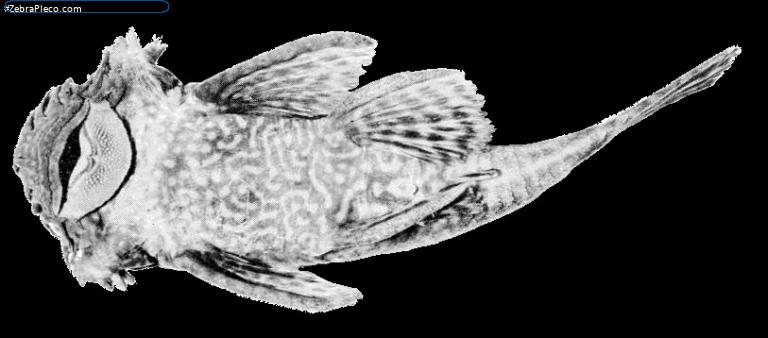
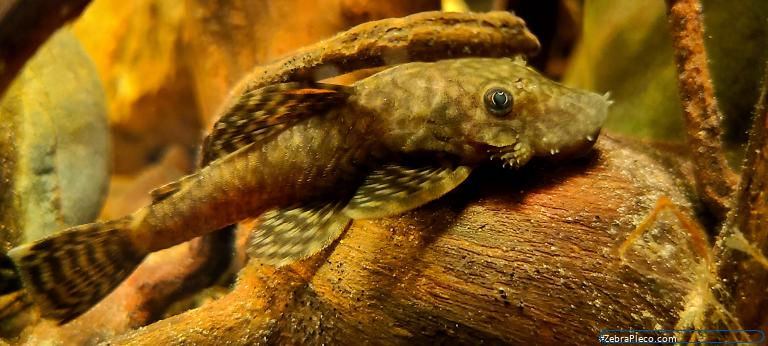
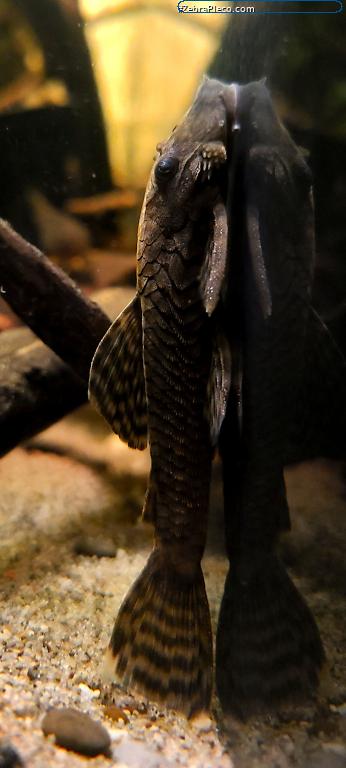
Head and anterior body broad, tapering back to tail. Body brown to black, with distinct (not diffuse) light spots covering the head, barbels and body, with head spots smaller anteriorly and enlarging posteriorly. Abdomen also dark, covered with larger, ovoid pale spots which may fuse to form vermiculations. Fins covered with rows of alternating dark and light spots on rays. The dark spots can spread onto fin membranes, forming parallel dark bands. A single dark spot at dorsal fin base, between dorsal spine and first soft ray. A pale bar across the caudal peduncle, at the base of the caudal fin rays. Upper and lower tips of caudal fin, white to yellow-orange.
Sexual Dimorphism (Sexing)
Males develop soft tentacles on the head and while sometimes females also do, it is never to the grand extent of those found on that of the conspecific male.
General Remarks
Ancistrus bodenhameri was synonymized with A. martini by Taphorn et al., 2013 (Zootaxa, 3641(4): 343-370).
Taxonomy, Synonyms & Etymology
Classification history, linguistic derivations and variant forms
Synonyms
Ancistrus bodenhameri, Ancistrus brevifilis bodenhameri, Ancistrus triradiatus martini
Pronunciation
an SISS truss
Etymology
The name Ancistrus is derived from the Greek word agkistron, meaning hook, in reference to the interopercular odontodes that are hooked. Named after Bethea Martin of the Lago Petroleum Corporation, who aided Schultz during fish collection in Venezuela.
There are 3 other speciesAcestridium martini
Apistogramma martini
Farlowella martini with this specific name.
Literature & Resources
Scientific publications, external links and citation tools
Description Reference
Proceedings of the United States National Museum v. 94 (no. 3172), pp 302, Pl. 9 (figs. C-D).
External Databases
Related Searches