PAGE_HEADER
Tanganikallabes mortiauxi Poll, 1943
Image Showcase
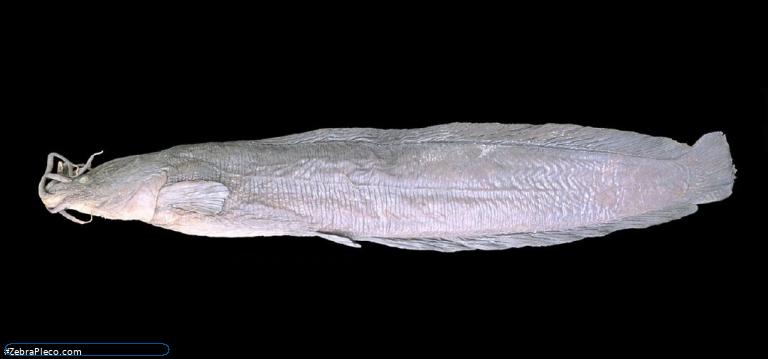
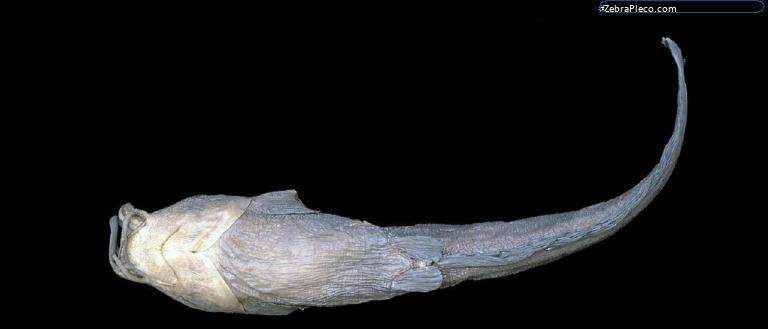
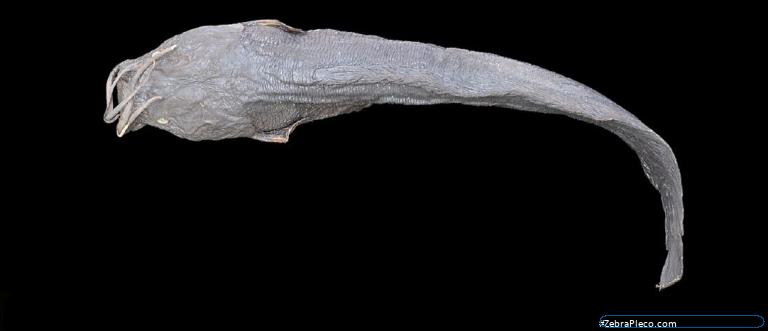
Photographs, diagnostic angles and morphological variants
Community & Keeper Tally
Member interactions, breeding records and forum mentions
Aquarium Care & Husbandry
Dietary requirements, tank setup, compatibility and breeding
Feeding & Diet
The diet of the type specimen consisted of insect larvae on the basis of gut analysis. In another study six specimens combined contained eggs of fish, crab remains, shrimp, insect larvae and in one specimen a single juvenile Synodontis. [View Member Food Stats]
Aquarium Furniture & Decor
In the wild likely to inhabit rocky bottoms at a range of depths.
Breeding Notes
Unknown
Habitat & Water Parameters
Natural distribution, biotope water conditions and temperature ranges
Geographic Distribution
Africa: Lake Tanganyika.
African Waters, Western Rift Valley Lakes, Tanganyika (click on these areas to find other species found there)
Login to view the map.
Species Description & Identification
Morphology, diagnostic traits and sexual dimorphism
Identification
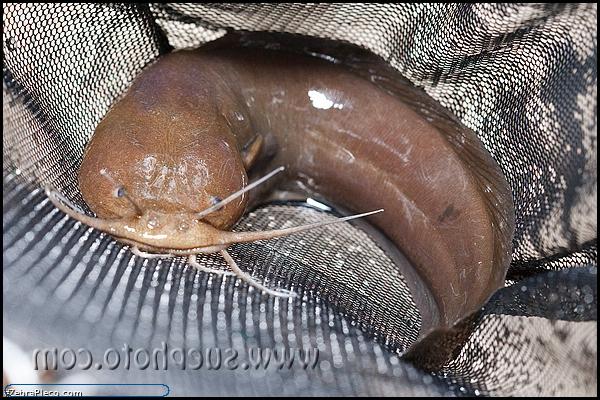
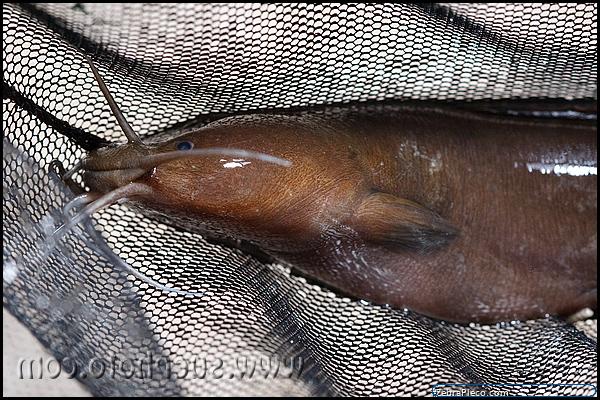
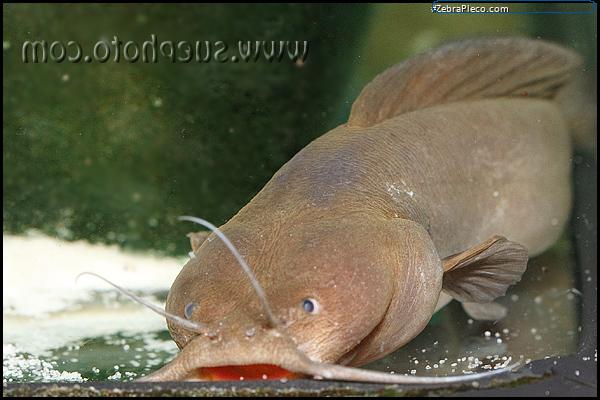
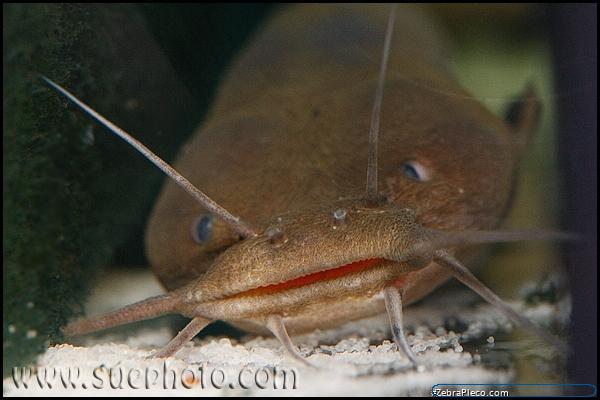
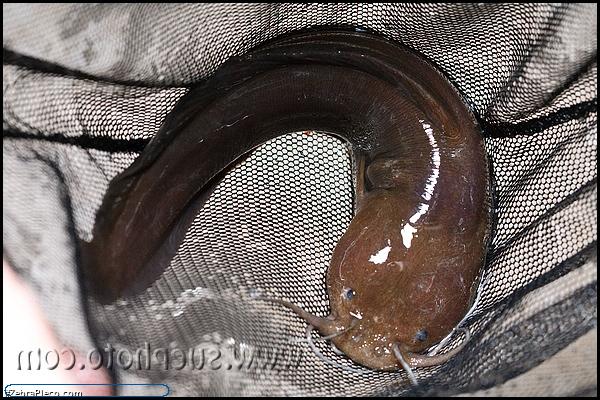
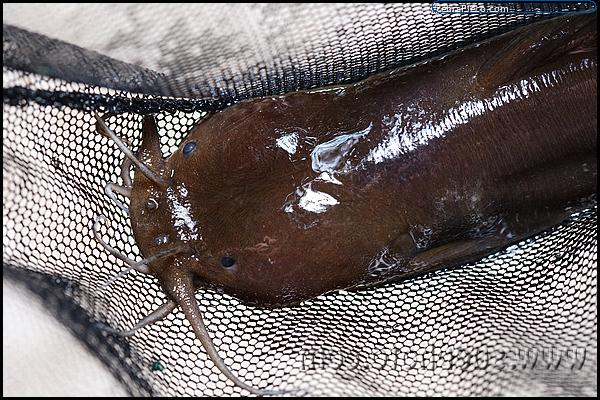
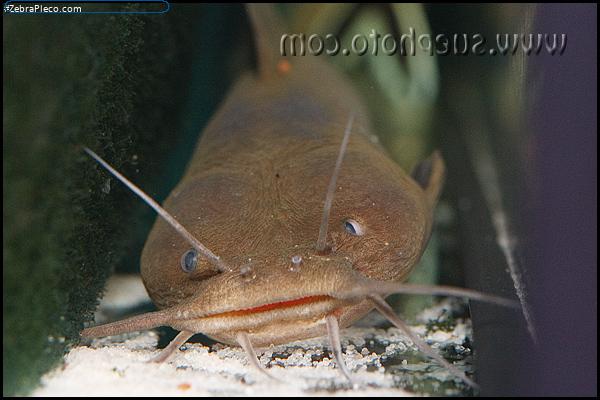
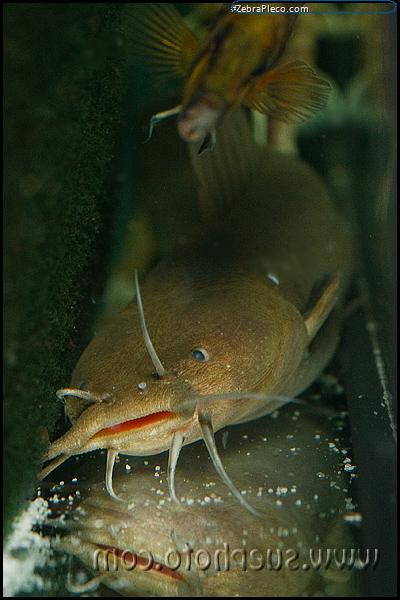
The head gives the impression of being separated from the more powerful back half of the body. The eyes are small even being placed on a strongly reduced skull. Clarias have very well-developed skull bones and the entire top of the head (neurocranium) is bony, while Tanganikallabes has smaller skull bones that allow the jaw muscles to invade onto the roof of the head. This is most apparent in the region behind the eye, where you can see small bulges on the head behind the eyes.
The pectoral fin spines lack serration. The dorsal and anal fins end immediately before the caudal fin and are both partly united with the caudal peduncle. The caudal fin itself is round. The dorsal fin has 70-72 rays, the anal fin 50-53. The skin is uniform blackish-brown and somewhat warty and wrinkled.
According to Poll(1953), "uniform blackish brown in colour, lighter towards the belly".
Sexual Dimorphism (Sexing)
In ventral view especially, females are much broader in the body than males of equal age and rearing practices.
General Remarks
See also Wright, JJ & RM Bailey, 2012. Systematic revision of the formerly monotypic genus Tanganikallabes (Siluriformes: Clariidae). Zoological Journal of the Linnean Society 165: 121.
Taxonomy, Synonyms & Etymology
Classification history, linguistic derivations and variant forms
No recorded synonyms or etymology details.
Literature & Resources
Scientific publications, external links and citation tools
Literature & References
External Databases
Related Searches