PAGE_HEADER
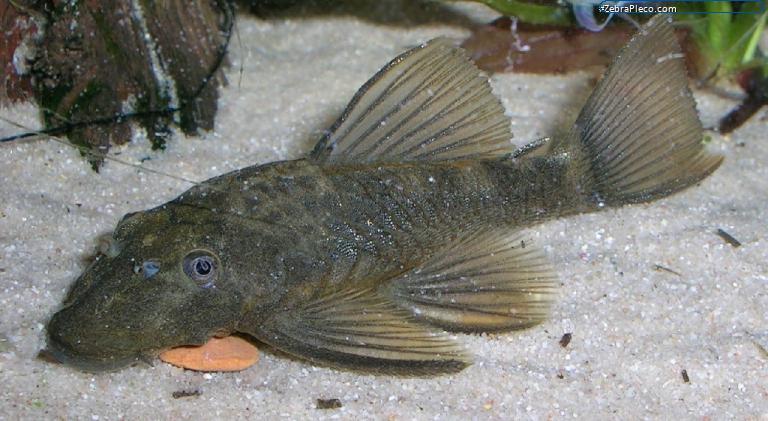
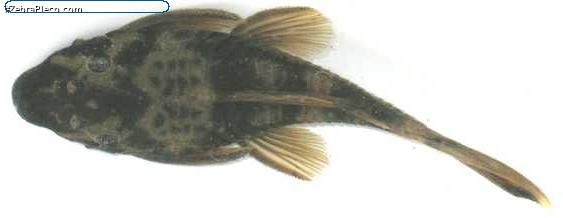
Ancistrus sp. (LDA016)
Image Showcase
Photographs, diagnostic angles and morphological variants
Community & Keeper Tally
Member interactions, breeding records and forum mentions
Aquarium Care & Husbandry
Dietary requirements, tank setup, compatibility and breeding
Feeding & Diet
Ancistrus should be fed mainly on vegetarian foods. Prepared foods include algae wafers and spirulina based sinking food. Vegetables such as courgette/zucchini, and (English) cucumber are an excellent addition to the diet, along with the odd, small amount of more meaty foods. [View Member Food Stats]
Compatibility & Suggested Tankmates
A good complement to most aquariums, they are not aggressive to other species. Males may fight over territory if kept in too small a tank.
Tankmates: Appropriate with most community fish that aren't overly big or aggressive.
Breeding Notes
Has been bred in the aquarium.
Habitat & Water Parameters
Natural distribution, biotope water conditions and temperature ranges
Geographic Distribution
Exported from Brazil.
Amazon, Lower Amazon, Guamá (click on these areas to find other species found there)
Login to view the map.
Species Description & Identification
Morphology, diagnostic traits and sexual dimorphism
Identification
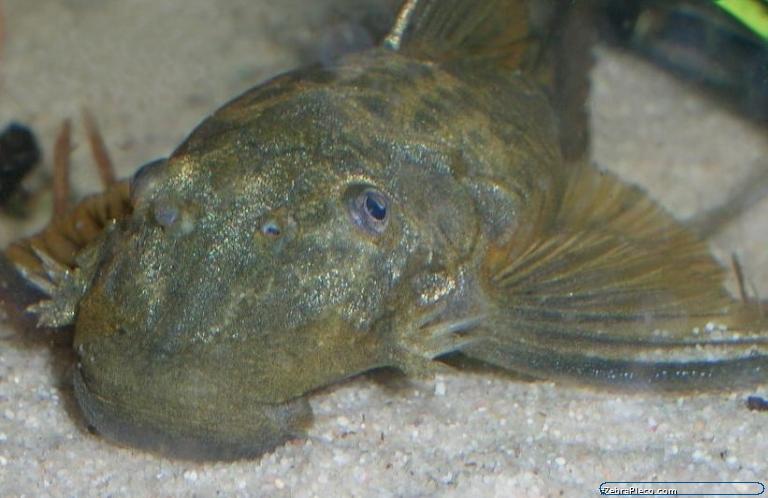
Mature males and sometimes females have soft tentacles (bushy fleshy growths) on the snout - this is unique to the genus Ancistrus.
Sexual Dimorphism (Sexing)
Males develop soft tentacles on the head and while sometimes females also do, it is never to the grand extent of those found on that of the conspecific male.
General Remarks
Fish sold as LDA016 in shops may well be Ancistrus cf. cirrhosus in the calico form. This note is correct on the date of writing in July 2008, where distributors (commercial breeders) showing A. cf. cirrhosus pictures are listing these as LDA016. Genuine LDA016 are not known to be commercially captive bred.
Taxonomy, Synonyms & Etymology
Classification history, linguistic derivations and variant forms
Pronunciation
an SISS truss
Etymology
The name Ancistrus is derived from the Greek word agkistron, meaning hook, in reference to the interopercular odontodes that are hooked.
Literature & Resources
Scientific publications, external links and citation tools
Related Searches