PAGE_HEADER
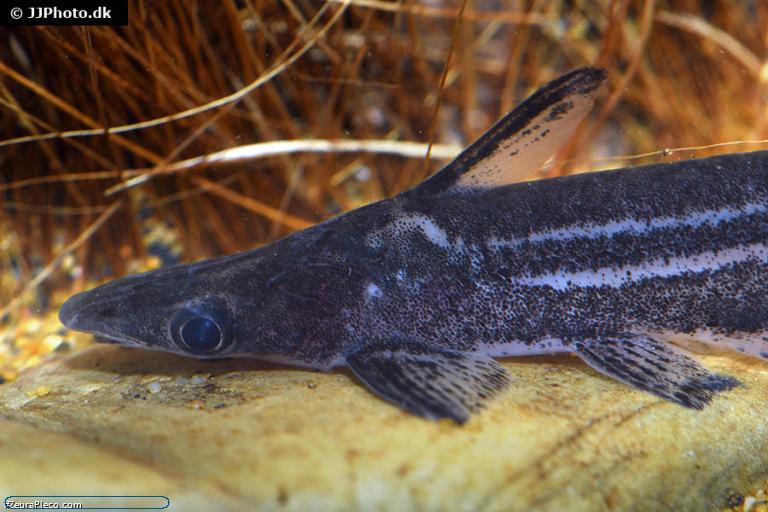
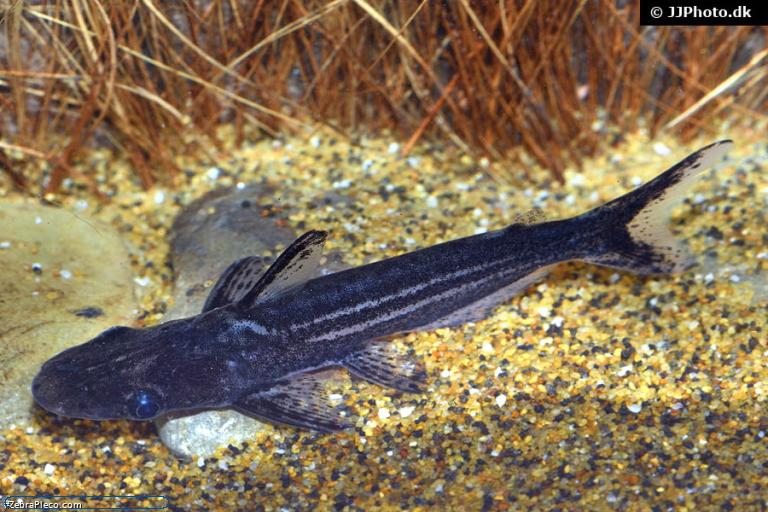
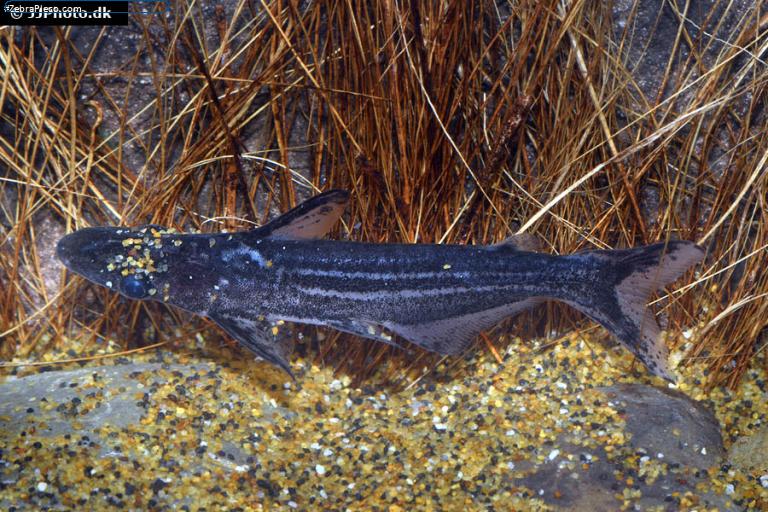
Ageneiosus lineatus Ribeiro, Rapp Py-Daniel & Walsh, 2017
Image Showcase
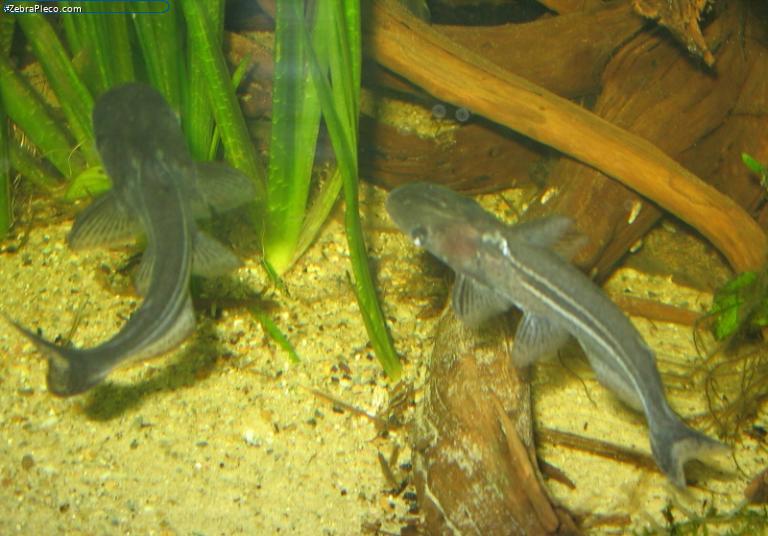
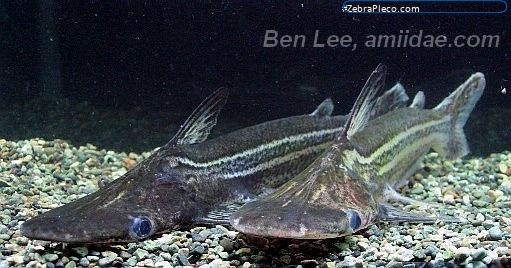
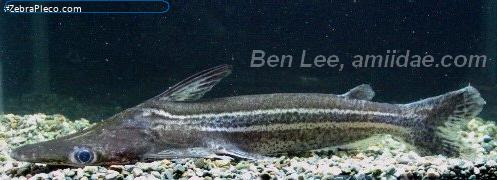
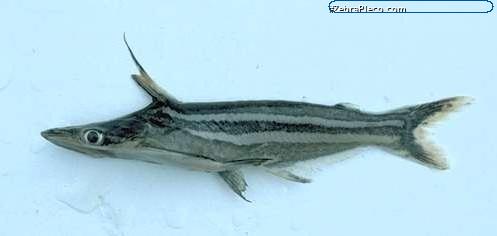
Photographs, diagnostic angles and morphological variants
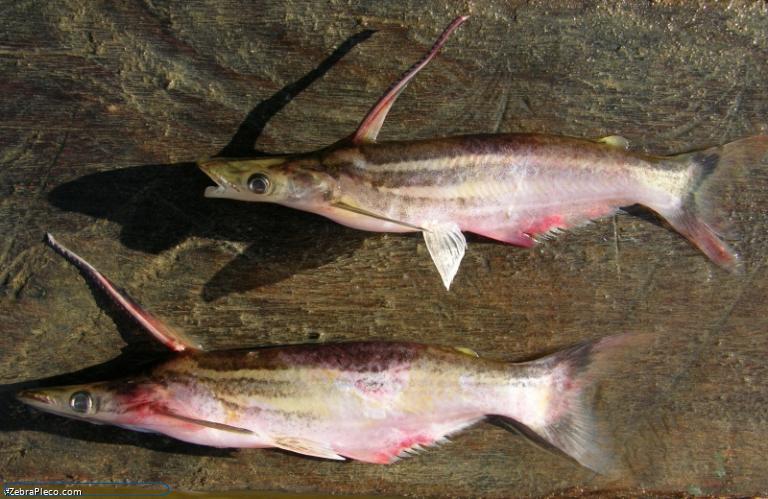
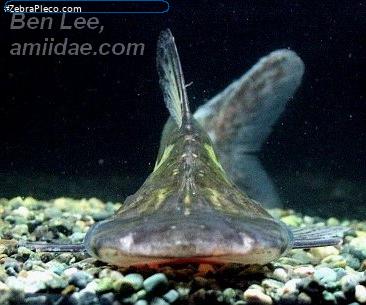
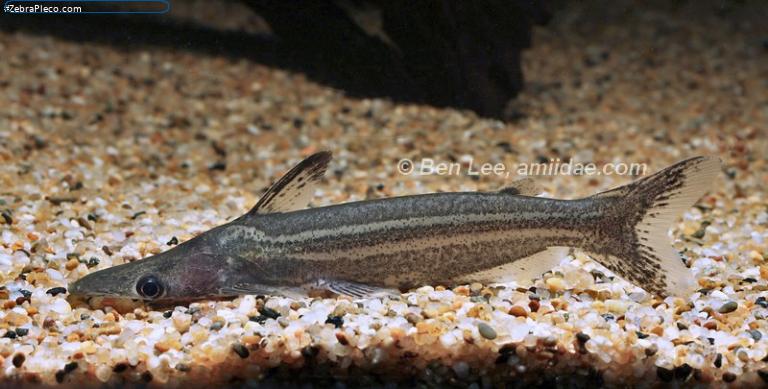
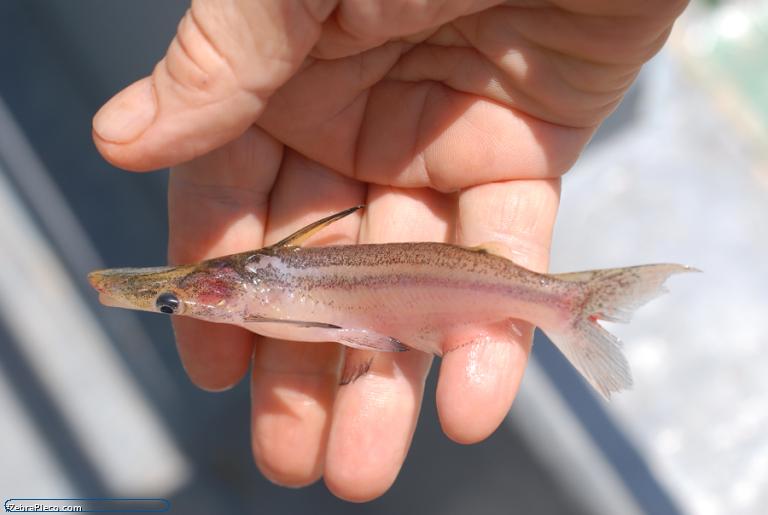
Community & Keeper Tally
Member interactions, breeding records and forum mentions
Aquarium Care & Husbandry
Dietary requirements, tank setup, compatibility and breeding
No specialised aquarium care or husbandry notes recorded yet.
Habitat & Water Parameters
Natural distribution, biotope water conditions and temperature ranges
Geographic Distribution
Amazon, Middle Amazon (Solimoes), Negro (click on these areas to find other species found there)
Login to view the map.
Species Description & Identification
Morphology, diagnostic traits and sexual dimorphism
Identification
Ageneiosus differs from other Auchenipteridae, except Tympanopleura, by having: 1, long bony process, narrowing distally on anterolateral border of sphenoid; 2, longitudinal groove on posterior margin of anterior fontanel (also present in Pseudepapterus); 3, dorsal portion of posttemporal-supracleithrum divided into two prominent branches; 4, internal and external processes of epioccipital sutured to parapophyses of fifth and sixth vertebrae; 5, bony process on posteromedial border of first infraorbital bone (also present in Tetranematichthys); 6, anterior or posterior region of second infra-orbital very curved; 7, bony expansion on laterodorsal margin of premaxilla; 8, operculum with spongy ossification; 9, bone projections on posterior extreme of the parurohyal; 10, seventh vertebra not fused to complex vertebrae (also present in Pseudepapterus); 11, well-developed crown of spines in proximal region of anterior margin of dorsal-fin spine of mature males; 12, short maxillary barbel, not extending posteriorly beyond snout (also present in Tetranematichthys); 13, mental barbels absent; 14, bony spines on maxillary barbel of mature males; 15, posterior lobes of testes reduced or absent (also present in Auchenipterus). Ageneiosus differs from Tympanopleura by having: 1, reduced and completely ossified gas bladder in adults, except Ageneiosus pardalis Lütken 1874 (v. large, non-ossified gas bladder during all phases of ontogenetic development); 2, posterior diverticula on the gas bladder absent (v. having paired posterior diverticula on the gas bladder, except T. piperata); 3, epaxial muscles almost completely covering the tympanic region in adults, except A. pardalis (v. tympanic region translucent, not covered by epaxial muscles); 4, dorsal process on the base of pectoral fin weakly developed, loosely articulating with cleithrum (v. dorsal process on the base of pectoral fin well developed, strongly articulating with cleithrum); 5, fenestra on the lateral wall of cleithrum (v. lateral wall of cleithrum completely ossified).
A key to the species of Ageneiosus is located here.
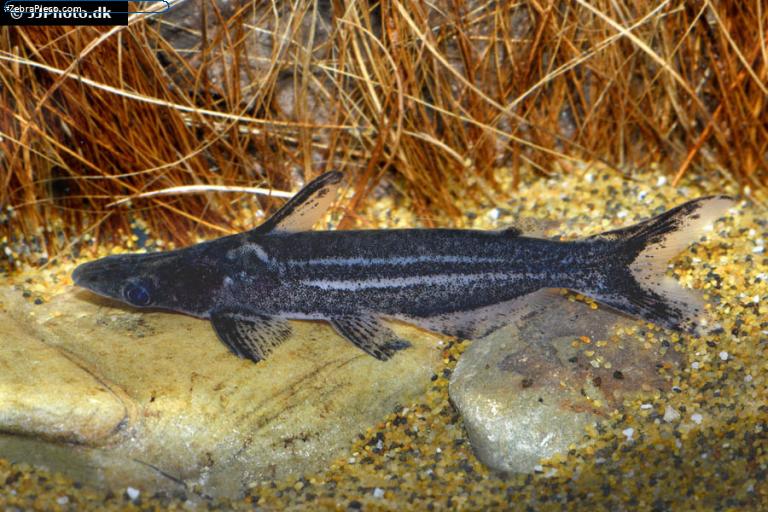
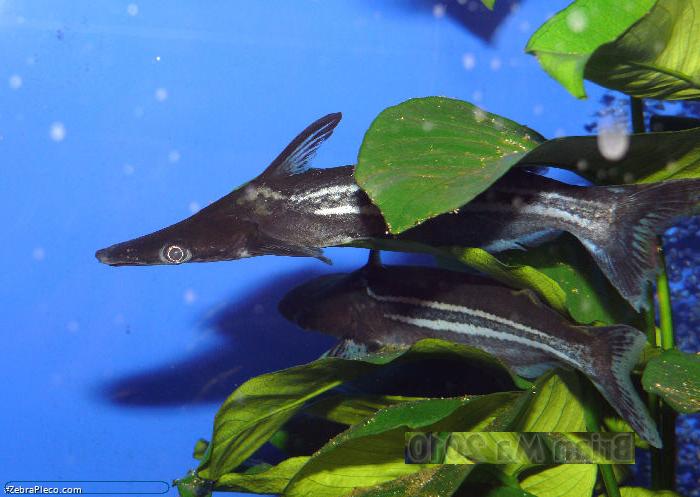
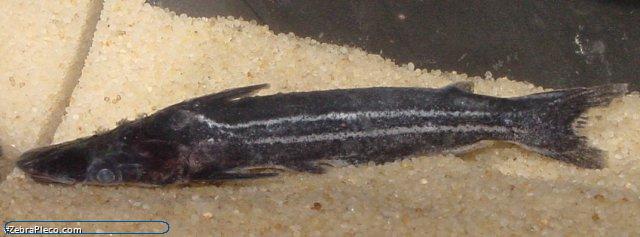
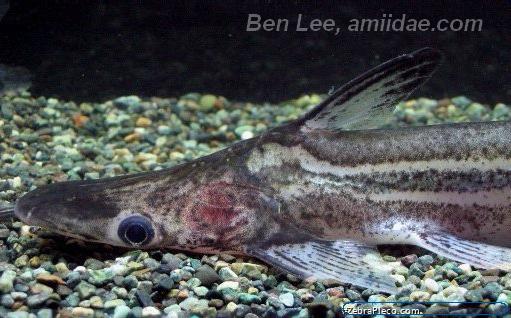
This species is commonly misidentified as A. vittatus. This species has a much more flattened head (A. vittatus' head looks more rounded like A. magoi). This specioes lacks the typical higher contrast mottled colouration of A. vittatus (similarity in pattern is said to be superficial) and lacks the two very prominent caudal fin spots (one on each lobe) of A. vittatus.
Sexual Dimorphism (Sexing)
Like all Auchenipterids, males have a genital papilla. Moreover, sexually active males get an enlarged and slightly curved dorsal spine and thickened barbels, that are used to clasp the female. After the breeding season, the dorsal spine and the barbels grow back to their normal sizes.
General Remarks
One of the smaller ageneiosids.
Taxonomy, Synonyms & Etymology
Classification history, linguistic derivations and variant forms
Pronunciation
ah genie OH sus
Etymology
Ageneiosus, from the Greek a, meaning without and genias, meaning beard in reference to the apparent lack of barbels. In fact, catfish of this genus have very short maxillary barbels that are almost indistinguishable to the human eye.
There are 6 other speciesAplocheilus lineatus
Henicorhynchus lineatus
Imparfinis lineatus
Labiobarbus lineatus
Plotosus lineatus
Tetraodon lineatus with this specific name.
Literature & Resources
Scientific publications, external links and citation tools
Description Reference
Journal of Fish Biology, pp 40, Fig. 15.
External Databases
Related Searches