PAGE_HEADER
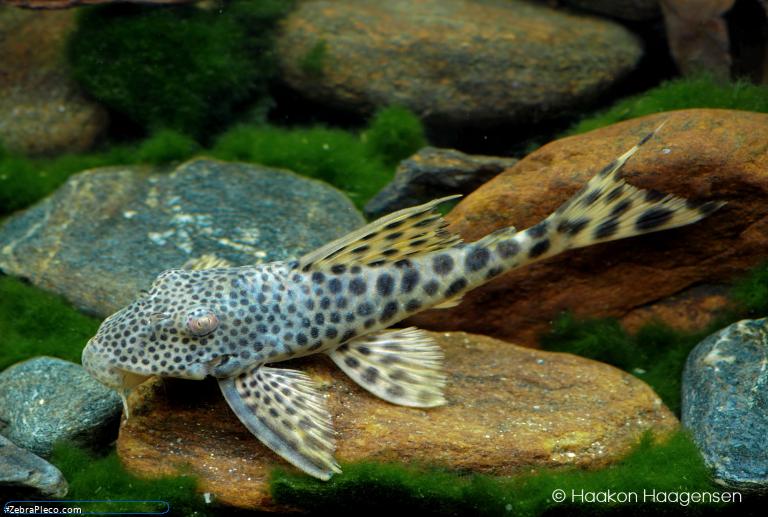
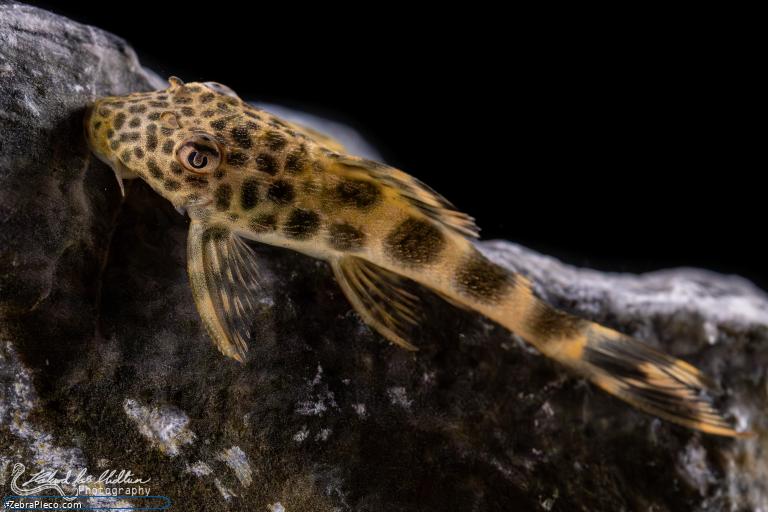
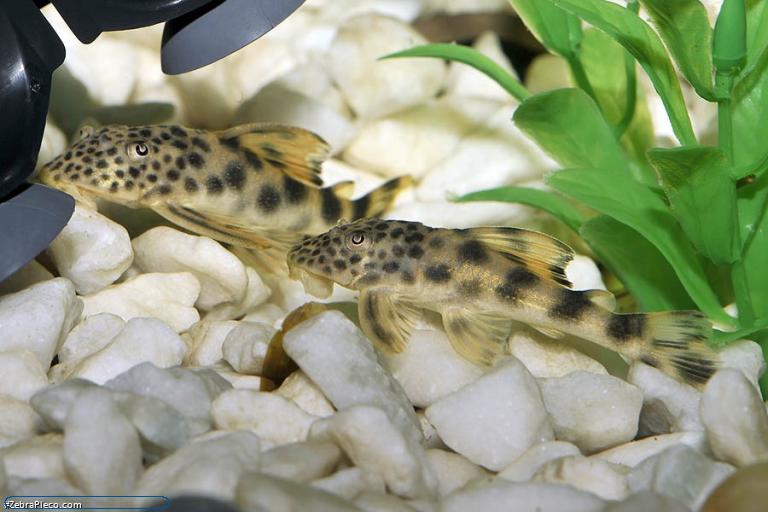
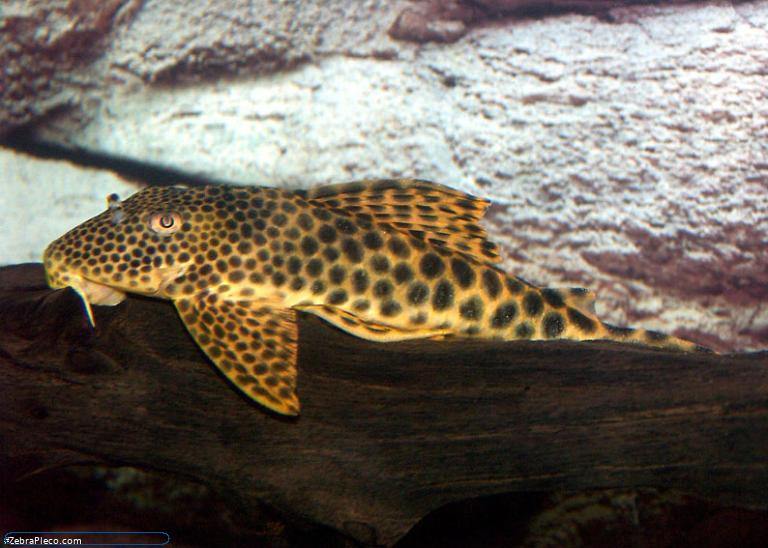
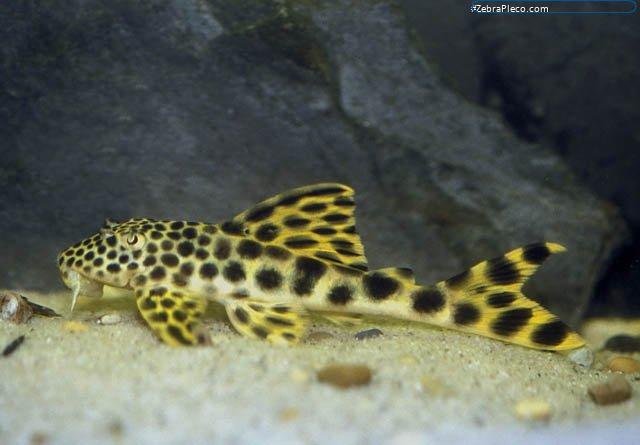
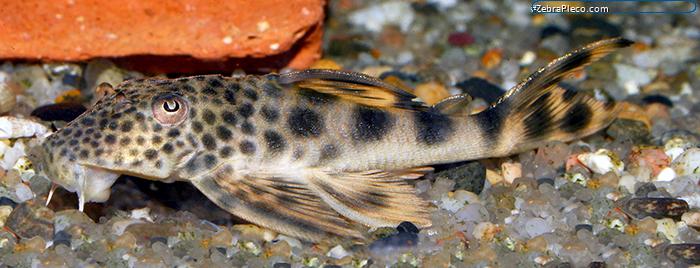
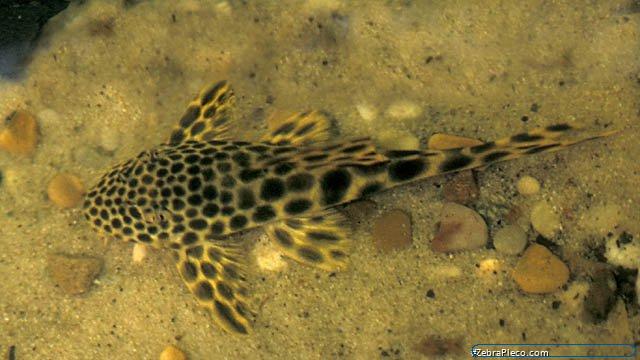
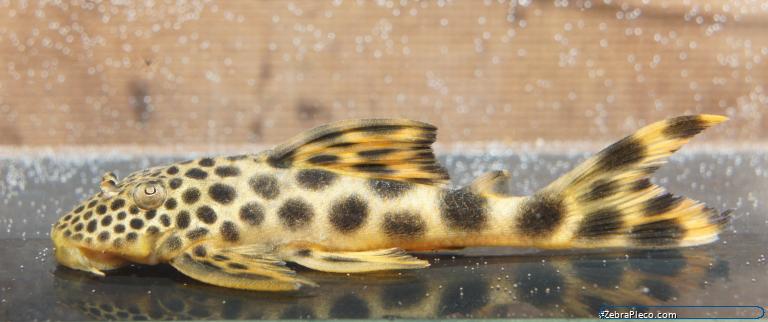
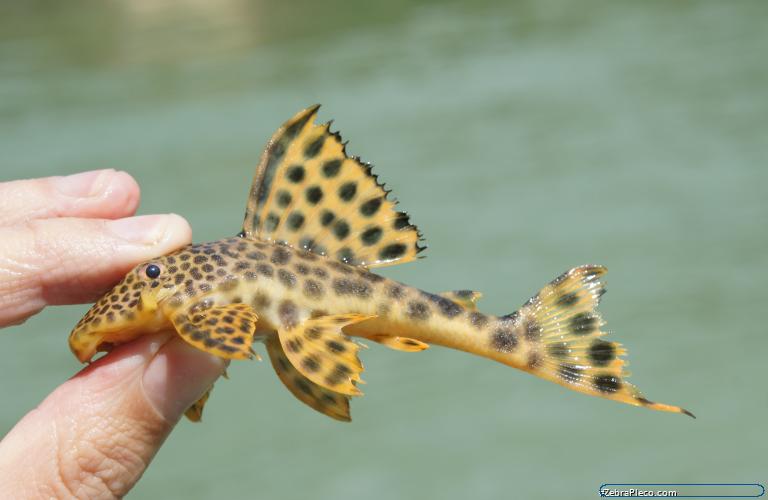
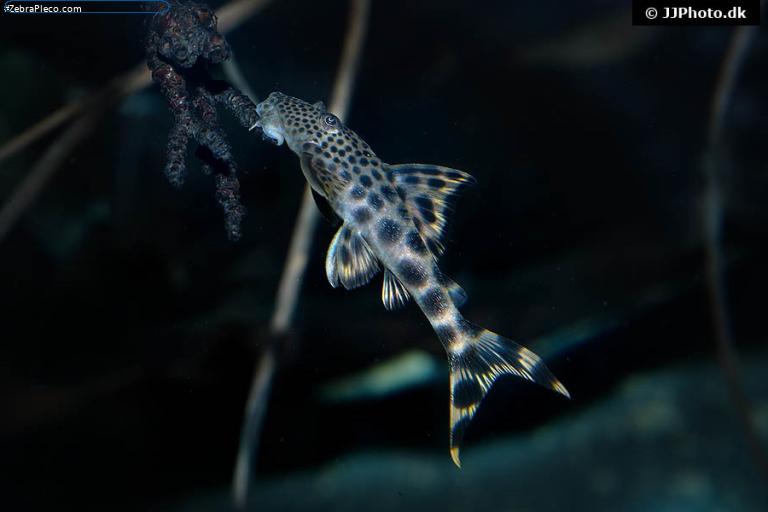
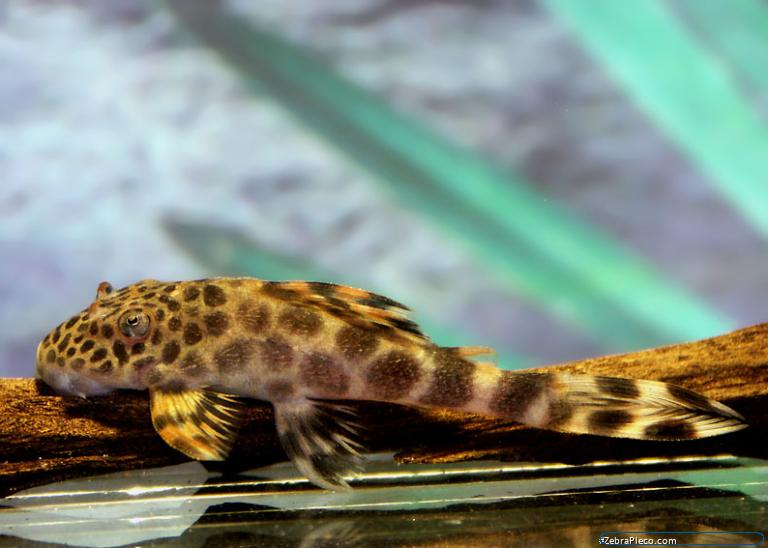
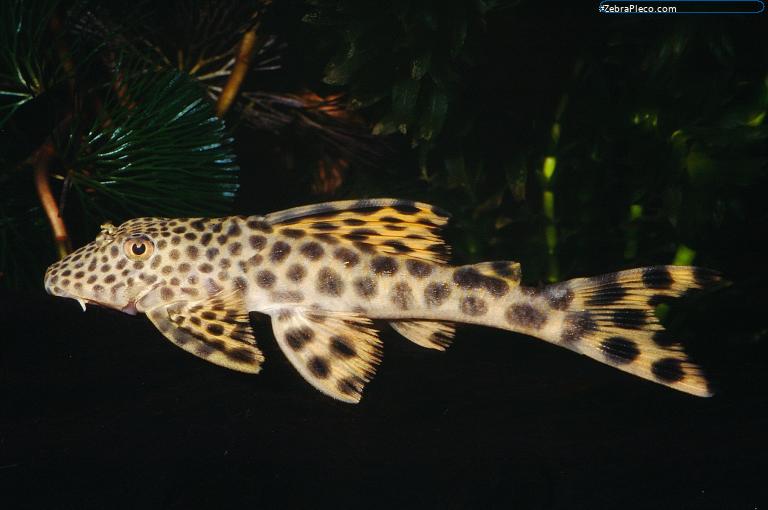
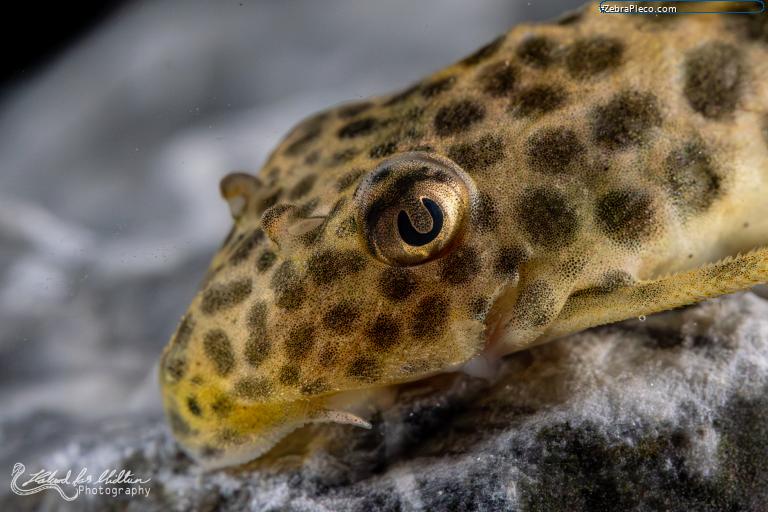
Peckoltia sabaji Armbruster, 2003
Image Showcase
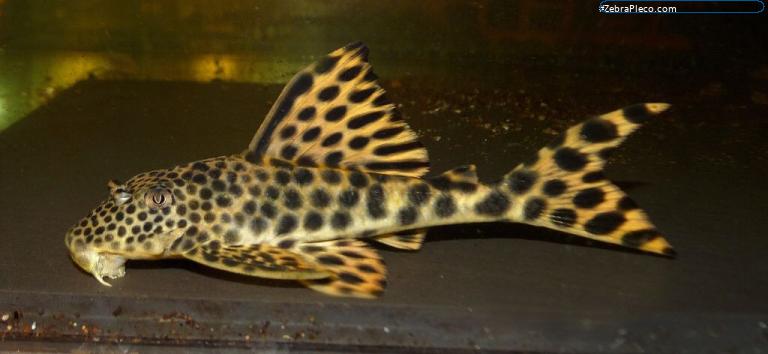
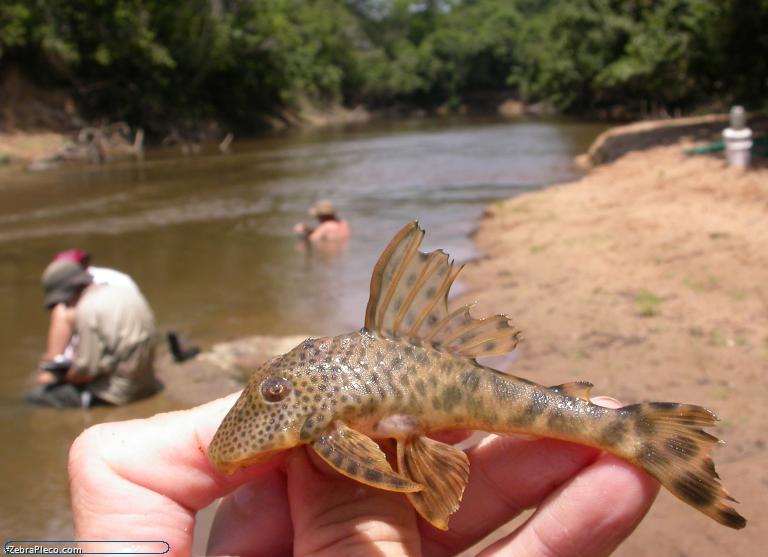
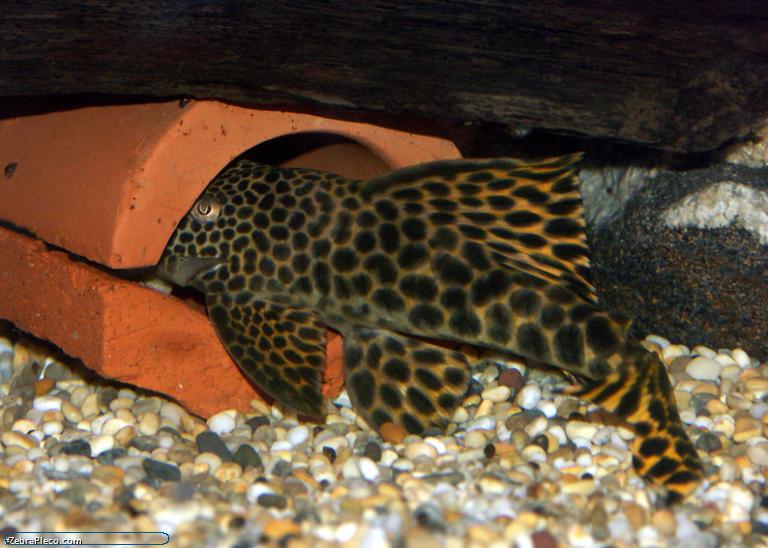
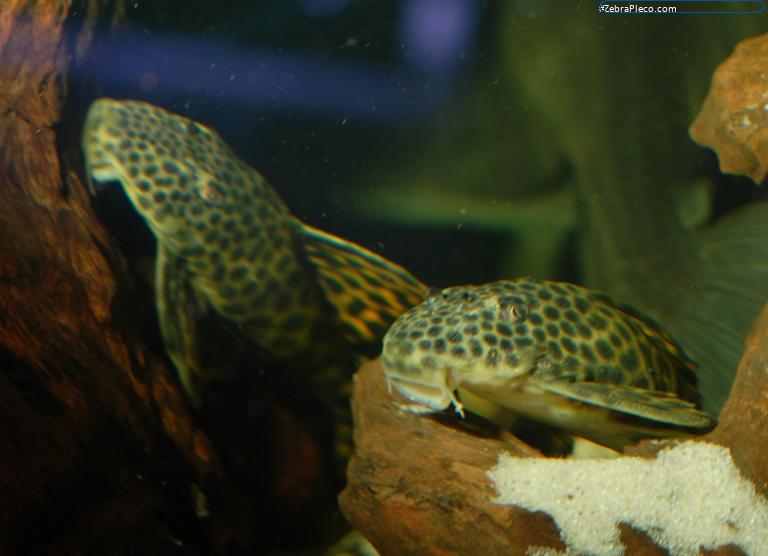
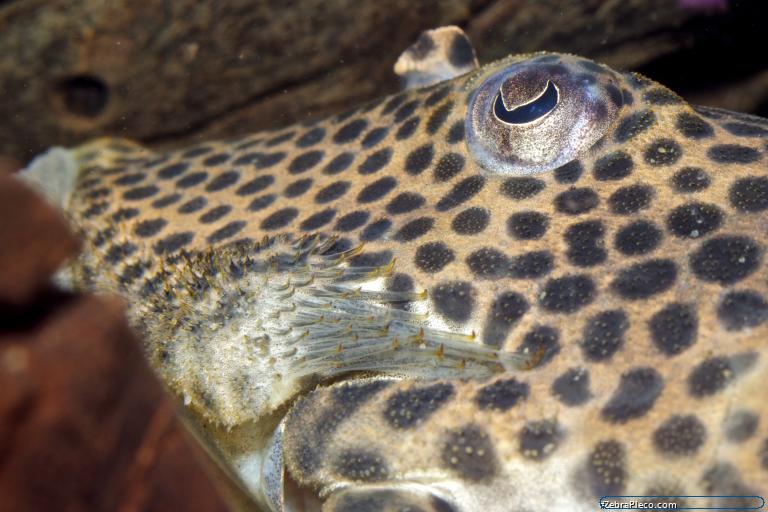
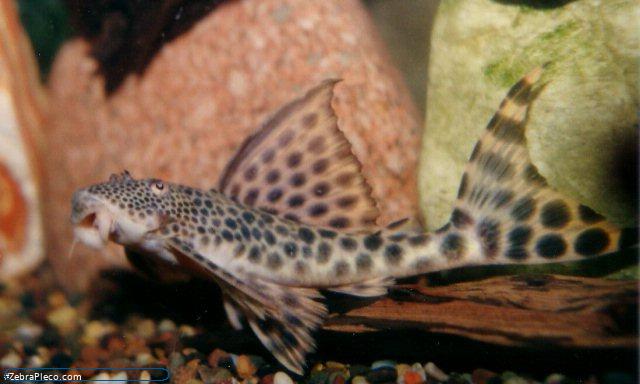
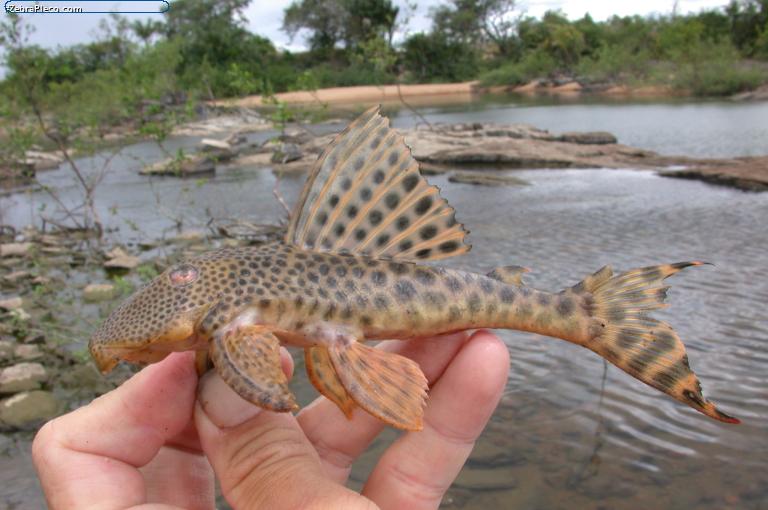
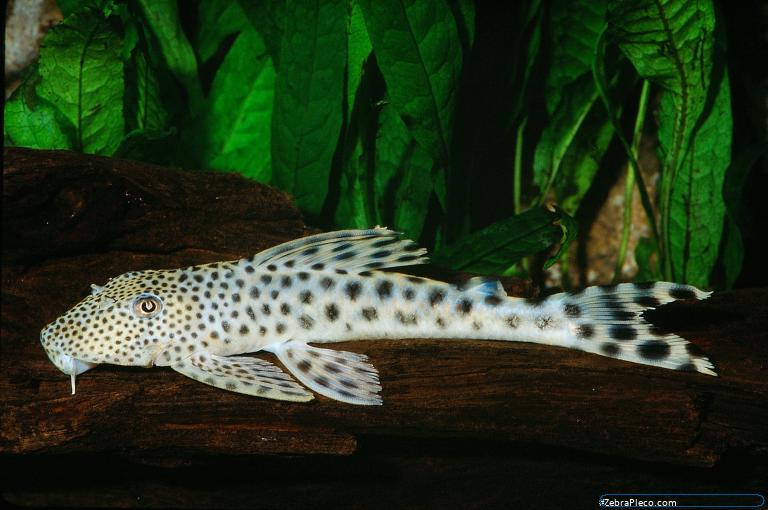
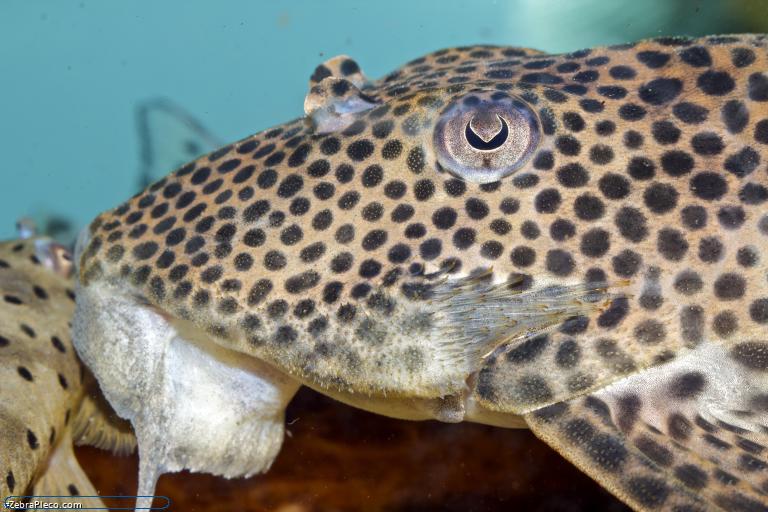
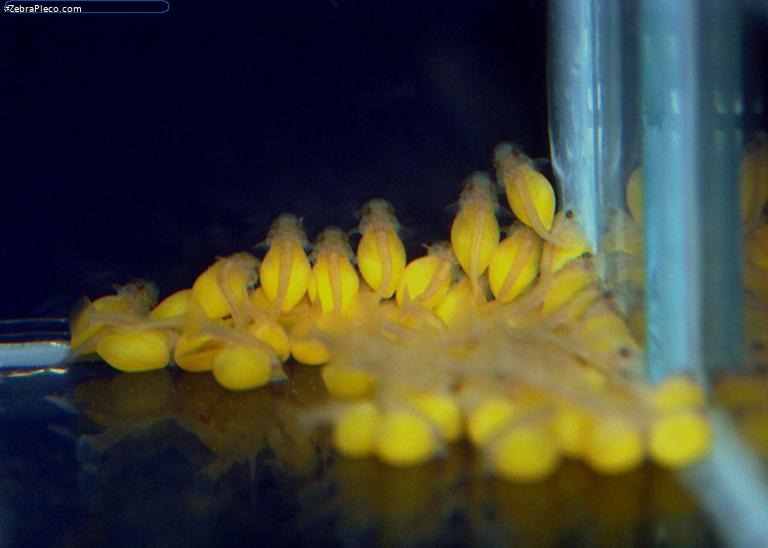
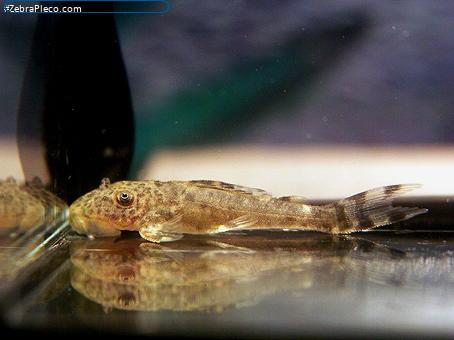
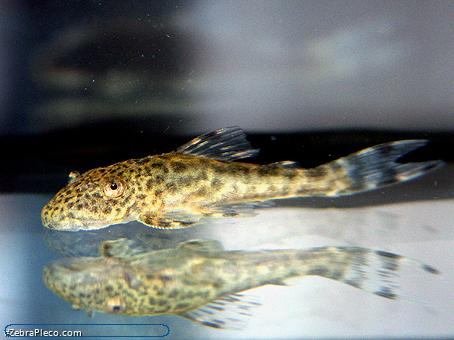
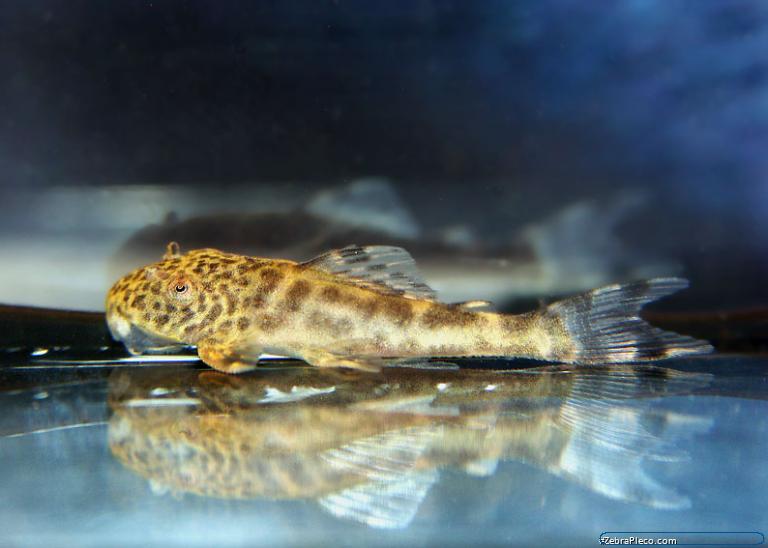
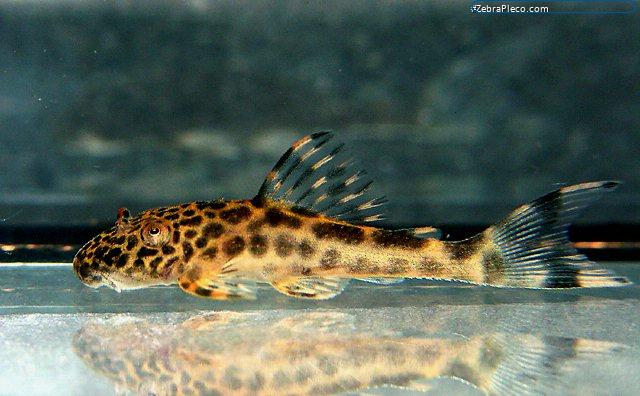
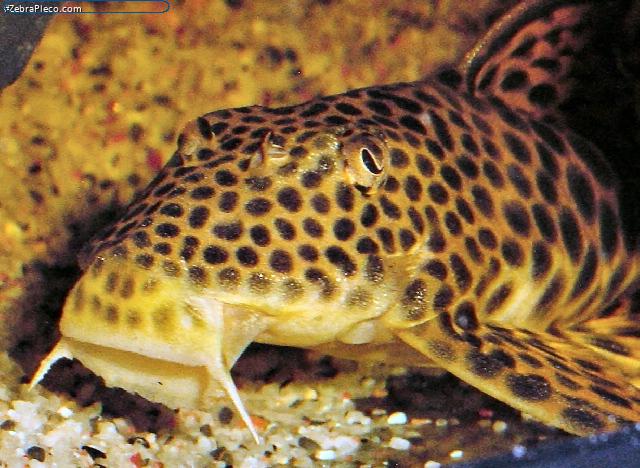
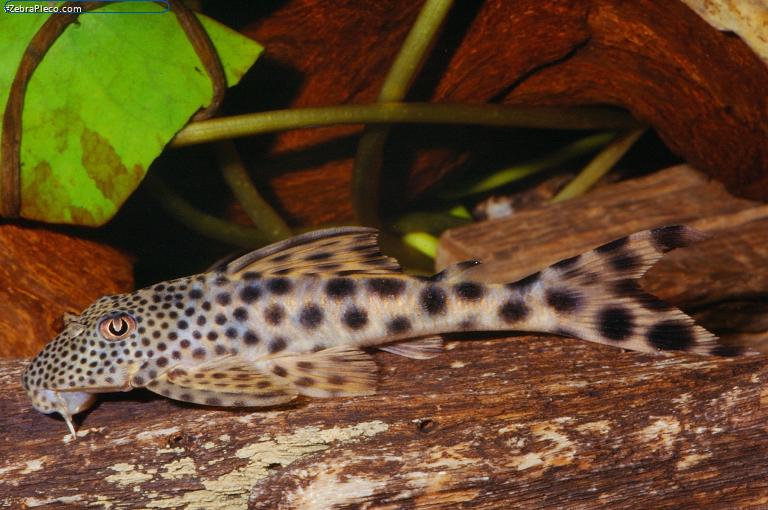
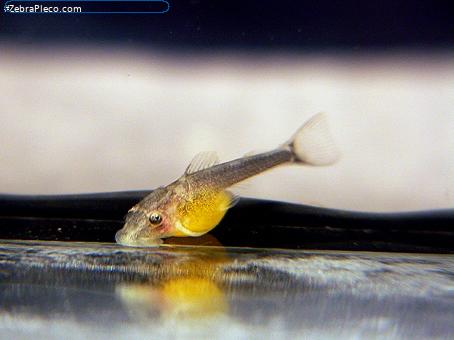
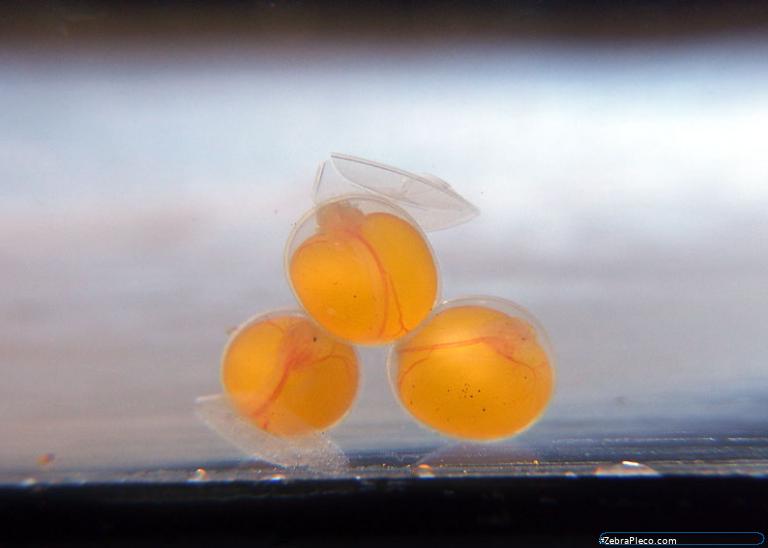
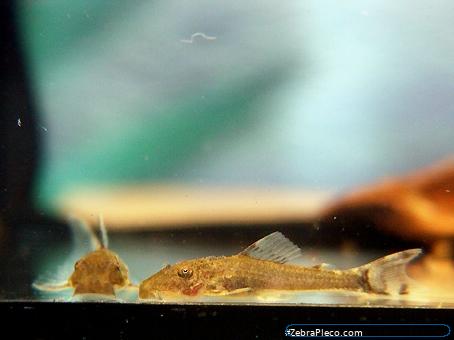
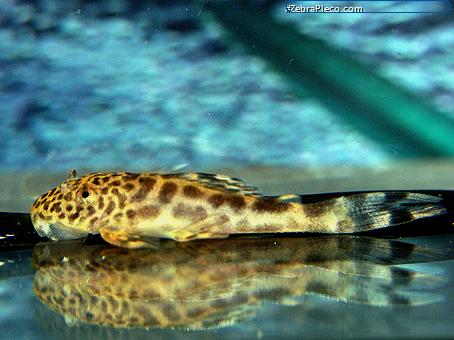
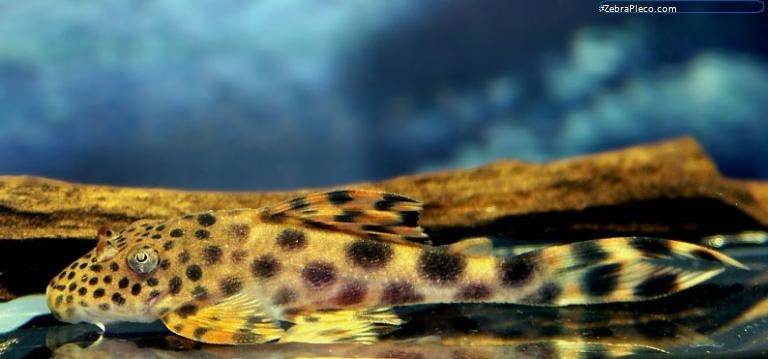
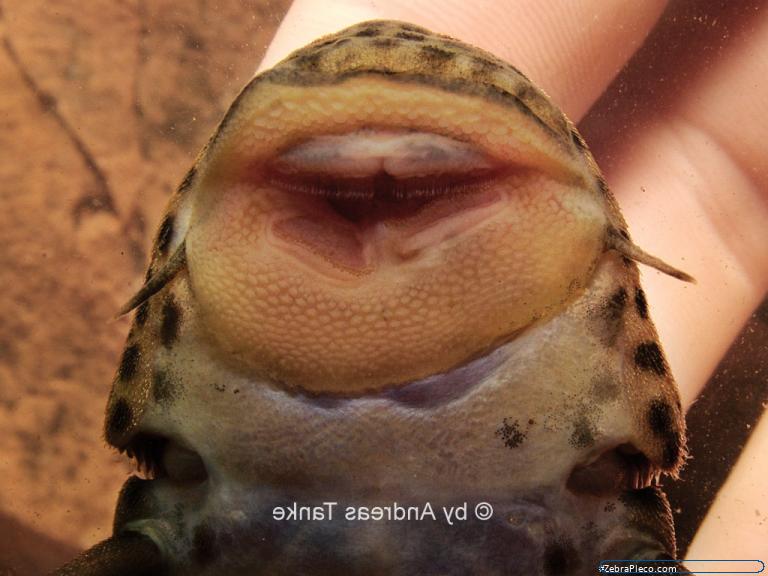
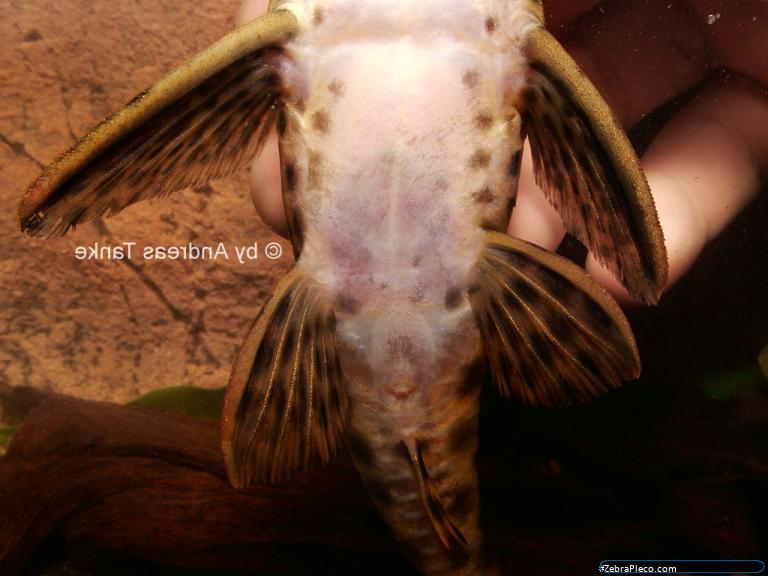
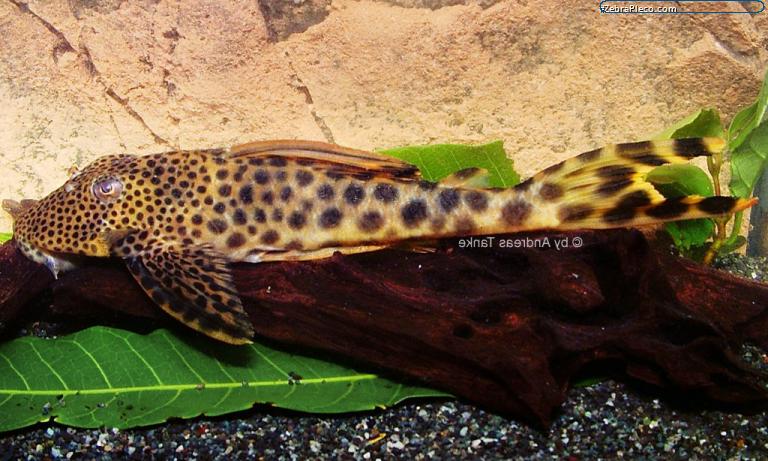
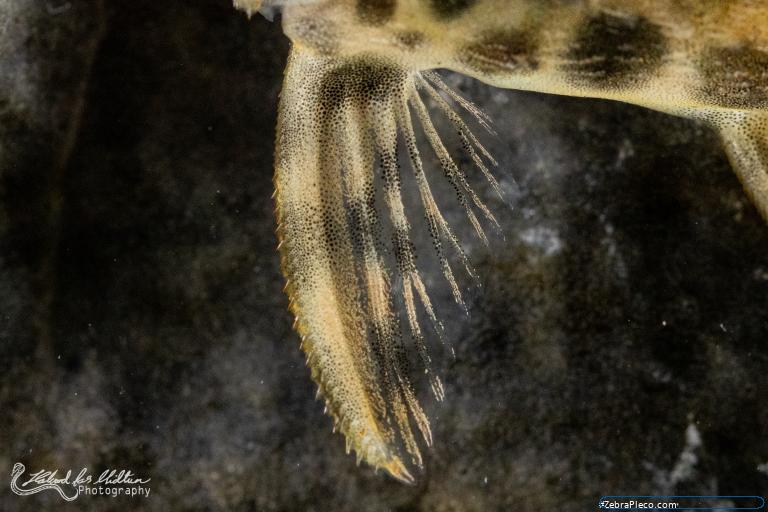
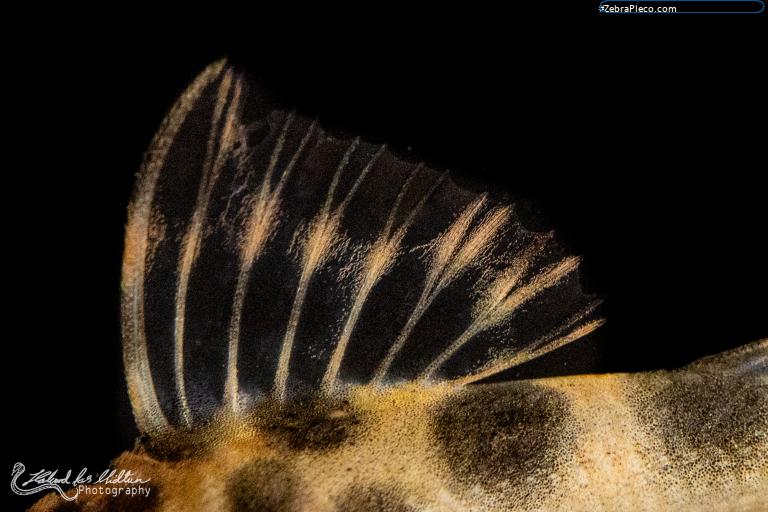
Photographs, diagnostic angles and morphological variants
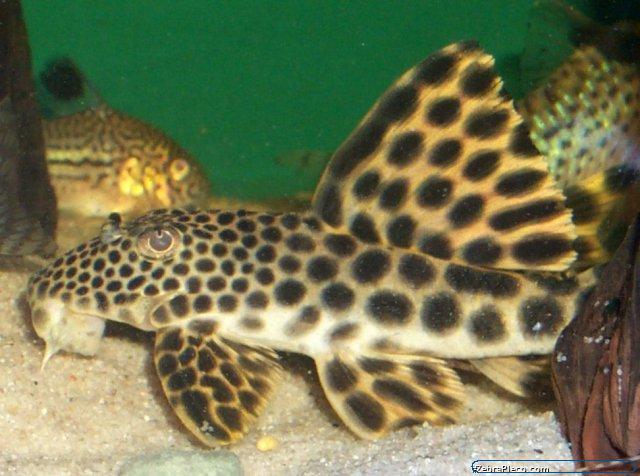
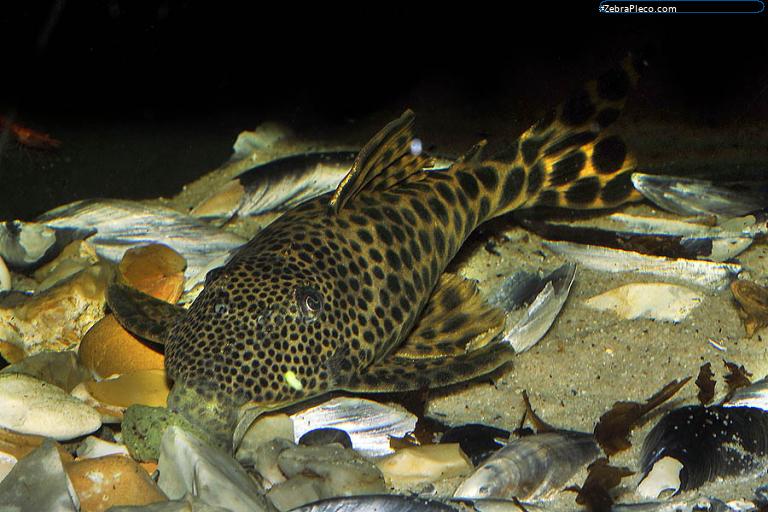
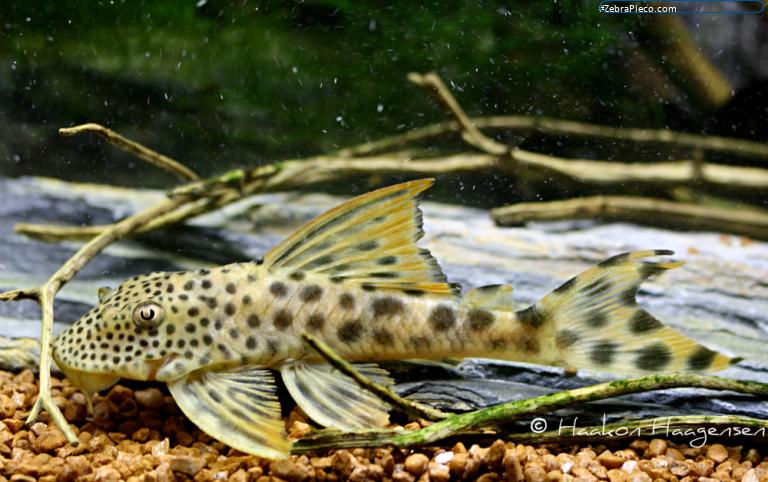
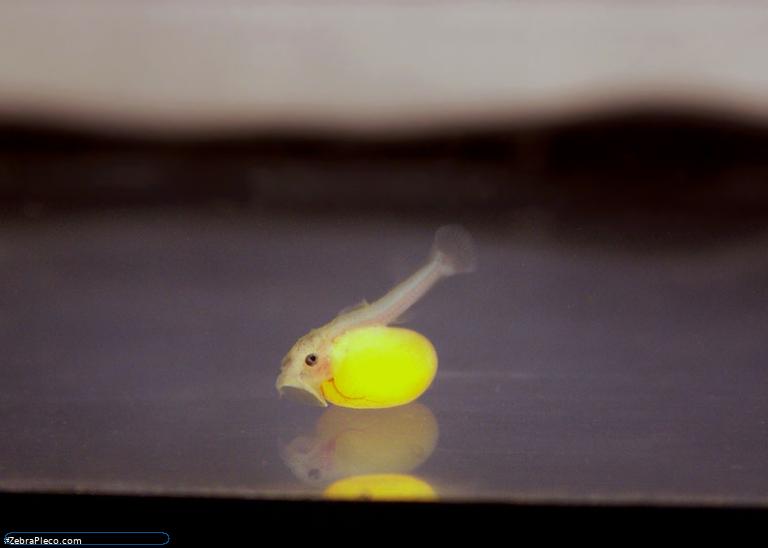
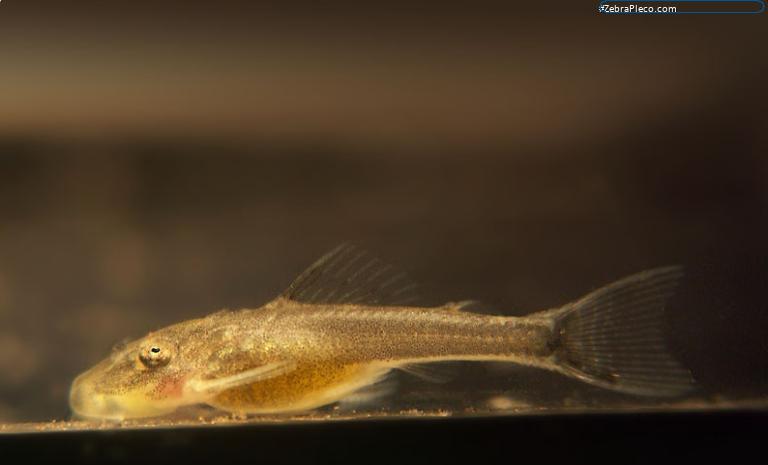
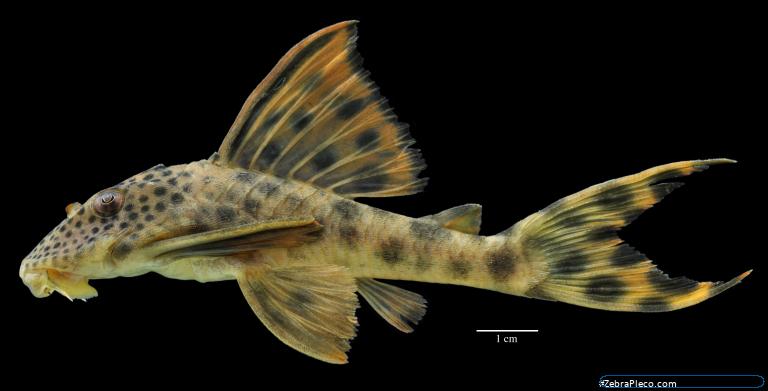
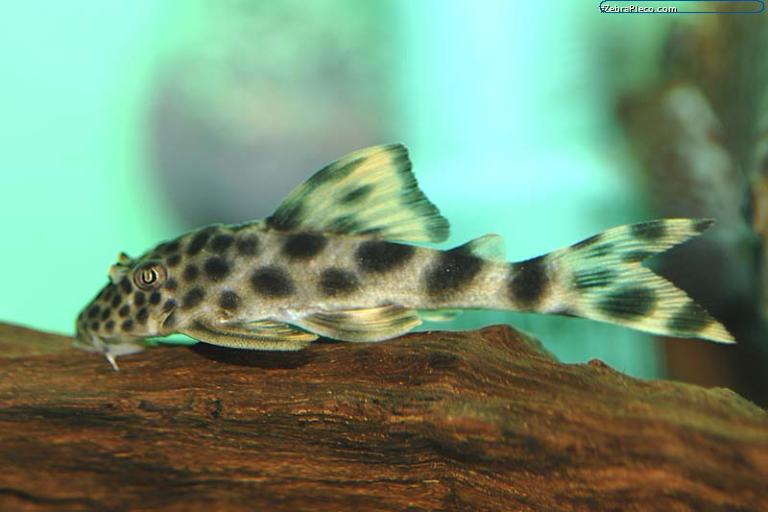
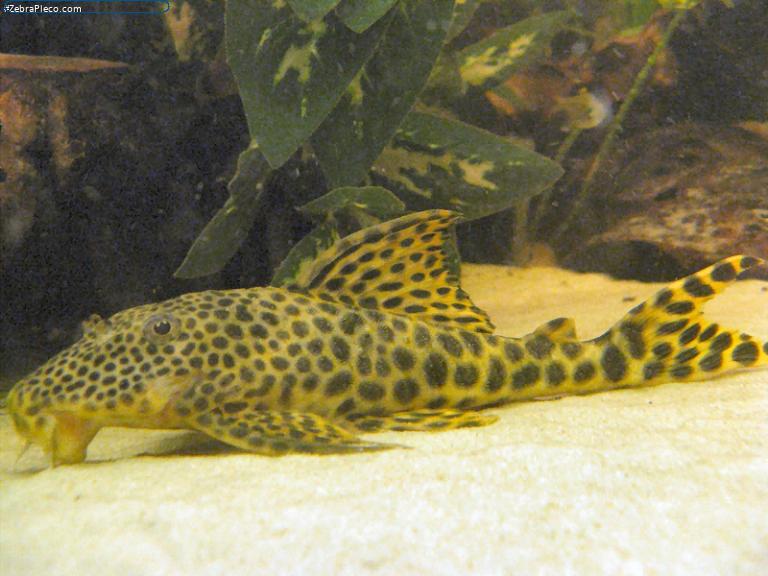
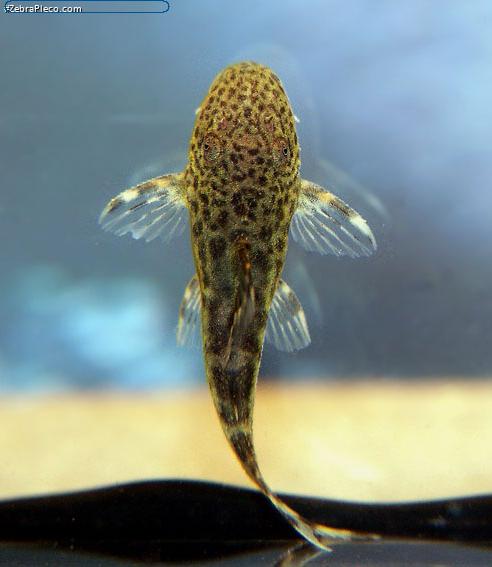
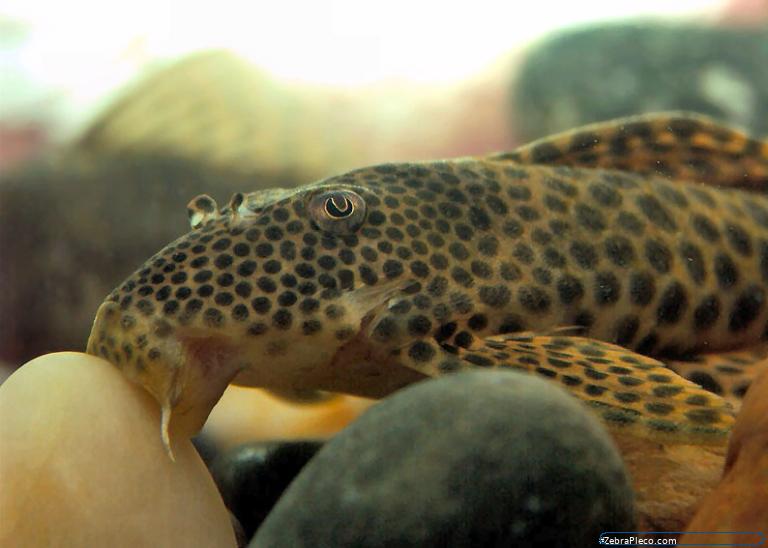
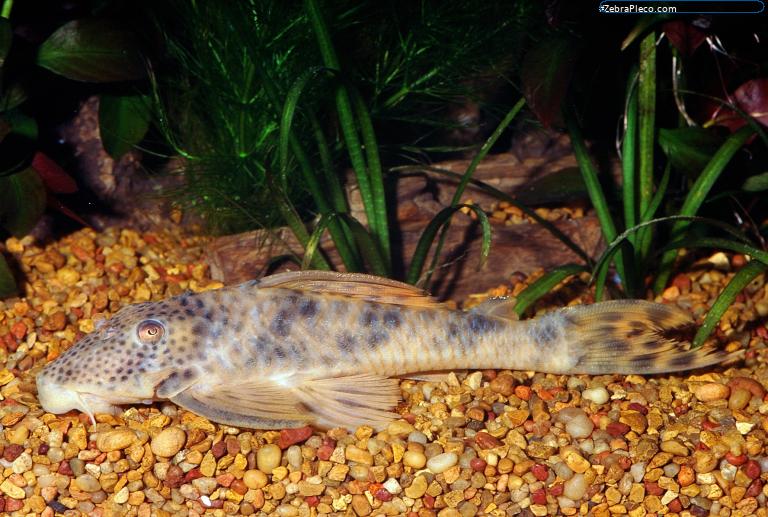
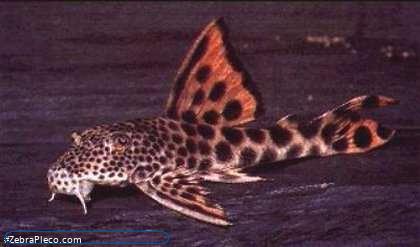
Community & Keeper Tally
Member interactions, breeding records and forum mentions
Aquarium Care & Husbandry
Dietary requirements, tank setup, compatibility and breeding
Feeding & Diet
A real omnivore; will eat frozen bloodworm, sinking pellets, flakes and green vegetables. Feed unsettled or new fish at, or just before, night / lights out. [View Member Food Stats]
Aquarium Furniture & Decor
Provide plenty of rocks for hiding. Tank does not need to be well-planted. Low rounded rocks and close to the ground driftwood crevices are favoured. This pleco doesn't commonly attach to the glass or venture very high in the water column.
Compatibility & Suggested Tankmates
A relatively gentle pleco even when at its maximum size. Appears to do well with its own kind as well as other plecos of a similar temperament / dietary requirements.
Tankmates: Other small to medium sized catfish, a good pleco to keep with Corydoras or Brochis. Seems to prefer the company of smaller more active fish rather than larger ones. Double figure sized shoals of active tetras or even cyprinids seem to have the most calming effect and inspire confidence in these plecos to make daytime sorties in search of food.
Breeding Notes
They are sexually mature around 13-14 cm SL but there are only small differences between the sexes. The male grows just a little longer interopercular and pectoral spine odontodes. The latter are small compared to many other species in the same genus. The females get very plump when gravid and her genital papilla will look round and be very visible, males stay slender and elongated in their body. They are cave spawners and the main problem is to get both sexes and a pair that match each other in terms of size and temperament as the spawning is remarkably gentle in comparison to most other species especially Hypancistrus.
Habitat & Water Parameters
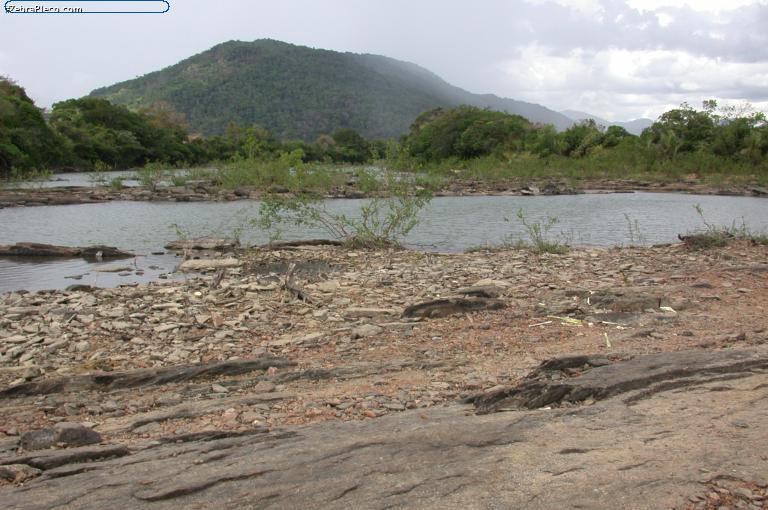
Natural distribution, biotope water conditions and temperature ranges
Geographic Distribution
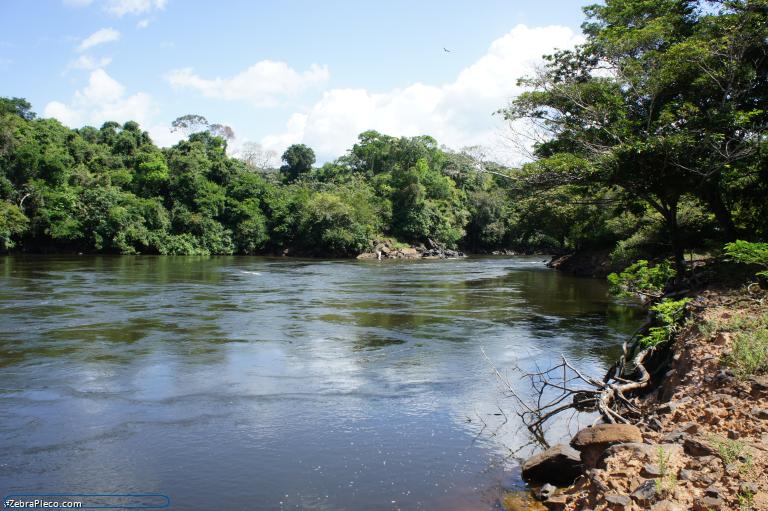
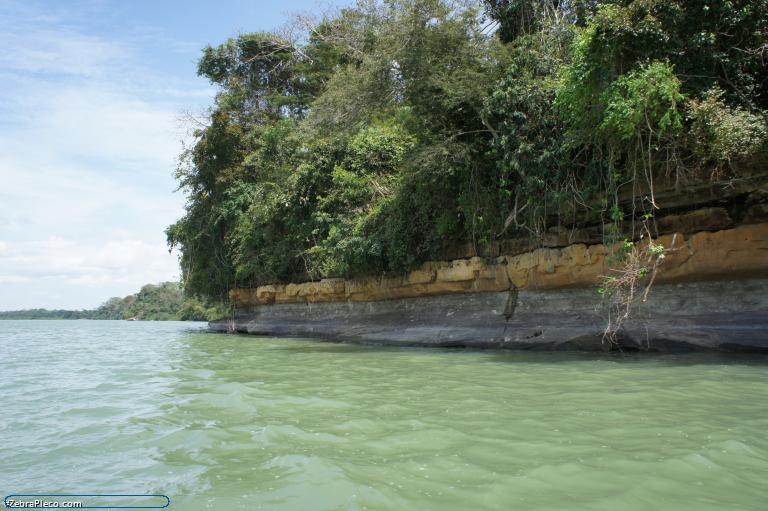
Guyana, Essequibo drainage, Venezuela/Colombia, middle reaches of Orinoco drainage, northern Brazil, Rio Negro drainage and river of Para State flowing north into the Amazon downstream of the confluence with the Rio Negro.
Guyana Waters, Coastal Rivers of Guyanas, Essequibo (click on these areas to find other species found there)
Amazon, Lower Amazon (click on these areas to find other species found there)
Orinoco, Middle Orinoco (click on these areas to find other species found there)
Amazon, Middle Amazon (Solimoes), Negro (click on these areas to find other species found there)
Amazon, Lower Amazon, Xingu Imported (click on these areas to find other species found there)
Login to view the map.
Species Description & Identification
Morphology, diagnostic traits and sexual dimorphism
Identification
See CotM article link below.
Sexual Dimorphism (Sexing)
Peckoltia sabaji are difficult to sex. It is more reliable when they are conditioned well but still takes a good eye. Well-conditioned males will have longer cheek odontodes and some on their pectoral fins, but not a lot and only slightly larger than the females. Males also have slightly larger fins than that of the females.
Taxonomy, Synonyms & Etymology
Classification history, linguistic derivations and variant forms
Synonyms
Hemiancistrus sabaji
Pronunciation
peck OLE tea ah - sah BAY eye
Etymology
Peckoltia: named after Gustavo Peckolt, member of the Natural History Commission of Rondon. The species is named for Dr. Mark Henry Sabaj Perez, Collection Manager of Ichthyology, Academy of Natural Sciences of Philadelphia.
There is 1 other speciesCurculionichthys sabaji with this specific name.
Literature & Resources
Scientific publications, external links and citation tools
Literature & References
External Databases
Related Searches