PAGE_HEADER
Pseudolaguvia ferula Ng, 2006
Image Showcase
Photographs, diagnostic angles and morphological variants
Community & Keeper Tally
Member interactions, breeding records and forum mentions
Aquarium Care & Husbandry
Dietary requirements, tank setup, compatibility and breeding
Feeding & Diet
Known to take only live food like blood worms, frozen brine shrimp etc. Spot feeding will help in case tank mates are voracious feeders. [View Member Food Stats]
Aquarium Furniture & Decor
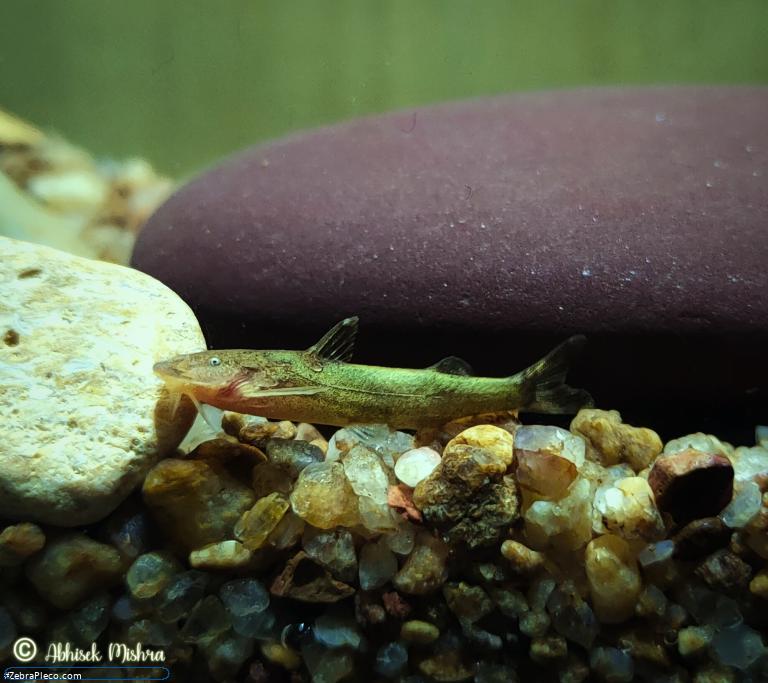
Fine sand for the bottom and smooth pebbles / rocks. The presence of plants like Vallisneria, Myriophyllum will also help as these fish seem to prefer hiding in clumps of plants.
Compatibility & Suggested Tankmates
A peaceful species suitable for a hillstream biotope.Extreme care should be taken while choosing their tankmates as these fish are extremely poor at competing for food.
Tankmates: Cyprinids like Barilius and Danios and Balitorine loaches like Homaloptera species. Other fish species found in the same habitat include Aspidoparia morar, Barilius bendelisis, B. shacra, B. vagra, Crossocheilus latius, Garra lissorhynchus , Psilorhynchus balitora, P. sucatio ,Canthophrys gongota, Lepidocephalichthys guntea , Acanthocobitis botia,Schistura savona , Amblyceps mangois , Batasio tengana, Erethistoides sicula , Pseudolaguvia foveolata, P. ribeiroi, P.shawi and Parambassis ranga .
Breeding Notes
No member of this genus has been bred in the aquarium.
Habitat & Water Parameters
Natural distribution, biotope water conditions and temperature ranges
Geographic Distribution
Asia: Tista River in West Bengal, India.
Indian waters, North Eastern India Waters, Padma, Jamuna, Brahmaputra, Manas (Mou chhu) (click on these areas to find other species found there)
Indian waters, North Eastern India Waters, Padma, Jamuna, Brahmaputra, Tista (click on these areas to find other species found there)
Login to view the map.
Species Description & Identification
Morphology, diagnostic traits and sexual dimorphism
Identification
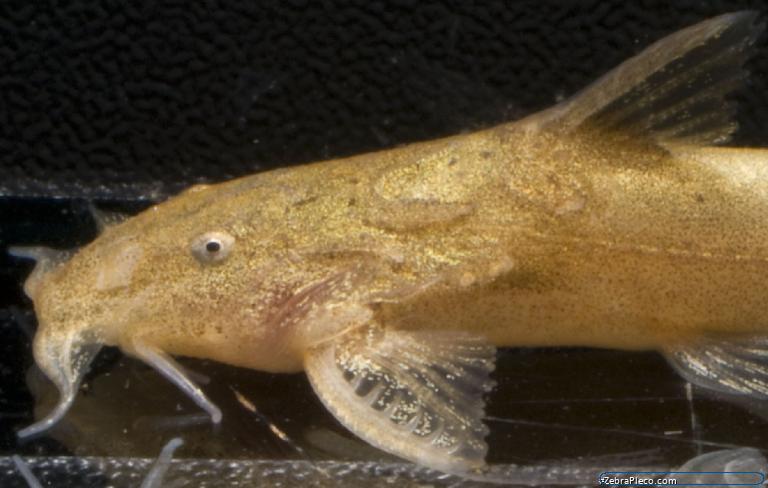
Members of the genus Pseudolaguvia are small erethistid catfishes inhabiting hill streams and large rivers in the area bordered by the Ganges River drainage (northern India) to the west and the Sittang River drainage (east-central Myanmar) to the east. They can be distinguished from other sisorids by their small size,a combination of a thoracic adhesive apparatus with a median depression and prominent postcoracoid processes.
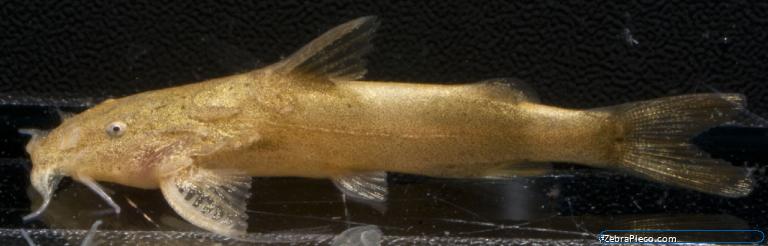
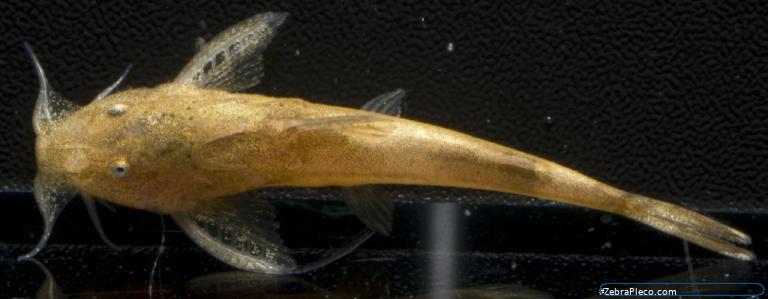
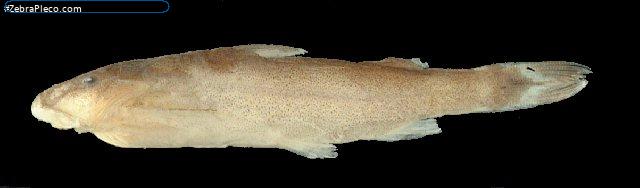
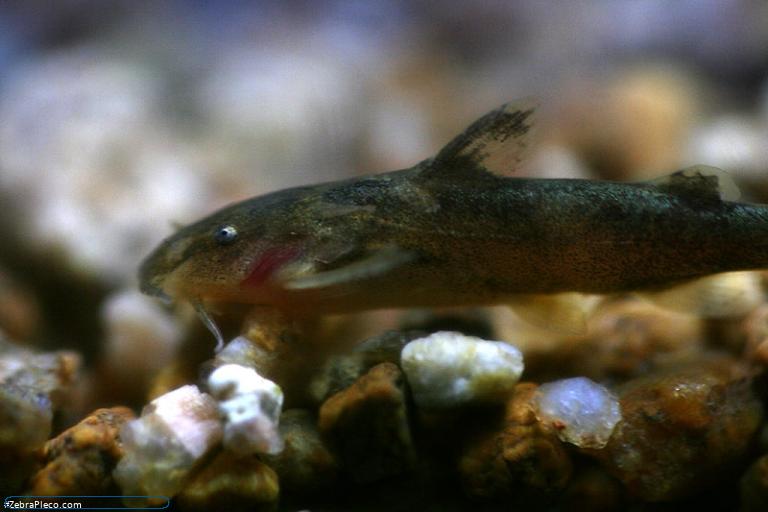
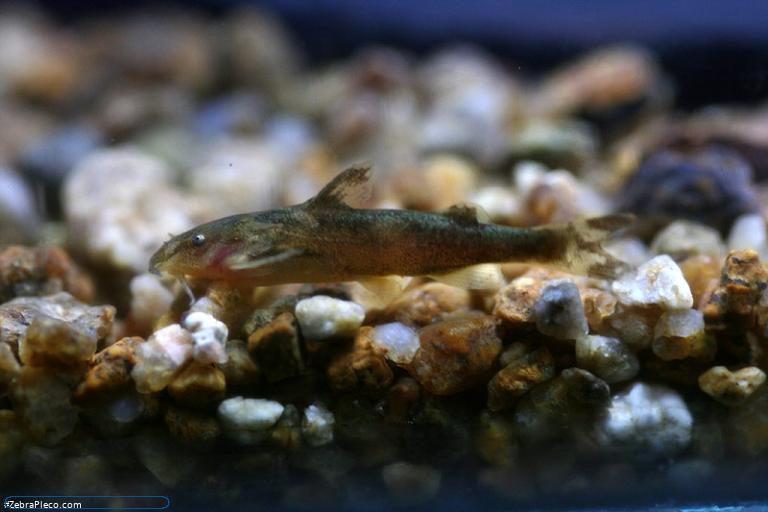
Pseudolaguvia ferula differs from congeners in having a terete head and body (vs.
slightly depressed body and strongly depressed head). This difference in body form is
easily manifested in the head width (17.1–19.1% SL vs. 19.4–24.3). It can also be
distinguished from congeners in having a smaller anterior fontanel (about one third the
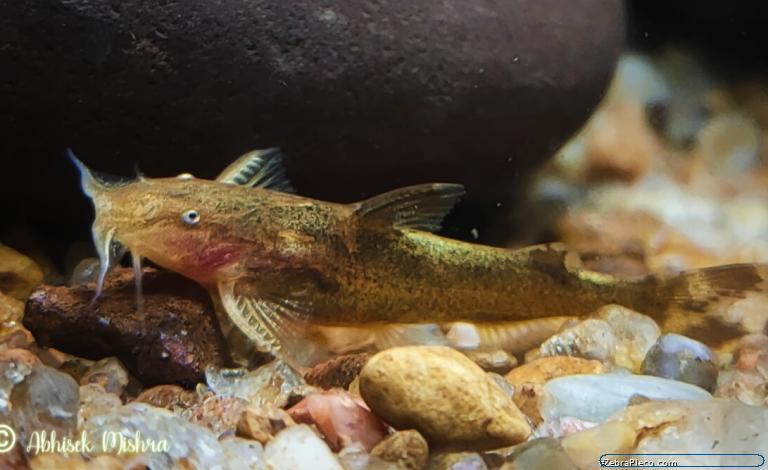
length of the frontals vs. at least half the length; Fig. 2), and very faint, poorly contrasting
cream bands that are sometimes absent on some individuals (vs. sharply contrasting cream
bands on a brown body).
Sexual Dimorphism (Sexing)
Not known.
Taxonomy, Synonyms & Etymology
Classification history, linguistic derivations and variant forms
Pronunciation
sue doh lah GOO vee ah - fer u laa
Etymology
From the Latin ferula, meaning rod, in reference to the terete head and body in this species, which makes it considerably narrower than congeners. Used as a noun in the nominative singular.
Literature & Resources
Scientific publications, external links and citation tools
Literature & References
External Databases
Related Searches