PAGE_HEADER
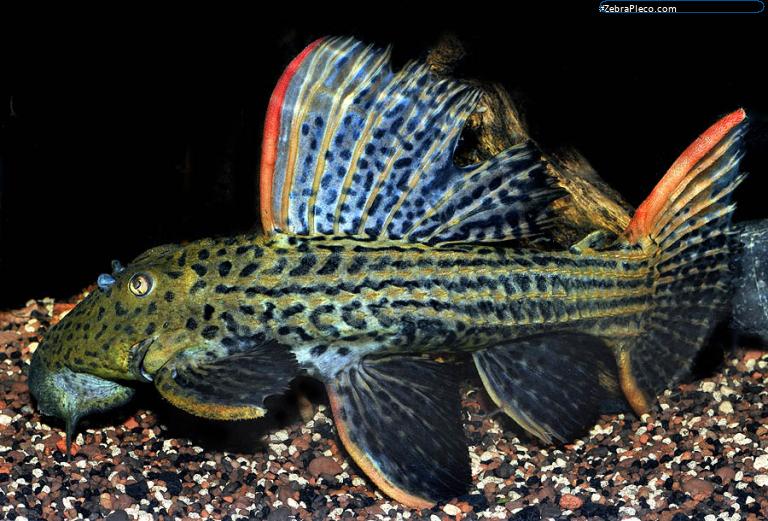
Pseudacanthicus pirarara Chamon & Sousa, 2016
Image Showcase
Photographs, diagnostic angles and morphological variants
Community & Keeper Tally
Member interactions, breeding records and forum mentions
Aquarium Care & Husbandry
Dietary requirements, tank setup, compatibility and breeding
Feeding & Diet
Carnivore although not a predator, prawns and chopped mussel appear favourites and promote favourable growth. Some vegetable should also be provided and thus balances diet. [View Member Food Stats]
Aquarium Furniture & Decor
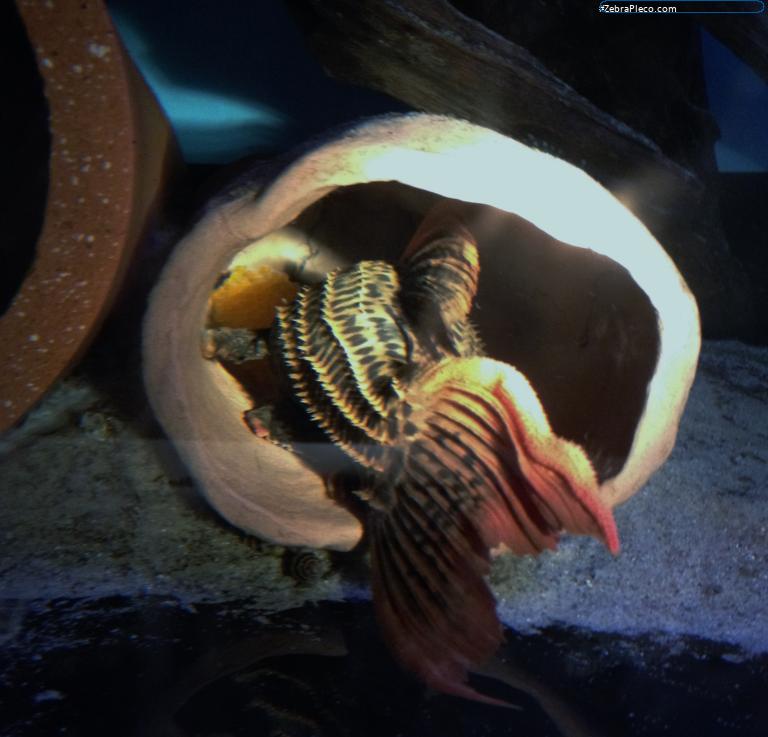
A potentially large pleco that will need robust decoration in the tank. Fairly reclusive and will need cover to hide in. Care must be taken that no other inhabitants of the aquarium attempt to dispute ownership of this cover. This fish will fight for the territory and, with its array of spines and hooks, can cause serious damage.
Compatibility & Suggested Tankmates
aggressively territorial and may cause problems if housed with similar sized nocturnal fish.
Tankmates: The temptation with large tough Loricariids is to keep them with large, tough other fish such as Oscars or other brutish characters. This actually works quite well with most omnivorous or mainly vegetarian plecos. Pseudacanthicus however are big messy carnivores, but, like all large plecos, produce vast amounts of waste and as such would require monumental filtration to house alongside non-catfish ''equals''. It is better to think of these catfish as the centerpiece fish and stock their aquarium with medium sized (preferably omnivorous) fish. All sizes of barbs work surprisingly well.
Breeding Notes
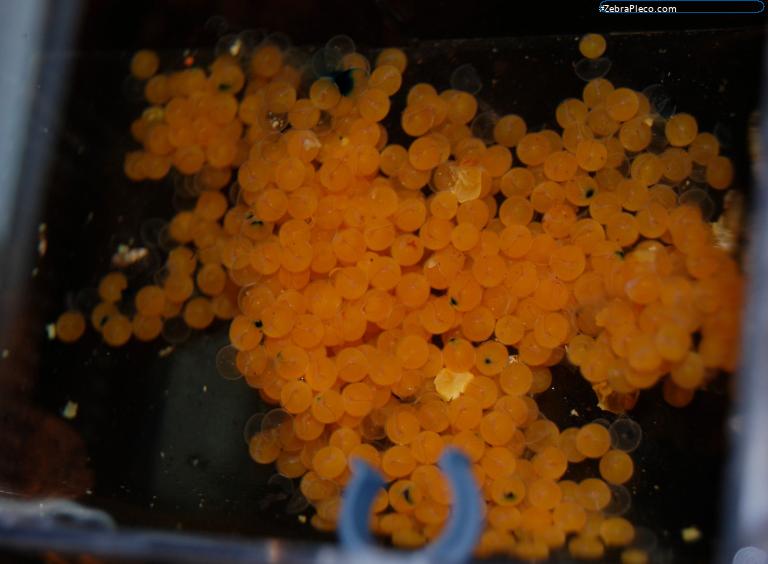
Unknown but almost certainly a cave or pipe spawner.
Habitat & Water Parameters
Natural distribution, biotope water conditions and temperature ranges
Geographic Distribution
Lower and Middle Rio Xingu, and its tributaries, the Rio Bacajá and Rio Iriri.
Amazon, Lower Amazon, Xingu, Lower Xingu (click on these areas to find other species found there)
Amazon, Lower Amazon, Xingu, Middle Xingu (click on these areas to find other species found there)
Login to view the map.
Species Description & Identification
Morphology, diagnostic traits and sexual dimorphism
Identification
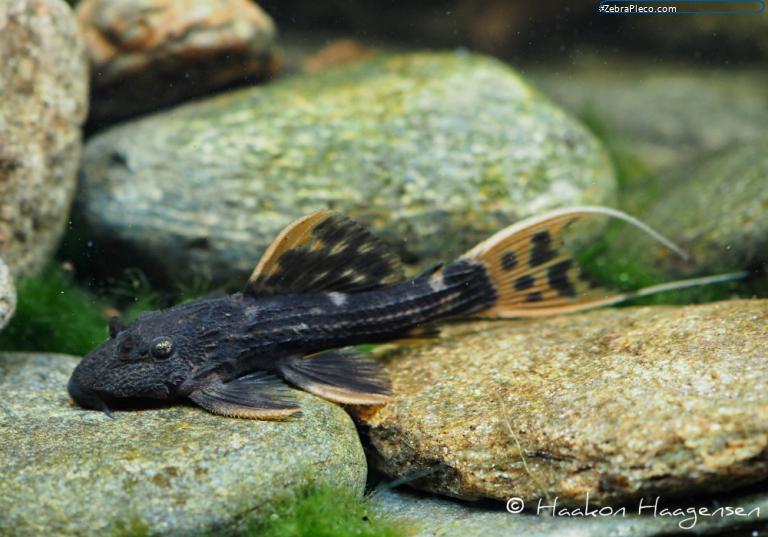
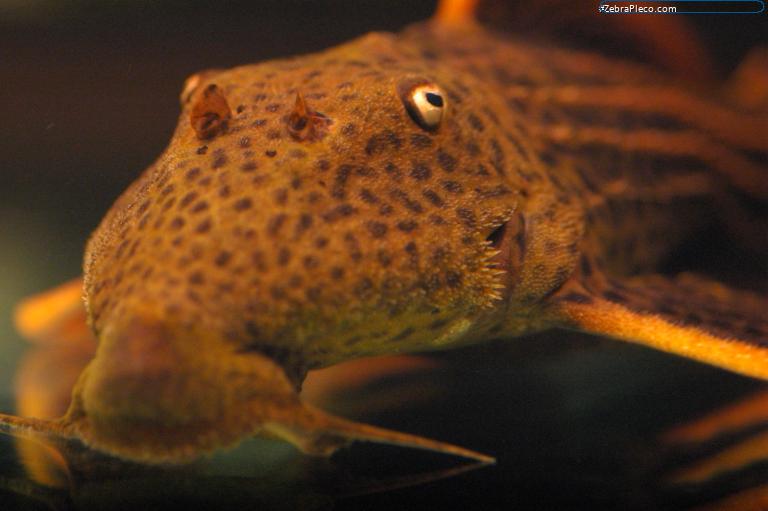
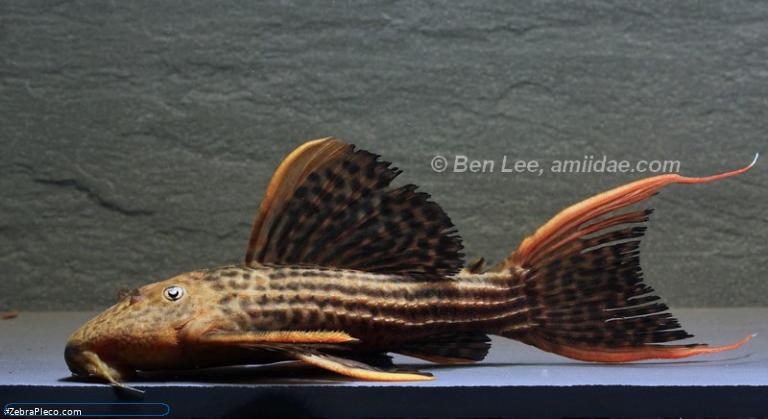
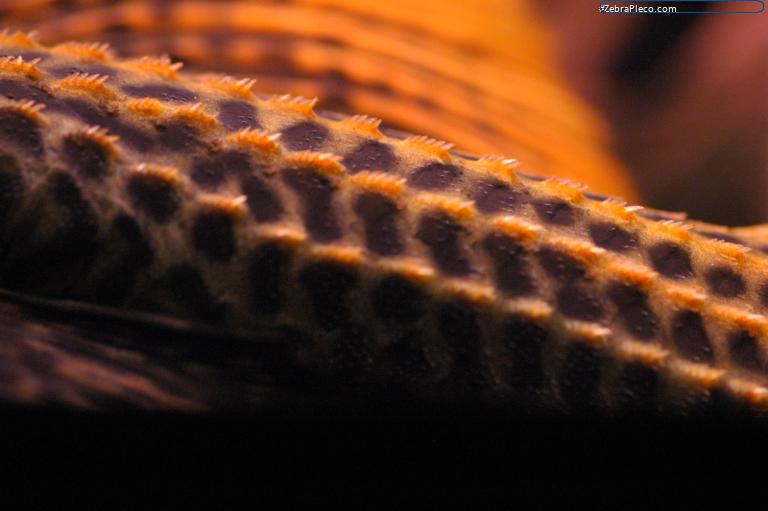
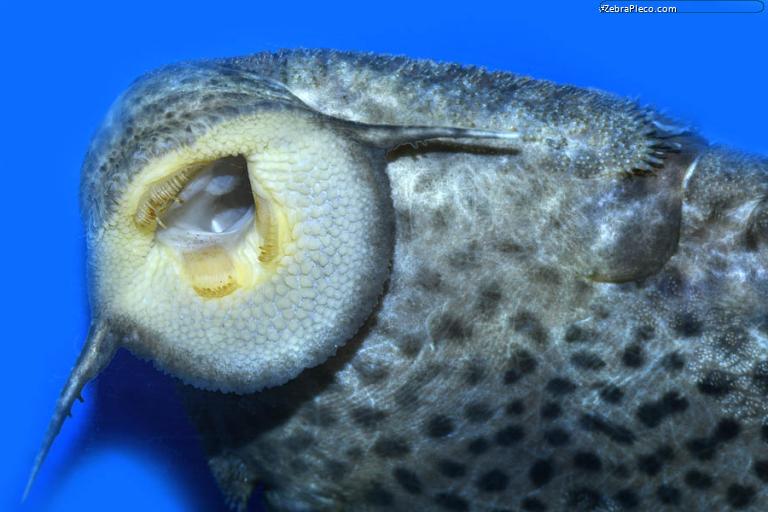
The German common name for this genus is ''Cactus Pleco''. A good name! Pseudacanthicus is a member of the Acanthicus clade. Species of the Acanthicus clade are distinguished from other Loricariidae species by the presence of (1) longitudinal rows of keels (pointed odontodes) along the body sides; (2) eight or more dorsal-fin rays (vs. six or seven in most other loricariids except Pterygoplichthys, Chaetostoma, Pogonopoma and Pseudancistrus pectegenitor); (3) seven to eight infraorbitals (vs. usually five or six); (4) five anal-fin branched rays (vs. usually four); and (5) presence of hypertrophied odontodes along the snout margin (vs. hypertrophied odontodes absent in other loricariids except Isbrueckerichthys and Pareiorhaphis, in Neoplecostominae; Panaque and Pseudancistrus and Neblinichthys, in Ancistrini; and most dimorphic males of Loricariinae). Within the Acanthicus group, Pseudacanthicus is distinguished by the presence of two small plates in the posterior area of the compound pterotic (vs. one median plate or plate absent), and by the presence of narrow premaxillae with a small number of elongate and curved teeth (except from Leporacanthicus).
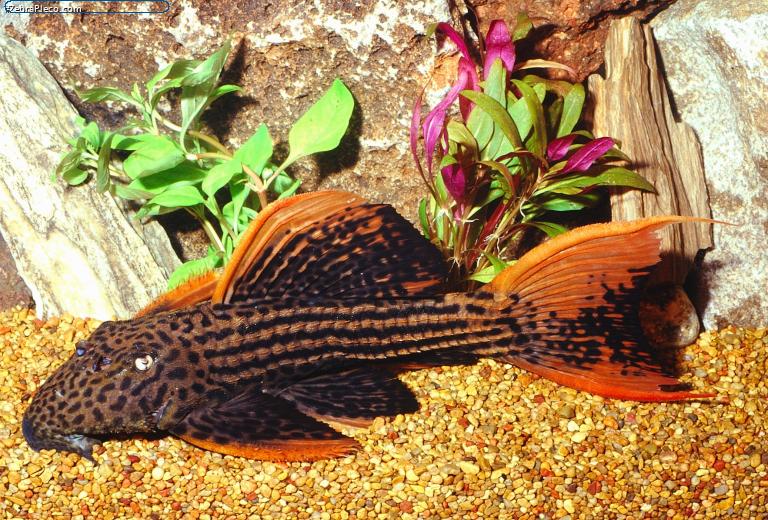
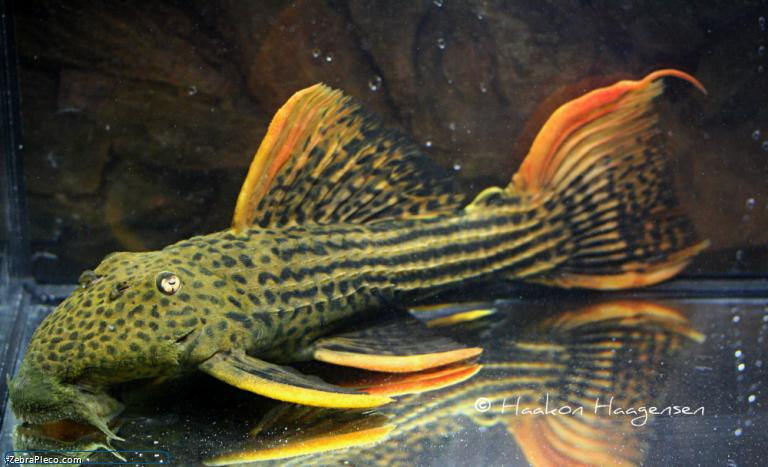
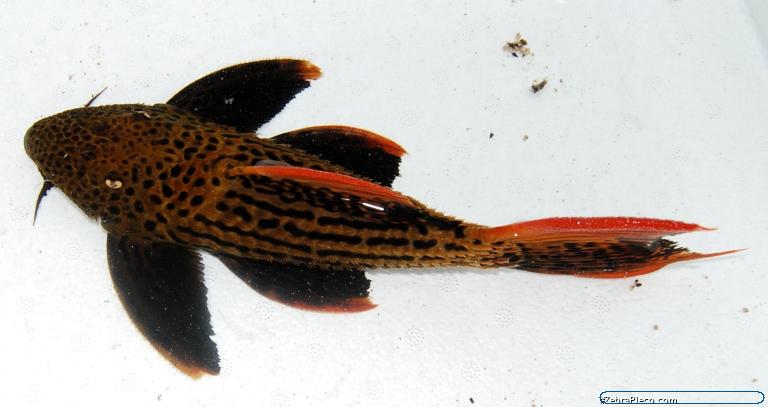
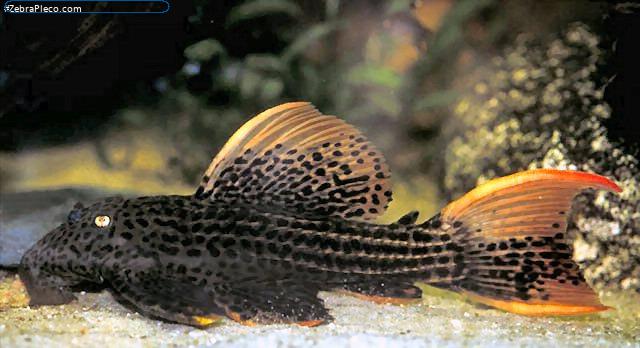
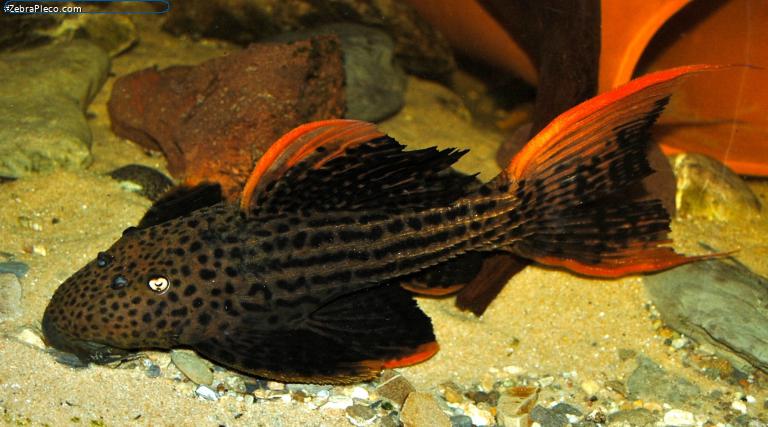
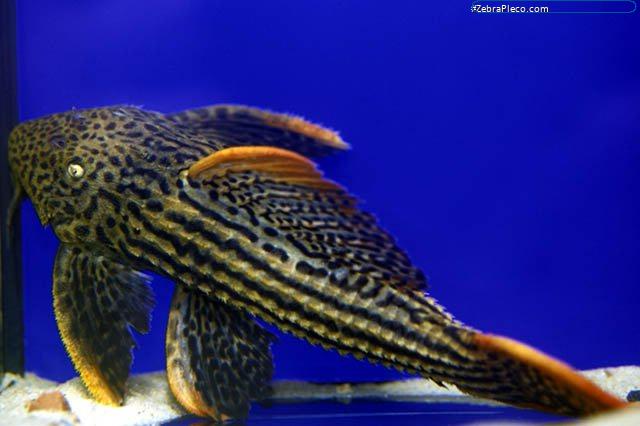
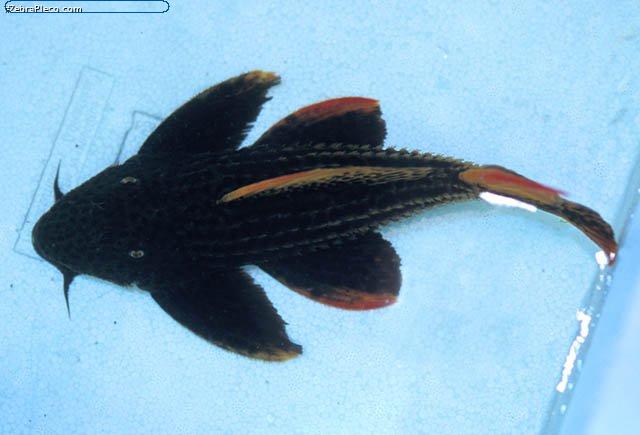
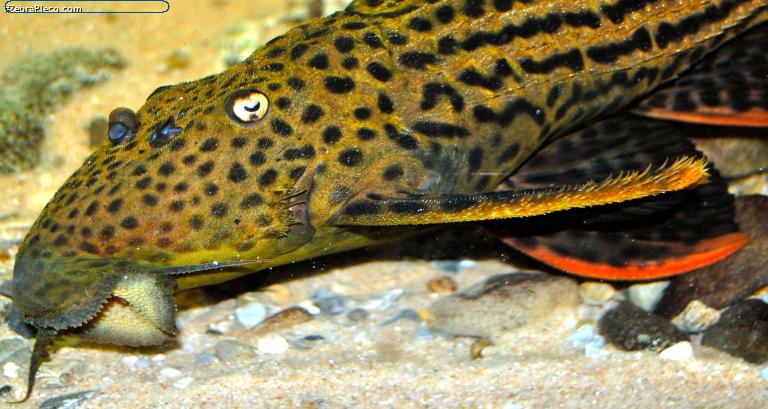
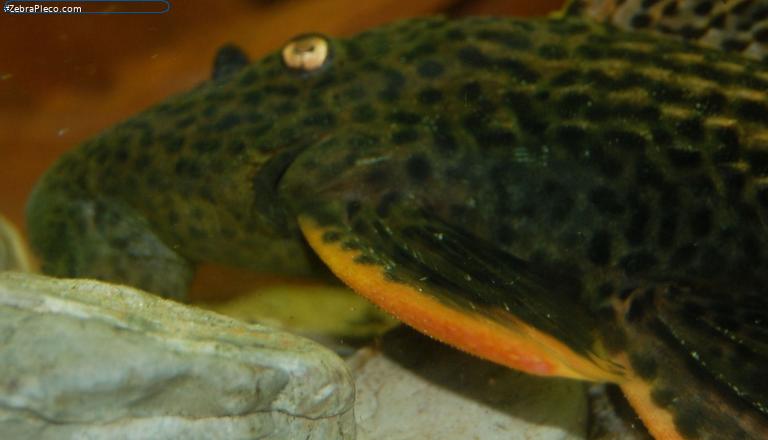
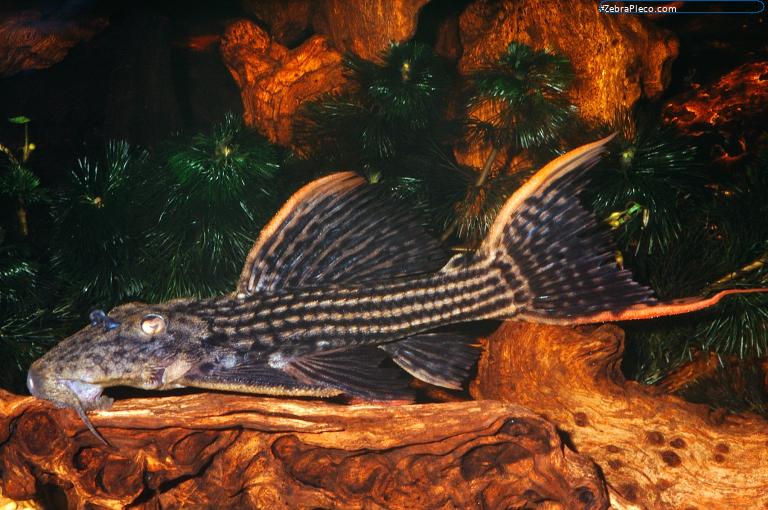
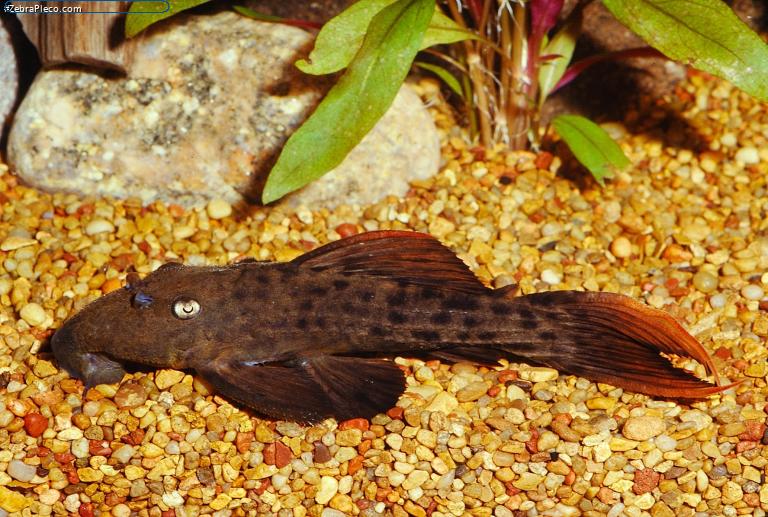
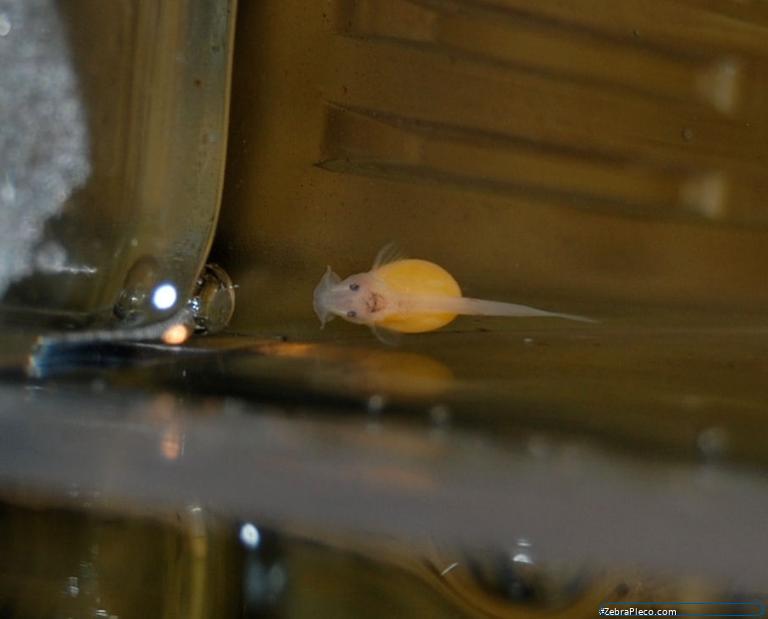
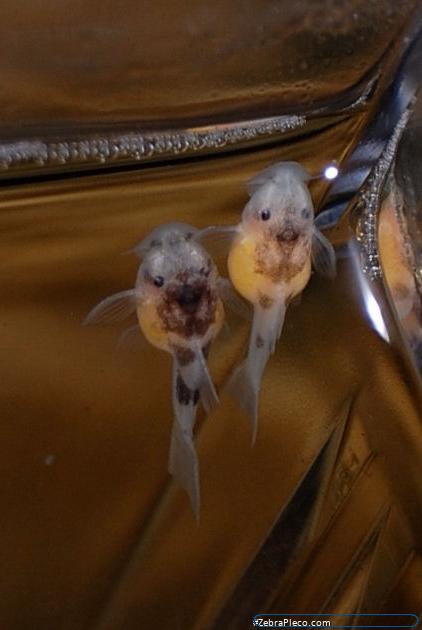
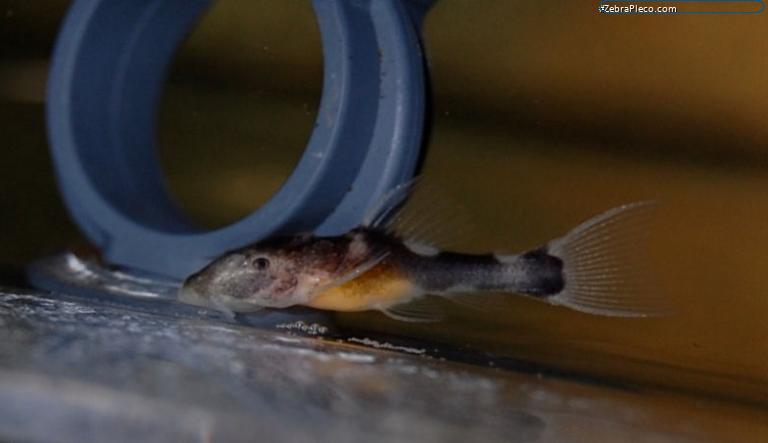
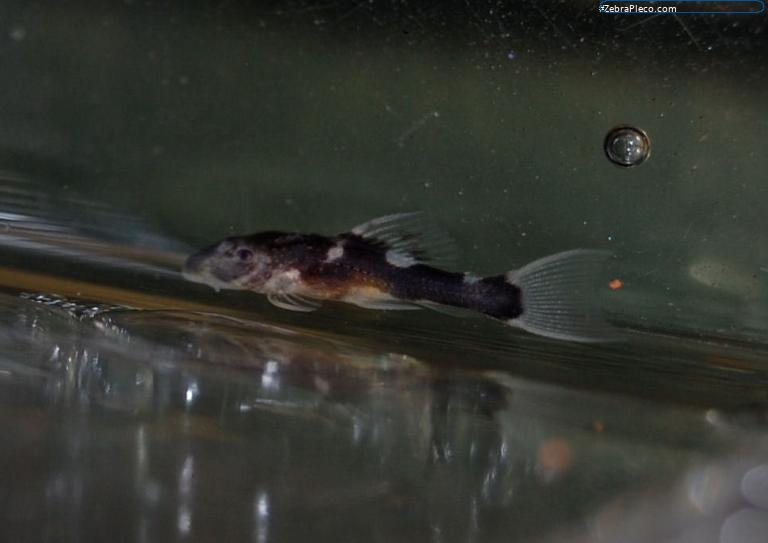
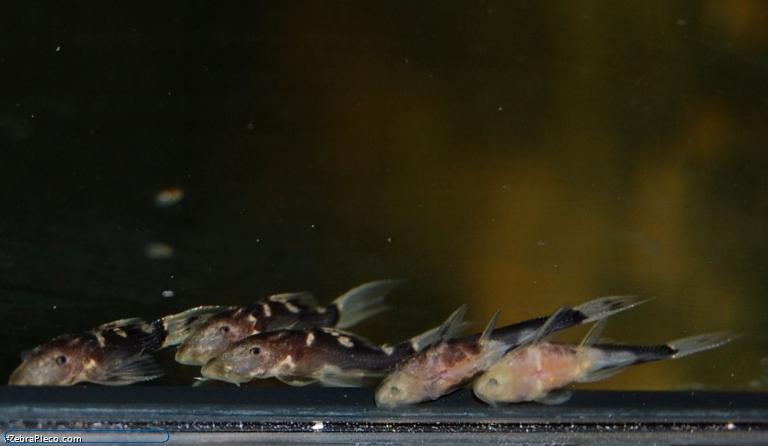
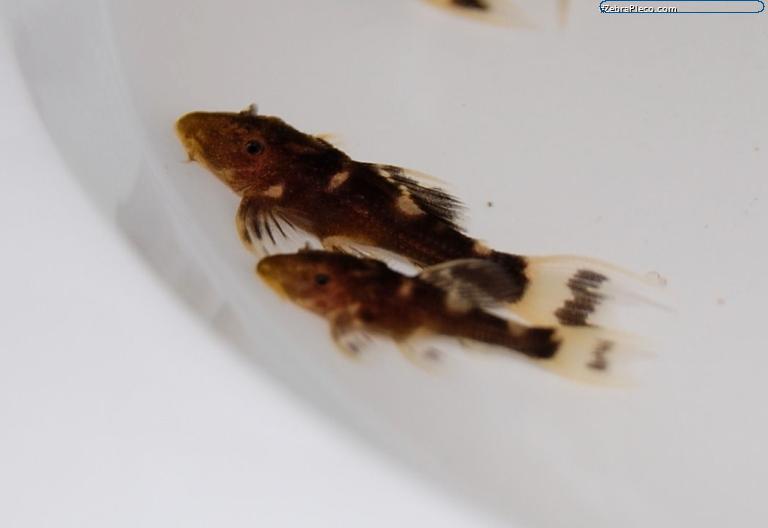
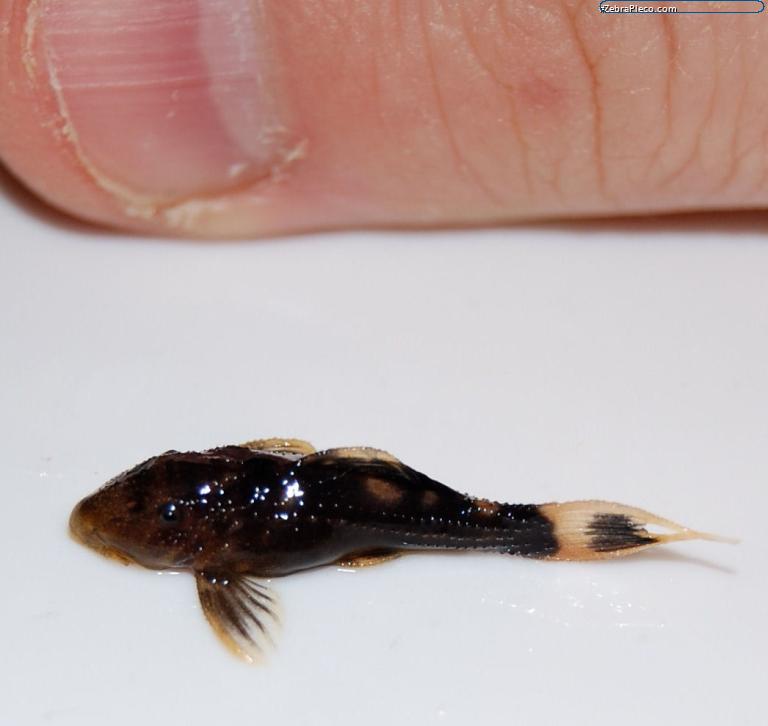
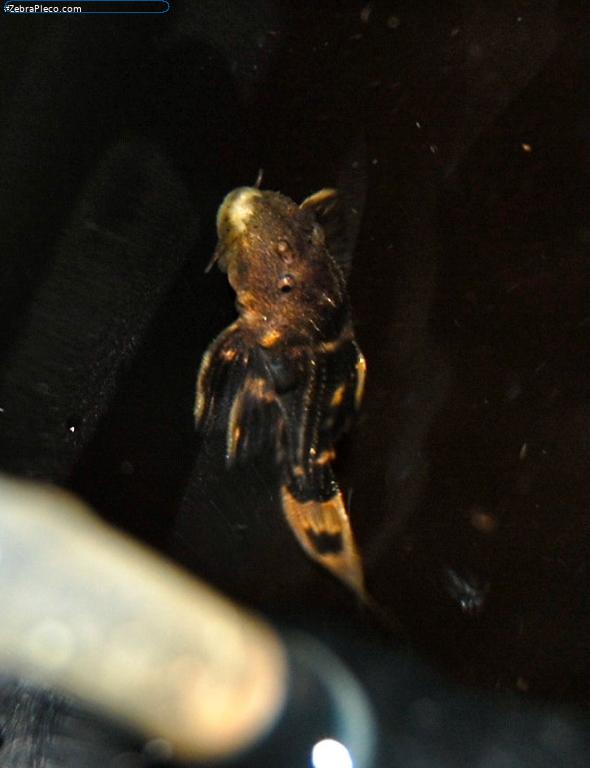
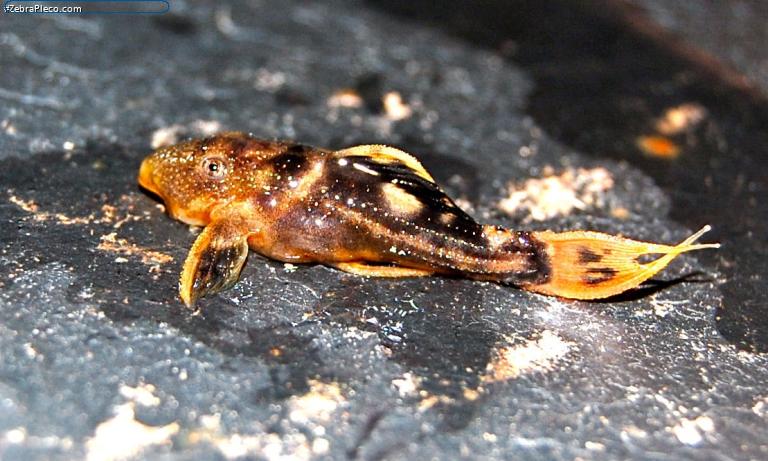
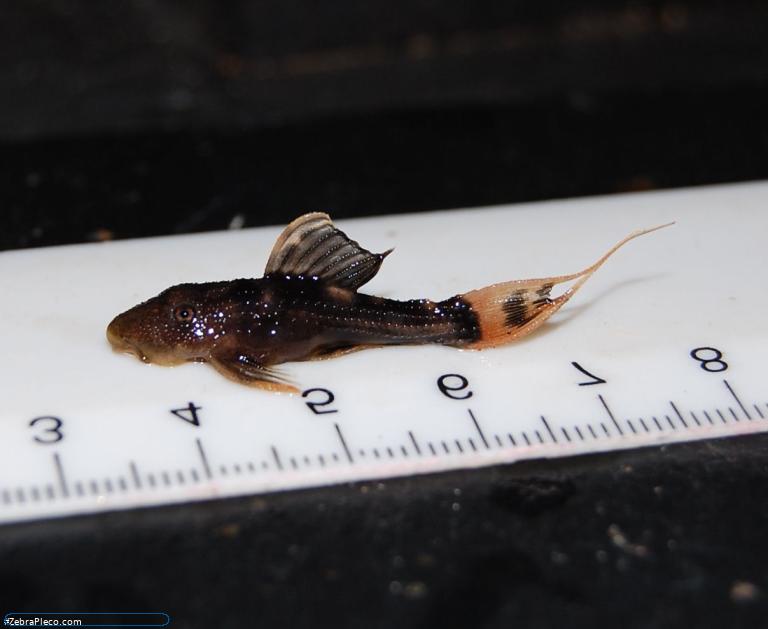
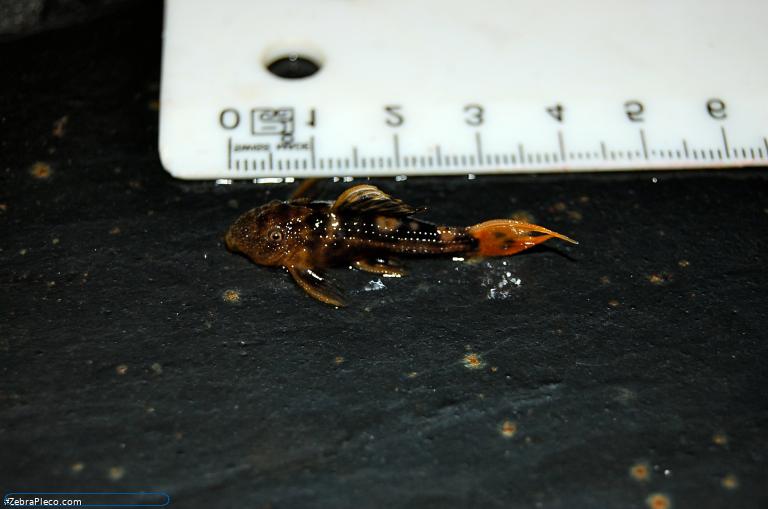
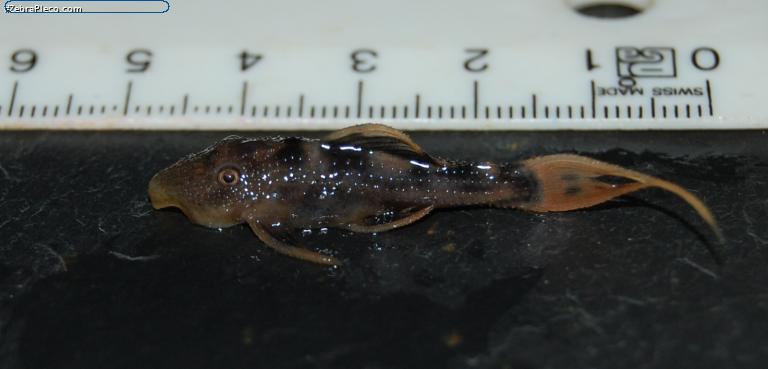
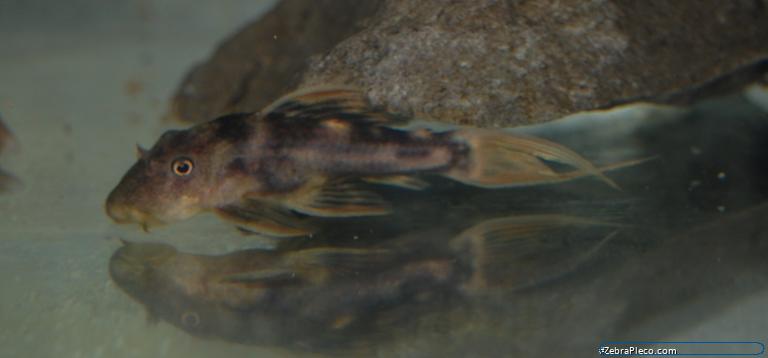
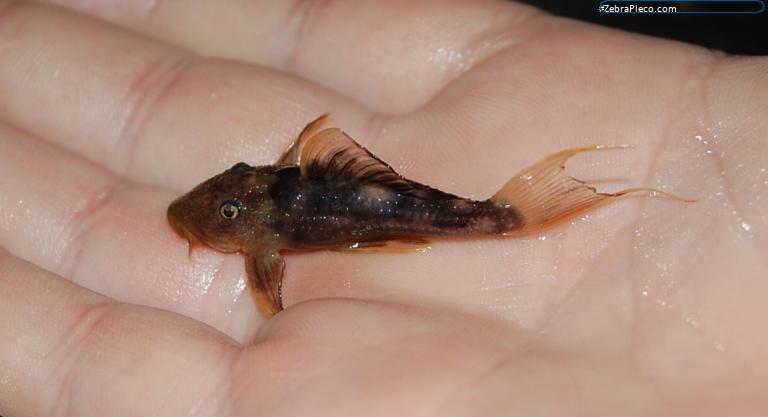
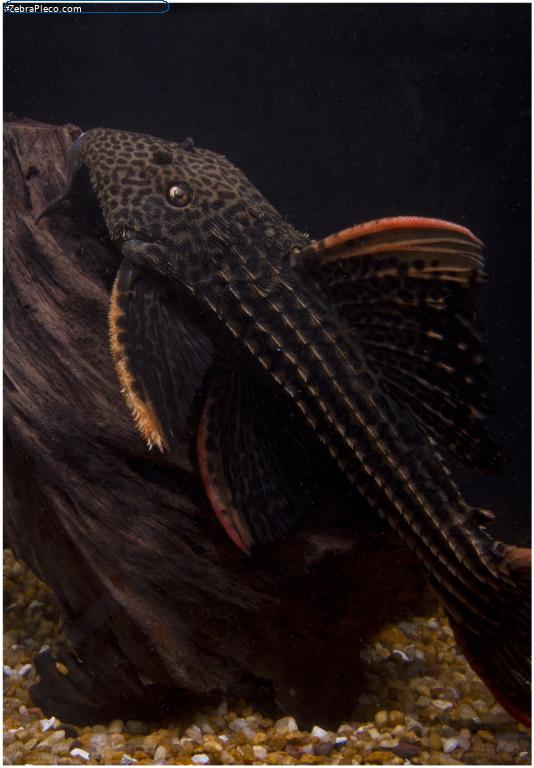
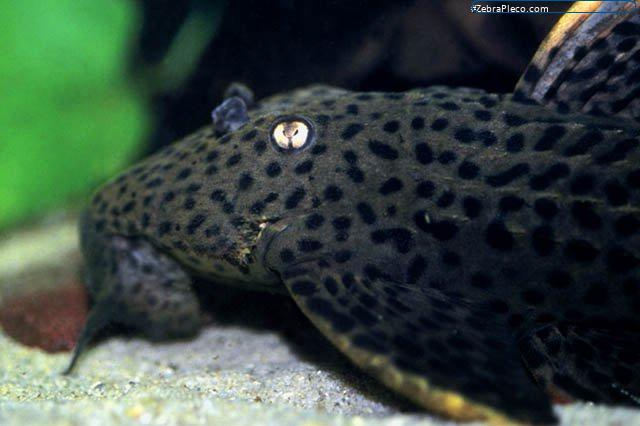
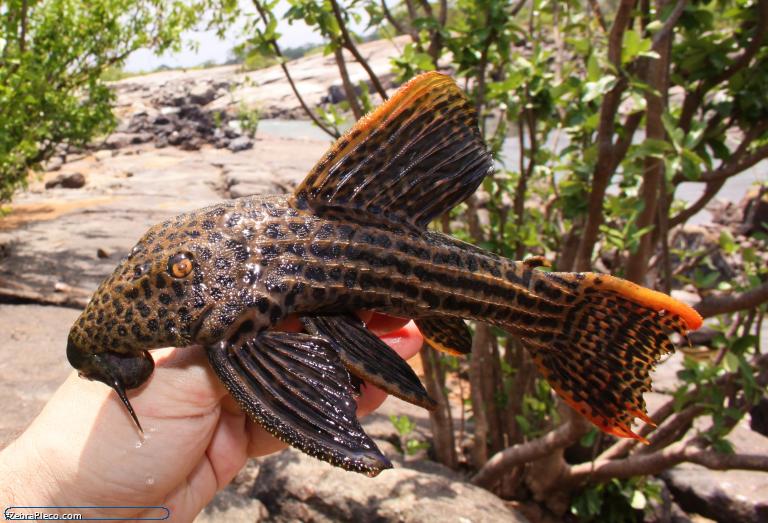
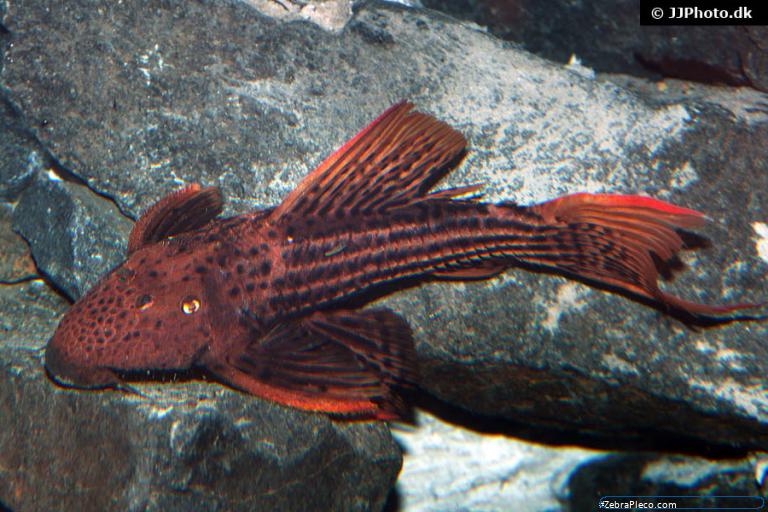
Similar to L024 but with considerably more red colour in the fins and more pronounced black spots. The eyes of L025 are different and give the fish a hooded almost ''evil'' look. Large, monstrously impressive (16''+), individuals have been imported.
Sexual Dimorphism (Sexing)
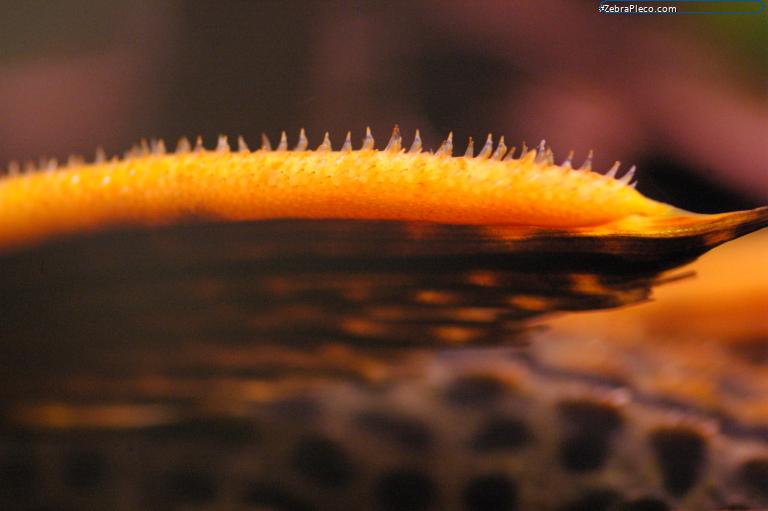
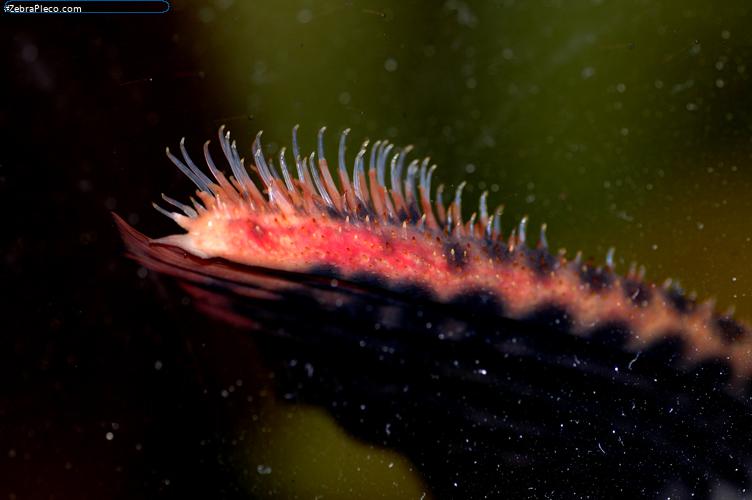
Mature males have considerably more odontodal growth on most fins rays but the pectorals are most adorned. Females fill out quite considerably in relation to the slender males.
Taxonomy, Synonyms & Etymology
Classification history, linguistic derivations and variant forms
Pronunciation
SUE dah KAN thi cuss
Etymology
Pseud- Greek: False, Acanthicus - Greek: Spiny, Thorny. Literally "False Acanthicus" referring to this genus being similar to, yet different from, Acanthicus. The specific epithet is derived from local fishermen's common name for this species, the "assacu-pirarara:" Pirarara refers to the species' reddish fins (this is also the Brazilian common name the red tail catfish, Phractocephalus hemioliopterus); "Assacu" is a common name for the Amazon tree Hura crepitans, which has bark covered with conical spines.
Literature & Resources
Scientific publications, external links and citation tools
Literature & References
External Databases
Related Searches