PAGE_HEADER
Panaqolus nix Cramer & Rapp Py-Daniel, 2015
Image Showcase
Photographs, diagnostic angles and morphological variants
Community & Keeper Tally
Member interactions, breeding records and forum mentions
Aquarium Care & Husbandry
Dietary requirements, tank setup, compatibility and breeding
Feeding & Diet
This genus feeds on wood, and should have several pieces, preferably several kinds of wood to chew on. Aside from wood, a mainly vegetarian diet is recommended, prepared food such as algae wafers and fresh vegetables, such as courgette (zucchini) and tubers such as potato or sweet potato (yams). [View Member Food Stats]
Aquarium Furniture & Decor
Rock piles are optional and wood tangles are a must. Plants are not vital and will be nibbled or destroyed.
Compatibility & Suggested Tankmates
Tankmates: Works well with most types of peaceful community fish. Can be somewhat territorial towards conspecifics, but given enough hiding spaces, a group can be kept in a suitable size aquarium - roughly requiring a 30 x 30cm area per fish.
Breeding Notes
Unreported in the aquarium.
Habitat & Water Parameters
Natural distribution, biotope water conditions and temperature ranges
Geographic Distribution
The known distribution of this species is the Madeira basin, including the Madeira, Mamoré, and Tambopata.
Amazon, Middle Amazon (Solimoes), Madeira, Madre de Dios (click on these areas to find other species found there)
Login to view the map.
Species Description & Identification
Morphology, diagnostic traits and sexual dimorphism
Sexual Dimorphism (Sexing)
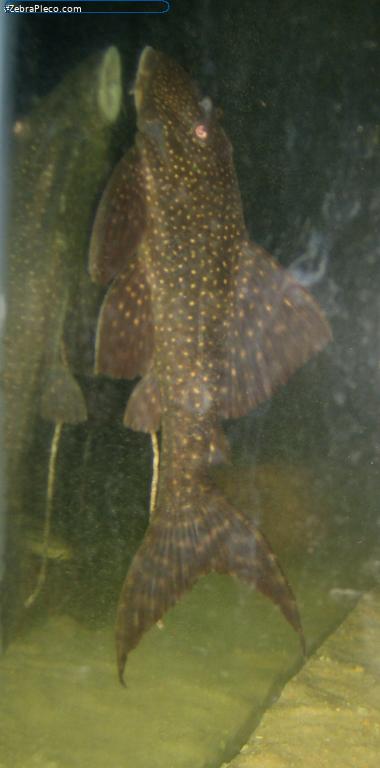
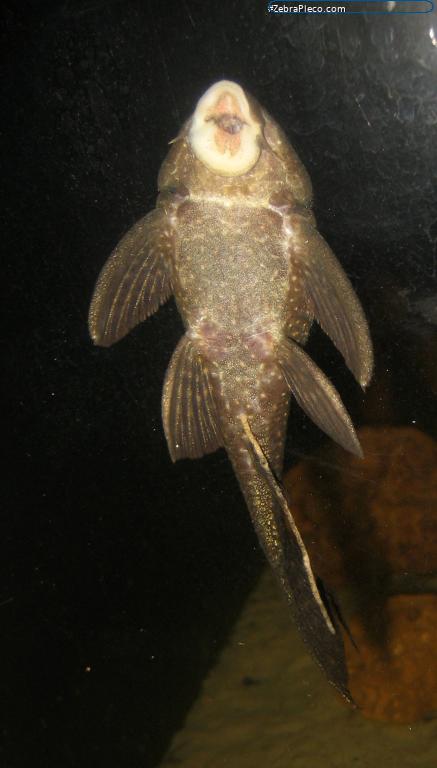
Like all members of the genus, males grow elongated interopercular odontodes during the breeding season. Males develop noticeable odontodes along the dorsum (back of the body) as well. Males develop small pointed genital papillae, whereas mature females will have large, rounded, swollen papillae. Additionally, gravid females have noticeably wider bodies between the pectoral and pelvic fins when viewed from above, compared to males.
General Remarks
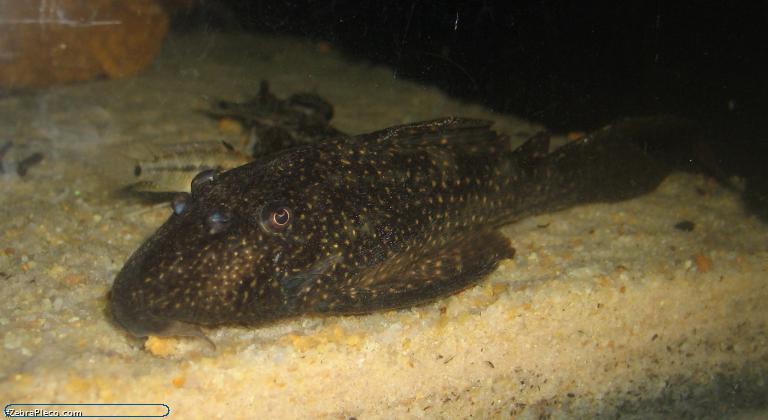
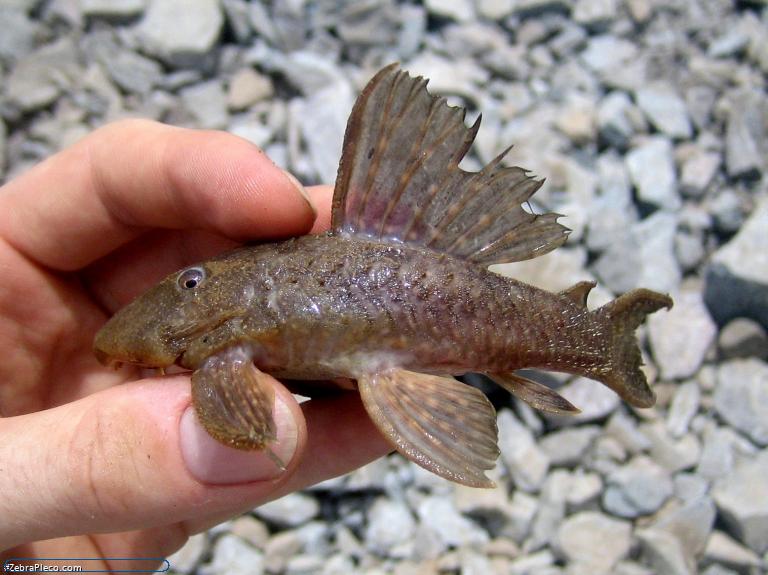
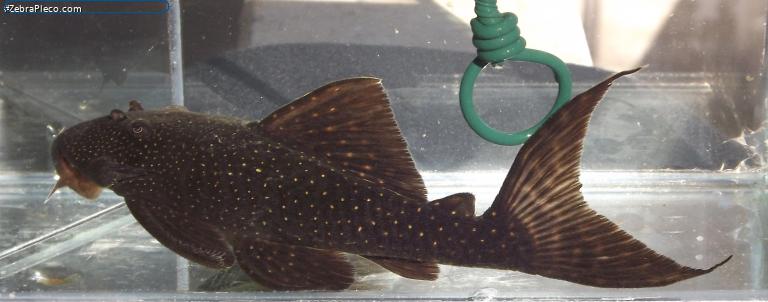
This species will appear dark with white spots in the aquarium, but in nature, much paler specimens are found. The text in the original description doesn't say so directly, but implies that this happens in water that isn't very clear. They will turn dark with small white spots over a period of a few days when kept in clear water.
Taxonomy, Synonyms & Etymology
Classification history, linguistic derivations and variant forms
Pronunciation
pan ack oh luss
Etymology
Panaqolus: Inelegantly derived from the indigenous term Panaque and in a form that infers a smaller size than that genus. nix: From the Latin meaning snow, alluding to the colour: in dark individuals the dots look like falling snowflakes, while pale individuals look like they have the whole body covered by snow; treated as a noun in apposition.
Literature & Resources
Scientific publications, external links and citation tools
Literature & References
External Databases
Related Searches