PAGE_HEADER
Pseudohemiodon sp. `MARBLED`
Image Showcase
Photographs, diagnostic angles and morphological variants
Community & Keeper Tally
Member interactions, breeding records and forum mentions
Aquarium Care & Husbandry
Dietary requirements, tank setup, compatibility and breeding
Feeding & Diet
Pseudohemiodon are thought to feed upon aquatic invertebrates, which they locate with their web-like array of barbels. Upon contact with food, these fish will fly out of the sand in a flash, and begin a frenzied feed with their barbels twitching rapidly. Frozen bloodworm, mysis, midge larvae and mosquito larvae are readily eaten. Prepared foods such as Tetra Prima are also greedily accepted. These fish have a big appetite, and will scour the tank until all food has been located. [View Member Food Stats]
Aquarium Furniture & Decor
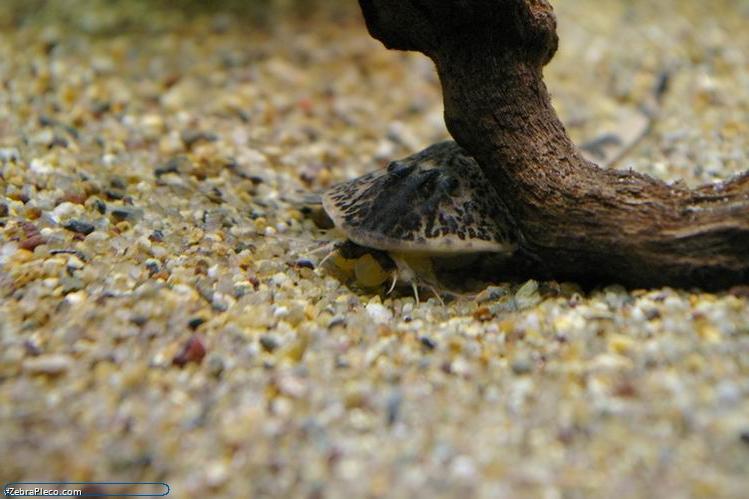
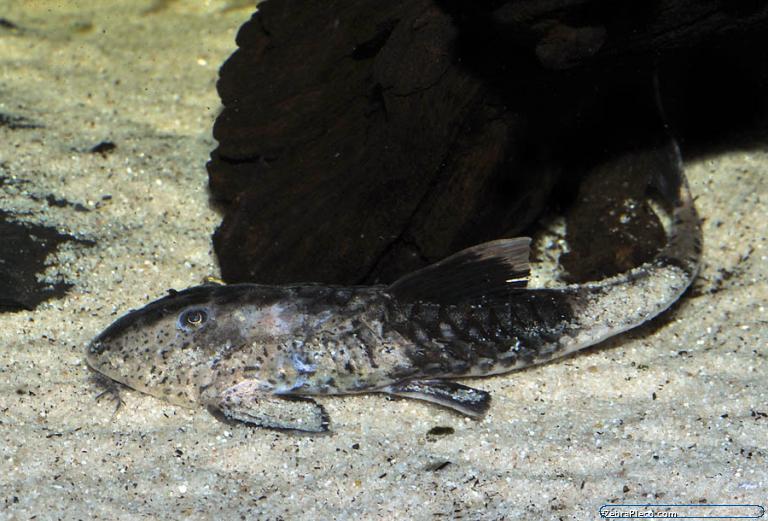
These fish are sandbank dwellers, and will need at least 3cm of soft sand in which to sift for food and bury themselves. Provide as large an area of open sand as possible for the fish to show its natural behaviour. Plants are not a good idea, as they will restrict movement. Dim lighting is appreciated.
Compatibility & Suggested Tankmates
They will co-exist alongside each other quite happily, except for the odd skirmish, which is never a serious affair.
Tankmates: A peaceful fish that likes to be left alone. It will become agitated and stressed if constantly disturbed. Do not keep this fish with large robust cichlids such as Geophagus, as their digging and boisterous activity will bother the Pseudohemiodon. Small gentle fish such as Anabantids, Dwarf Cichlids, and Tetras will be okay. Also avoid larger, more aggressive loricariids. Farlowella for example are appropriate tankmates.
Breeding Notes
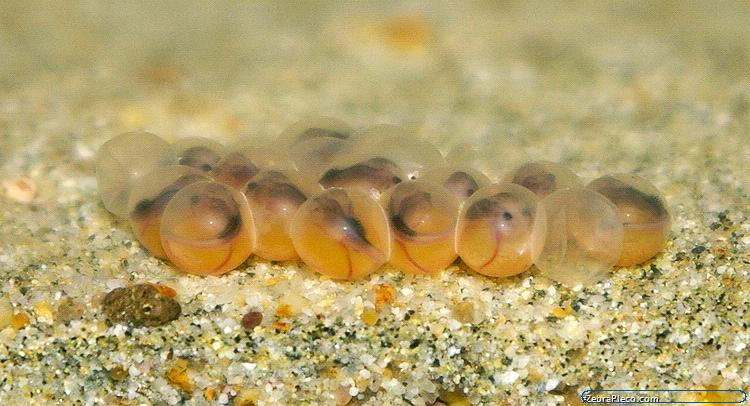
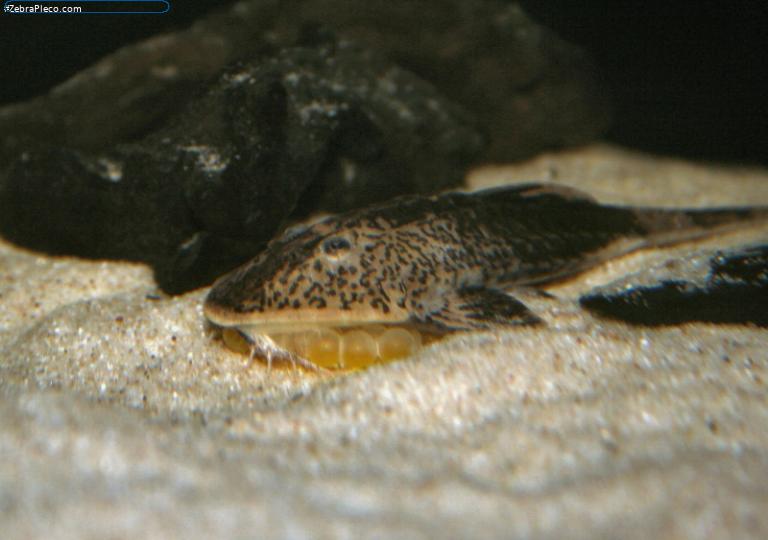
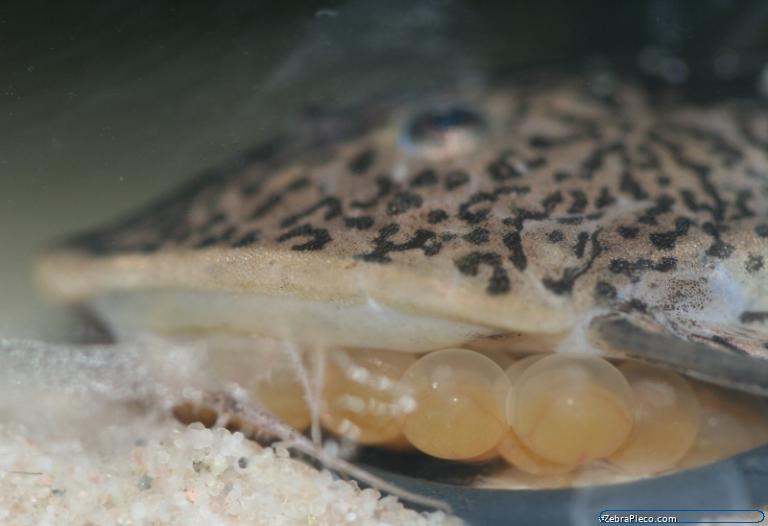
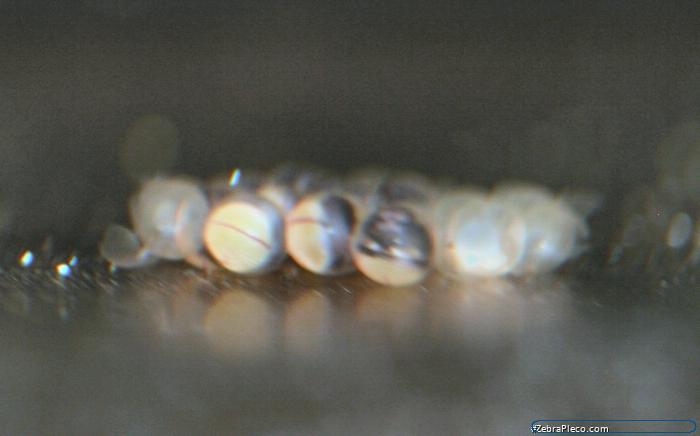
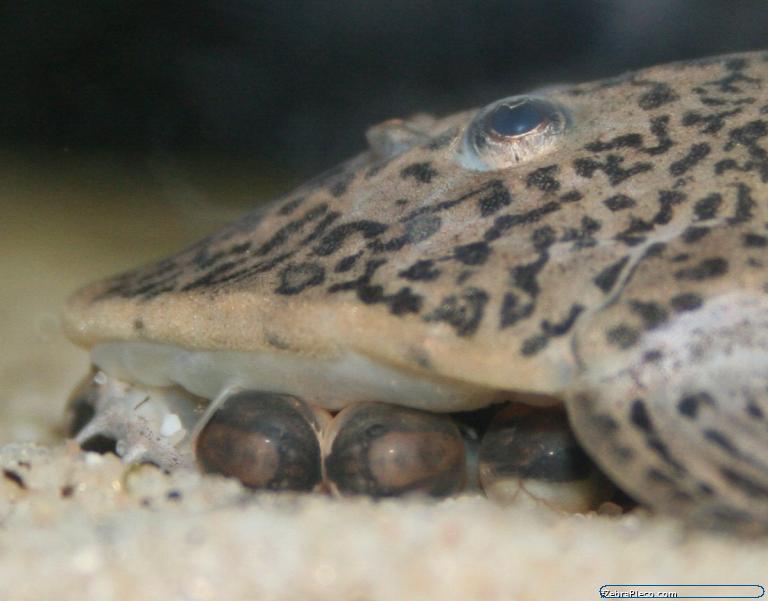
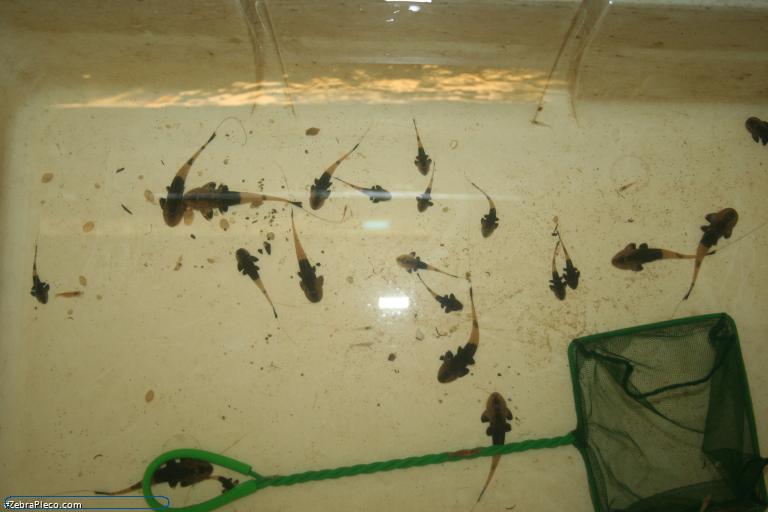
These fish are lip-brooders, as are the other members of the genus Pseudohemiodon.
Habitat & Water Parameters
Natural distribution, biotope water conditions and temperature ranges
Geographic Distribution
Is found in the Rio Itaya and Rio Alejandro, Peru. These are white-water rivers.
Amazon, Upper Amazon, Itaya (click on these areas to find other species found there)
Amazon, Upper Amazon, Marañón, Ucayali, San Alejandro (click on these areas to find other species found there)
Login to view the map.
Species Description & Identification
Morphology, diagnostic traits and sexual dimorphism
Identification
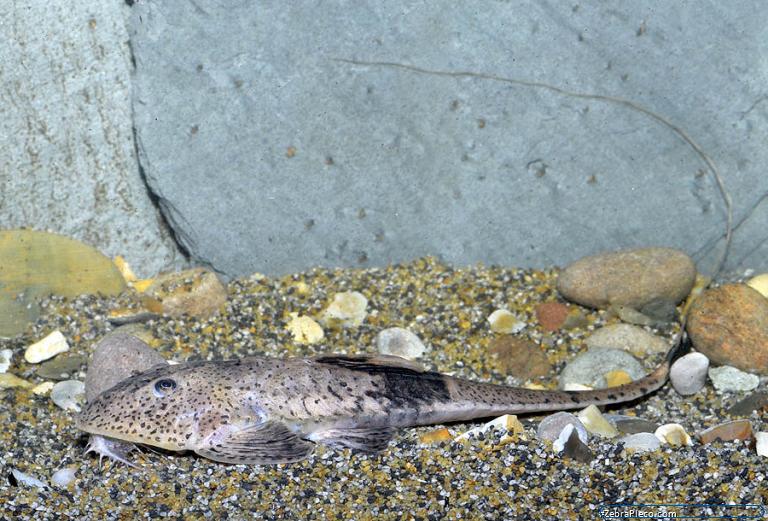
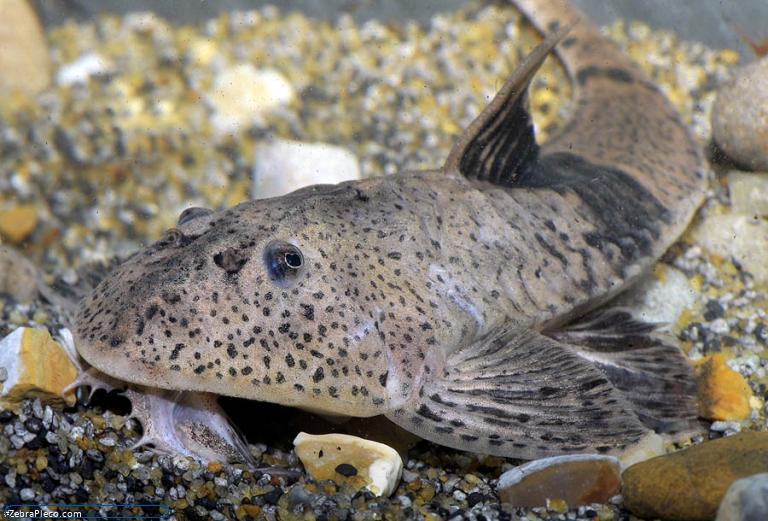
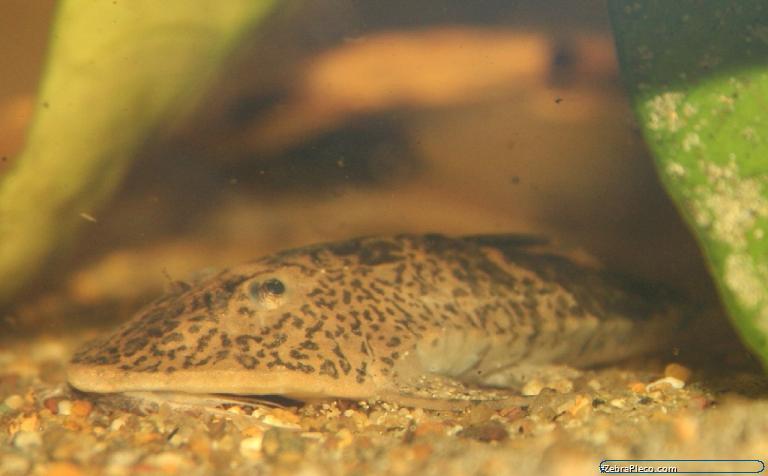
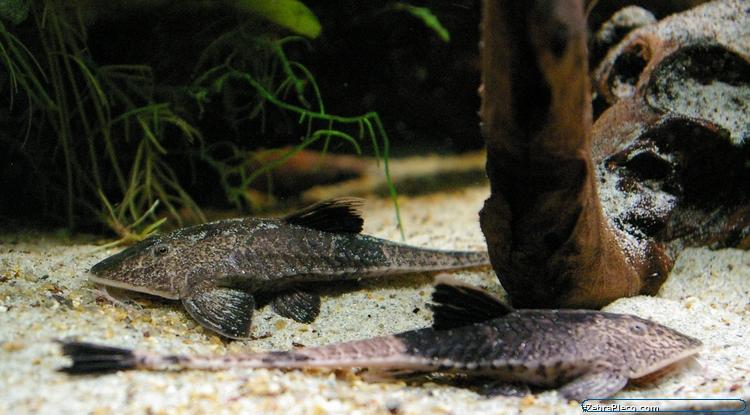
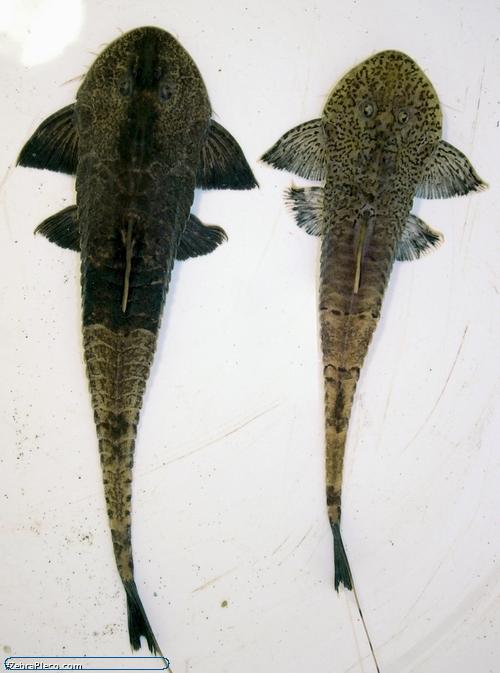
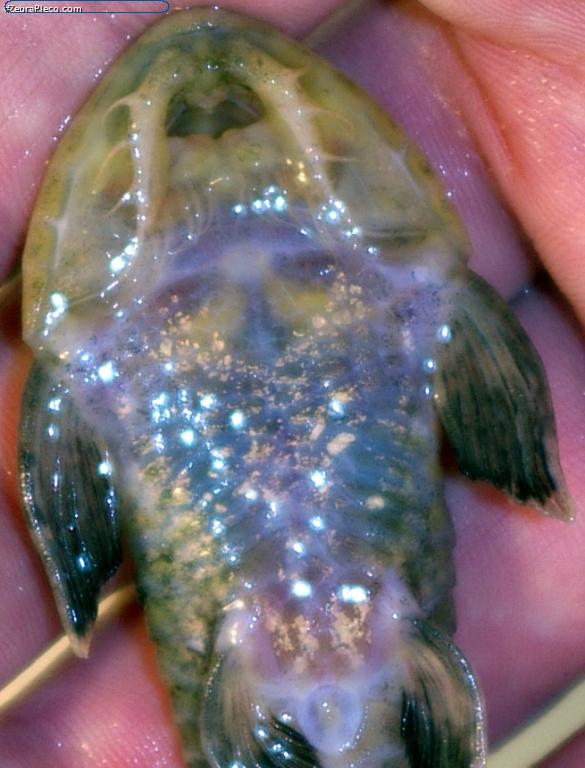
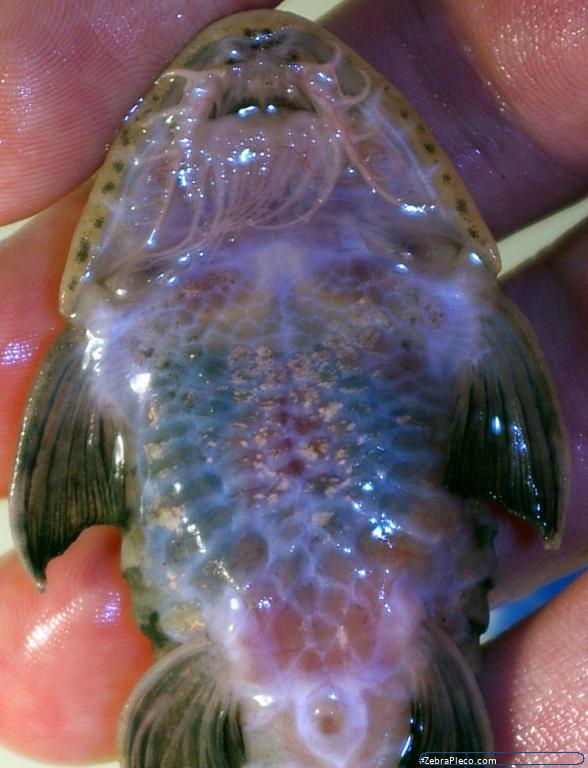
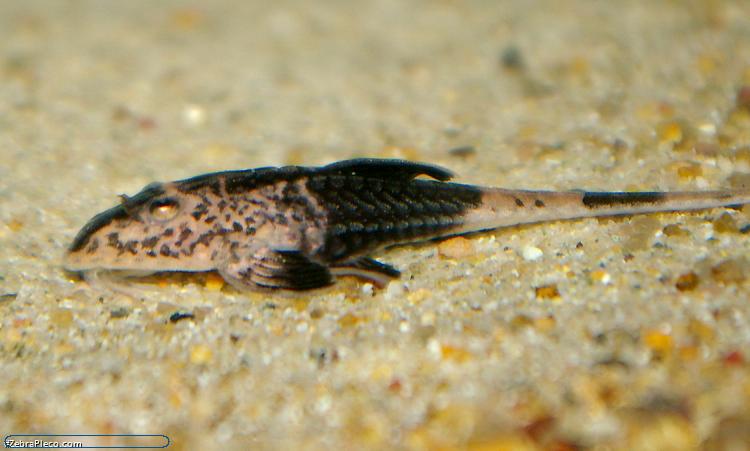
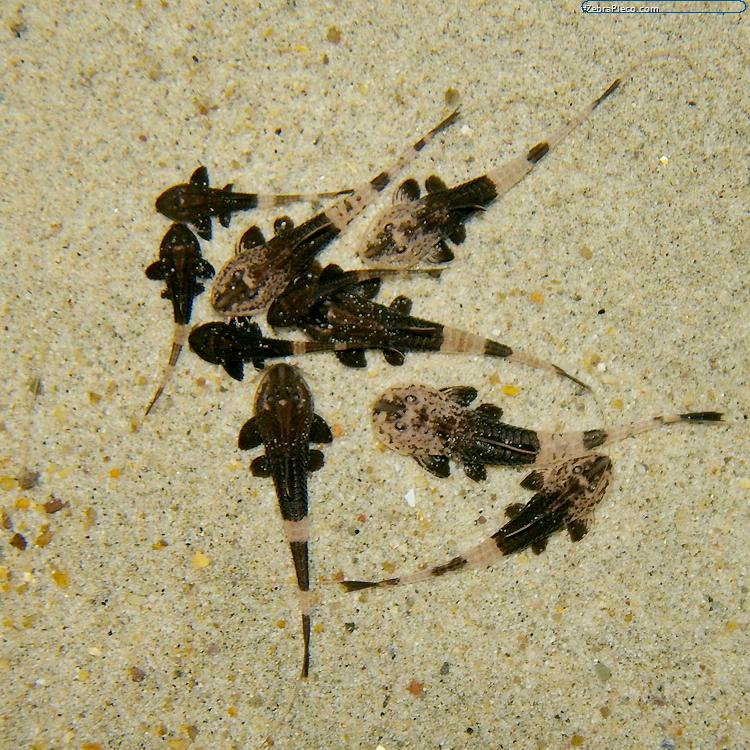
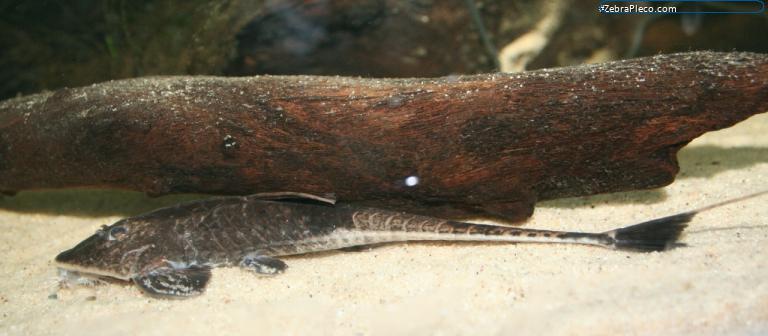
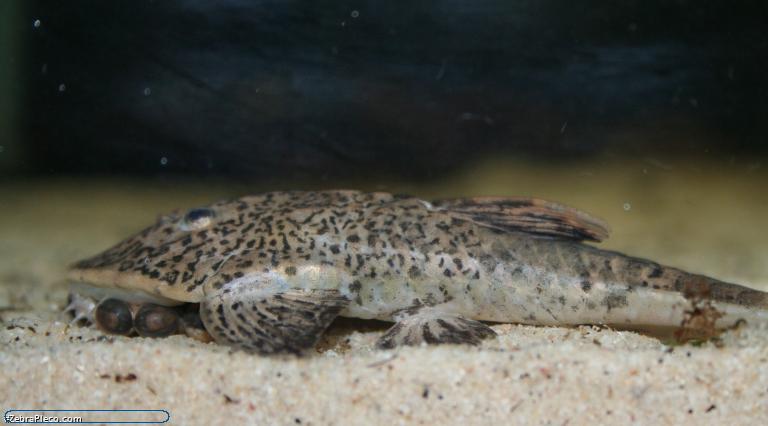
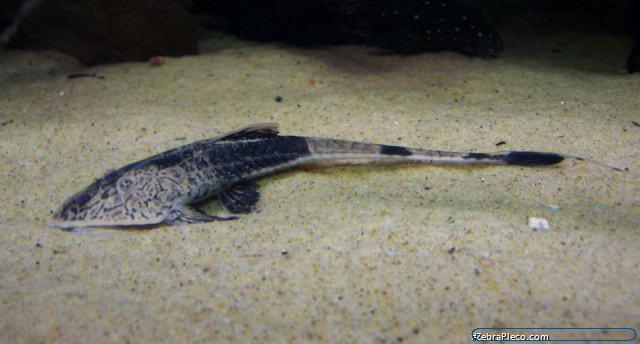
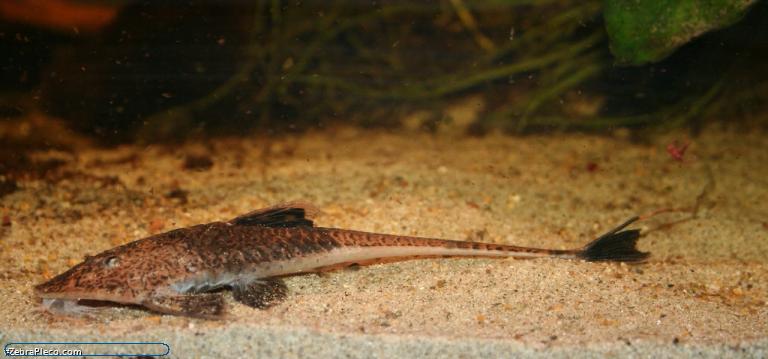
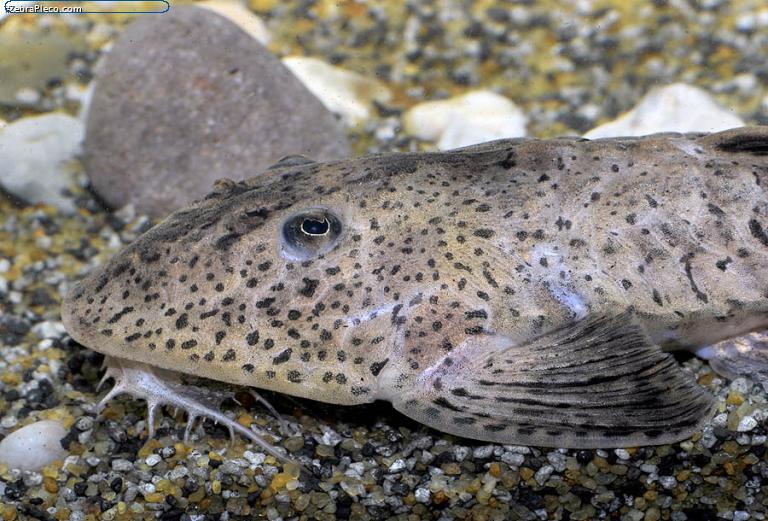
Very similar to P. apithanos, but lacks the silver-grey colouration and the jet-black dorsal ''badger'' stripe. This form is more of a light brown, with distinct, dark marbling on the head. The barbels are white in this marbled species, whereas those in P. apithanos are often at least partly black.
Sexual Dimorphism (Sexing)
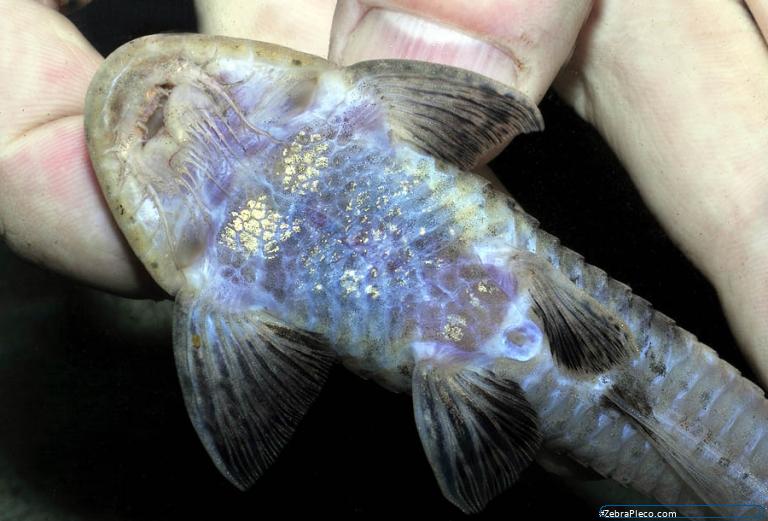
Difficult, although the experienced aquarist can discern a fuller ventral region in a mature female.
General Remarks
A really fascinating fish to keep, they will sit buried in sand with just their eyes visible for hours on end, until some food is offered! They also have a rather comical manner of crawling along the substrate with their pelvic fins, in search of food.
Taxonomy, Synonyms & Etymology
Classification history, linguistic derivations and variant forms
Pronunciation
seu doh hem ee oh don
Etymology
Greek, pseudes = false + Greek, hemi = half + Greek, odous = teeth
Literature & Resources
Scientific publications, external links and citation tools
Description Reference
Evers H. & Seidel I. (2005) Catfish Atlas 1. Mergus, Germany.
Related Searches