PAGE_HEADER
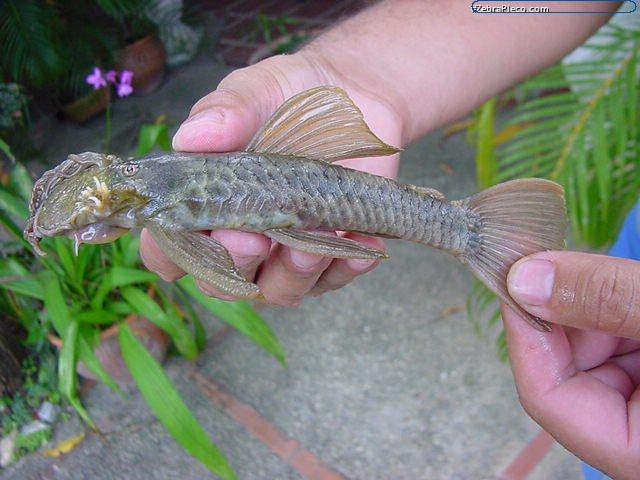
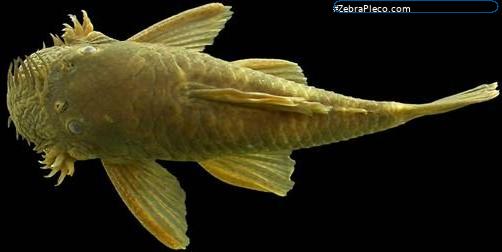
Ancistrus gymnorhynchus Kner, 1854
Image Showcase
Photographs, diagnostic angles and morphological variants
Community & Keeper Tally
Member interactions, breeding records and forum mentions
Aquarium Care & Husbandry
Dietary requirements, tank setup, compatibility and breeding
Feeding & Diet
Ancistrus should be fed mainly on vegetarian foods. Prepared foods include algae wafers and spirulina based sinking food. Vegetables such as courgette/zucchini, and (English) cucumber are an excellent addition to the diet, along with the odd, small amount of more meaty foods. [View Member Food Stats]
Compatibility & Suggested Tankmates
A good complement to most aquariums, they are not aggressive to other species. Males may fight over territory if kept in too small a tank.
Tankmates: Appropriate with most community fish that aren't overly big or aggressive.
Breeding Notes
Unreported in the aquarium.
Habitat & Water Parameters
Natural distribution, biotope water conditions and temperature ranges
Geographic Distribution
South America: Venezuela: Coastal rivers of Falcón, Lara, Carabobo and Yaracuy states and upper Pao River drainage in the Orinoco River basin.
Orinoco, Middle Orinoco, Apure, Portuguesa, Pao, Upper Pao (click on these areas to find other species found there)
Venezuela Caribbean Waters (click on these areas to find other species found there)
Login to view the map.
Species Description & Identification
Morphology, diagnostic traits and sexual dimorphism
Identification
Mature males and sometimes females have soft tentacles (bushy fleshy growths) on the snout - this is unique to the genus Ancistrus.
Sexual Dimorphism (Sexing)
Typical for the genus with males possessing the so-called "bushy nose". Females also may have much smaller growths on the head but to a much lesser extent.
Taxonomy, Synonyms & Etymology
Classification history, linguistic derivations and variant forms
Synonyms
Ancistrus rothschildi, Ancistrus rothschildi, Hypostomus karstenii, Lasiancistrus nationi, Xenocara gymnorhynchus, Xenocara rothschildi
Pronunciation
an SISS truss - jim no rin kuss
Etymology
The name Ancistrus is derived from the Greek word agkistron, meaning hook, in reference to the interopercular odontodes that are hooked. This specific epithet literally means naked (gymnos=naked) snout (rhynkus=snout) and refers to the reduced number of tentacles on its snout compared to other Ancistrus species.
There is 1 other speciesHypostomus gymnorhynchus with this specific name.
Literature & Resources
Scientific publications, external links and citation tools
Description Reference
External Databases
Related Searches