PAGE_HEADER
Pseudolithoxus kinja Bifi, de Oliveira, Rapp Py-Daniel & Collins, 2018
Image Showcase
Photographs, diagnostic angles and morphological variants
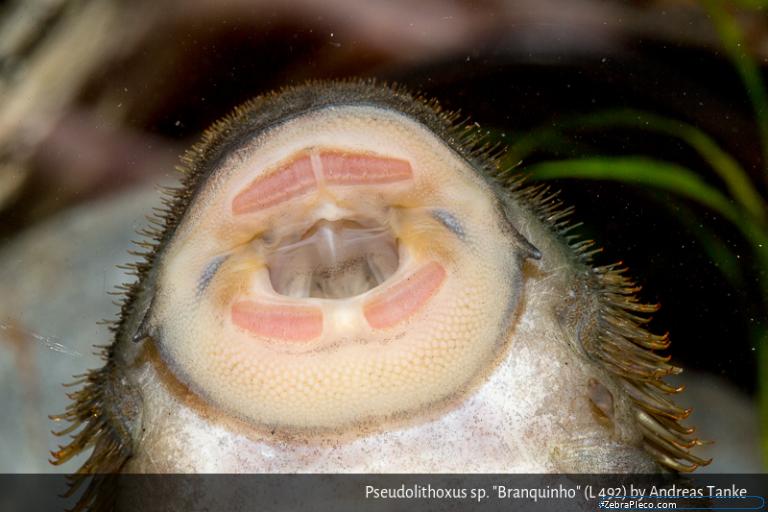
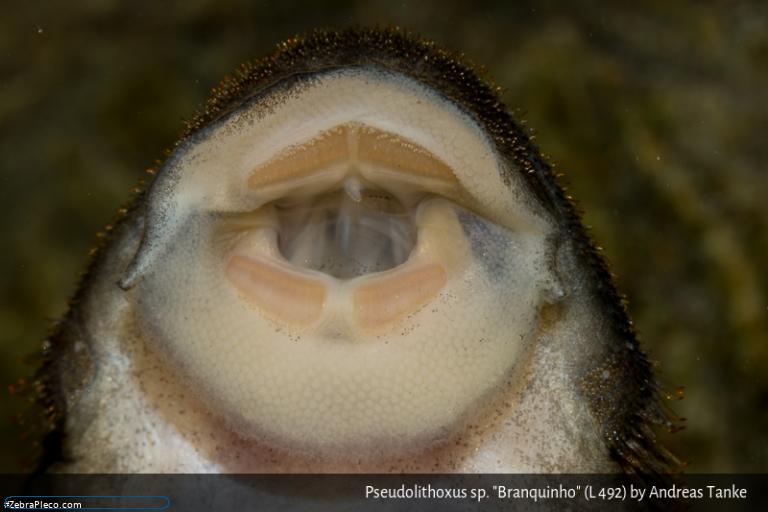
Community & Keeper Tally
Member interactions, breeding records and forum mentions
Aquarium Care & Husbandry
Dietary requirements, tank setup, compatibility and breeding
Aquarium Furniture & Decor
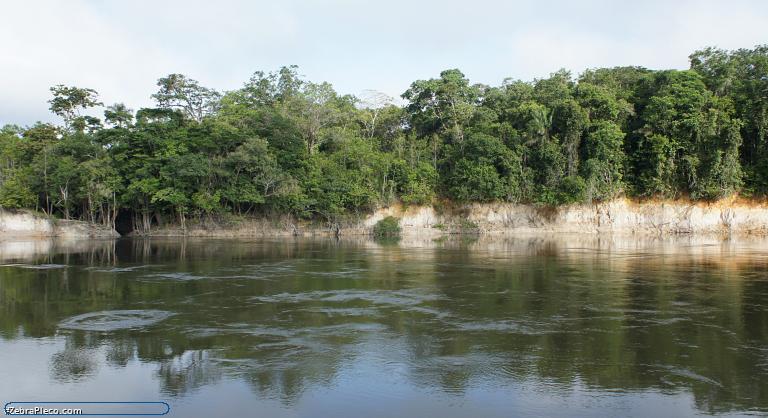
This species is found in shallow, fast-flowing water over a substrate of eroded bedrock, living amongst narrow cracks between rocks. The species was not found associated with woody-debris sites, or rocky sites lacking any appreciable water current.
Compatibility & Suggested Tankmates
Tankmates: In nature, this fish is found living with Leporinus, Symphysodon, Cichla, Pimelodella, Tatia, Dekeyseria, Peckoltia, and Lasiancistrus.
Breeding Notes
Unreported in the aquarium.
Habitat & Water Parameters
Natural distribution, biotope water conditions and temperature ranges
Geographic Distribution
Rio Uatuma, rio Nhamunda and rio Guariba (rio Madeira-Aripuana drainage).
Amazon, Middle Amazon (Solimoes), Madeira, Aripuanã, Guariba (click on these areas to find other species found there)
Amazon, Middle Amazon (Solimoes), Negro, Lower Negro, Jauaperi (click on these areas to find other species found there)
Amazon, Lower Amazon, Nhamundá (click on these areas to find other species found there)
Amazon, Lower Amazon, Trombetas (click on these areas to find other species found there)
Amazon, Lower Amazon, Uatumã (click on these areas to find other species found there)
Login to view the map.
Species Description & Identification
Morphology, diagnostic traits and sexual dimorphism
Identification
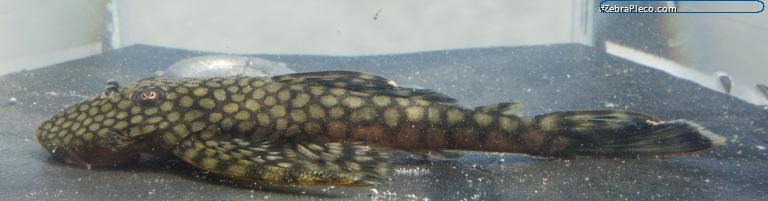
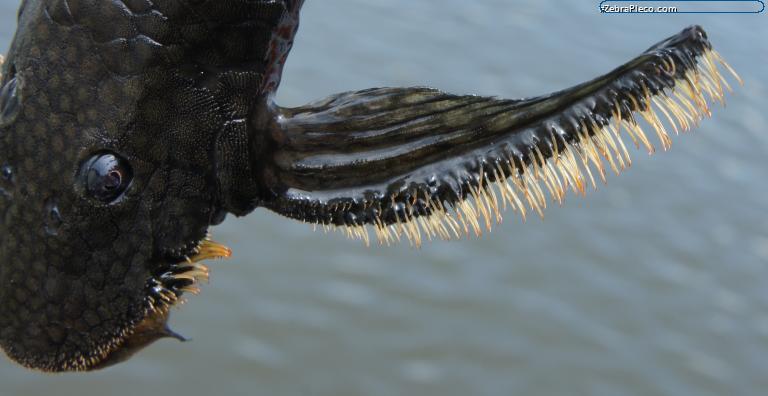
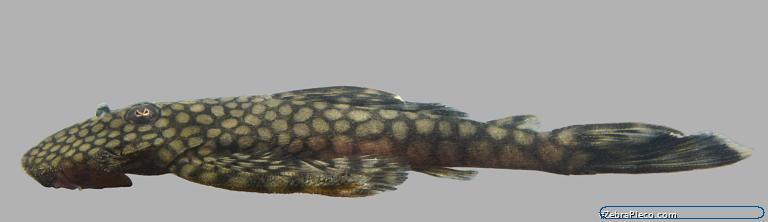
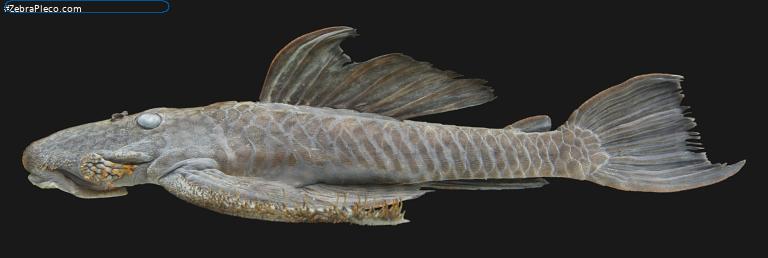
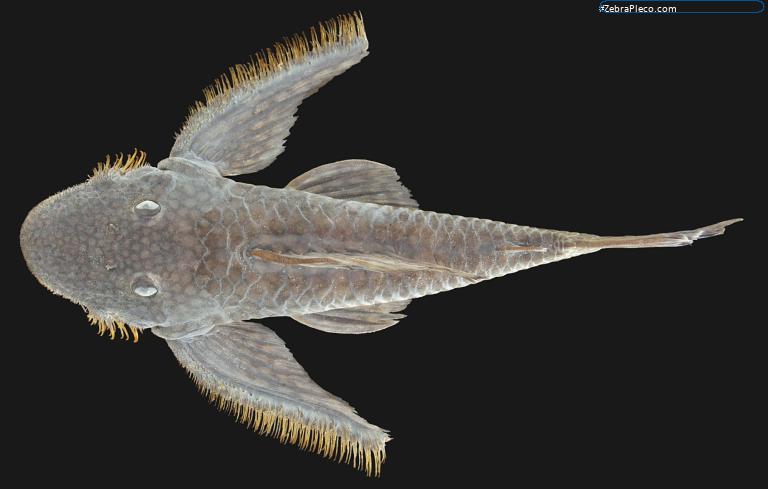
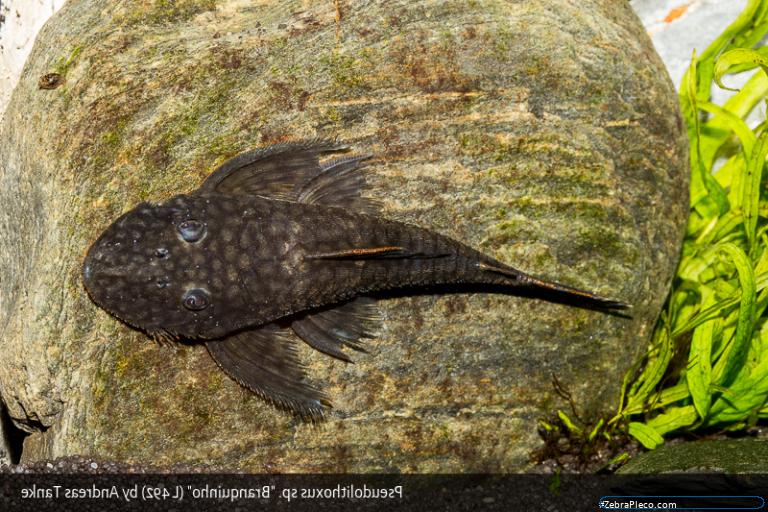
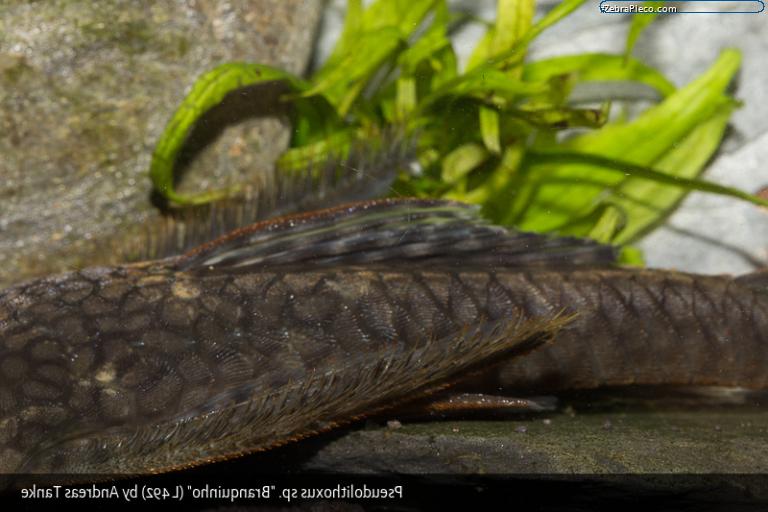
Pseudolithoxus kinja is diagnosed from all congeners by having a colour pattern of large pale spots on a dark background (vs. pale bands on a dark background in P. kelsorum and P. tigris; small pale dots on a dark background in P. anthrax and P. nicoi; dark spots on a lighter background in P. dumus). Furthermore, P. kinja can be diagnosed from P. anthrax and P. nicoi by having dark bands on the caudal fin (vs. absence).
Sexual Dimorphism (Sexing)
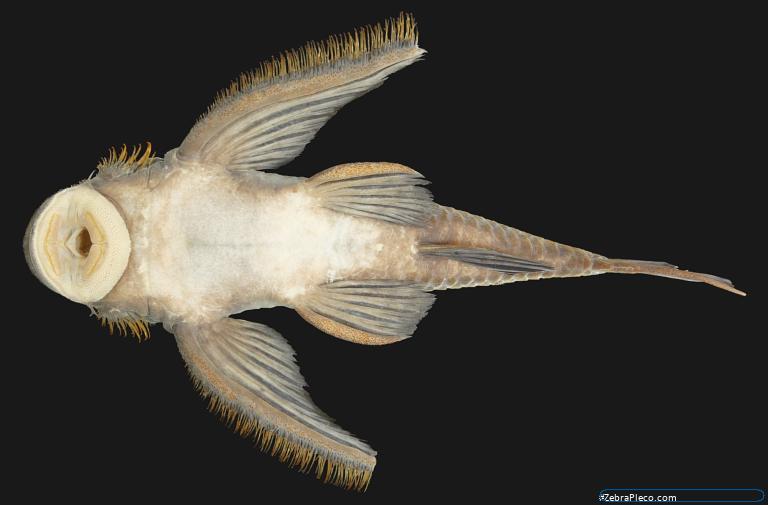
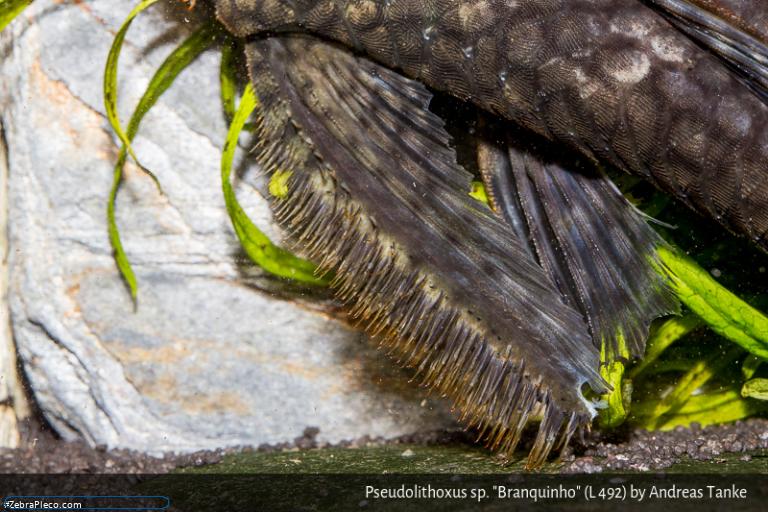
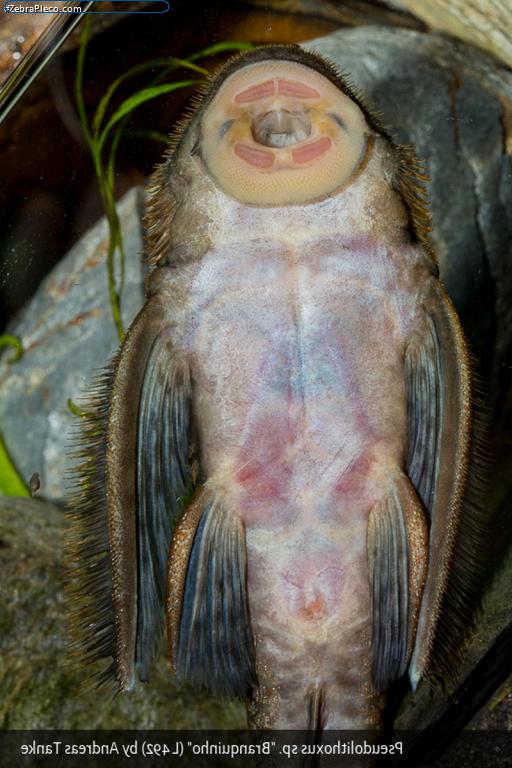
Young specimens and fully reproductive males have a urogenital papilla which is well-developed as a small elongate tube located immediately behind the anal opening. This small tube is almost perpendicular to the main plane of the body, facing ventrally with a tiny opening at the tip. The condition in females is similar to that found in other hypostomines. In mature males with developed testes, the third branched pelvic-fin ray becomes elongated, and the whole fin becomes lanceolate. In the anal fin of mature males, the second simple ray becomes almost twice the length of the first short ray, and the first, second, and third branched rays also become elongate (the third the longest); owing to this fin-ray elongation in mature males, the whole anal fin becomes larger and has a strongly curved posterior border rather than the regular straight border usually seen in females or non-reproductive males.
General Remarks
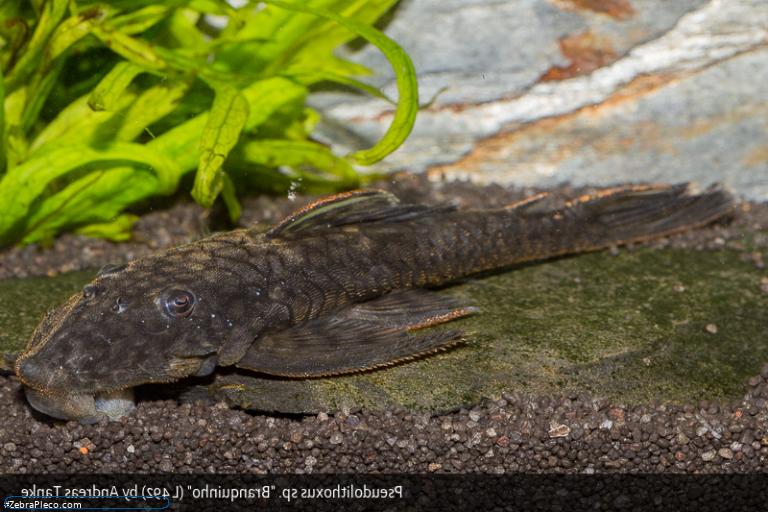
L385 was first reported from the rio Trombetas. L492 was first reported from the rio Jauaperi.
Taxonomy, Synonyms & Etymology
Classification history, linguistic derivations and variant forms
Pronunciation
sue doh lith ox uss.
Etymology
Greek, pseudes = false + Greek, lithos = stone + Greek, oxys = sharp. ‘Kinja’, meaning the ‘true people’, is how the Waimiri-Atroari indigenous people refer to themselves. The Kinja people inhabit areas surrounding the rio Uatuma and part of the rio Negro in the states of Amazonas and Roraima, Brazil.
Literature & Resources
Scientific publications, external links and citation tools
Literature & References
External Databases
Related Searches