PAGE_HEADER
Wallago attu (Bloch & Schneider, 1801)
Image Showcase
Photographs, diagnostic angles and morphological variants
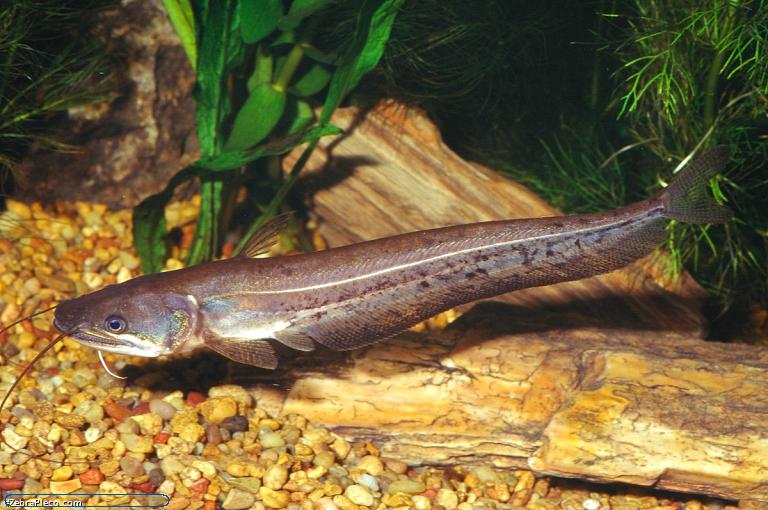
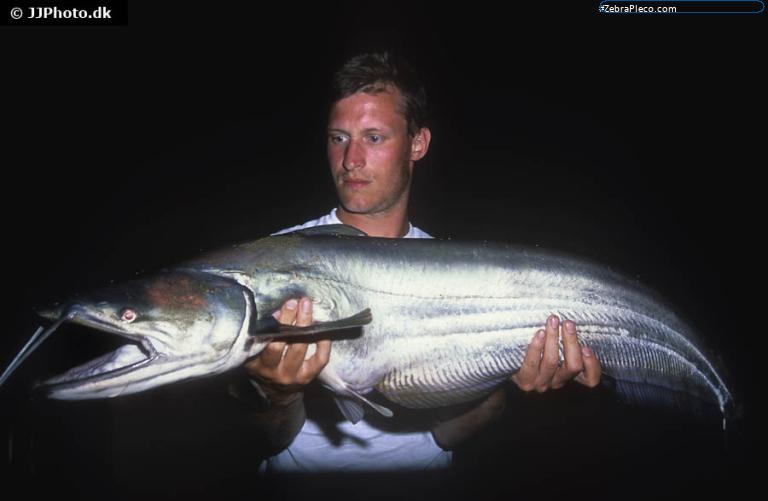
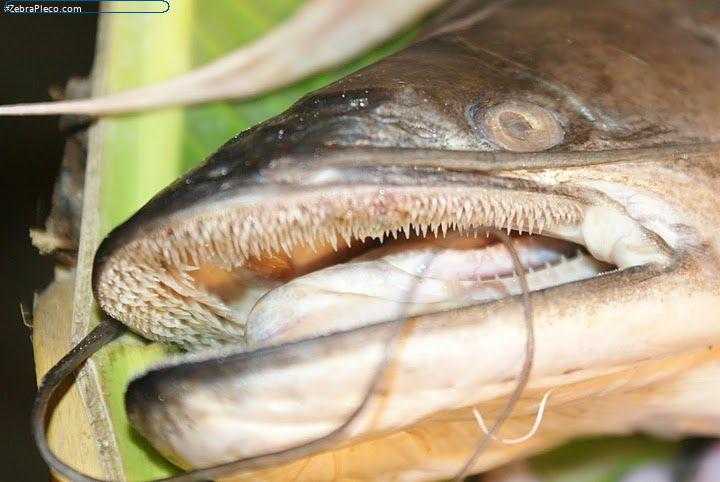
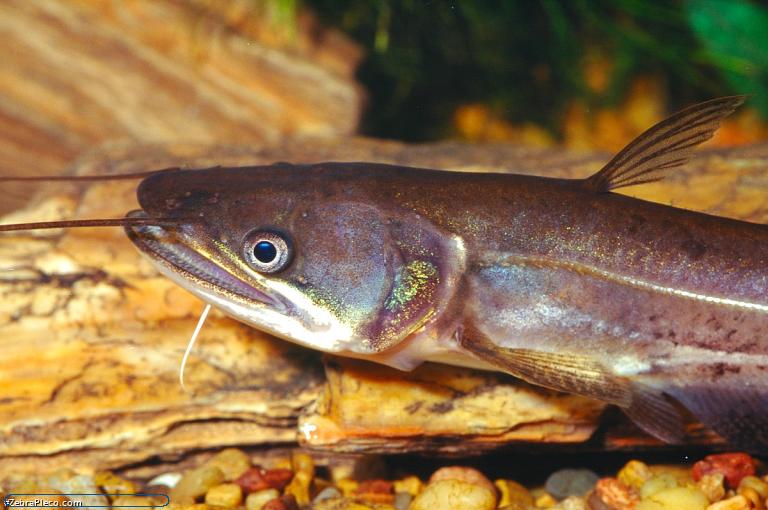
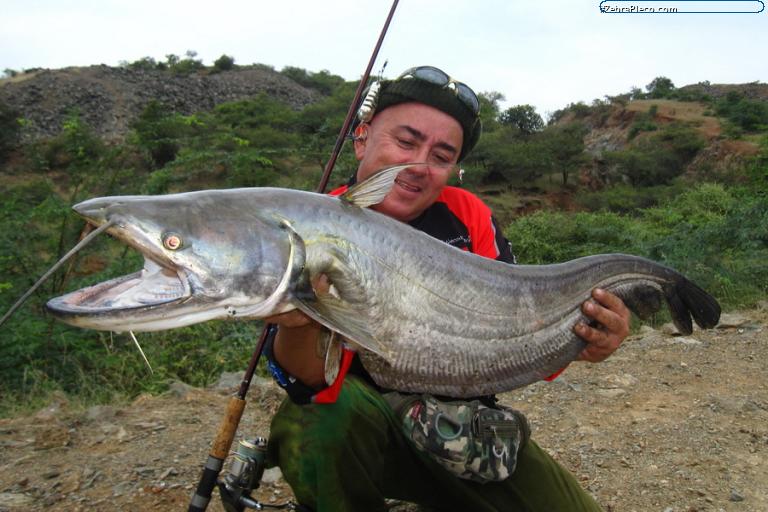
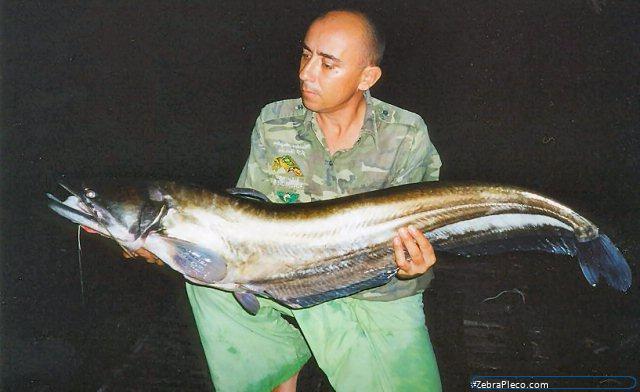
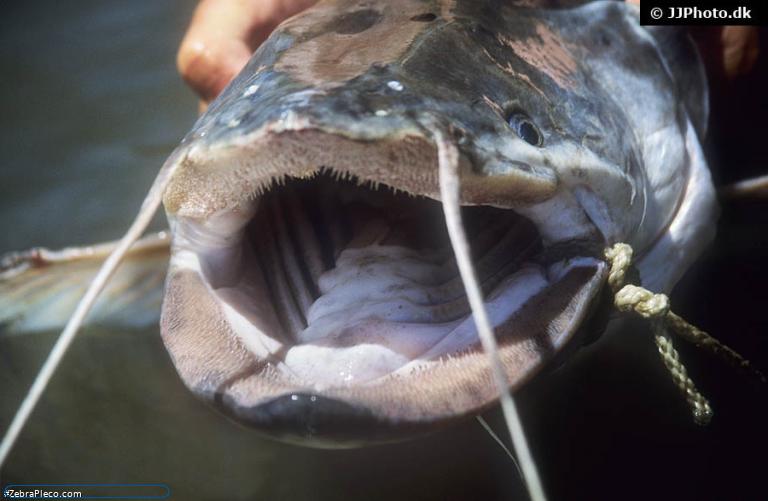
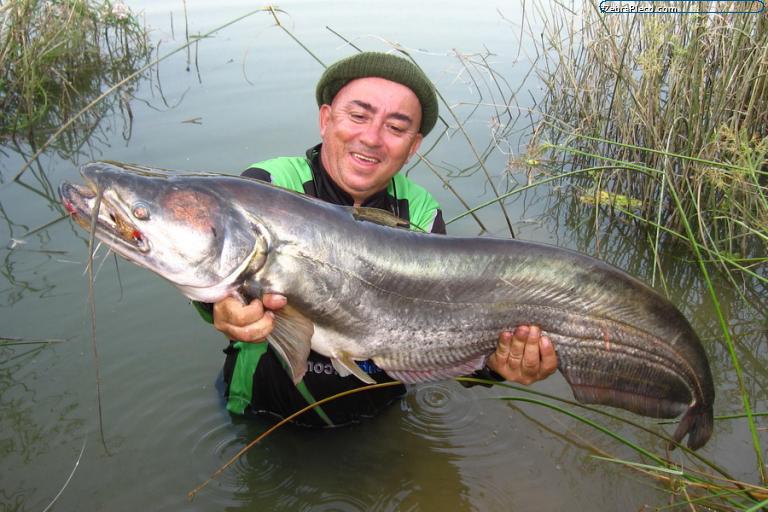
Community & Keeper Tally
Member interactions, breeding records and forum mentions
Aquarium Care & Husbandry
Dietary requirements, tank setup, compatibility and breeding
Feeding & Diet
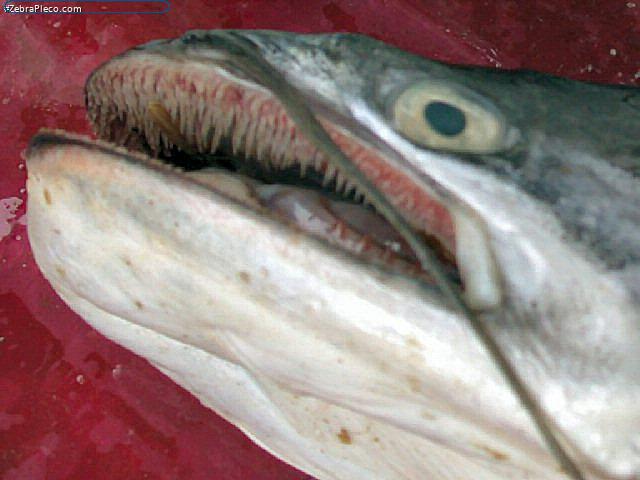
According to Smith (1945) in his Freshwater Fishes of Siam, ''Their great size, large mouth, and formidable teeth enable them to kill and devour almost every kind of fish.'' Their diet in the wild is consists of mainly cyprinids (barbs, Rasboras, etc). [View Member Food Stats]
Aquarium Furniture & Decor
Not a suitable aquarium fish. In nature, inhabits grassy margins of deep, still or slow-flowing ponds or pools with a mud or silt substrate near the banks of rivers.
Compatibility & Suggested Tankmates
See feeding. Handle with care : this species bites strongly if handled!
Tankmates: None.
Breeding Notes
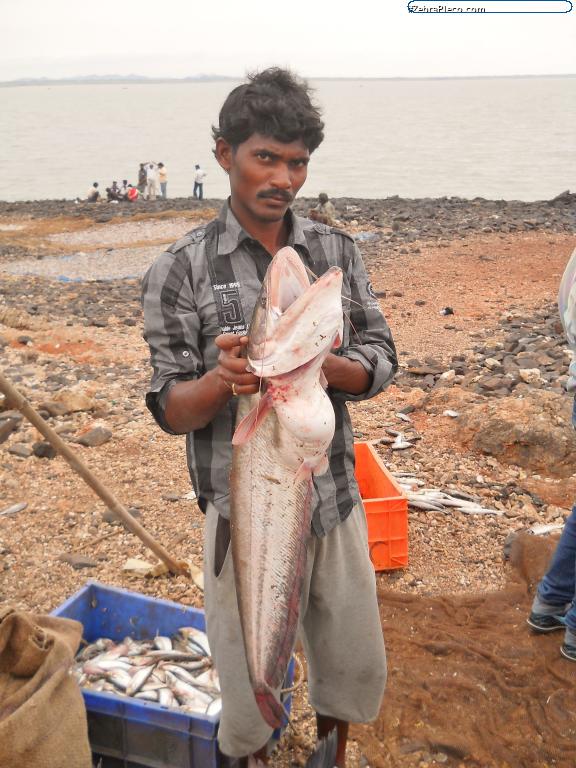
In nature, spawns during the pre-monsoon season, from June to August. Normally a bottom dweller, it rises to the surface to breed. Unluckily for the fish, the courting pairs are so absorbed in each other that they readily fall prey to fishermen.
Has been bred commercially in fish farms in Malaysia.
Habitat & Water Parameters
Natural distribution, biotope water conditions and temperature ranges
Geographic Distribution
Asia: Pakistan to Viet Nam and Indonesia. Reported from Afghanistan. Lower risk - near threatened status in Western Ghats, India.
Bangladesh Waters (click on these areas to find other species found there)
Cambodia waters (click on these areas to find other species found there)
Indian waters (click on these areas to find other species found there)
Indonesian Waters (click on these areas to find other species found there)
Laos Waters (click on these areas to find other species found there)
Pacific, Malaysia Waters (click on these areas to find other species found there)
Myanmar Waters (click on these areas to find other species found there)
Nepal Waters (click on these areas to find other species found there)
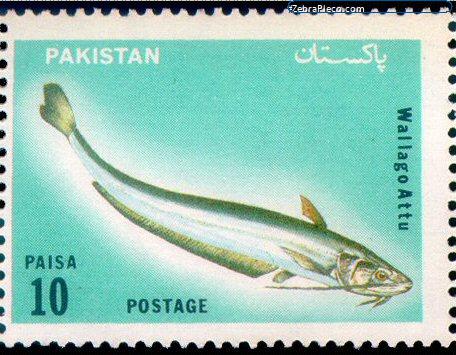
Pakistan Waters (click on these areas to find other species found there)
Sri Lanka Waters (click on these areas to find other species found there)
Thailand Waters (click on these areas to find other species found there)
Vietnam waters (click on these areas to find other species found there)
Login to view the map.
Species Description & Identification
Morphology, diagnostic traits and sexual dimorphism
Identification
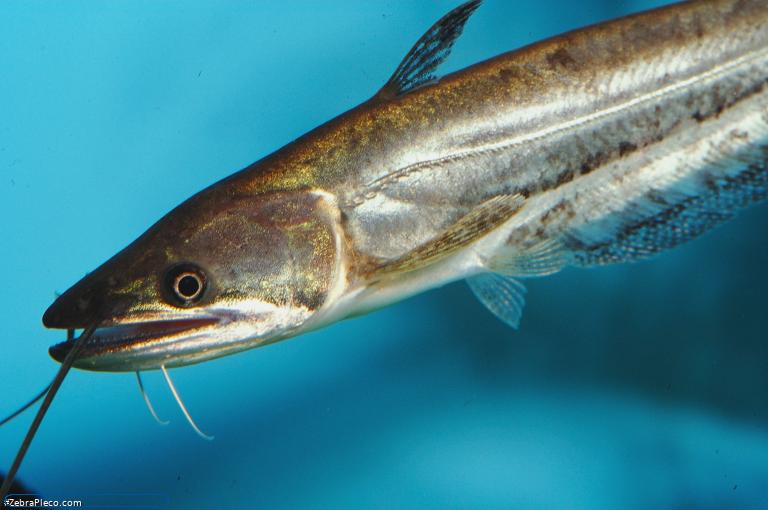
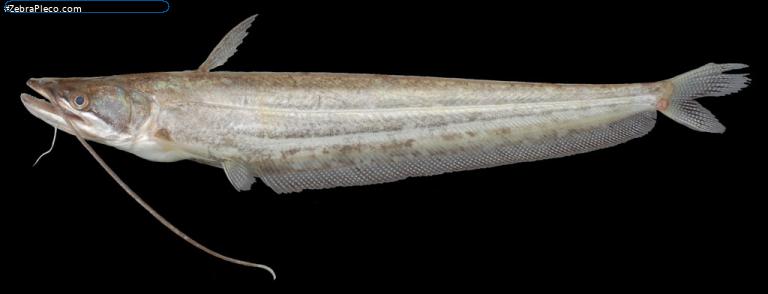
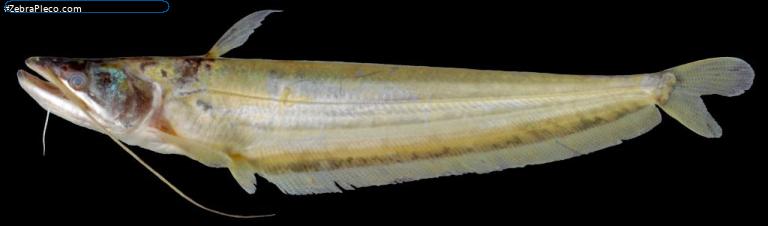
1) Mouth extends back beyond eye.
2) maxillary barbels longer than pelvic fin.
3) 24-30 gill rakers on the first arch.
4) 77-96 anal-fin rays.
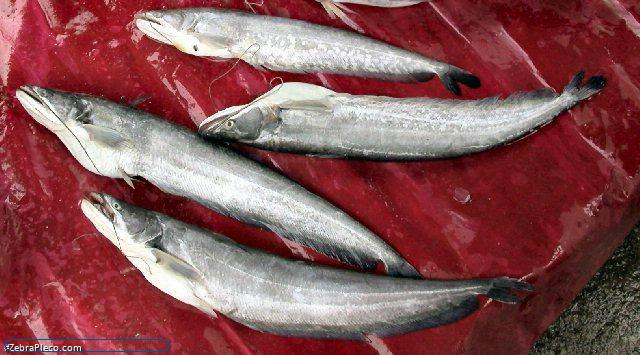
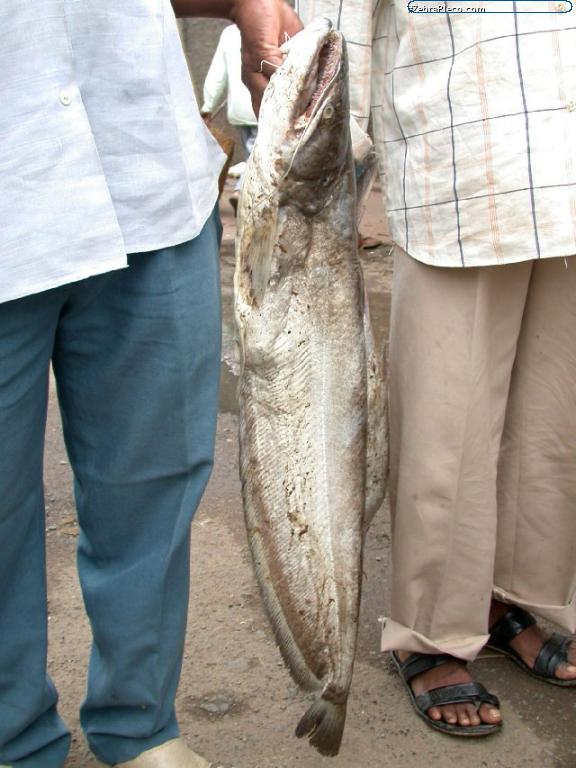
2000mm is the maximum recorded length, due to over fishing and habitat destruction, specimens over 1800 mm are nowadays very rare.
Taxonomy, Synonyms & Etymology
Classification history, linguistic derivations and variant forms
Synonyms
Callichrous macrostomus, Pinniwallago kanpurensis, Silurus attu, Silurus boalis, Silurus macrostomus, Silurus muelleri, Silurus mulleri, Silurus wallago, Wallago attu valeya, Wallago russelli, Wallagonia attu, Wallagu attu
Pronunciation
wall AH go - ah two
Etymology
Wallago: After its Telugu and Tamil names Walaga (Telugu and Tamil are both Dravidian languages of South India). attu: After its Malayalam name Attu Vaalay (Malayalam is another Dravidian language South India).
Literature & Resources
Scientific publications, external links and citation tools
Description Reference
M. E. Blochii, Systema Ichthyologiae, pp 378, Pl. 75.
External Databases
Related Searches