PAGE_HEADER
Chaetostoma anale (Fowler, 1943)
Image Showcase
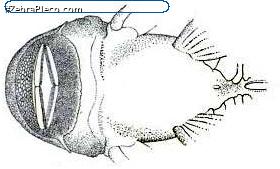
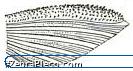
Photographs, diagnostic angles and morphological variants
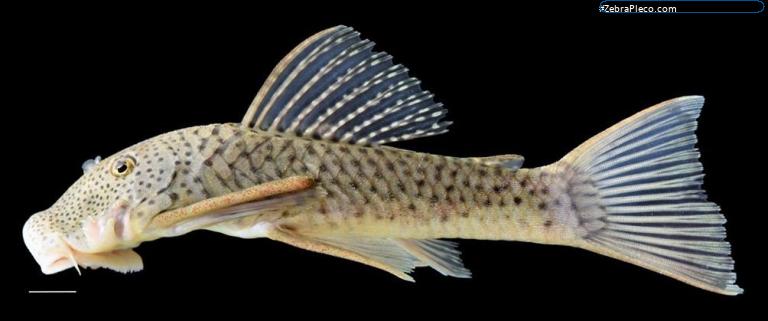
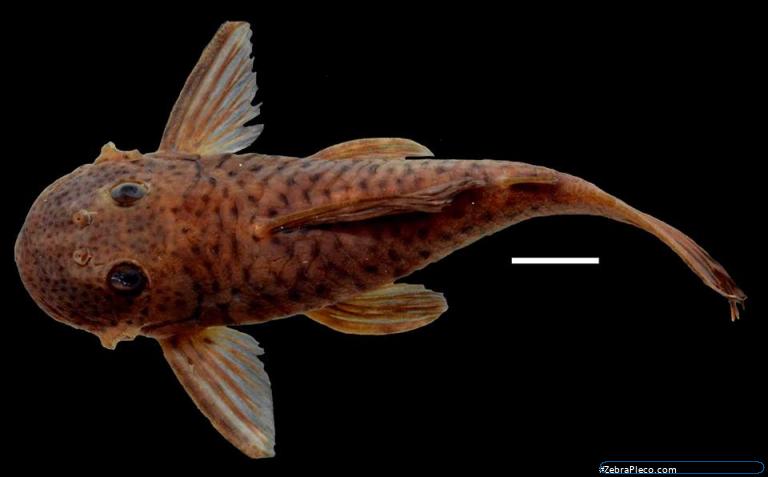
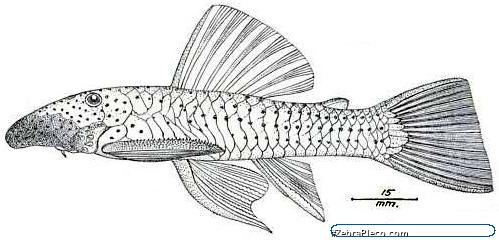
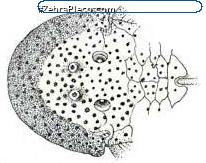
Community & Keeper Tally
Member interactions, breeding records and forum mentions
Aquarium Care & Husbandry
Dietary requirements, tank setup, compatibility and breeding
Feeding & Diet
Live and frozen foods along with fresh vegetables. Animals that have been in captivity for some time may eventually take prepared aquarium foods. [View Member Food Stats]
Aquarium Furniture & Decor
Well rounded stones stacked to replicate a river bottom and provide caves.
Compatibility & Suggested Tankmates
Peaceful. Should not be kept with aggressive substrate dwelling fishes as they will out compete this animal for food.
Tankmates: Fast water tetra spp or danios.
Breeding Notes
Unreported in the aquarium.
Habitat & Water Parameters
Natural distribution, biotope water conditions and temperature ranges
Geographic Distribution
South America: Orteguasa River basin in Japurá River drainage, Colombia.
Amazon, Middle Amazon (Solimoes), Japurá, Caquetá, Upper Caquetá, Orteguaza (click on these areas to find other species found there)
Login to view the map.
Species Description & Identification
Morphology, diagnostic traits and sexual dimorphism
Identification
The genus Chaetostoma is not straightforward to identify, but as a general rule, the species has spines behind the gill-cover (interopercular odontodes), no plates on the abdomen, and aside from C. platyrhynchus also lack plates on the snout edge. Different from Ancistrus by not having fleshy tentacles on the snout.
L187 was issued to Chaetostoma pearsei from the Rio Tuy drainage. Aqualog incorrectly listed C. pearsei as coming from the Rio Orinoco. Aqualog (p. 142) included three photos of L187 in their 2nd Ed. Photo 1 is an unknown Chaetostoma sp, photo 2 C. pearsei from Venezuela, and photo 3 is L443 which comes from Colombia. Thus L187, as presented in aqualog, represents three different spp. This identification mishap was later corrected in DATZ special edition II and the Welse Atlas Vol II.
Sexual Dimorphism (Sexing)
The males have however a larger and broader head, slimmer ventral sides and disproportionately large pelvic fins. Perhaps the over-sized pelvic fins play a large role in the fertilization of the eggs. By inverting these over the clutch of eggs, they prevent the sperm cells being carried away by fast water current.
General Remarks
Exported from Colombia in large numbers usually mixed in with other Chaetostoma spp. Exact collection locale unknown.
Taxonomy, Synonyms & Etymology
Classification history, linguistic derivations and variant forms
Synonyms
Hypocolpterus analis
Pronunciation
KATE oh STOW mah
Etymology
Greek, chaite = hair + Greek, stoma = mouth.
Literature & Resources
Scientific publications, external links and citation tools
Literature & References
External Databases
Related Searches