PAGE_HEADER
Hoplisoma cruziense (Knaack, 2002)
Image Showcase
Photographs, diagnostic angles and morphological variants
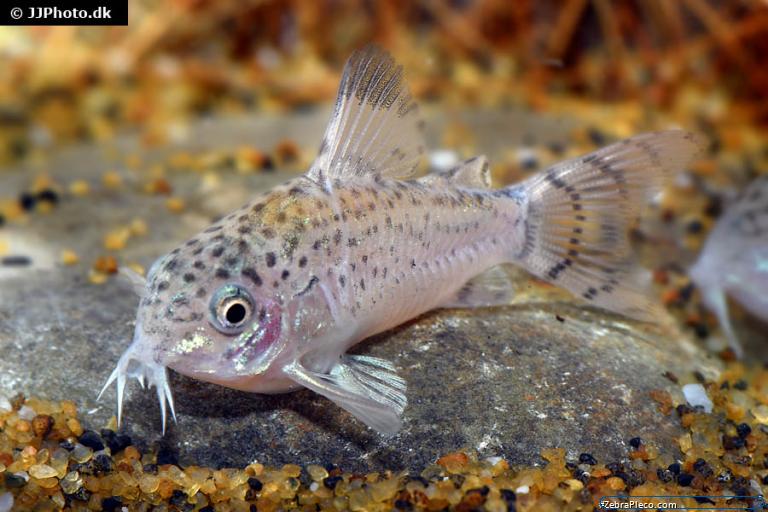
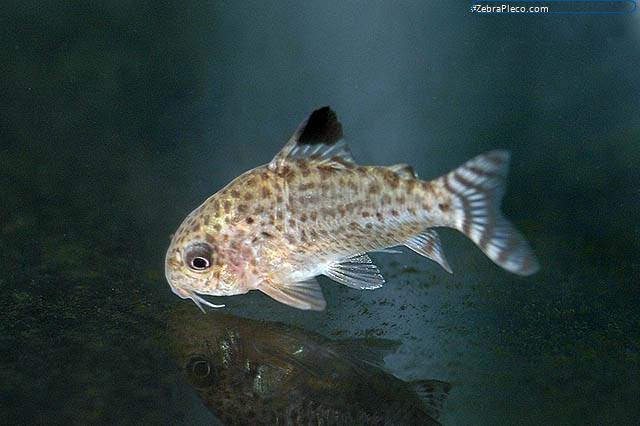
Community & Keeper Tally
Member interactions, breeding records and forum mentions
Aquarium Care & Husbandry
Dietary requirements, tank setup, compatibility and breeding
Feeding & Diet
Will accept a wide range of commercial foods including tablet, granular and flake. Live foods such as Daphnia, blood worm, white worm, grindle worm and tubifex are readily accepted. [View Member Food Stats]
Aquarium Furniture & Decor
Substrate should be a fine smooth grained sand. Other furniture is relatively unimportant.
Compatibility & Suggested Tankmates
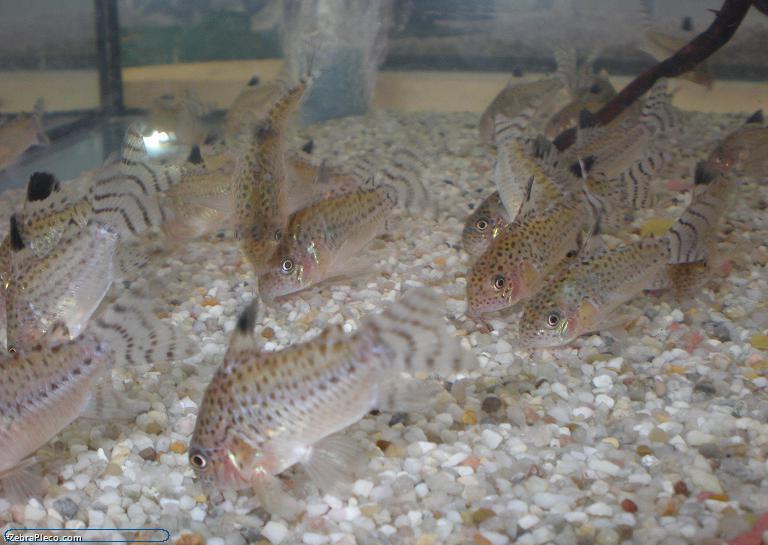
A small peaceful and slightly timid species that should not be kept with boisterous or aggressive fish.
Tankmates: Small tetra's or small cyprinids make ideal tank mates.
Breeding Notes
Has been bred under aquarium conditions.
Habitat & Water Parameters
Natural distribution, biotope water conditions and temperature ranges
Geographic Distribution
South America: Madeira River basin in Bolivia.
Amazon, Middle Amazon (Solimoes), Madeira (click on these areas to find other species found there)
Login to view the map.
Species Description & Identification
Morphology, diagnostic traits and sexual dimorphism
Identification
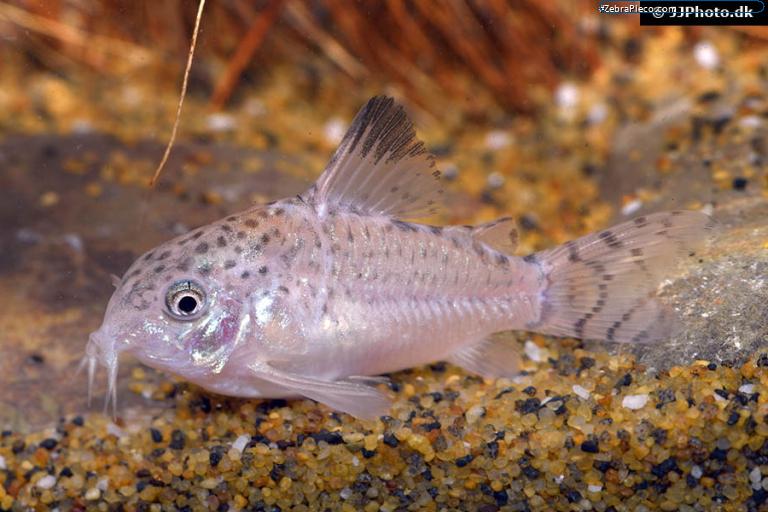
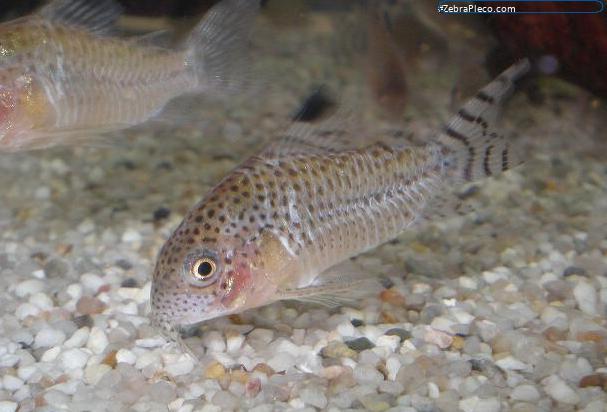
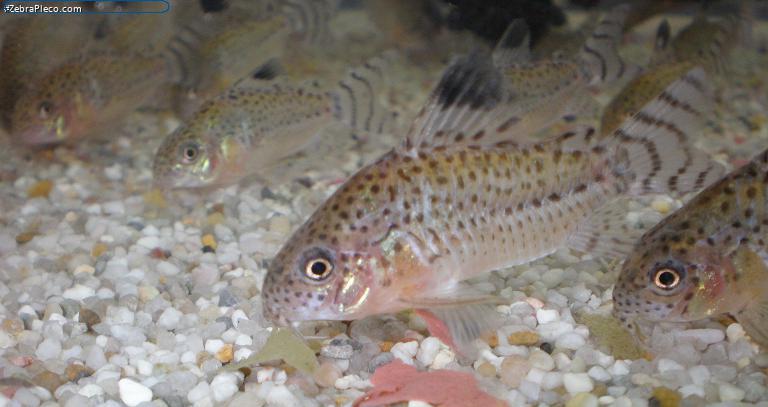
Similar in appearance to Corydoras punctatus, a species only found in Suriname. It differs slightly in colour pattern having fewer larger body spots, those along the juncture of dorsal and lateral scutes may form an irregular broken stripe.
Sexual Dimorphism (Sexing)
Females are a little larger than males and have a heavier appearance, with rounded, fan shaped ventral fins compared to the slightly pointed fins of the male.
Taxonomy, Synonyms & Etymology
Classification history, linguistic derivations and variant forms
Pronunciation
hop lee so mah - crew zee en siss
Etymology
The genus name is latin for wavy, referring to “dark purplish spots tending to run together, forming undulating longitudinal bands” - a common if not uniform colouration pattern found in this genus. The species is named after the Bolivian Departamento de Santa Cruz.
Literature & Resources
Scientific publications, external links and citation tools
Description Reference
VDA--aktuell 2002 (no. 3), pp 63, Figs.
External Databases
Related Searches