PAGE_HEADER
Lasiancistrus saetiger Armbruster, 2005
Image Showcase
Photographs, diagnostic angles and morphological variants
Community & Keeper Tally
Member interactions, breeding records and forum mentions
Aquarium Care & Husbandry
Dietary requirements, tank setup, compatibility and breeding
Breeding Notes
Unreported in the aquarium.
Habitat & Water Parameters
Natural distribution, biotope water conditions and temperature ranges
Geographic Distribution
South America: Rio Guama.
Amazon, Lower Amazon, Guamá (click on these areas to find other species found there)
Login to view the map.
Species Description & Identification
Morphology, diagnostic traits and sexual dimorphism
Identification
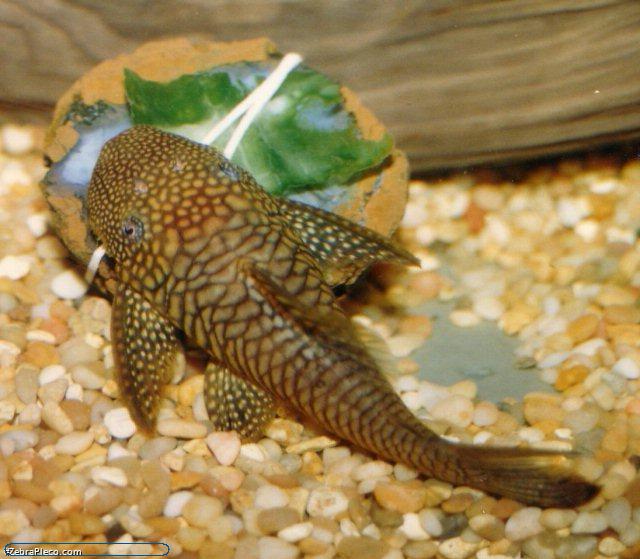
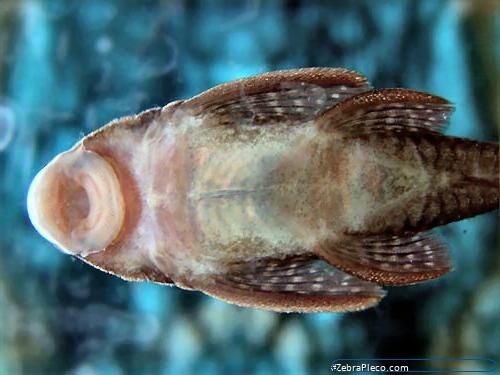
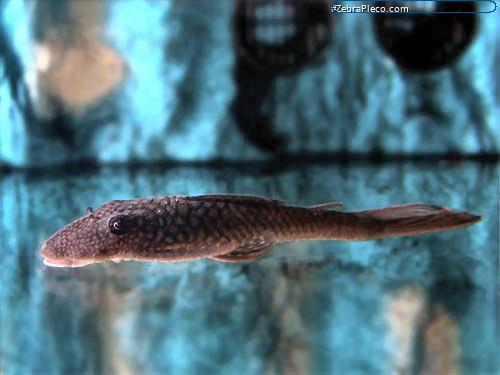
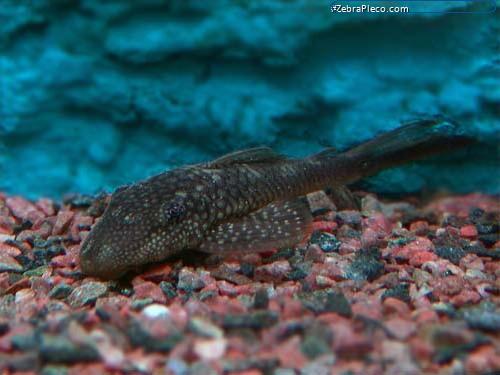
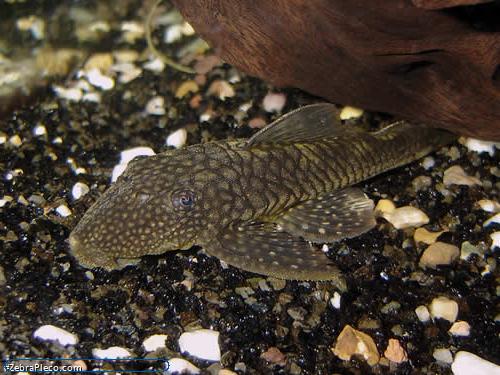
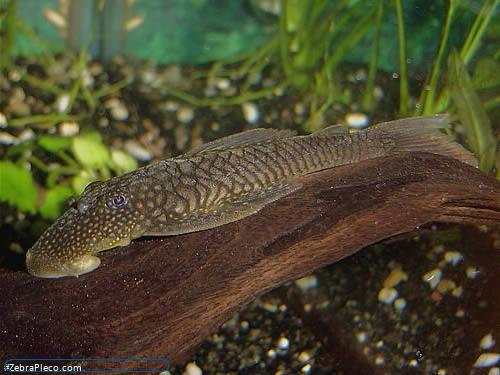
Adult Lasiancistrus can be separated from all other loricariids by the presence of whisker-like odontodes on the cheeks. In addition, they have evertible cheek odontodes; three rows of plates on the caudal peduncle; and a modified, bar-shaped opercle. The caudal fin is slightly emarginate to forked, with the lower lobe longer than upper. Nuptial males have tentacules on the pectoral-fin spines longer than their associated odontodes; and transluscent tentacules on the snout that have odontodes associated with them. Nuptial males lack hypertrophied odontodes on top of the head and lack long, bristle-like odontodes on the leading edge of the pectoral-fin spine.
Imported and sold for a long time as Lasiancistrus scolymus, this fish became an l-number when that identification was proven incorrect, this lasted for only a relatively short time until the fish was described at the end of 2005.
Sexual Dimorphism (Sexing)
Snout of nuptial males almost square (vs. rounded in females and juveniles). Adult males of most species (except Lasiancistrus tentaculatus) with whisker-like odontodes at anterolateral corner of snout; males of L. tentaculatus have tentacules instead of whisker-like odontodes along anterior margin of snout. Nuptial males have tentacules longer than their associated odontodes on the pectoral-fin spine.
General Remarks
Known from a single collection of fishes from the rio Guamá, a tributary of the rio Capim, a drainage that enters the Atlantic just southeast of the mouth of the Amazon. The types were purchased from an ornamental fish collector and the type coordinates are for his house on the edge of the river.
Taxonomy, Synonyms & Etymology
Classification history, linguistic derivations and variant forms
Pronunciation
LASS ee an SISS truss
Etymology
Greek, lasios, -a, -on = hairy + Greek, agkistron = hook This specific epithet literally means bristle bearing (saetiger=bristle bearing) and refers to the odontodes present in this species.
Literature & Resources
Scientific publications, external links and citation tools
Description Reference
External Databases
Related Searches