PAGE_HEADER
Erethistes filamentosus (Blyth, 1860)
Image Showcase
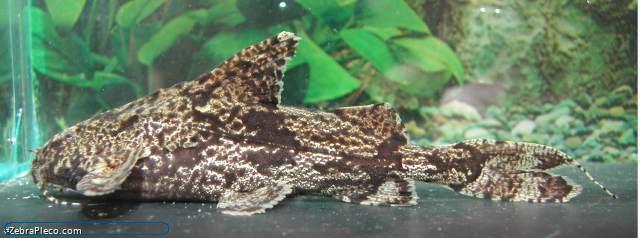
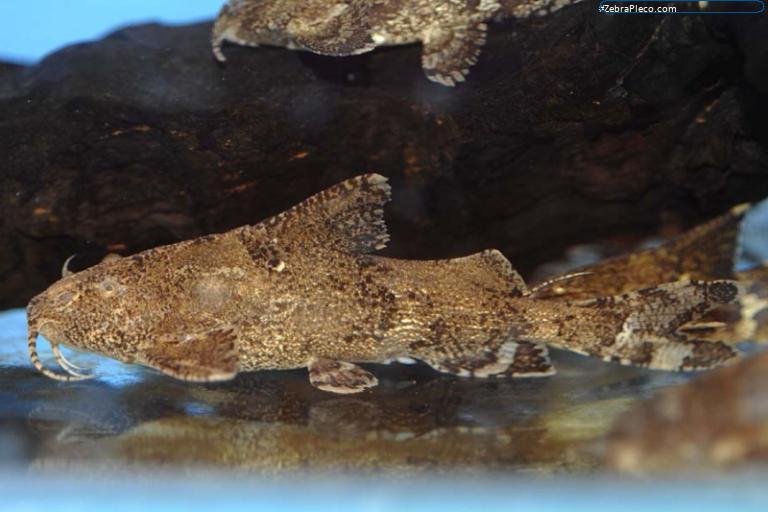
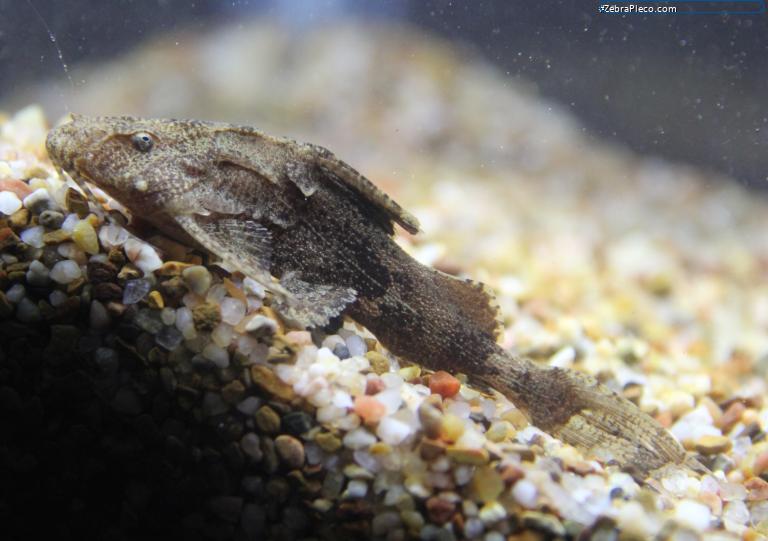
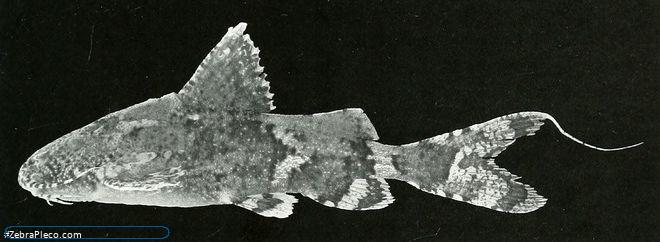
Photographs, diagnostic angles and morphological variants
Community & Keeper Tally
Member interactions, breeding records and forum mentions
Aquarium Care & Husbandry
Dietary requirements, tank setup, compatibility and breeding
Aquarium Furniture & Decor
Fine sand for the bottom and smooth pebbles / rocks. This group of fishes will appreciate some amount of plant cover too.
Compatibility & Suggested Tankmates
A peaceful species suitable for a hillstream biotope.
Breeding Notes
Unreported in the aquarium.
Habitat & Water Parameters
Natural distribution, biotope water conditions and temperature ranges
Geographic Distribution
Ataran, Salween and Sitting river drainages: Myanmar and Thailand.
Salween (Thanlwin), Ataran (click on these areas to find other species found there)
Salween (Thanlwin) (click on these areas to find other species found there)
Myanmar Waters, Sittang (click on these areas to find other species found there)
Myanmar Waters, Tenasserim (click on these areas to find other species found there)
Login to view the map.
Species Description & Identification
Morphology, diagnostic traits and sexual dimorphism
Identification
A key to the genus Erethistes is found HERE.
Erethistes filamentosa can be distinguished from congeners (except E. mesembrina and E. longissima) in sometimes having (vs. always lacking) a filamentous extension to the first principal ray of the upper caudal-fin lobe; it is also distinguished from all congeners except E. hara and E. longissima in having a short posterior process on coracoid (reaching to midway of distance between bases of pectoral spine and first pelvic-fin ray vs. two thirds or beyond; length 19.9-22.8% SL vs. 23.5-38.3). It differs from E. longissima in having a shorter (length 14.9-17.8% SL vs. 18.8-21.3) and deeper (depth 6.1-7.2% SL vs. 5.0-6.1) caudal peduncle (depth 2.1-2.9 times in its length for E. filamentosa vs. 3.1-3.9 times in E. longissima) and deeper body (depth 13.9-19.2% SL vs. 12.5-14.5). Erethistes filamentosa can be further distinguished from E. hara in having a longer adipose-fin base (15.7-21.7% SL vs. 11.8-15.6),deeper caudal peduncle (depth 6.1-7.2% SL vs. 5.0-5.8) and lacking (vs. presence) of serrations on the anterior edge of the dorsal spine, from E. horai in having a deeper caudal peduncle (depth 6.1-7.2% SL vs. 5.2-6.2) and a shorter adipose-fin base (length 5.7-21.7% SL vs. 10.0-13.7) and head (length 26.5-29.1% SL vs. 30.3-34.2), from E. jerdoni in having a shorter pectoral spine (length 23.3-29.9% SL vs. 42.2-51.7), more soft pectoral-fin rays (total number of soft fin rays modally 7 vs. 5), more vertebrae (31–34 vs. 27-29), the supraoccipital spine not reaching (vs. reaching) the anterior nuchal plate and a deeply forked (vs. emarginate) caudal fin. It differs from E. mesembrina in having a shorter caudal peduncle (length 14.9-17.8% SL vs. 17.2-18.9), from E. minuscula in having more soft pectoral-fin rays (total number of soft fin rays modally 7 vs. 5) and the supraoccipital spine not reaching (vs. reaching) the anterior nuchal plate, and from E. spinulus in having a longer dorsal spine (length 20.4-27.6% SL vs. 14.7-19.8), adipose-fin base (length 15.7-21.7% SL vs. 12.9-16.1) and caudal peduncle (length 14.9-17.8 % SL vs. 11.8-15.0).
Taxonomy, Synonyms & Etymology
Classification history, linguistic derivations and variant forms
Synonyms
Erethistes maesotensis, Hara filamentosus, Hara maesotensis
Pronunciation
- fila ment osaa
Etymology
There are 10 other speciesAspredinichthys filamentosus
Bagre filamentosus
Bagrus filamentosus
Corydoras filamentosus
Dicrossus filamentosus
Fundulopanchax filamentosus
Gerres filamentosus
Hemigrammus filamentosus
Lamontichthys filamentosus
Synodontis filamentosus with this specific name.
Literature & Resources
Scientific publications, external links and citation tools
Description Reference
Journal of the Asiatic Society of Bengal v. 29 (no. 2), pp 152.
External Databases
Related Searches