PAGE_HEADER
Pareiorhaphis mutuca (Oliveira & Oyakawa, 1999)
Image Showcase
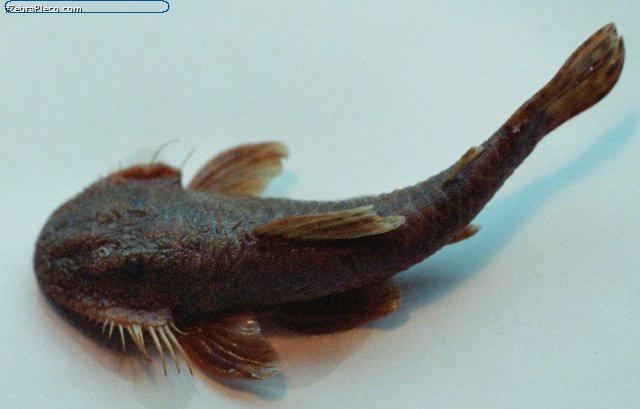
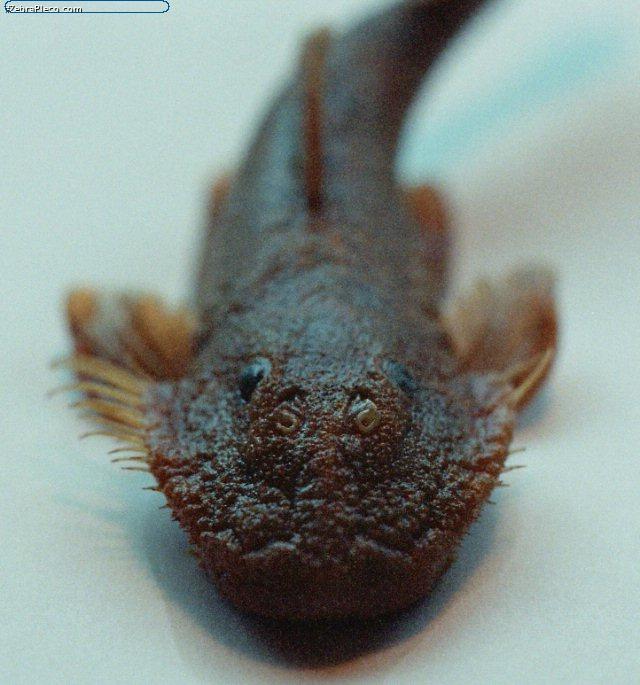
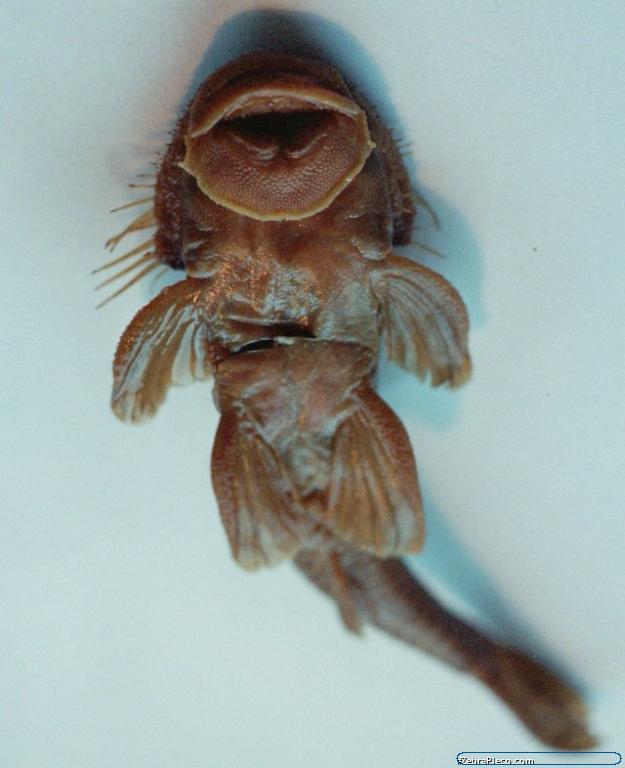
Photographs, diagnostic angles and morphological variants
Community & Keeper Tally
Member interactions, breeding records and forum mentions
Aquarium Care & Husbandry
Dietary requirements, tank setup, compatibility and breeding
Aquarium Furniture & Decor
Found in rocky and stony areas. During the day, this fish hides under the stones in the deep and shaded places but is always active.
Breeding Notes
Unreported in the aquarium.
Habitat & Water Parameters
Natural distribution, biotope water conditions and temperature ranges
Geographic Distribution
South America: Headwaters of Das Velhas River basin.
São Francisco, Middle São Francisco, Das Velhas, Upper Das Velhas (click on these areas to find other species found there)
Login to view the map.
Species Description & Identification
Morphology, diagnostic traits and sexual dimorphism
Identification
Pareiorhaphis species are primarily diagnosed
from remaining neoplecostomines by having the canal plate firmly articulated to the preopercle, and by a series of
sexually-dimorphic features of hypertrophied odontodes of adult males, giving the fish a hispid appearance.
Distinguished from other Hemipsilichthys species by the exposed lateral process of cleithrum above pectoral fin insertion very reduced in size, never passing the origin of the pectoral fin spine; and by the arrangement of the hypertrophied odontodes on the lateral margin of head, which are longer posteriorly and slightly turned backwards.
Taxonomy, Synonyms & Etymology
Classification history, linguistic derivations and variant forms
Synonyms
Hemipsilichthys mutuca
Literature & Resources
Scientific publications, external links and citation tools
Literature & References
External Databases
Related Searches