PAGE_HEADER
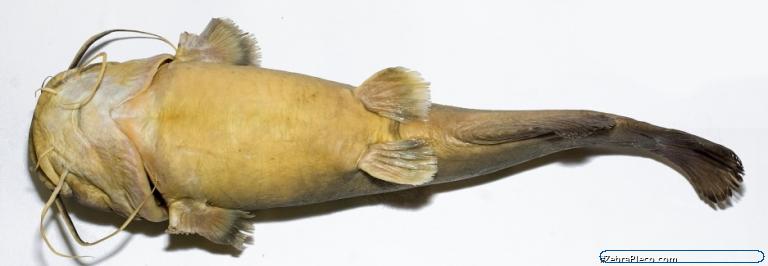
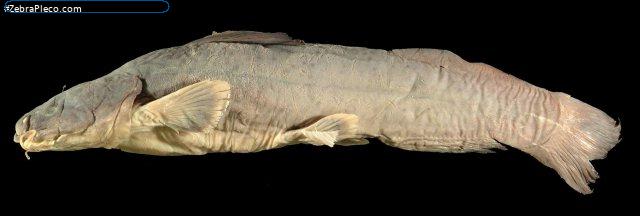
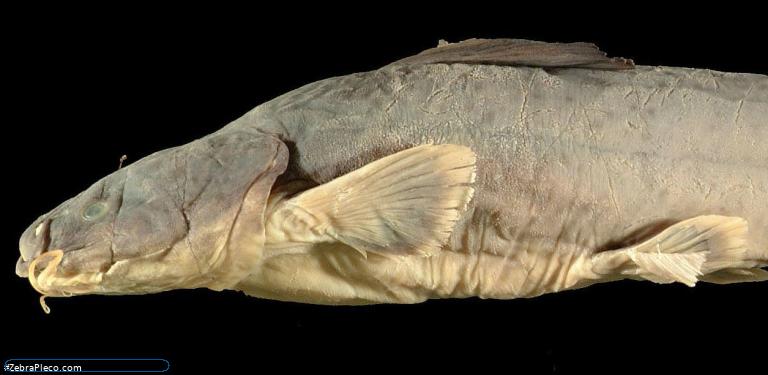
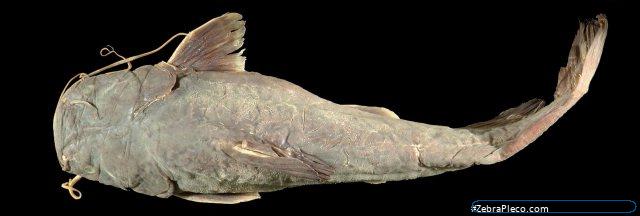
Lacantunia enigmatica Rodiles-Hernández, Hendrickson & Lundberg, 2005
Image Showcase
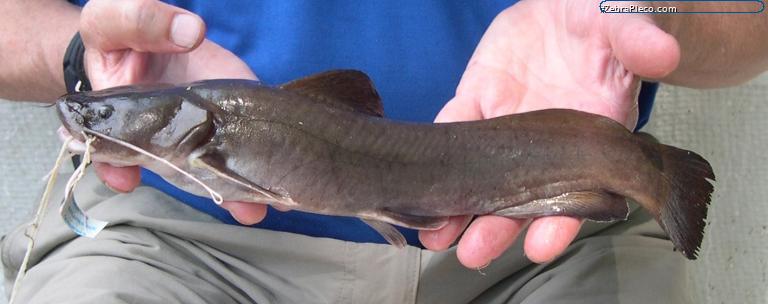
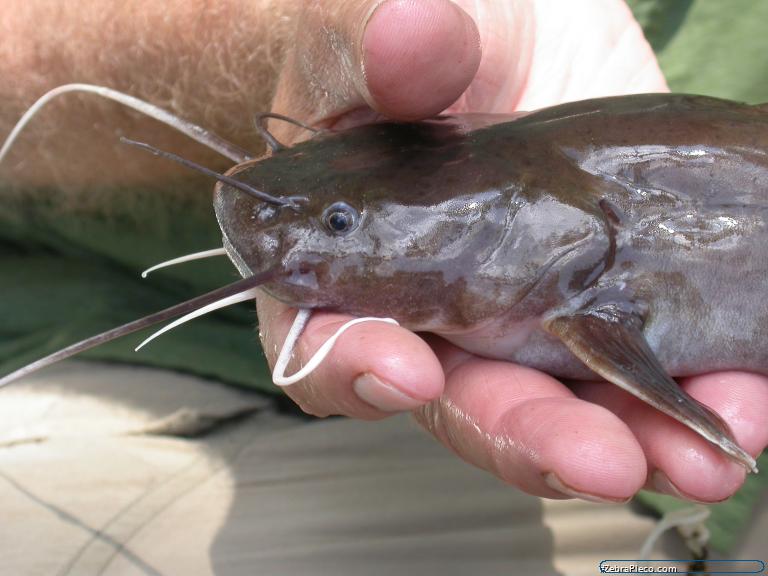
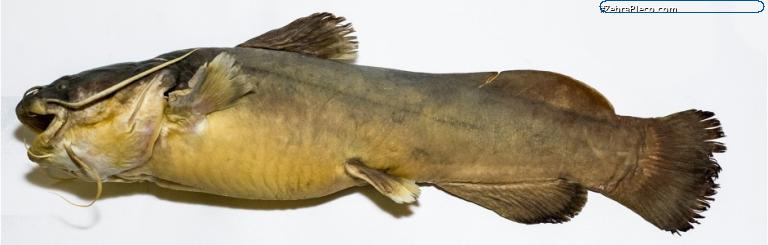
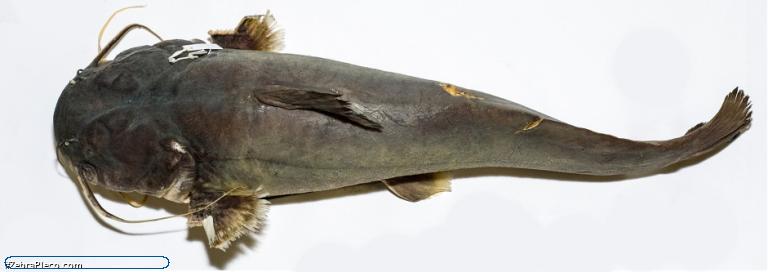
Photographs, diagnostic angles and morphological variants
Community & Keeper Tally
Member interactions, breeding records and forum mentions
Aquarium Care & Husbandry
Dietary requirements, tank setup, compatibility and breeding
Feeding & Diet
Likely a nocturnal hunter, gut content analysis of wild specimens revealed a diet including fishes, crabs, prawns and large, tough seeds. [View Member Food Stats]
Breeding Notes
Unreported in the aquarium.
Habitat & Water Parameters
Natural distribution, biotope water conditions and temperature ranges
Geographic Distribution
North America: Mexico.
Usumacinta, Chixoy (click on these areas to find other species found there)
Usumacinta, La Pasión (click on these areas to find other species found there)
Usumacinta (click on these areas to find other species found there)
Login to view the map.
Species Description & Identification
Morphology, diagnostic traits and sexual dimorphism
Identification
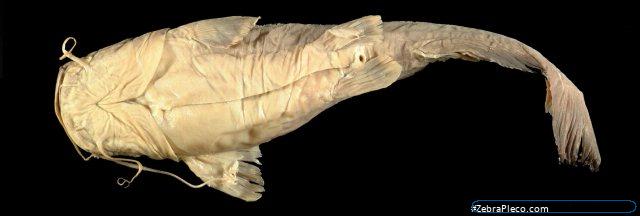
Scientifically classified as by various (5) internal characteristics, externally this fish bears a passing resemblance to an Ictalurid or perhaps Ariid. The fish is an overall brownish colour with attractive paler edges to the pectoral and pelvic fins. Youngsters may be spotted.
Sexual Dimorphism (Sexing)
No apparent sexual dimorphism beyond the shape of the urogenital papilla.
General Remarks
This fish has a very restricted distribution in the wild and is very unlikely to enter the aquarium trade. To scientists, this fish represents an intriguing puzzle probably representing an now isolated evolution of North American ancestry. The local common name, Madre de juil, translates into mother of juil (juil being the native species of Rhamdia; Heptapteridae). See also Lacantunia enigmatica Digimorph.
Taxonomy, Synonyms & Etymology
Classification history, linguistic derivations and variant forms
Pronunciation
lack an TOON ee ah - enn ig MAH ticka
Etymology
The generic name comes from the Río Lacantún in Chiapas, the tributary river of Río Usumacinta inhabited by the type species. The specific epithet is Latin for baffling or inexplicable in reference to the unexpected discovery, obscure relationships and origin of the new catfish.
Literature & Resources
Scientific publications, external links and citation tools
Literature & References
External Databases
Related Searches