PAGE_HEADER
Glyptothorax platypogon (Valenciennes, 1840)
Image Showcase
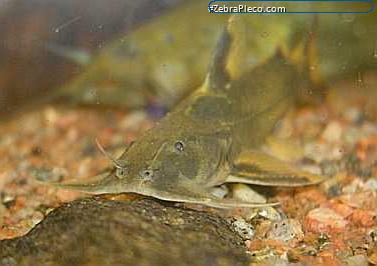
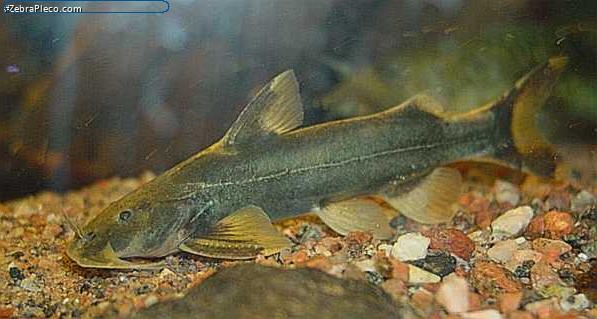
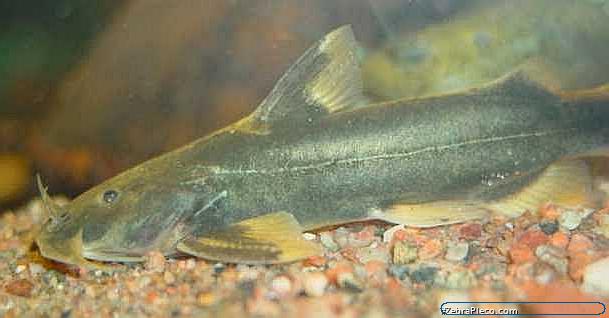
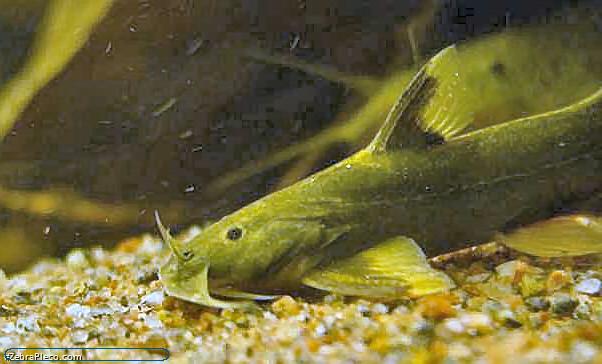
Photographs, diagnostic angles and morphological variants
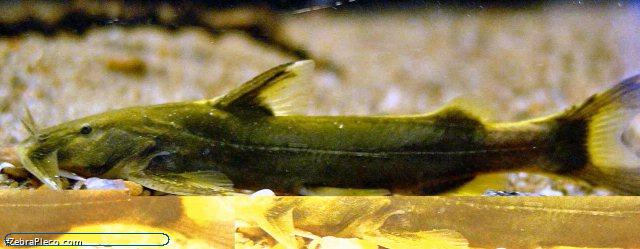
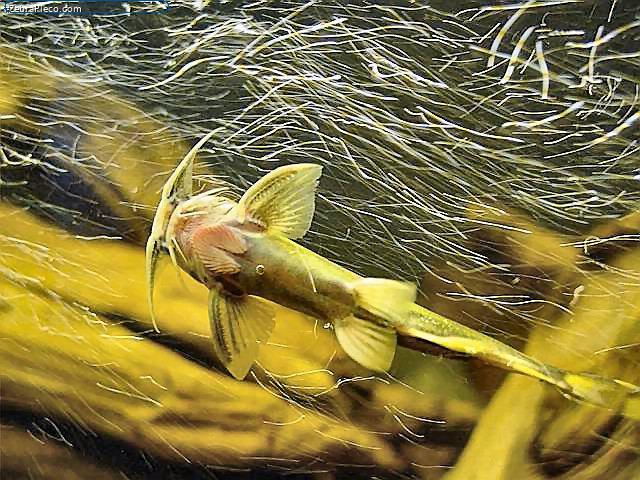
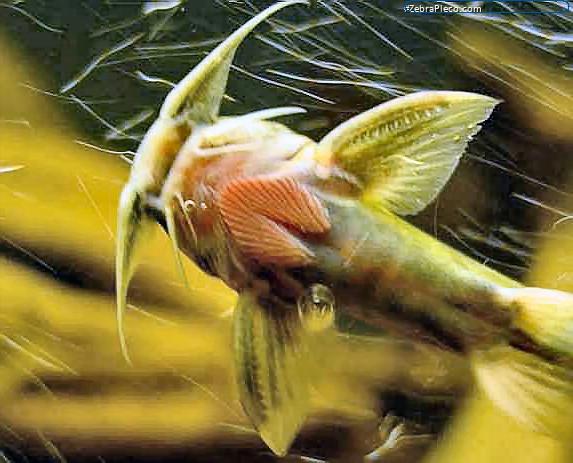
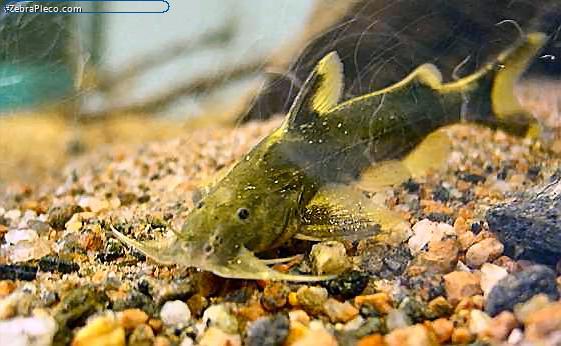
Community & Keeper Tally
Member interactions, breeding records and forum mentions
Aquarium Care & Husbandry
Dietary requirements, tank setup, compatibility and breeding
Feeding & Diet
Not a picky feeder once acclimatised. Will eat prepared and frozen foods. [View Member Food Stats]
Aquarium Furniture & Decor
A sandy/gravel bottom and enough rocks/driftwood to partially deflect the current and for the fish to hide in.
Compatibility & Suggested Tankmates
Can be kept alone or in groups.
Tankmates: A peaceful species suitable for the hillstream biotope tank. Best kept in a well-oxygenated tank with strong current. Ideal tankmates include balitorine loaches such as Homaloptera, fast-swimming cyprinids such as Danio or Barilius, and smaller mastacembelids.
Breeding Notes
No member of this genus has been bred in the aquarium.
Habitat & Water Parameters
Natural distribution, biotope water conditions and temperature ranges
Geographic Distribution
Asia: Indonesia and Malaysia.
Indonesian Waters, Citarum (click on these areas to find other species found there)
Login to view the map.
Species Description & Identification
Morphology, diagnostic traits and sexual dimorphism
Identification
Sisorid catfishes of the genus Glyptothorax Blyth are benthic inhabitants of torrential waters of rivers and streams in montane and submontane parts of tropical Asia. The members of the genus are adapted to attach themselves to rocks and boulders against strong currents by means of a thoracic adhesive apparatus comprising grooves and folded pleats of skin parallel or oblique to the longitudinal axis of the body. The genus has a wide distribution, ranging from Turkey and Syria in the west, to India and China in the east, and extending further southeastward to Indonesia. With 84 nominal species, Glyptothorax are the most speciose genus of catfishes in Asia (Eschmeyer et al., 1998, Ng, 2005); 67 species were treated as valid by Thomson & Page (2006).
Colouration is not a good character for identificication among Glyptothorax, the shape of the adhesive apparatus and locality information are more useful.
Sexual Dimorphism (Sexing)
Unknown
Taxonomy, Synonyms & Etymology
Classification history, linguistic derivations and variant forms
Synonyms
Glyptothorax cyanochloros, Glyptothorax robustus, Pimelodus platypogon, Sundagagata robusta
Pronunciation
Gleep toe thor axe - plah tee poh gone
Etymology
The generic name comes from the Greek glyptos, meaning carved, and thorax, meaning breastplate (or the part of the body covered by it), in reference to the folds of skin comprising the thoracic adhesive apparatus.
There are 2 other speciesMicronema platypogon
Occidentarius platypogon with this specific name.
Literature & Resources
Scientific publications, external links and citation tools
Description Reference
Histoire naturelle des poissons v. 15, pp152.
External Databases
Related Searches