PAGE_HEADER
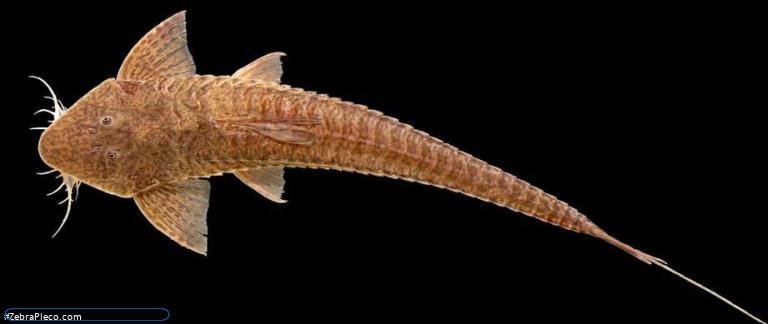
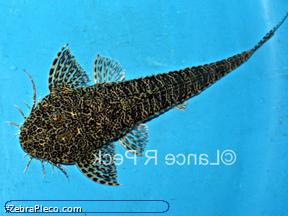
Rhadinoloricaria bahuaja (Chang & Castro, 1999)
Image Showcase
Photographs, diagnostic angles and morphological variants
Community & Keeper Tally
Member interactions, breeding records and forum mentions
Aquarium Care & Husbandry
Dietary requirements, tank setup, compatibility and breeding
Feeding & Diet
Stomach contents of fish examined in the wild include larvae of aquatic insects, small seeds and debris. [View Member Food Stats]
Aquarium Furniture & Decor
Occurs in the main river and major tributaries, always over sandy beaches.
Breeding Notes
Unreported. Male carries the eggs.
Habitat & Water Parameters
Natural distribution, biotope water conditions and temperature ranges
Geographic Distribution
South America: Madre de Dios basin in Peru, Rio Grande in Bolivia and Rio Manuripe in Pando.
Amazon, Middle Amazon (Solimoes), Madeira, Mamoré, Upper Mamoré, Guapay (click on these areas to find other species found there)
Amazon, Middle Amazon (Solimoes), Madeira, Madre de Dios, Las Piedras (click on these areas to find other species found there)
Amazon, Middle Amazon (Solimoes), Madeira, Madre de Dios (click on these areas to find other species found there)
Amazon, Middle Amazon (Solimoes), Madeira, Madre de Dios, Manuripe (click on these areas to find other species found there)
La Plata, Parapetí (click on these areas to find other species found there)
Login to view the map.
Species Description & Identification
Morphology, diagnostic traits and sexual dimorphism
Identification
Distinguished from all other species of Crossoloricaria by having more teeth (4-8 premaxillary and 8-11 mandibular teeth); more coalescing plates (17-20); maxillary barbel longer (68-109 % HL), reaching middle or proximal third of pectoral fin; barbels of lower lip more developed (16-27% HL); interorbital width greater (16-21% HL); and first ray of dorsal, pectoral and pelvic fins produced beyond branched fin rays. Furthermore, it is distinguished from C. rhami by these osteological features: tip of first dorsal-fin pterygiophore passes between paired neural spines of 8th centrum and contacts posterior border of transverse process of 7th centrum; pectoral fin reaches anterior half of pelvic fin; pelvic skeleton with ischiac process of basipterygia elongated, longer than in C. rhami; and last pterygiophore of anal fin bears a bifid posterior process, ending at the middle of haemal spine of 18th centrum.
Taxonomy, Synonyms & Etymology
Classification history, linguistic derivations and variant forms
Synonyms
Crossoloricaria bahuaja
Etymology
Greek, rhadinos, -e, -on = soft, flexible + Latin, lorica, loricare = cuirass of corslet of leather;
Literature & Resources
Scientific publications, external links and citation tools
Literature & References
External Databases
Related Searches