PAGE_HEADER
Hoplisoma weitzmani (Nijssen, 1971)
Image Showcase
Photographs, diagnostic angles and morphological variants
Community & Keeper Tally
Member interactions, breeding records and forum mentions
Aquarium Care & Husbandry
Dietary requirements, tank setup, compatibility and breeding
Feeding & Diet
Will readily accepted all prepared foods that reach the bottom of the aquarium such as tablets, granules and larger flakes. Live (or frozen) foods such as bloodworm, white worm, grindal worm (Enchytraeus), Daphnia and Tubifex are readily accepted and good for conditioning groups of fishes for spawning. [View Member Food Stats]
Aquarium Furniture & Decor
Ideally, and close to mandatory, substrate should be sand, but rounded gravel is an imperfect alternative. Avoid keeping over rough edged (chipped) gravel or sharp sand. This will increase the risk of damage to the fishes barbels when it tries to dig. Substrate should be bordered with driftwood and aquatic plants leaving an open area for them to search for food and swim. The shade provided by overhanging rock work, arching bogwood, tall or floating plants are all that is required to settle a group of these fishes.
Compatibility & Suggested Tankmates
Comaptible with all but the tiniest of fry, and as long as they are not considered "food" in themselves.
Tankmates: Ideal tankmates are small to medium tetras. Possibly also dwarf cichlids such as Apistogramma or Mikrogeophagus.
Breeding Notes
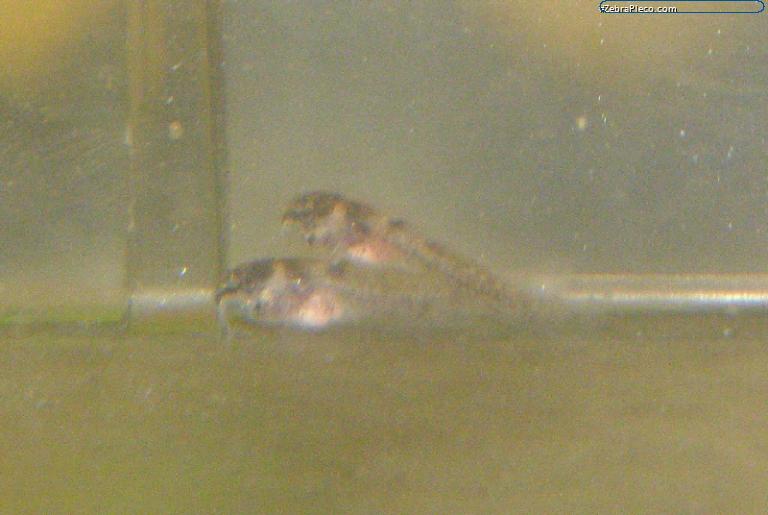
Spawned by Eric Bodrock in November 2007 who provided these notes. Breeders were F1 fish, three males and four females. Spawning occurred in 10–20-gallon tanks. Normally the pH was around 7.0, sometimes a bit higher with a dGH of 10. Seemed to prefer slightly warmer water around 78°F (25.5°C). Eggs are rather large and can number up to 50 or so, and almost always deposited in a clump of Java moss. Hatch rate moderate. Additionally, it appears to be both reasonably easy and predictable in its spawning behaviour.
Habitat & Water Parameters
Natural distribution, biotope water conditions and temperature ranges
Geographic Distribution
South America: western Amazon River basin.
Amazon, Middle Amazon (Solimoes), Madeira, Madre de Dios (click on these areas to find other species found there)
Login to view the map.
Species Description & Identification
Morphology, diagnostic traits and sexual dimorphism
Identification
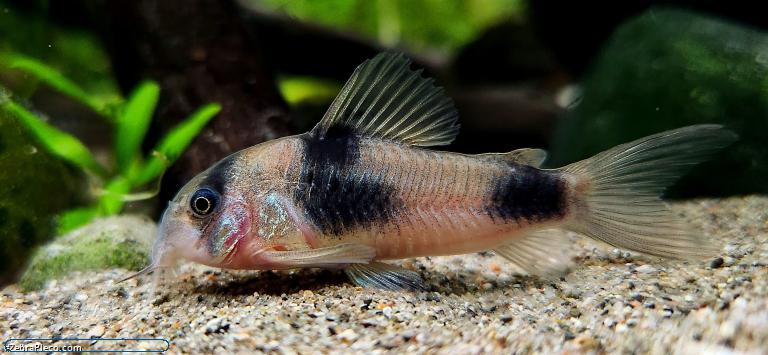
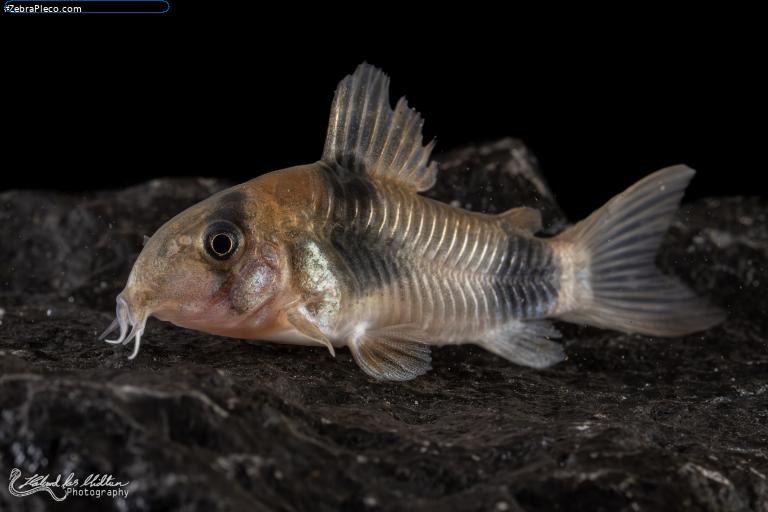
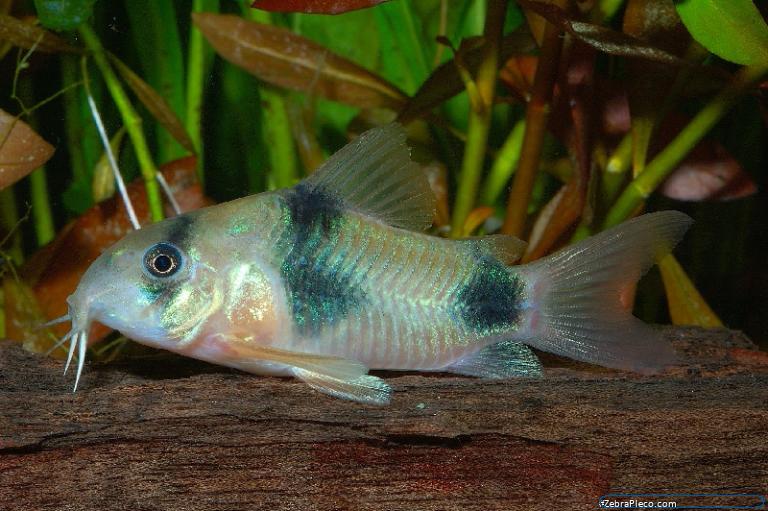
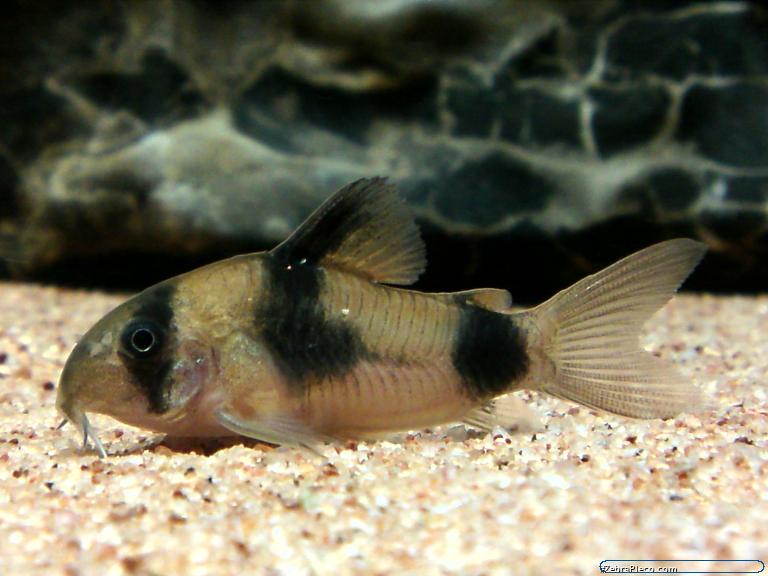
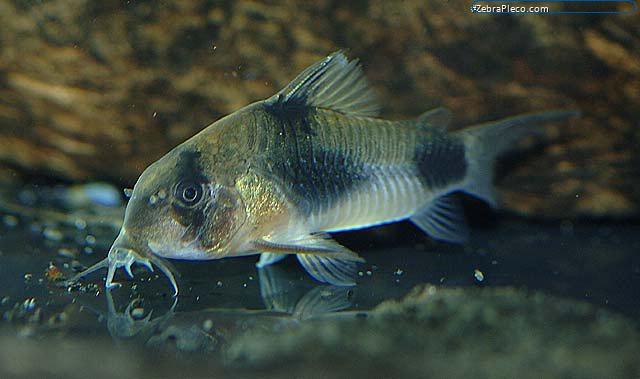
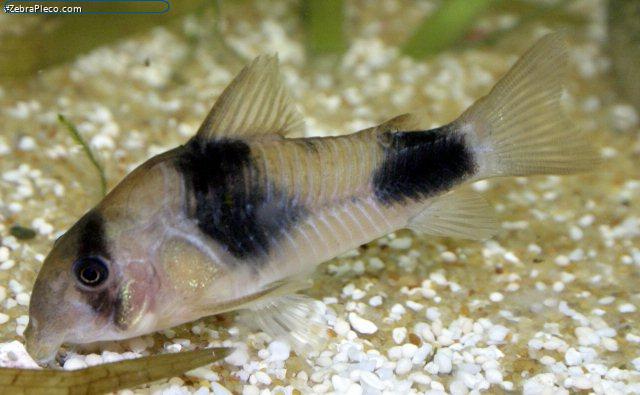
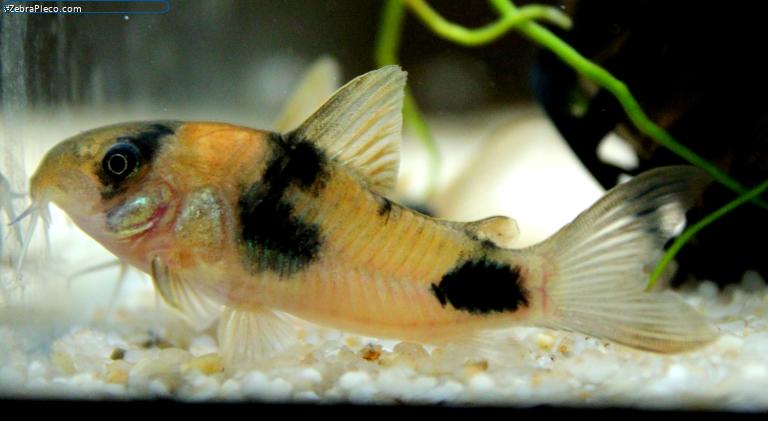
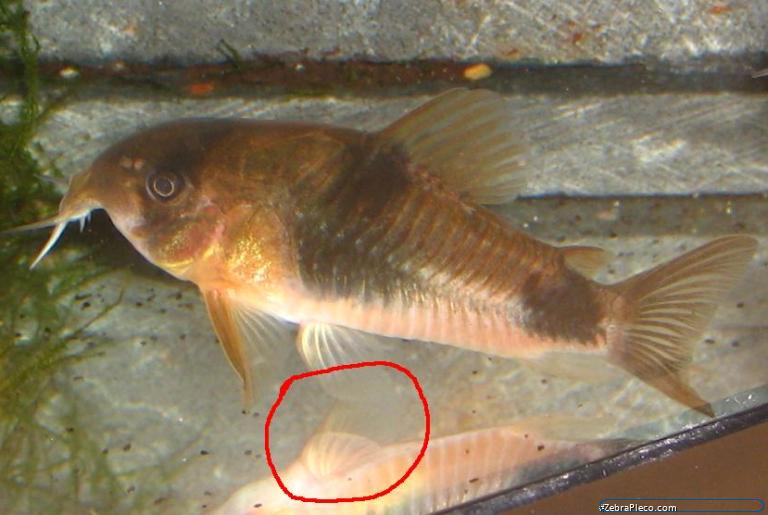
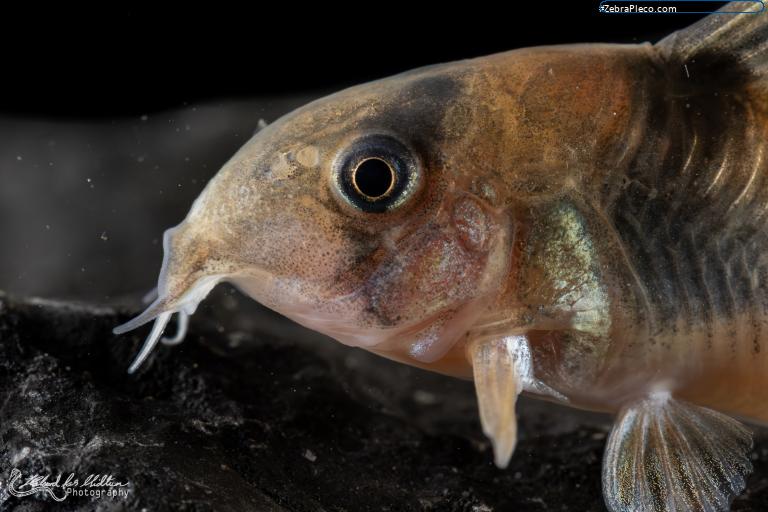
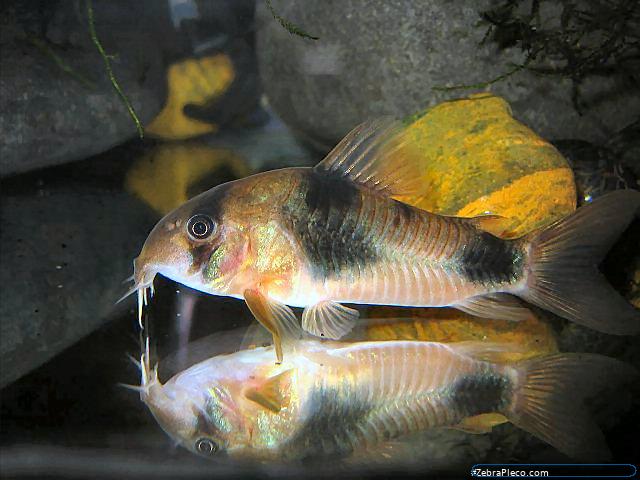
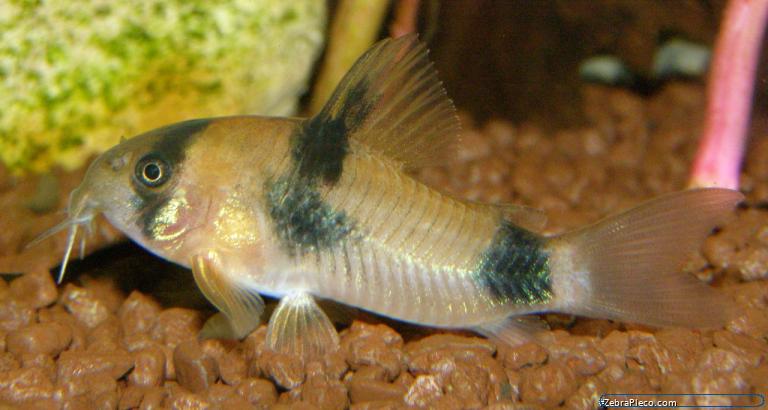
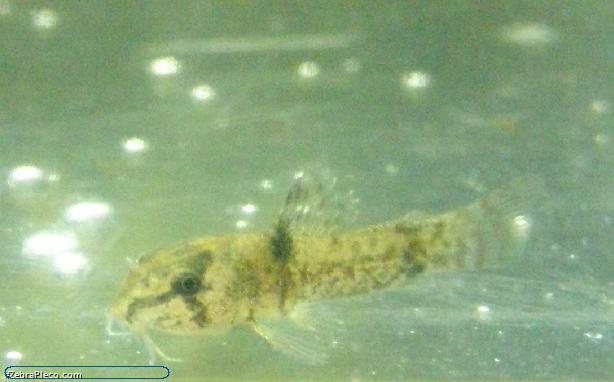
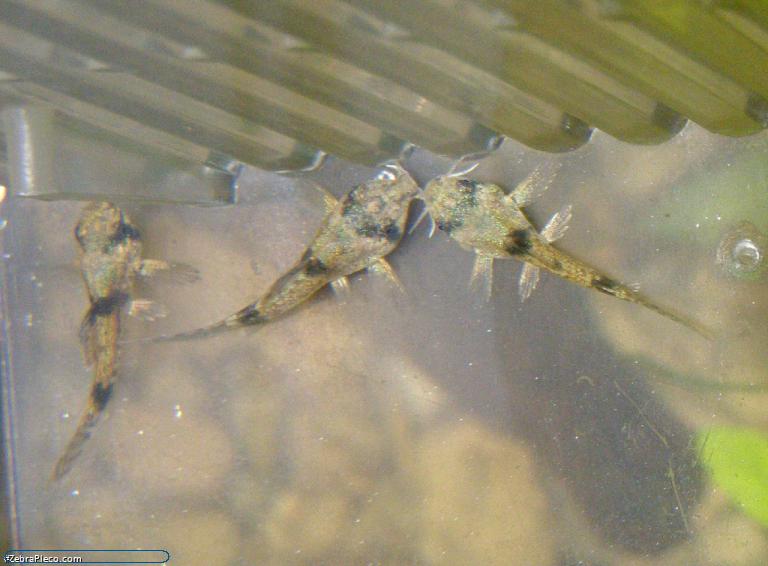
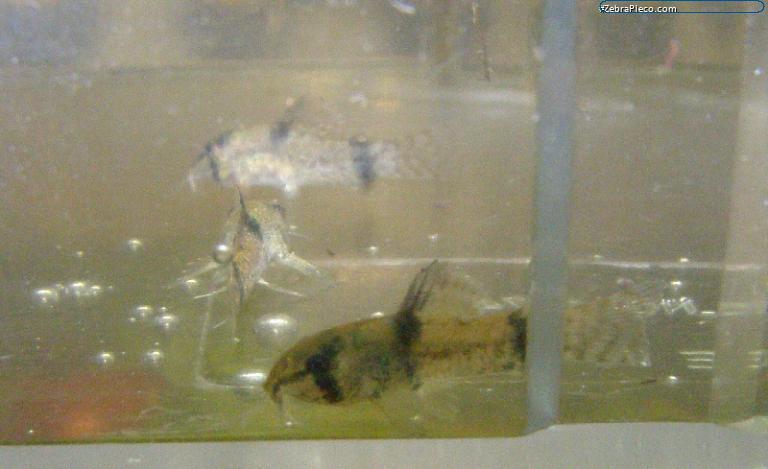
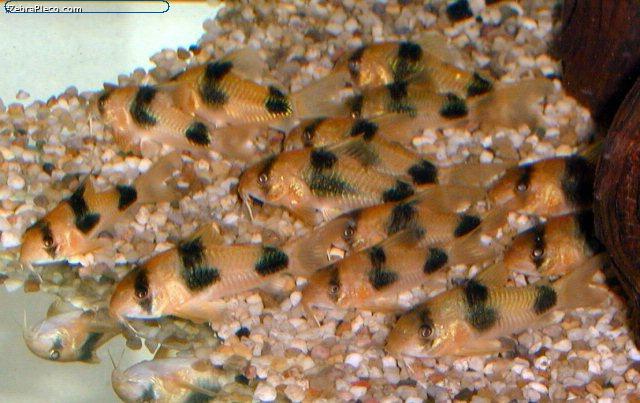
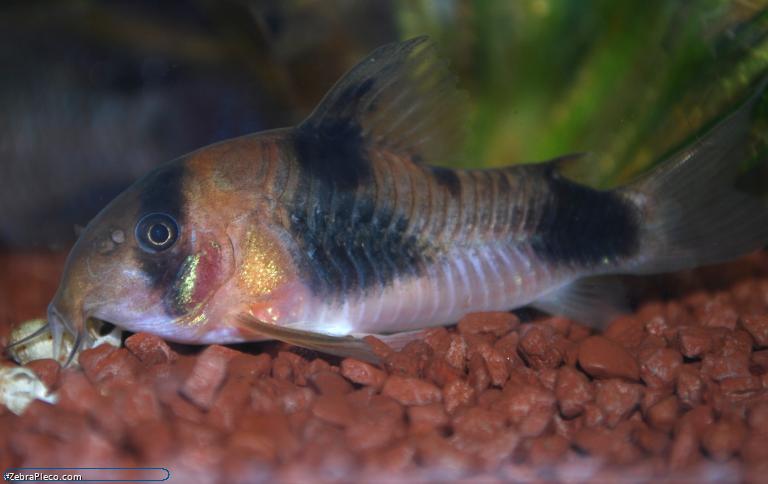
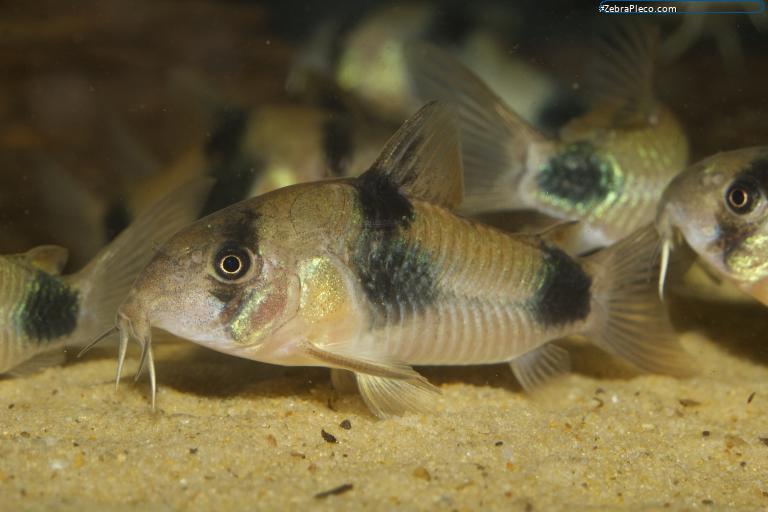
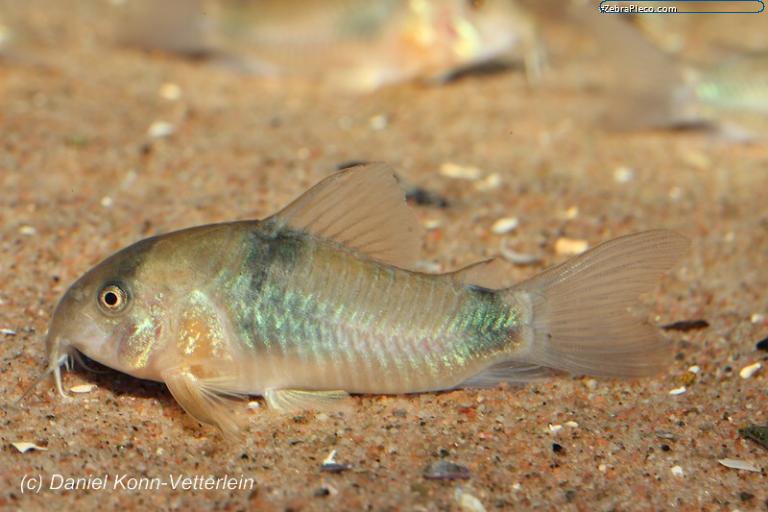
Fairly unique in that it has a light brown body with three dark markings, one over the eye, one under/into the dorsal and one at the end of the caudal peduncle. The exact shape of the spots varies somewhat from one fish to another.
Sexual Dimorphism (Sexing)
Females fuller bodied and slightly larger than males.
General Remarks
The type locality information recorded for this species is inaccurate. It was collected in the sixties by Paolini in his many expeditions in the area and vaguely recorded as from "near the Cord. Vilanota". The 1971 description from his preserved material made the final leap to the incorrect locale. It was not until Belinda and Lance Peck found the species again in 2003 that imports to the aquarium trade started. Those imports come from the Rio Araza in the Madre del Dios river system in Southern Peru.
Taxonomy, Synonyms & Etymology
Classification history, linguistic derivations and variant forms
Pronunciation
hop lee so mah
Etymology
The genus name is latin for wavy, referring to “dark purplish spots tending to run together, forming undulating longitudinal bands” - a common if not uniform colouration pattern found in this genus. Named to honour Dr. Stanley Weitzman.
There are 3 other speciesJenynsia weitzmani
Lophiobrycon weitzmani
Poecilocharax weitzmani with this specific name.
Literature & Resources
Scientific publications, external links and citation tools
Description Reference
Beaufortia v. 19 (no. 250), pp 91, Fig. 1.
External Databases
Related Searches