PAGE_HEADER
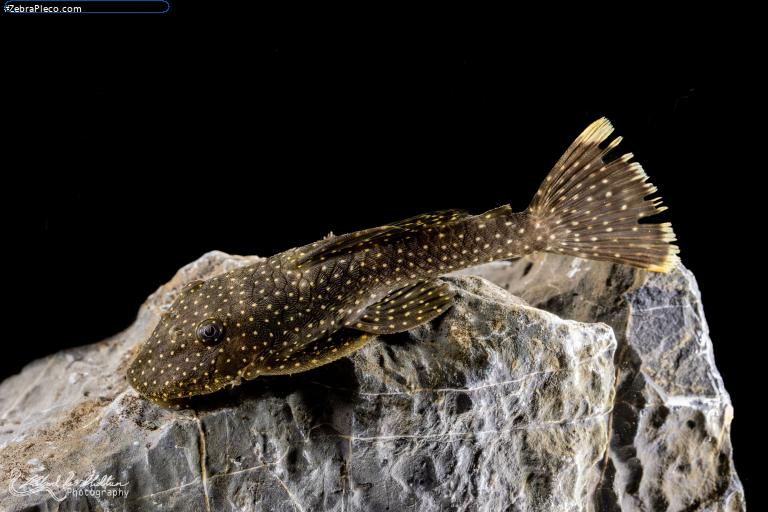
Hopliancistrus wolverine de Oliveira, Zuanon, Rapp Py-Daniel, Birindelli & Sousa, 2021
Image Showcase
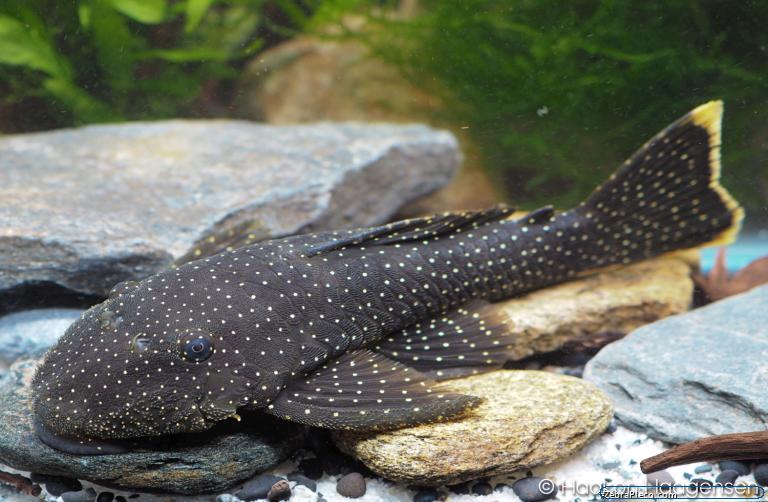
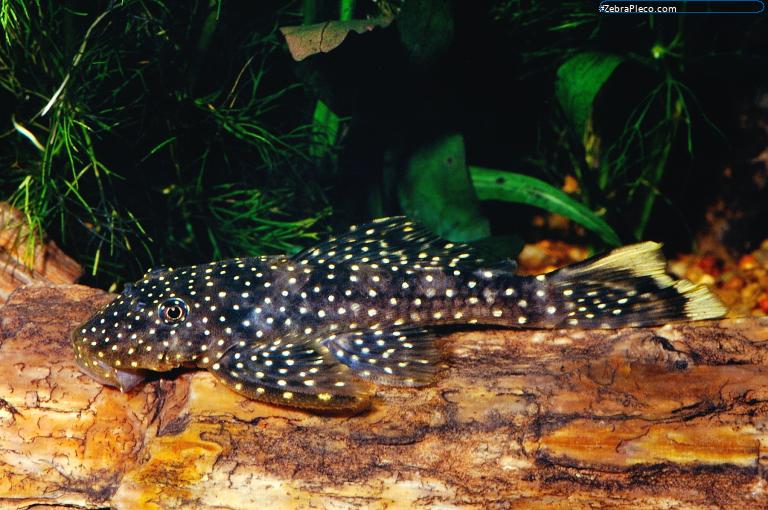
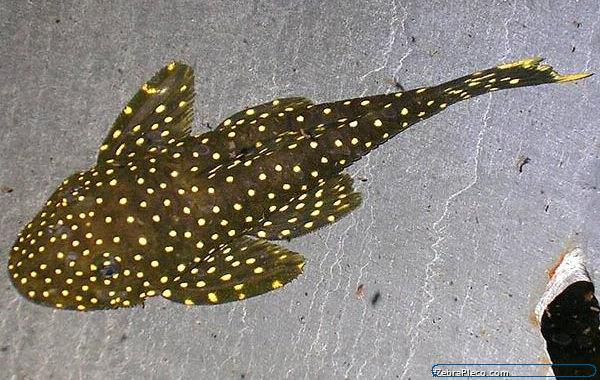
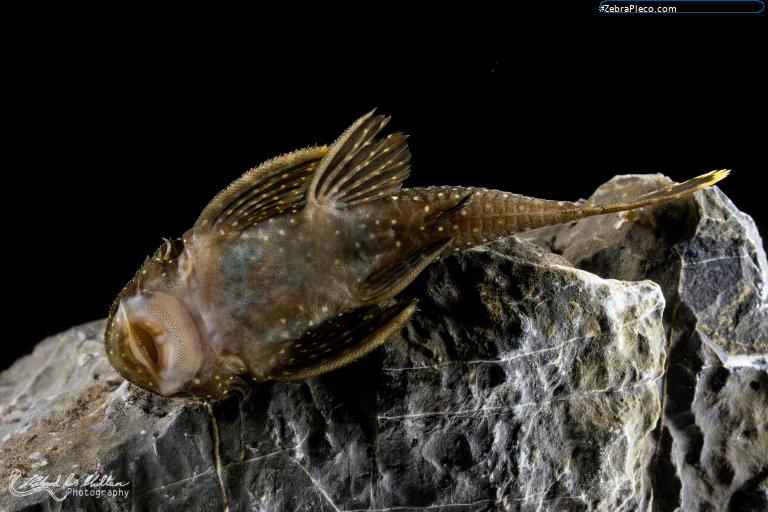
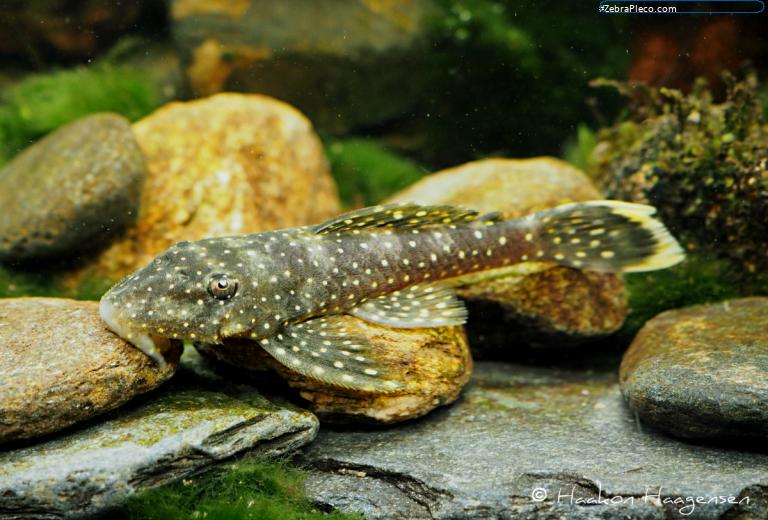
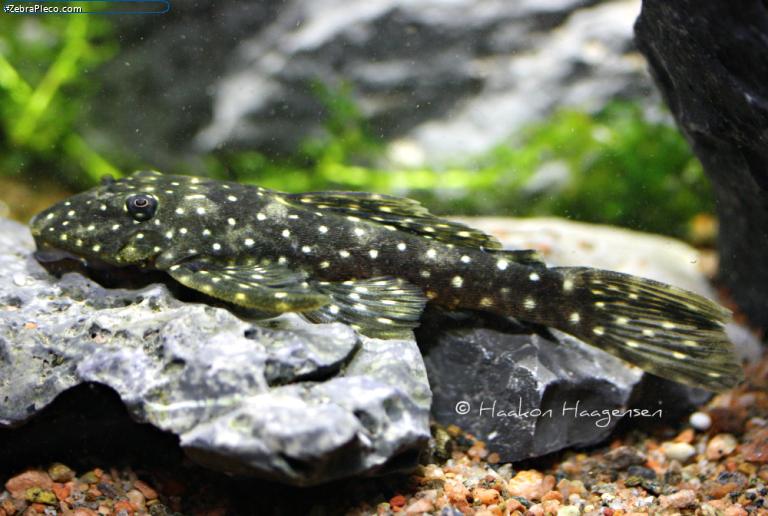
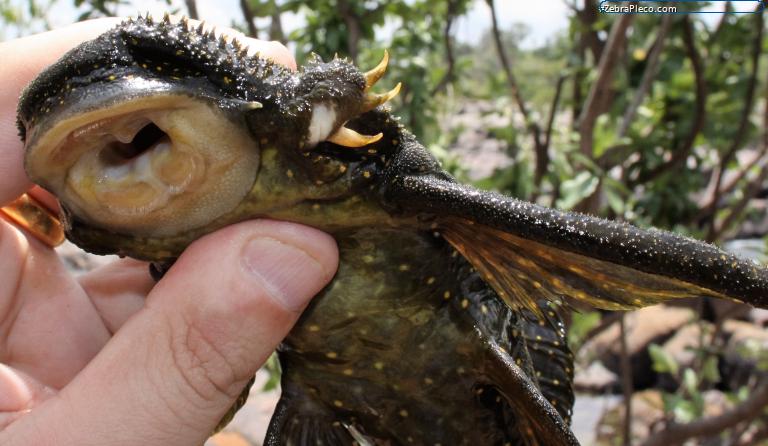
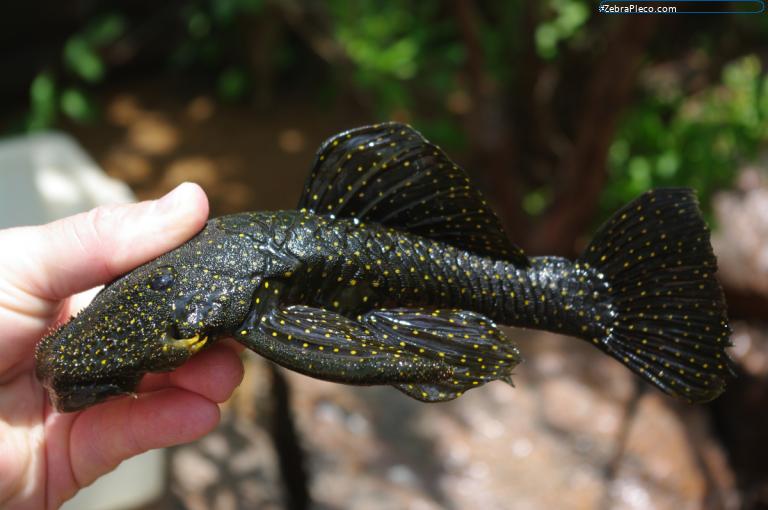
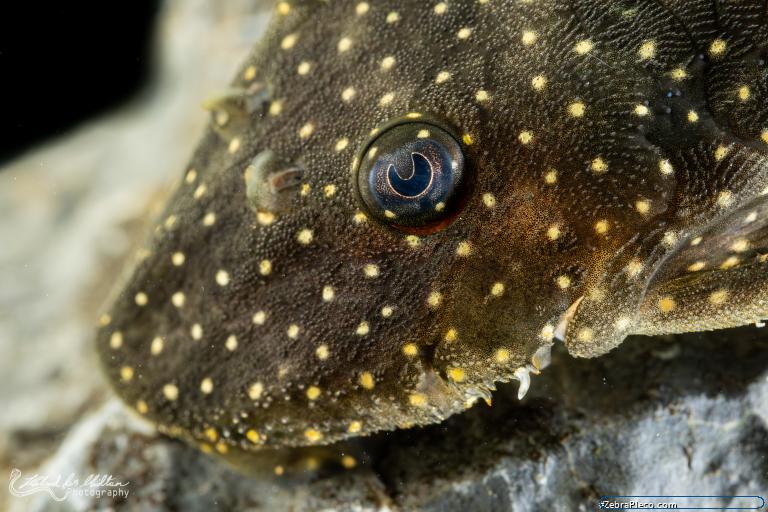
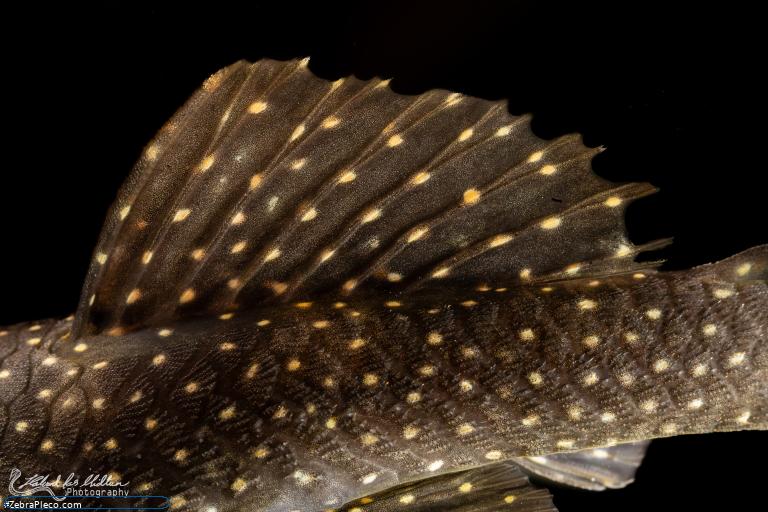
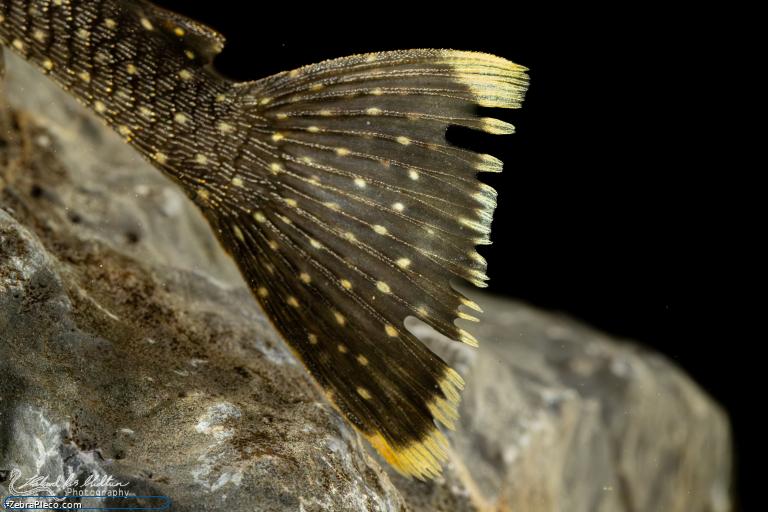
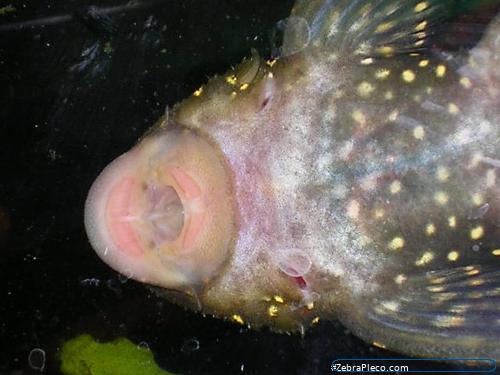
Photographs, diagnostic angles and morphological variants
Community & Keeper Tally
Member interactions, breeding records and forum mentions
Aquarium Care & Husbandry
Dietary requirements, tank setup, compatibility and breeding
Breeding Notes
Unreported in the aquarium.
Habitat & Water Parameters
Natural distribution, biotope water conditions and temperature ranges
Geographic Distribution
South America: Brazil: Rio Xingu
Amazon, Lower Amazon, Xingu (click on these areas to find other species found there)
Login to view the map.
Species Description & Identification
Morphology, diagnostic traits and sexual dimorphism
Identification
A key to the genus Hopliancistrus can be found here.
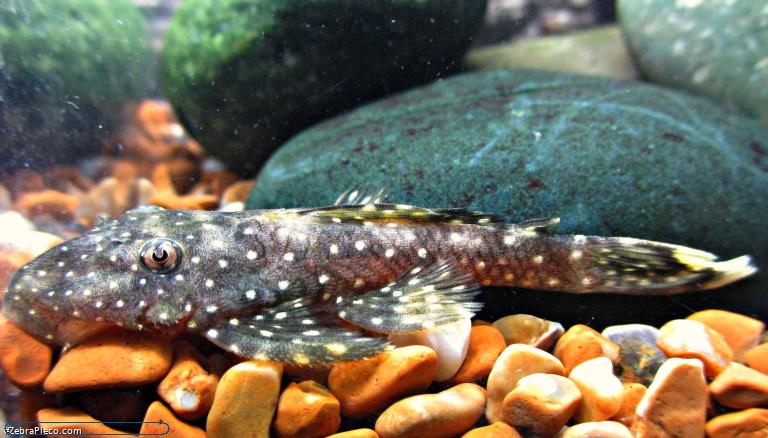
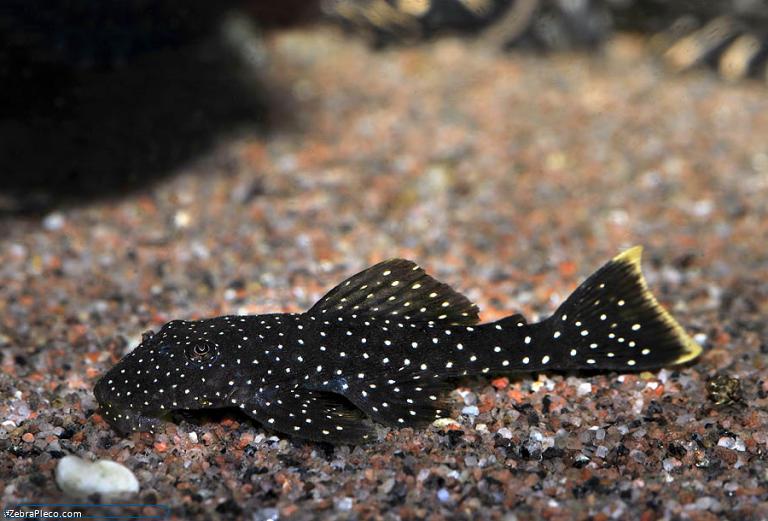
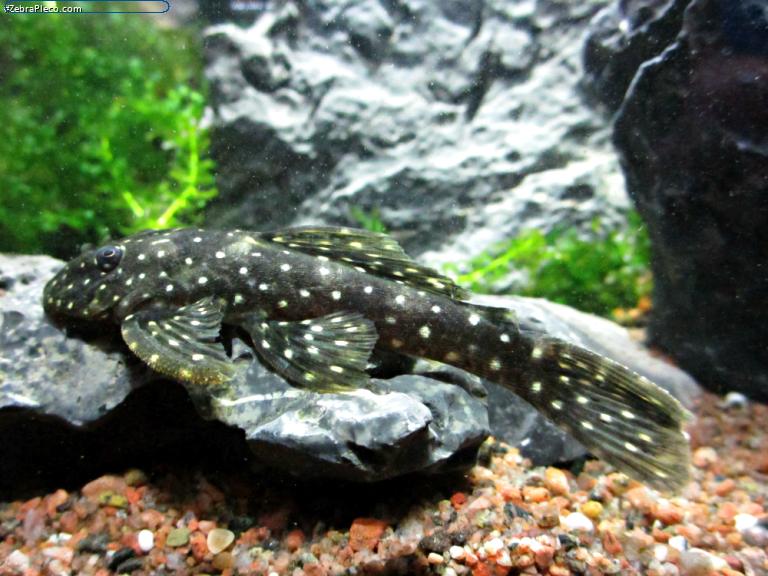
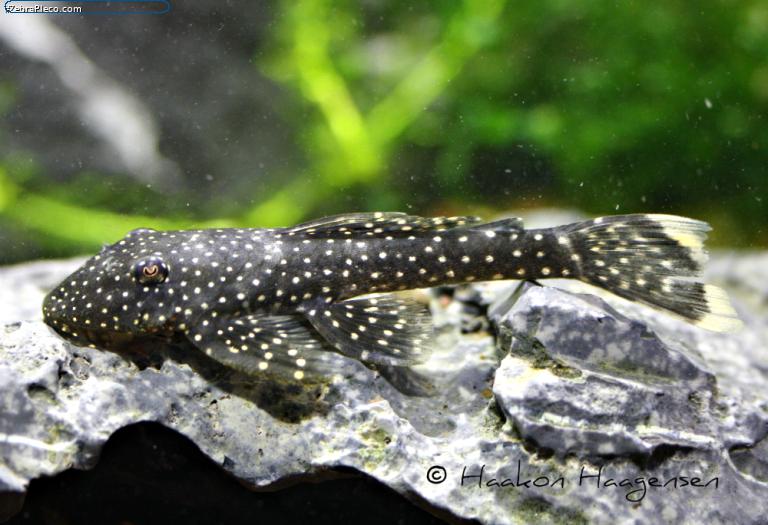
Male Hopliancistrus develop very stout recurved odontodes at the corners of the snout. The presence of three stout, strongly recurved odontodes in the cheek mass putatively separate Hopliancistrus from all other Ancistrini; however, the actual number of hypertrophied cheek odontodes is 1-16, with 1-5 of those being stout and recurved. The only other ancistrin that develops hypertrophied odontodes just in the corners of the snout is Lasiancistrus, but Lasiancistrus have the odontodes very thin, like long whiskers; also, Lasiancistrus has three rows of plates on the caudal peduncle vs. five in Hopliancistrus. (Adapted from Armbruster).
A real mess of an L-number - the L017 that was originally introduced was L067 (A Pseudancistrus) but this wasn't realised until much later on so at which point L017 was settled in to be the Hopliancistrus and so it doesn't have the snout odontodes or the hint of yellow in the dorsal found with L067. Both fishes have yellow in the caudal.
Taxonomy, Synonyms & Etymology
Classification history, linguistic derivations and variant forms
Etymology
(Greek)Hoplon=Weapon + (Greek)agkistron=hook.
Literature & Resources
Scientific publications, external links and citation tools
Literature & References
External Databases
Related Searches