PAGE_HEADER
Rineloricaria stewarti (Eigenmann, 1909)
Image Showcase
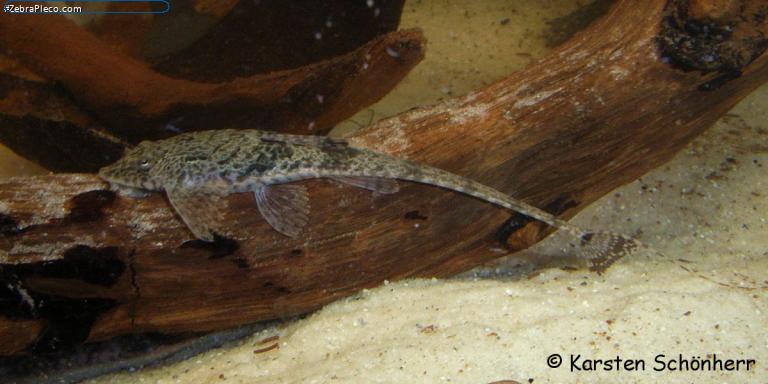
Photographs, diagnostic angles and morphological variants
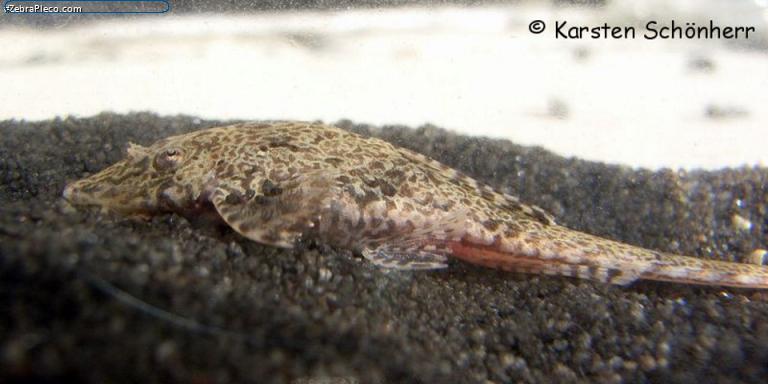
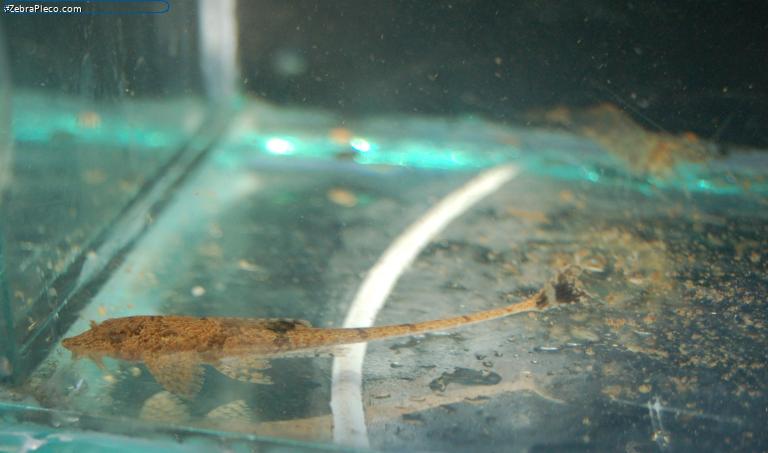
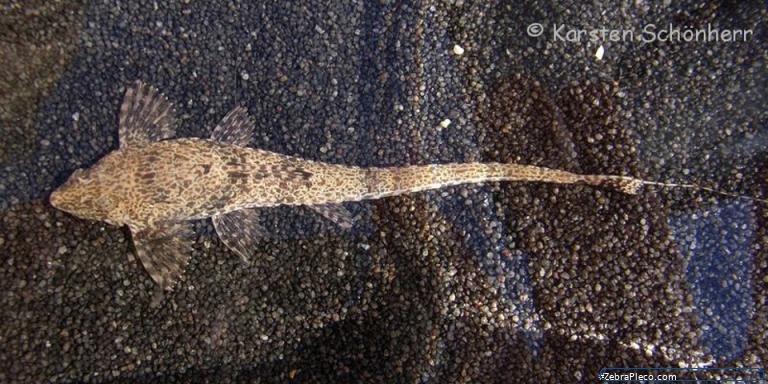
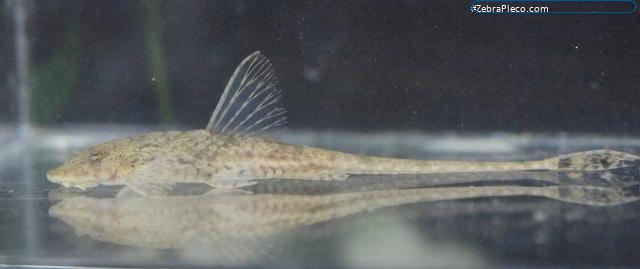
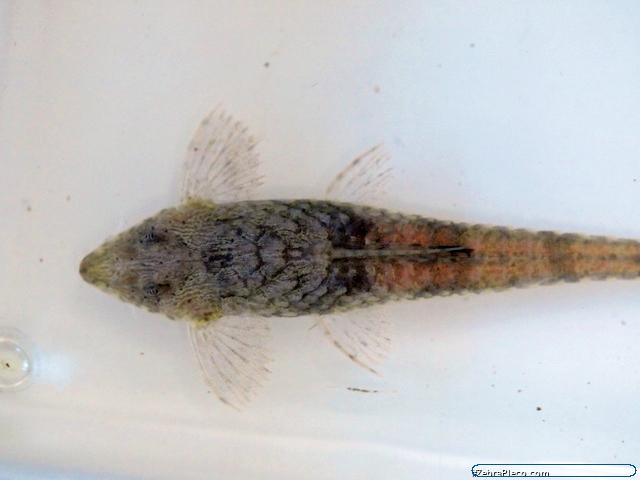
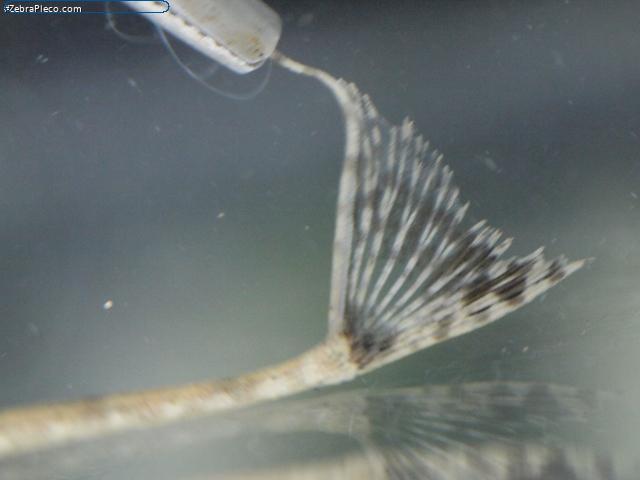
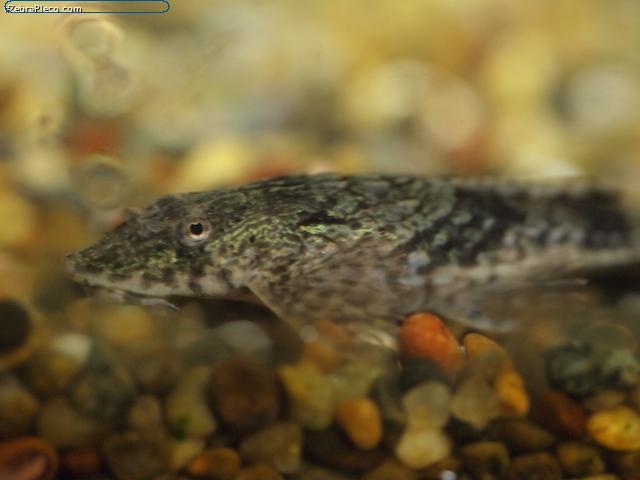
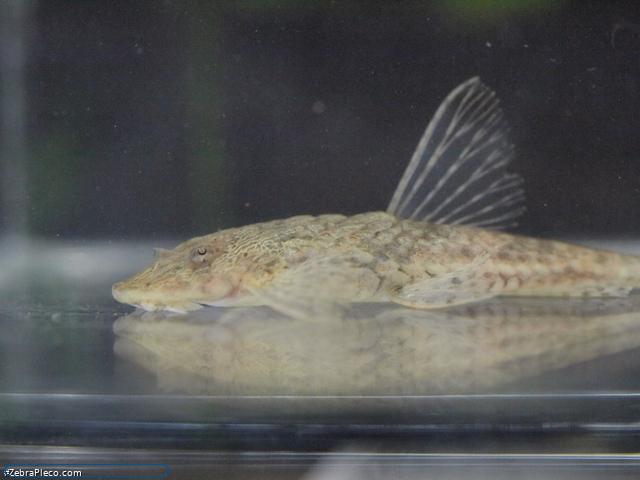
Community & Keeper Tally
Member interactions, breeding records and forum mentions
Aquarium Care & Husbandry
Dietary requirements, tank setup, compatibility and breeding
Feeding & Diet
Adaptable omnivores, these fish will eat most foods from cucumber or zucchini slices to frozen bloodworm or dry flake foods. [View Member Food Stats]
Aquarium Furniture & Decor
The fish should be provided with half-pipe type refuges which also often be used as spawning sites.
Compatibility & Suggested Tankmates
Peaceful and not territorial.
Breeding Notes
Unreported in the aquarium.
Habitat & Water Parameters
Natural distribution, biotope water conditions and temperature ranges
Geographic Distribution
South America: Coastal rivers of the Guianas.
Guyana Waters, Coastal Rivers of Guyanas (click on these areas to find other species found there)
Guyana Waters, Coastal Rivers of Guyanas, Suriname Coastal Rivers, Marowijne, Upper Marowijne, Grand Inini (click on these areas to find other species found there)
Login to view the map.
Species Description & Identification
Morphology, diagnostic traits and sexual dimorphism
Sexual Dimorphism (Sexing)
Males grow short spines in the top of their heads and pectoral fins.
General Remarks
Lives in forest creeks where the water is clear and fast moving with medium sunny conditions, shallow depth (10-60 cm) and sandy-rocky substrate along with Corydoras guianensis, Moenkhausia oligolepis and Phenacogaster cf. megalostictus. Like R. cf. platyura, mature males develop some odontodes on each side of the head as well as some odontodes elongated towards the back of the interorbitals.
Taxonomy, Synonyms & Etymology
Classification history, linguistic derivations and variant forms
Synonyms
Hemiloricaria stewarti, Loricaria stewarti
Pronunciation
rhine lor ee kar ee ah.
Etymology
Greek, rhinos = nose + Latin, lorica, loricare = cuirass of corslet of leather.
There are 4 other speciesHeptapterus stewarti
Pimelodus stewarti
Rhadinoloricaria stewarti
Tanganikallabes stewarti with this specific name.
Literature & Resources
Scientific publications, external links and citation tools
Literature & References
External Databases
Related Searches