PAGE_HEADER
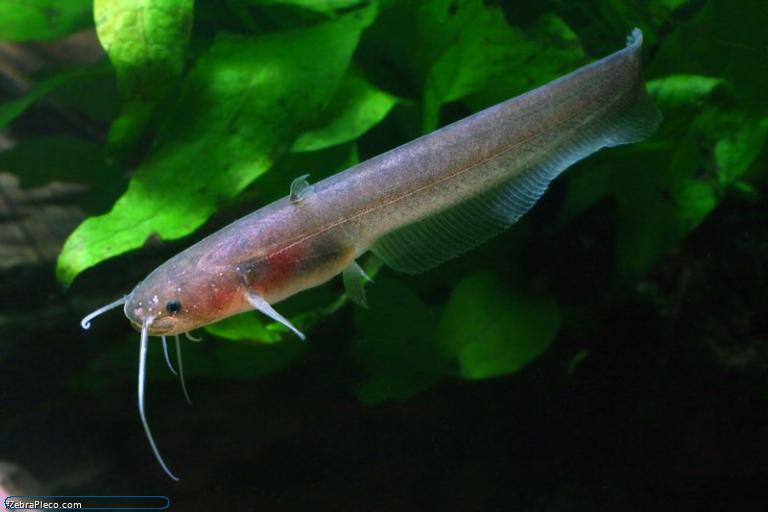
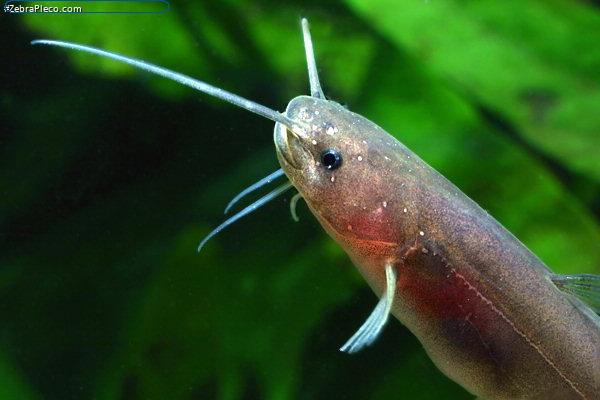
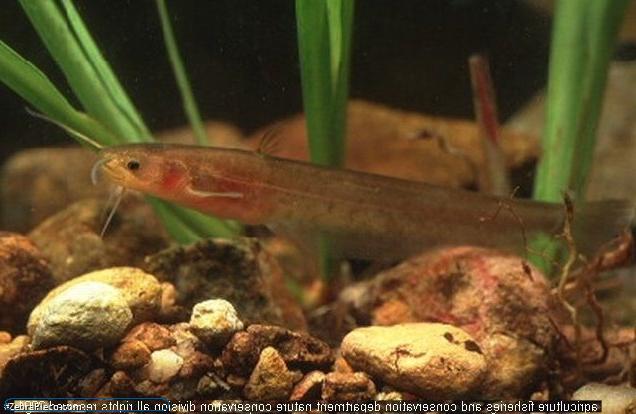
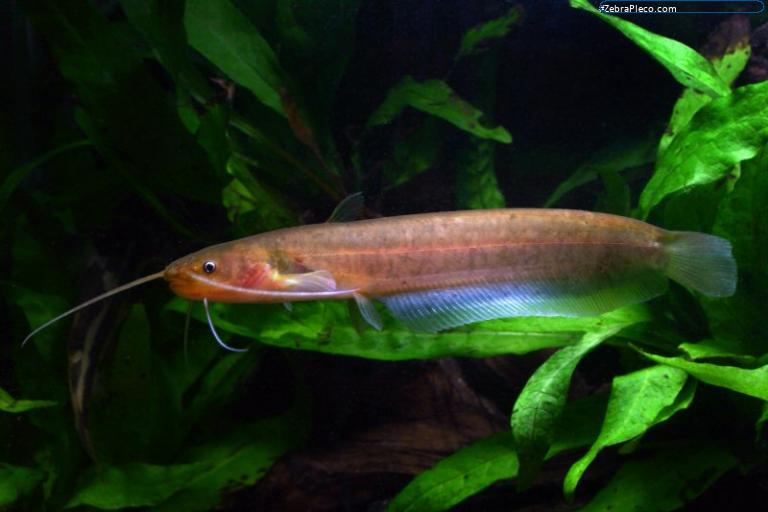
Pterocryptis anomala (Herre, 1933)
Image Showcase
Photographs, diagnostic angles and morphological variants
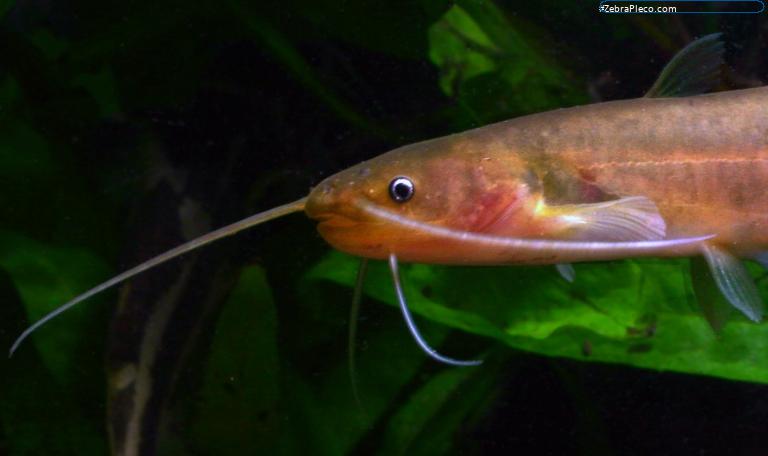
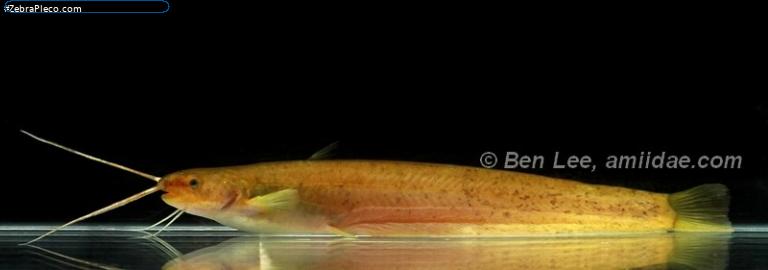
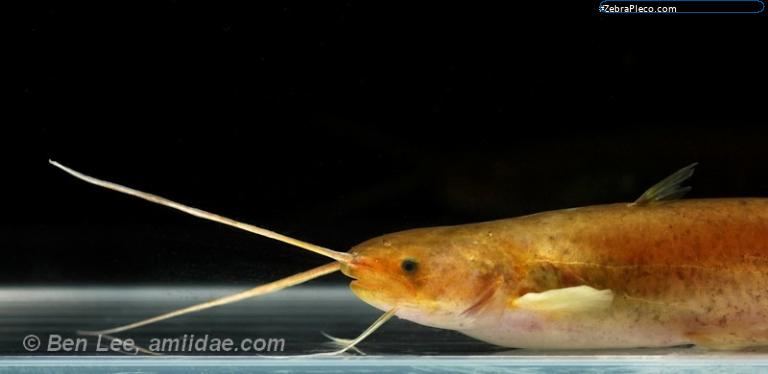
Community & Keeper Tally
Member interactions, breeding records and forum mentions
Aquarium Care & Husbandry
Dietary requirements, tank setup, compatibility and breeding
Aquarium Furniture & Decor
Prefers boulder-strewn, fast-flowing streams. A nocturnal species which hides among rocks and submerged plant roots during the day.
Compatibility & Suggested Tankmates
Fish species typically found syntopically with P. anomala include Parazacco spilurus spilurus, Psuedograstromyzon myersi, Liniparhomaloptera disparis disparis, Schistura fasciolata, Oreonectes platycephalus and Rhinogobius duospilus.
Breeding Notes
Unreported in the aquarium.
Habitat & Water Parameters
Natural distribution, biotope water conditions and temperature ranges
Geographic Distribution
Asia: Minjiang and Zhujiang (Pearl River) drainages southwards to the streams draining the territory of Hong Kong Special Administrative Region, China.
China Waters, Yangtze, Jinsha (Upper Yangtze), Minjiang (Sichuan) (click on these areas to find other species found there)
China Waters, Zhujiang (click on these areas to find other species found there)
Login to view the map.
Species Description & Identification
Morphology, diagnostic traits and sexual dimorphism
Identification
Catfishes of the genus Pterocryptis Peters, 1861, are medium-sized members of the Siluridae usually found in fast-flowing mountain streams throughout India, southern China and Southeast Asia. Pterocryptis had been considered a junior synonym of Silurus Linnaeus, 1758, until its rediagnosis by Bornbusch (1991). There are 16 nominal species of Pterocryptis (Ng & Freyhof, 2001). They can be distinguished from other siluroids by having a small dorsal fin, upper jaw longer than the lower jaw and a confluent anal and caudal fin with a distinct notch between them.
Pterocryptis anomala can be distinguished from congeners by the unique combination of the following characters: length of dorsal fin 7.9–10.1% SL, depth of caudal peduncle 7.2–9.7% SL,
head length 16.6–20.7% SL, eye diameter 9.2–13.7% SL, dorsal-fin rays 3–4, anal-fin rays 59–69, principal caudal rays 14–16, small conical genital papilla in both sexes, anal and caudal fins separated by a deep notch, narrow cheeks, circular eye and weakly contrasting mottled coloration.
Sexual Dimorphism (Sexing)
Spine in males with broad and somewhat flattened dorsoventrally, with 5–9 serrations on posterior edge, increasing in size distally; proximal articulated segments with 0–6 serrations on posterior edge. Spine in females or juveniles slender, with 0–7 small serrations on posterior edge, and 0–3 serrations on posterior edges of proximal articulated segments.
General Remarks
See also Revalidation and redescription of Pterocryptis anomala (Herre, 1933), a catfish (Teleostei: Siluridae) from southern China, Heok Hee Ng & Bosc P.-.Chan.
Taxonomy, Synonyms & Etymology
Classification history, linguistic derivations and variant forms
Synonyms
Herklotsella anomala, Parasilurus anomalus, Pterocryptis gilberti, Silurus anomalus, Silurus gilberti
Pronunciation
Terr oh krip tiss - ah no mah la
Etymology
The generic name comes from the Greek pteron, meaning fin, and kryptos, meaning hidden; in reference to the small dorsal fin.
There is 1 other speciesNannacara anomala with this specific name.
Literature & Resources
Scientific publications, external links and citation tools
Description Reference
Hong Kong Naturalist v. 4 (no. 2), pp 179.
External Databases
Related Searches