PAGE_HEADER
Gagata sexualis Tilak, 1970
Image Showcase
Photographs, diagnostic angles and morphological variants
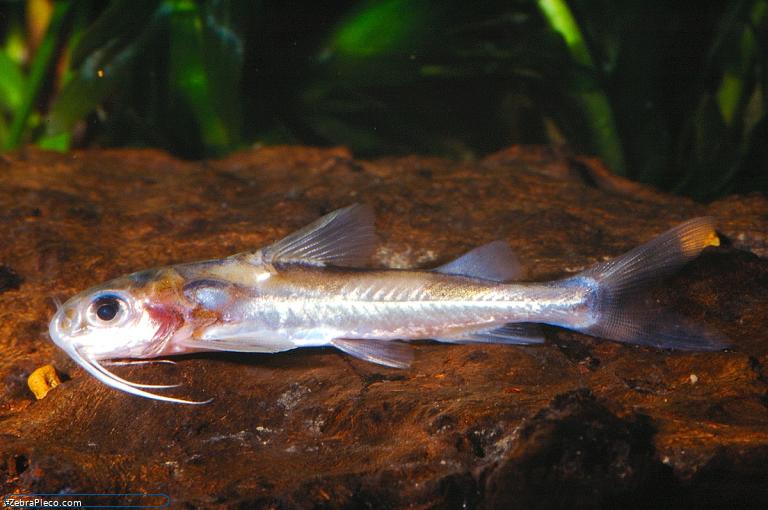
Community & Keeper Tally
Member interactions, breeding records and forum mentions
Aquarium Care & Husbandry
Dietary requirements, tank setup, compatibility and breeding
Compatibility & Suggested Tankmates
This is a very delicate species, even more so thanG. cenia, so it is unlikely to be encountered in the aquarium trade as they fare very poorly upon capture.
Breeding Notes
No member of this genus has been bred in the aquarium.
Habitat & Water Parameters
Natural distribution, biotope water conditions and temperature ranges
Geographic Distribution
Asia: India.
Indian waters, North Eastern India Waters, Padma, Jamuna, Brahmaputra (click on these areas to find other species found there)
Indian waters, North Eastern India Waters, Padma, Ganges (click on these areas to find other species found there)
Indian waters, Koel (click on these areas to find other species found there)
Indian waters, Bengal Waters, West Bengal Waters (click on these areas to find other species found there)
Login to view the map.
Species Description & Identification
Morphology, diagnostic traits and sexual dimorphism
Identification
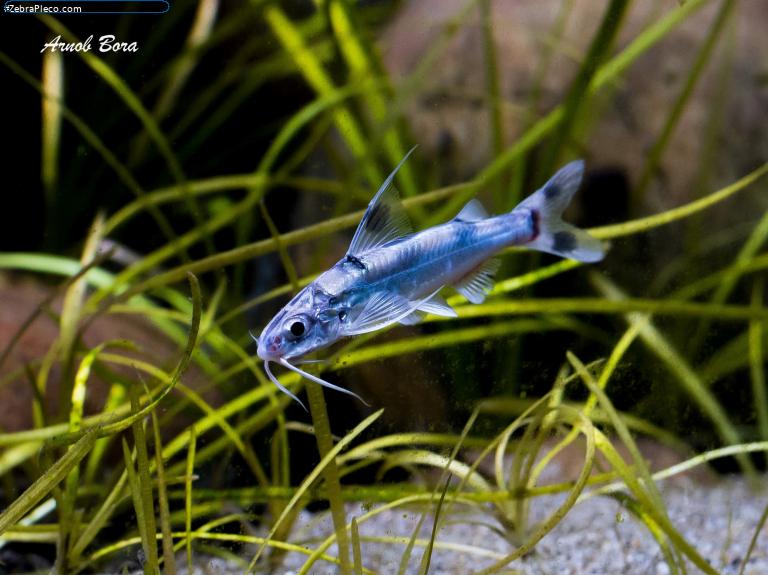
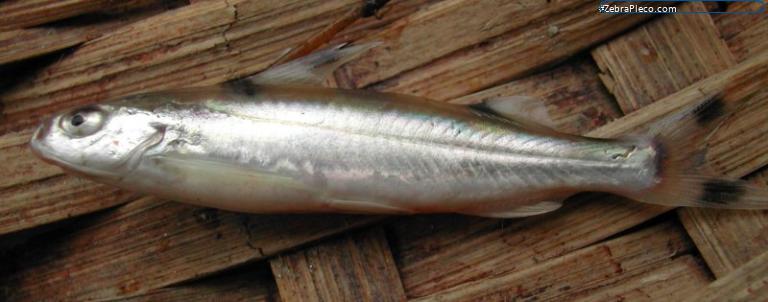
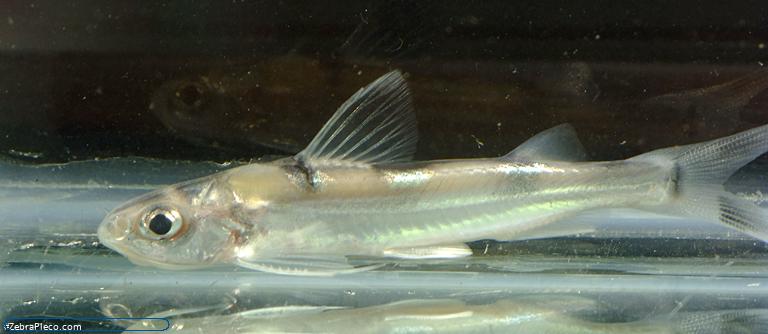
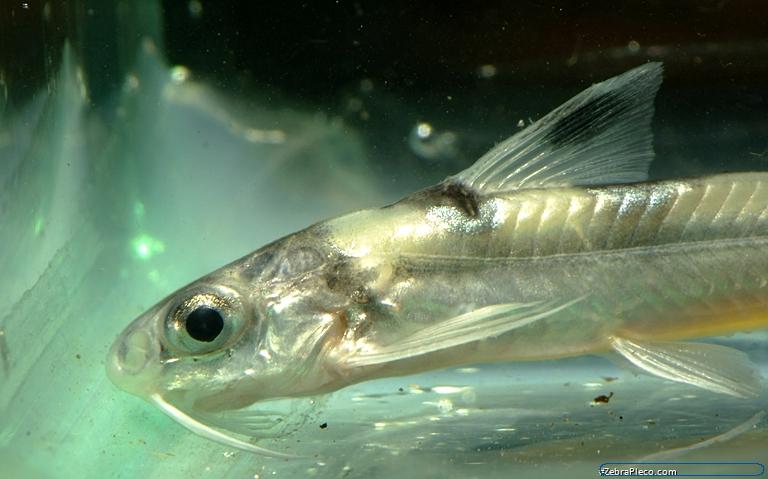
Distinguished by its small size, the presence of 5 dark saddles on the body, an elongate and slender snout, and pronounced sexual dimorphism in the shape of the dorsal fin.
Sexual Dimorphism (Sexing)
Mature males have a long filamentous extension to the dorsal fin.
Taxonomy, Synonyms & Etymology
Classification history, linguistic derivations and variant forms
Pronunciation
Gah gah tah - sex YOU al iss
Etymology
The generic name comes from the local name of the fish (keyakatta). The specific epithet comes from the pronounced sexual dimorphism of this species.
Literature & Resources
Scientific publications, external links and citation tools
Literature & References
External Databases
Related Searches