
PAGE_HEADER
Megalechis thoracata (Valenciennes, 1840)
Image Showcase
Photographs, diagnostic angles and morphological variants

Community & Keeper Tally
Member interactions, breeding records and forum mentions
Aquarium Care & Husbandry
Dietary requirements, tank setup, compatibility and breeding
Feeding & Diet
Not a fussy eater, most foods are accepted. Bloodworm and sinking catfish tablets are best, but once established will eat flakes at the surface. Larger fish will take cichlid tablets / doromin. [View Member Food Stats]
Aquarium Furniture & Decor
Megalechis can be found in South American low-oxygen plant infested pools, almost puddles in some cases, but will happily live in most set-ups.
Compatibility & Suggested Tankmates
Peaceful and not predatory, although larger specimens can be downright boisterous at feeding time.
Breeding Notes
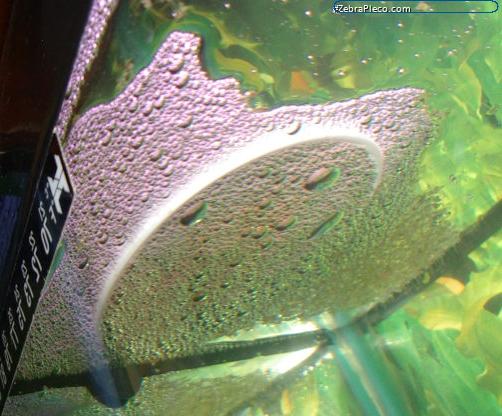
Well conditioned pairs should spawn readily, but a large water change should prompt spawning of a more reluctant pair. Mature fish are typically 18 months to 2 years old. The male builds a large bubble nest, therefore surface movement from filtration should be kept to a minimum. A mass of floating plants (Wysteria is good) are necessary to anchor the nest. After spawning the male guards the nest. The eggs within should hatch after 4 days. The fry are free swimming after 2 days and should be fed newly hatched brine shrimp. They will grown rapidly and should be fed small amounts frequently for the first 6 - 8 weeks during which they can attain sizes of up to 1.5''.
Habitat & Water Parameters
Natural distribution, biotope water conditions and temperature ranges
Geographic Distribution
South America: Amazon, Orinoco and upper Paraguay River basins, as well as coastal rivers of the Guianas and northern Brazil.
Amazon (click on these areas to find other species found there)
Guyana Waters, Coastal Rivers of Guyanas (click on these areas to find other species found there)
Maranhão waters, Itapicurú (Maranhão) (click on these areas to find other species found there)
Orinoco (click on these areas to find other species found there)
Trinidad rivers (click on these areas to find other species found there)
La Plata, Paraná, Paraguay, Upper Paraguay (click on these areas to find other species found there)
Amazon, Lower Amazon, Tocantins, Lower Tocantins, Acará Imported (click on these areas to find other species found there)
Amazon, Lower Amazon, Tocantins, Lower Tocantins, Pará, Anapu Imported (click on these areas to find other species found there)
Amazon, Lower Amazon, Tapajós, Upper Tapajós, Juruena, Arinos Imported (click on these areas to find other species found there)
Amazon, Upper Amazon, Napo, Upper Napo, Cononaco Imported (click on these areas to find other species found there)
Paraíba do Norte Imported (click on these areas to find other species found there)
Login to view the map.
Species Description & Identification
Morphology, diagnostic traits and sexual dimorphism
Identification
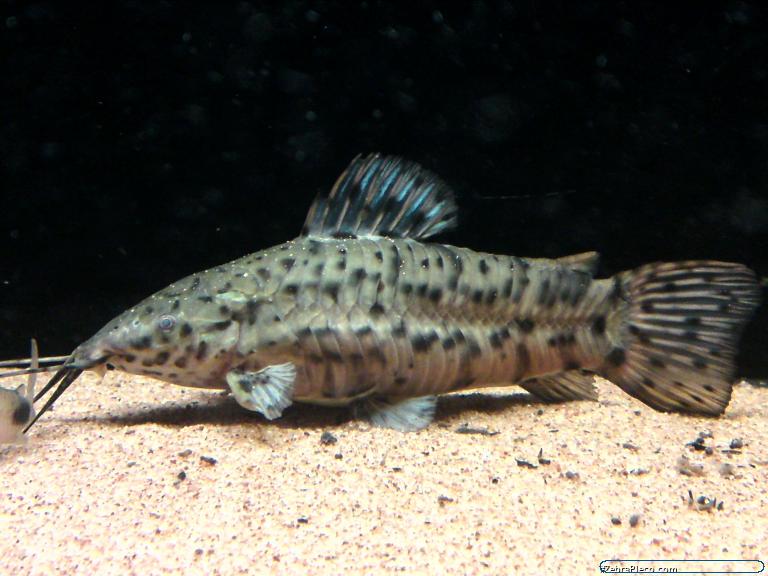
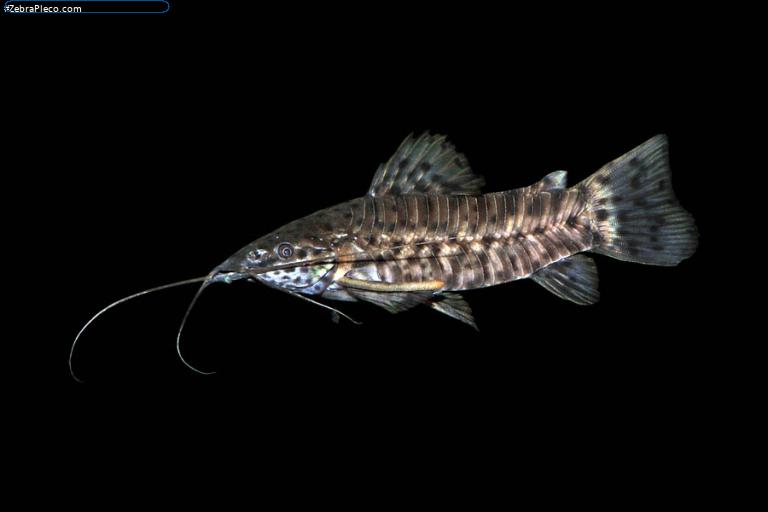
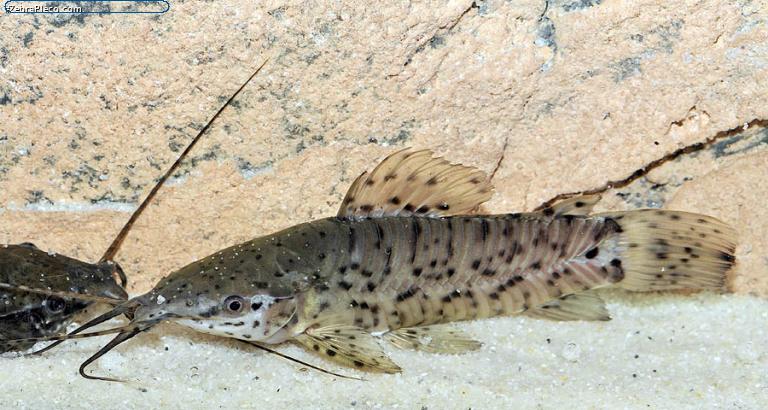
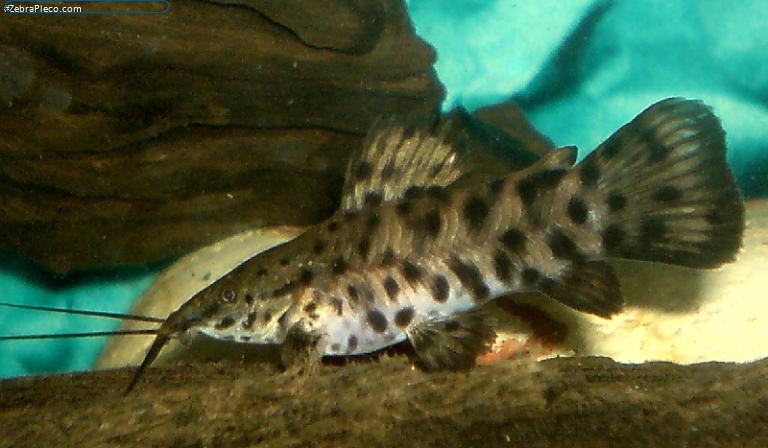
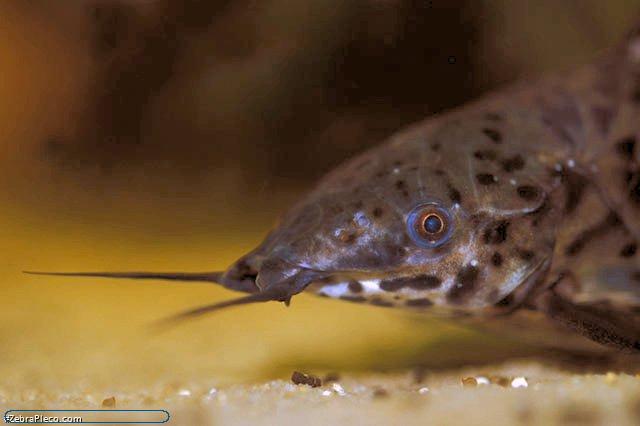
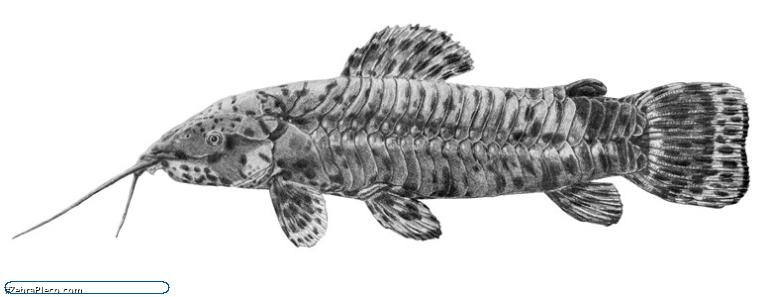
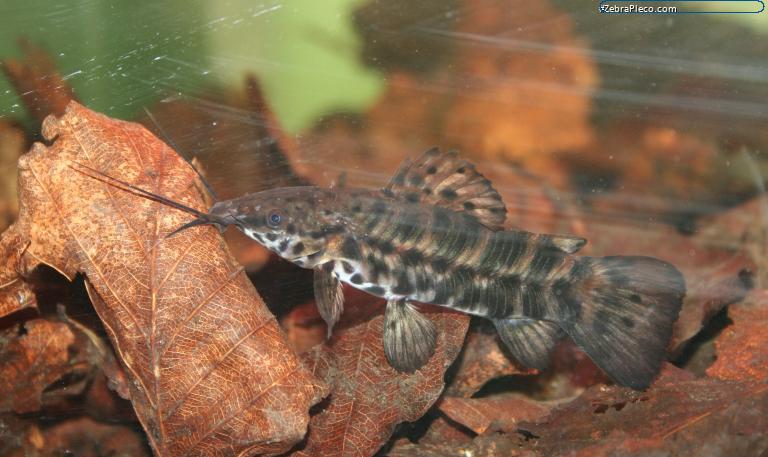
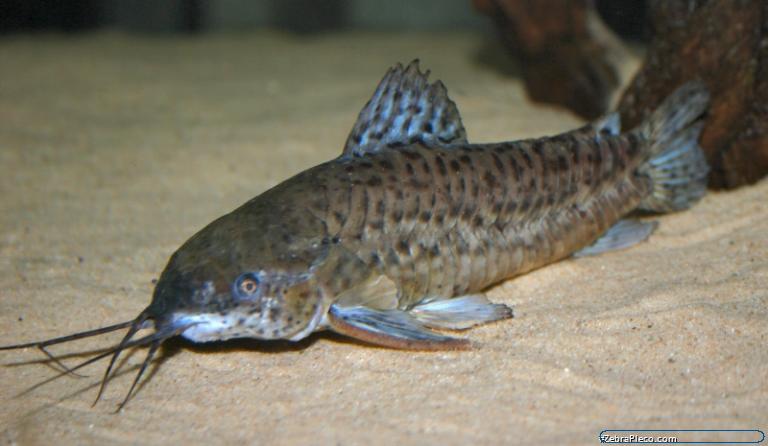
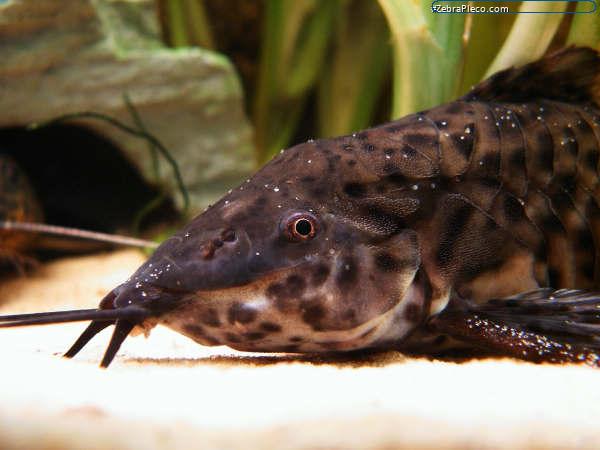
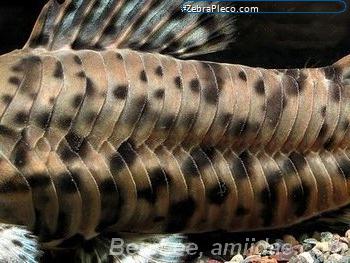
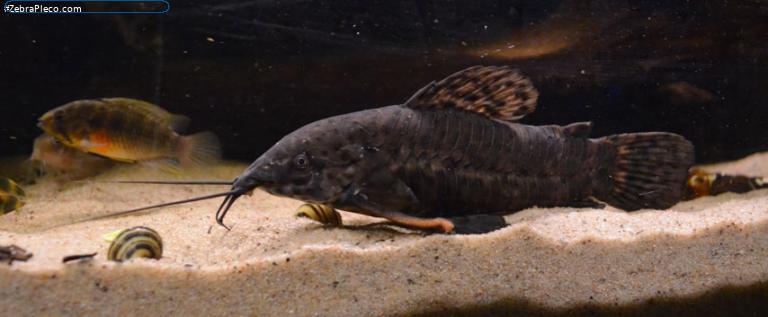
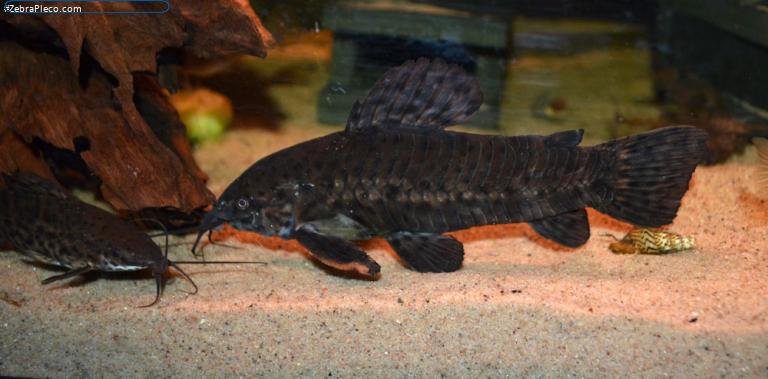
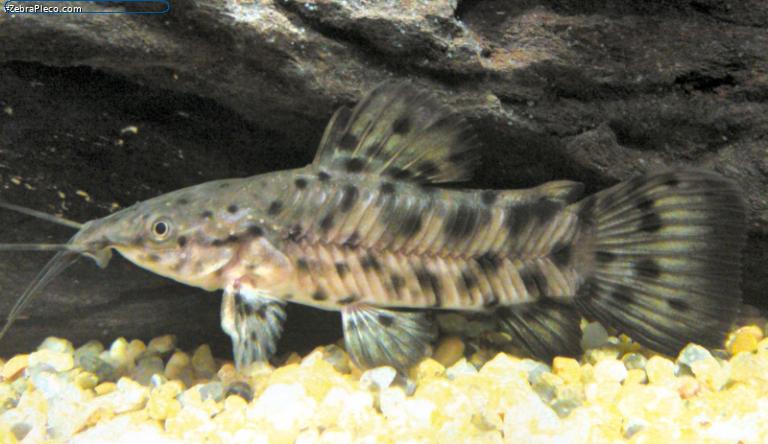
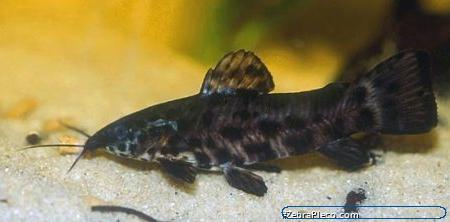
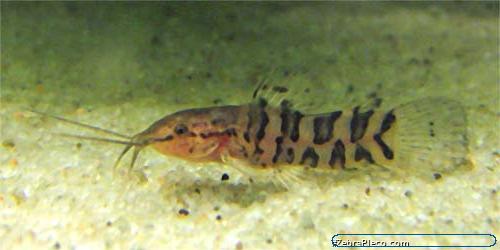
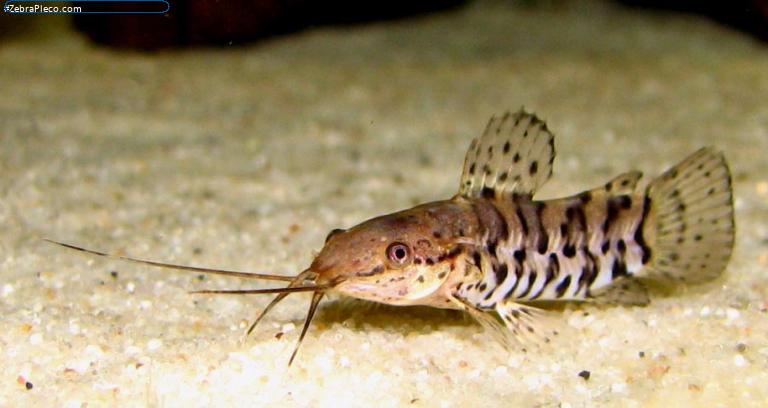
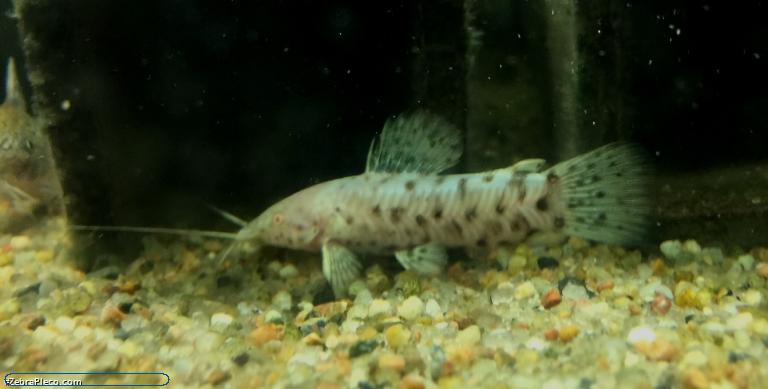
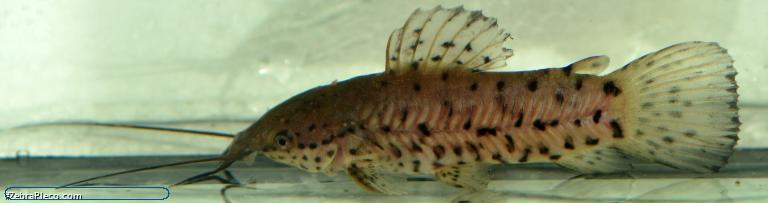
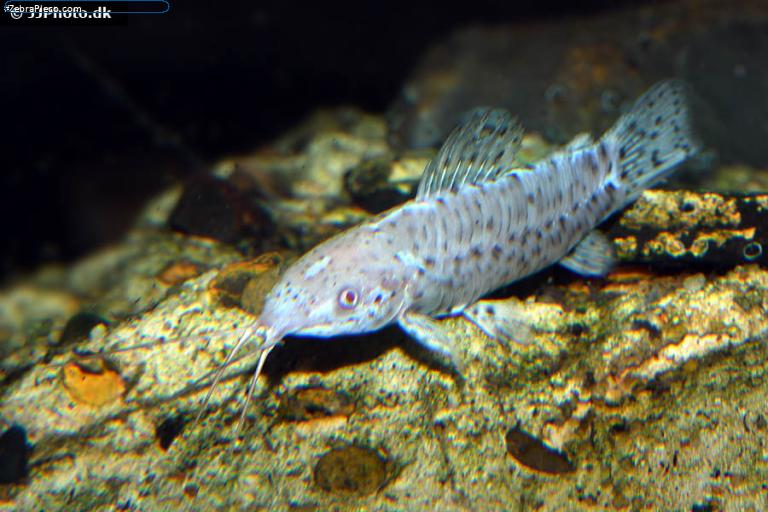
Can be distinguished from the similar M. picta by the absence of a conspicuous dark vertical band in the caudal fin. In M . thoracata the caudal fin is all-over greyish.
Sexual Dimorphism (Sexing)
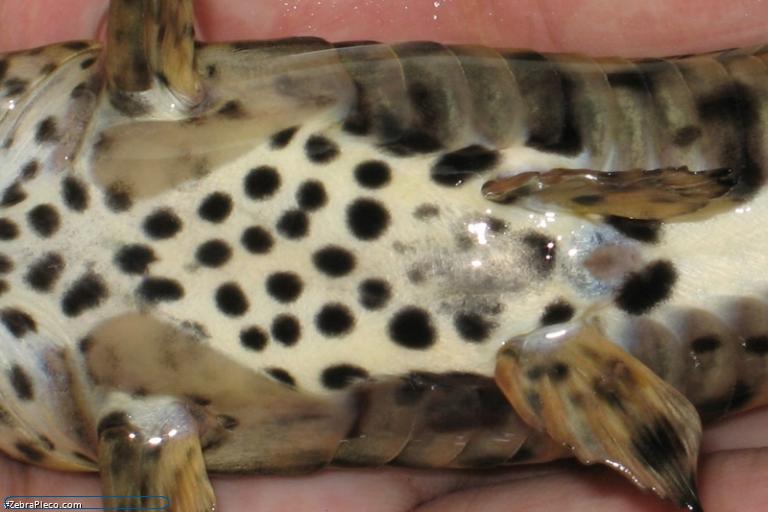
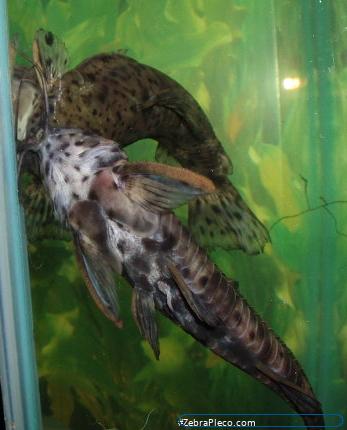
A sexually mature male exhibits a thickened first pectoral ray which ranges from orange / brown to scarlet in colour.
Taxonomy, Synonyms & Etymology
Classification history, linguistic derivations and variant forms
Synonyms
Callichthys exaratus, Callichthys personatus, Hoplosternum personatus, Hoplosternum thoracatum niger, Hoplosternum thoracatum surinamensis, Hoplosternum thoracatum thoracatum, Hyplosternum thoracatum, Megalechis personata
Pronunciation
MEG ah LEK iss - tho rah KAT ah
Etymology
Megalechis: From the Greek megas, meaning large and lekis, meaning plate; in allusion to the extreme development of the coracoid bones on the breast of fully developed males.
There is 1 other speciesEscualosa thoracata with this specific name.
Literature & Resources
Scientific publications, external links and citation tools
Description Reference
Histoire naturelle des poissons v. 15, pp309, Pl. 443.
External Databases
Related Searches

