PAGE_HEADER
Hoplisoma sp. (C121)
Image Showcase
Photographs, diagnostic angles and morphological variants
Community & Keeper Tally
Member interactions, breeding records and forum mentions
Aquarium Care & Husbandry
Dietary requirements, tank setup, compatibility and breeding
Feeding & Diet
Standard Corydoras fare. Sinking pellets and bloodworms seem best. [View Member Food Stats]
Aquarium Furniture & Decor
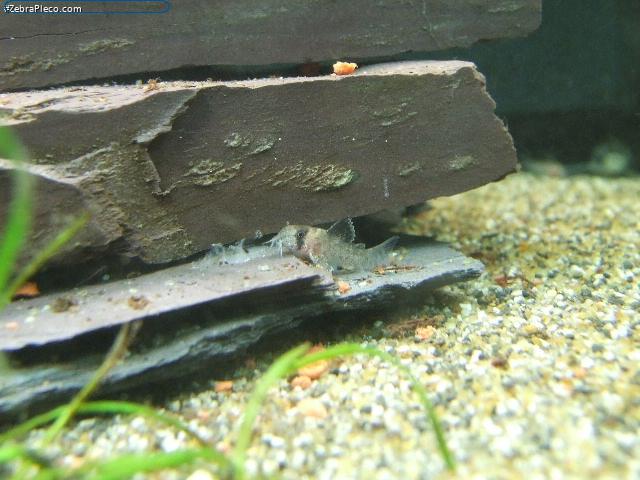
Lots of plants with an large open space to swim freely. Substrate should be sandy.
Compatibility & Suggested Tankmates
Peaceful.
Tankmates: Should be kept in a shoal. Can be kept with any community fish especially of this is a Amazonian blackwater biotope community.
Breeding Notes
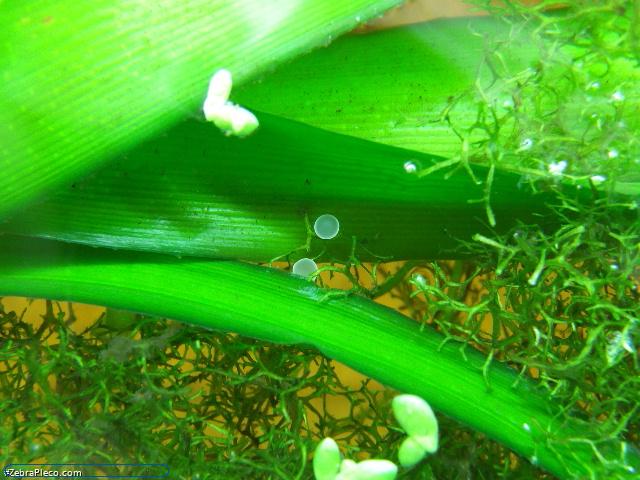
Has been bred under aquarium conditions.
Habitat & Water Parameters
Natural distribution, biotope water conditions and temperature ranges
Geographic Distribution
Upper Rio Negro, Brazil.
Amazon, Middle Amazon (Solimoes), Negro, Upper Negro (click on these areas to find other species found there)
Login to view the map.
Species Description & Identification
Morphology, diagnostic traits and sexual dimorphism
Identification
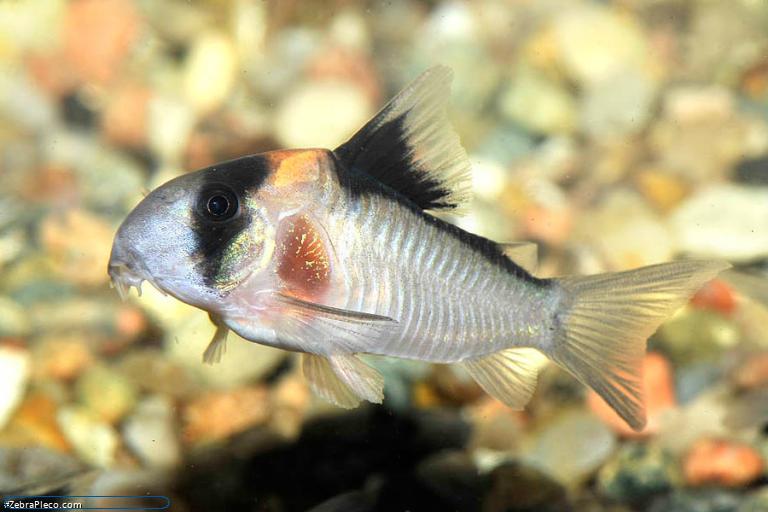
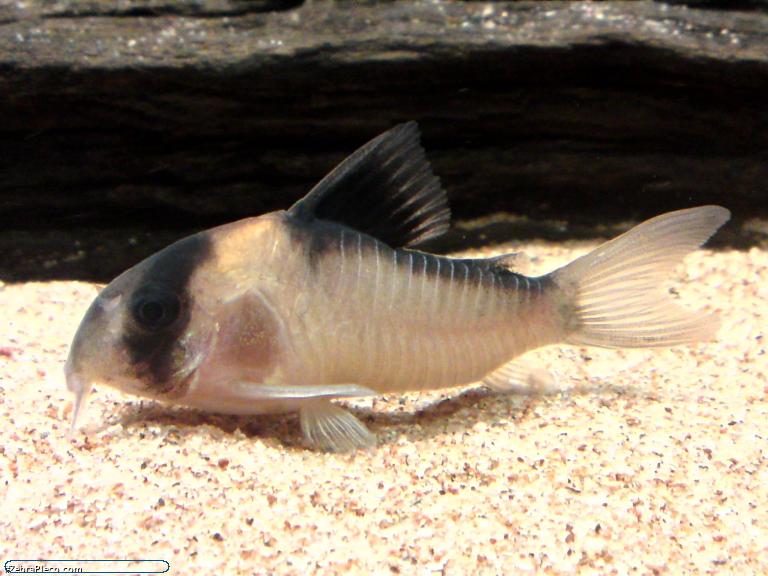
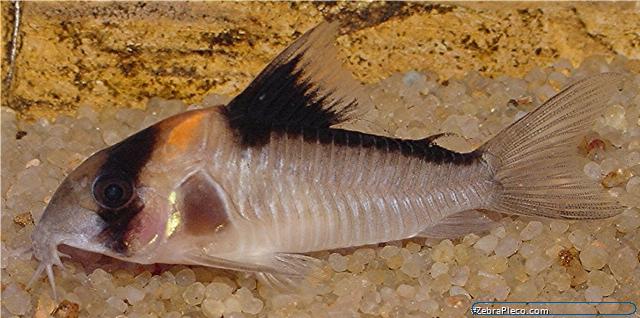
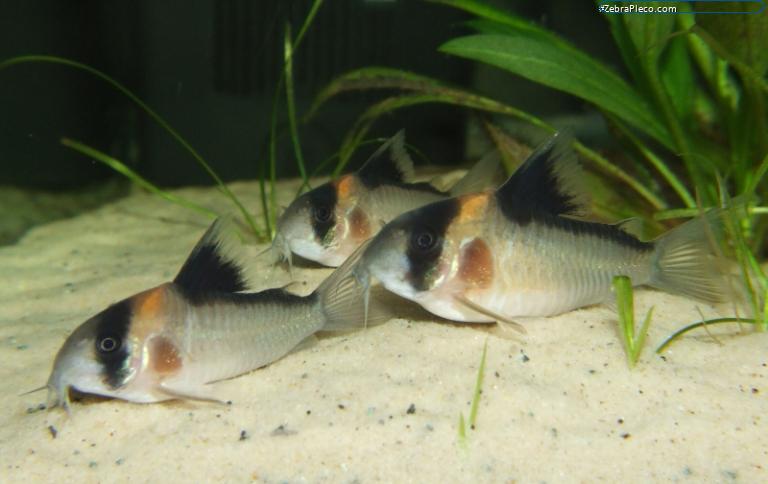
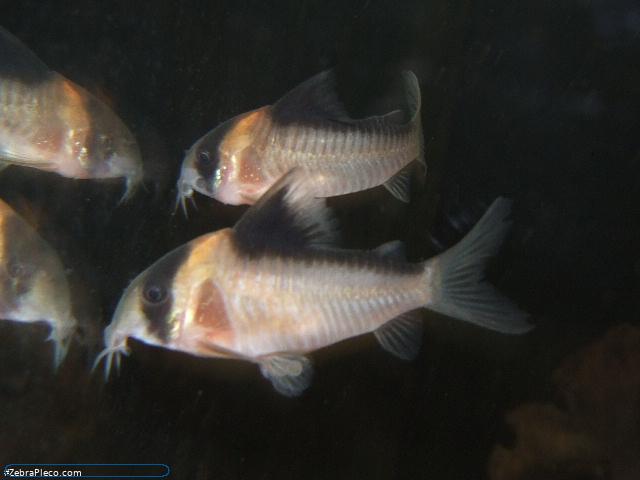
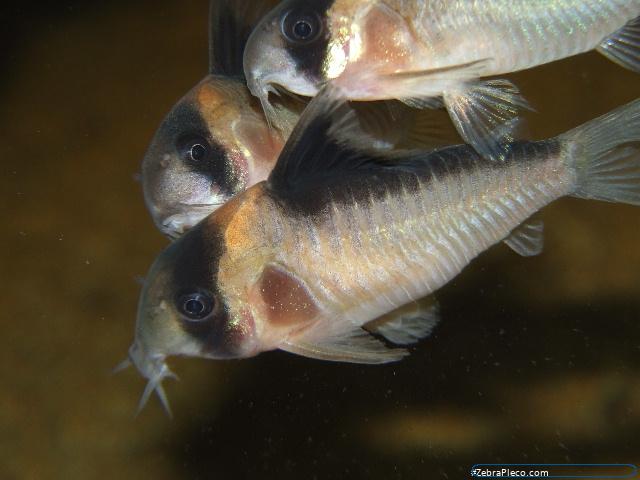
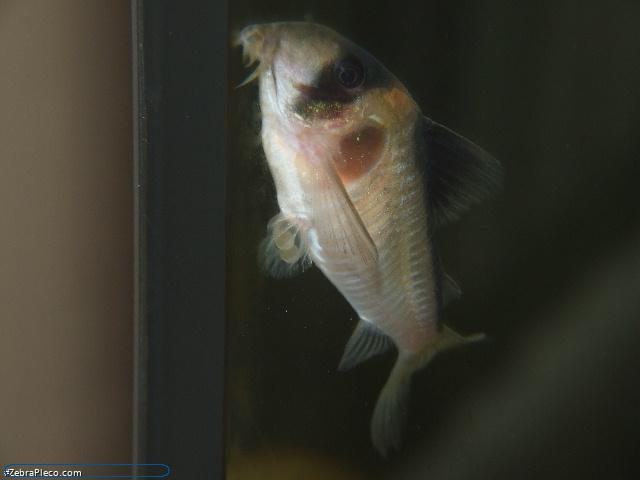
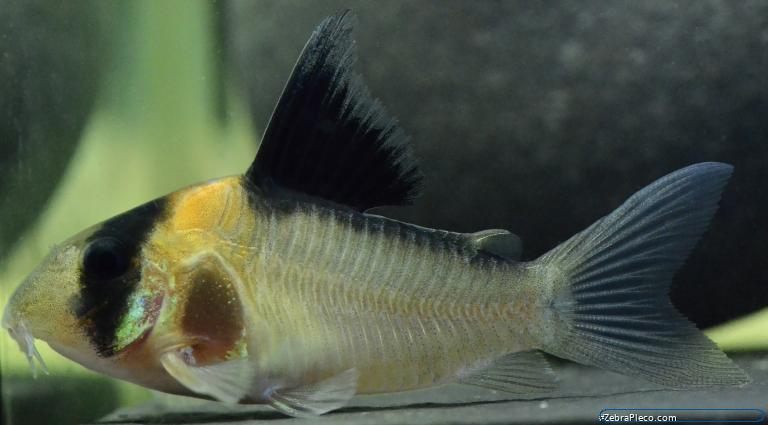
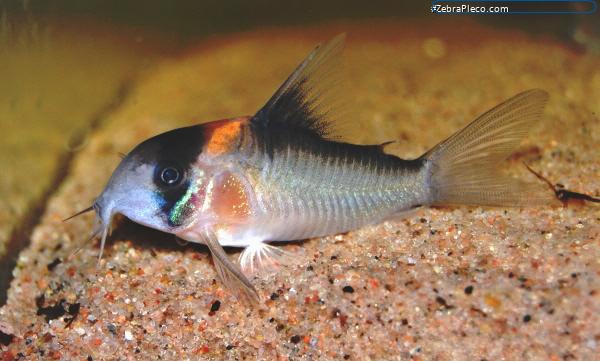
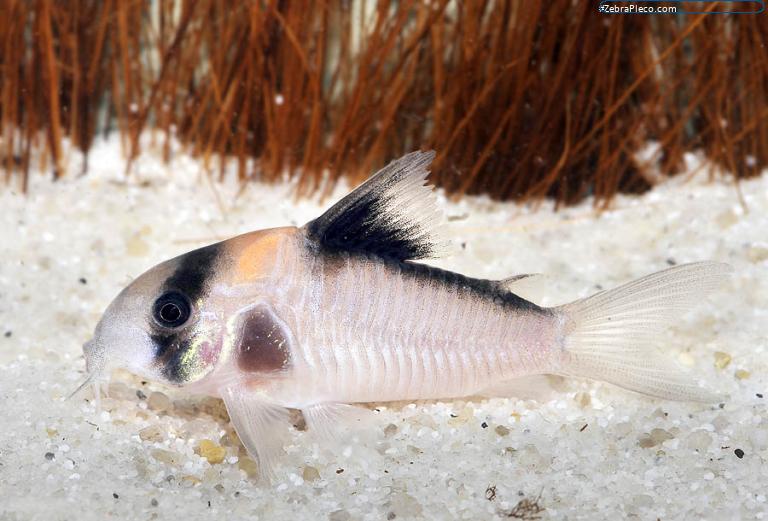
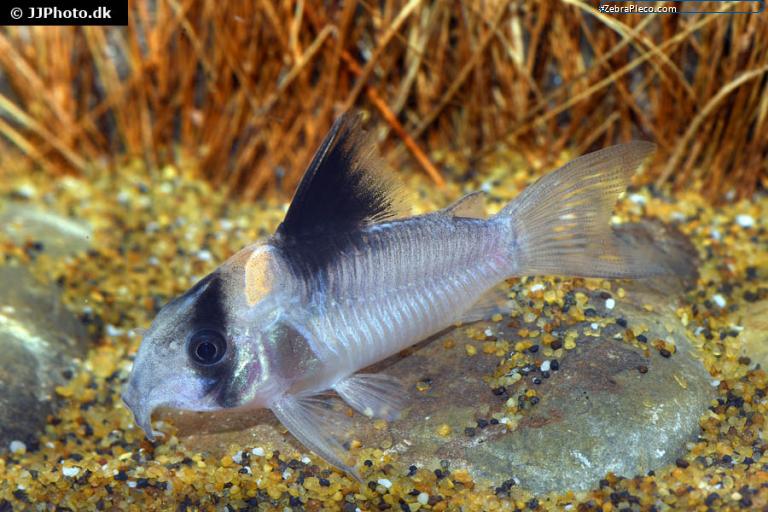
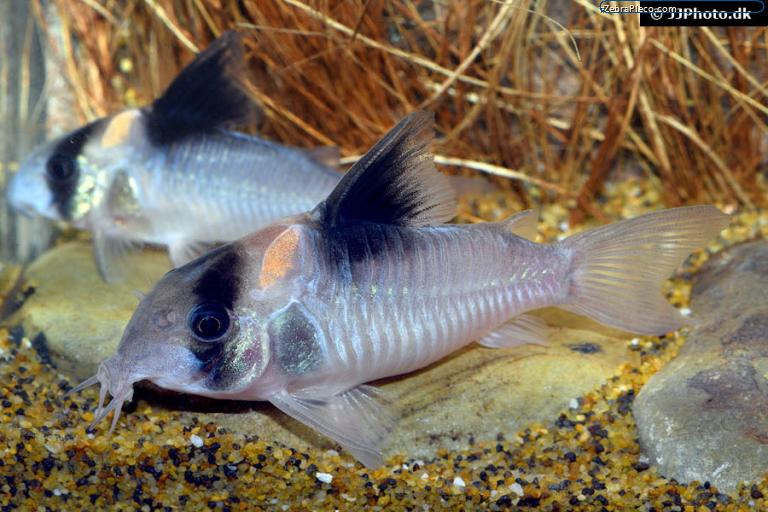
This species is close to C. adolfoi and C. burgessi but can be visually distinguished easily by the darkened gill cover. Generally the dorsal fin also contains more black pigment.
Sexual Dimorphism (Sexing)
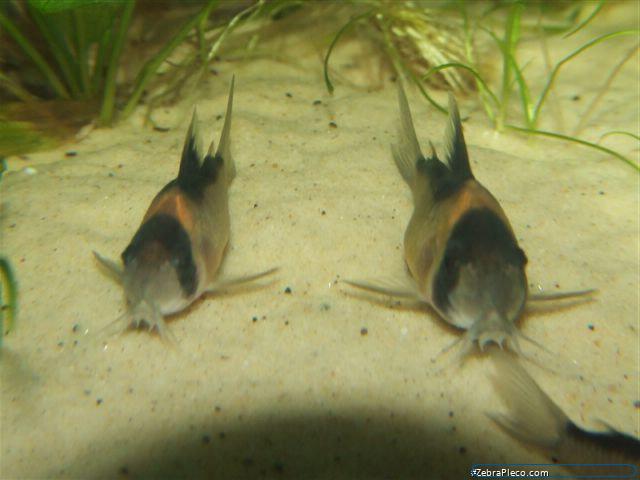
Females are a bit larger and fuller bodied. This is especially evident when view from above.
Taxonomy, Synonyms & Etymology
Classification history, linguistic derivations and variant forms
Pronunciation
hop lee so mah
Etymology
The genus name is latin for wavy, referring to “dark purplish spots tending to run together, forming undulating longitudinal bands” - a common if not uniform colouration pattern found in this genus.
Literature & Resources
Scientific publications, external links and citation tools
Related Searches