PAGE_HEADER
Pangasius conchophilus Roberts & Vidthayanon, 1991
Image Showcase
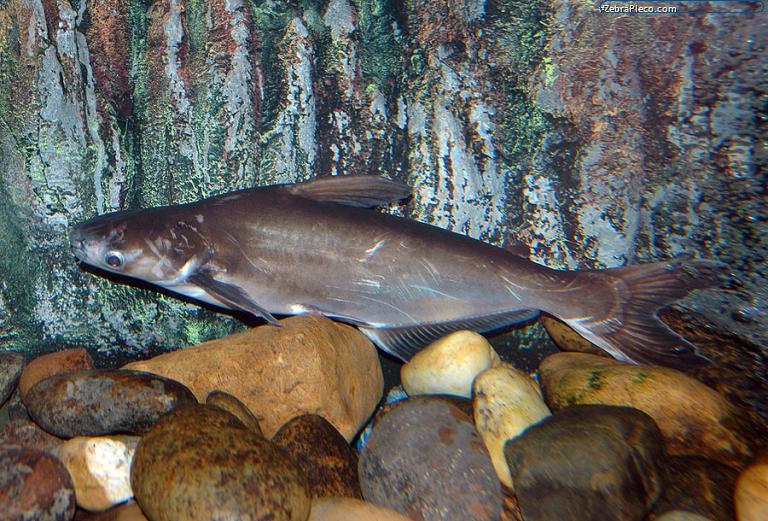
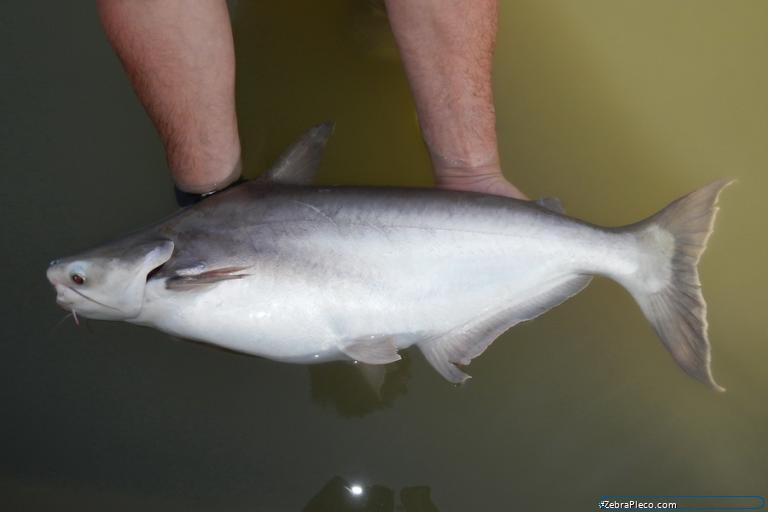
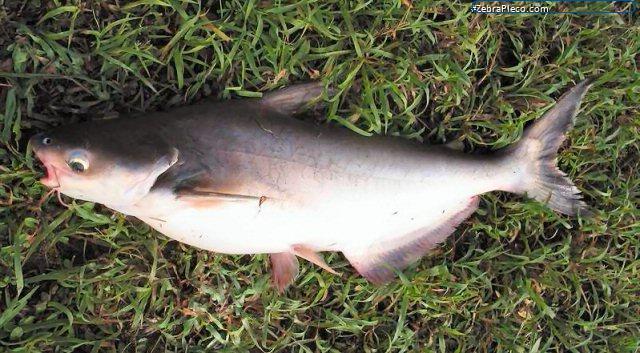
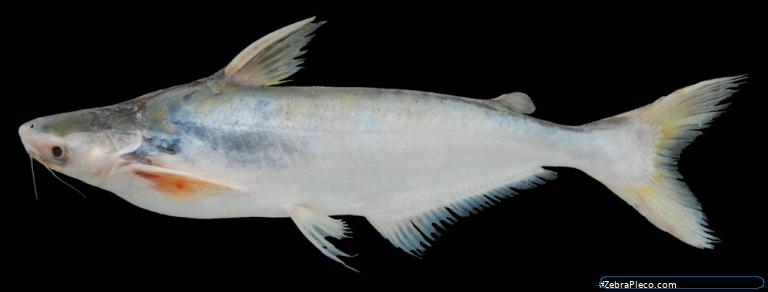
Photographs, diagnostic angles and morphological variants
Community & Keeper Tally
Member interactions, breeding records and forum mentions
Aquarium Care & Husbandry
Dietary requirements, tank setup, compatibility and breeding
Feeding & Diet
Juveniles feed on prawns and insects; sub-adults and adults on prawns, insects and particularly mollusks which are more predominant in stomach contents than in any other Pangasius species and on plants. [View Member Food Stats]
Aquarium Furniture & Decor
Needs large amount of open space for swimming room and some plants to help reduce the nervous nature of the fish.
Breeding Notes
Unreported. Migrates into the middle Mekong along the Thai-Lao border as water levels and turbidity begin to increase. Reproduces early in the flood season and juveniles of 6 to 7 cm are taken by late June.
Habitat & Water Parameters
Natural distribution, biotope water conditions and temperature ranges
Geographic Distribution
Asia: Mekong, Bangpakong, and Chao Phraya basins.
Thailand Waters, Bang Pakong (click on these areas to find other species found there)
Thailand Waters, Chao Praya (click on these areas to find other species found there)
Mekong (click on these areas to find other species found there)
Login to view the map.
Species Description & Identification
Morphology, diagnostic traits and sexual dimorphism
Identification
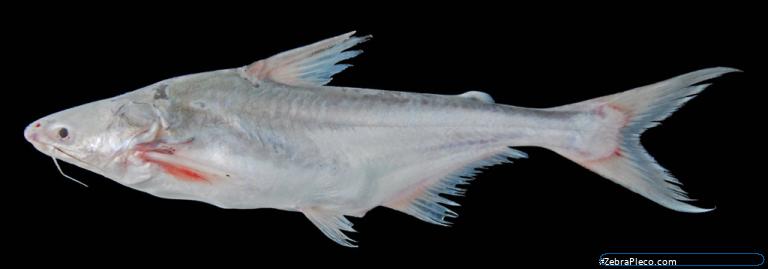
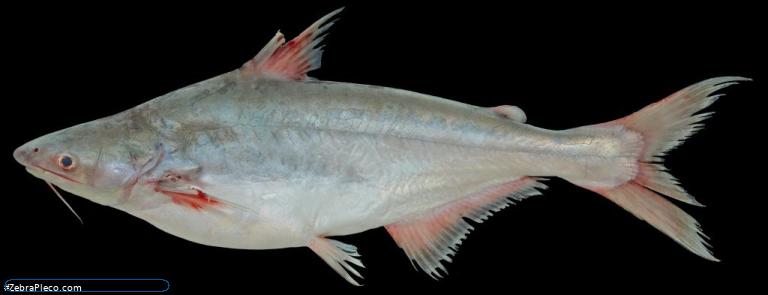
Dorsum dull grey with pale green iridescence; maxillary band of teeth forms a continuous row with no break in midline. Snout protruding with upper jaw tooth bands partly exposed when mouth is closed; large median vomerine tooth plate
Sexual Dimorphism (Sexing)
Females are fuller-bodied.
General Remarks
The ultimate size of this fish, particularly when combined with its active swimming behaviour, makes it unsuitable for home aquaria.
Taxonomy, Synonyms & Etymology
Classification history, linguistic derivations and variant forms
Pronunciation
Pang ah see uss - kon cho fill uss
Etymology
The name Pangasius comes from a local (Bengali) name of the fish (pungas). From the original description, "The name conchophilus, a combination of the Latin concho (shell) and philus (loving), refers to the pronounced molluscivory of this species". In short, it likes to eat shellfish.
Literature & Resources
Scientific publications, external links and citation tools
Literature & References
External Databases
Related Searches