PAGE_HEADER
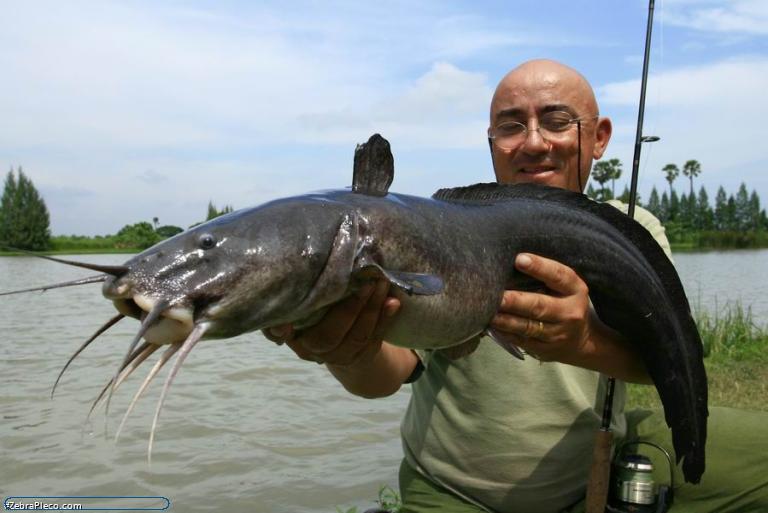
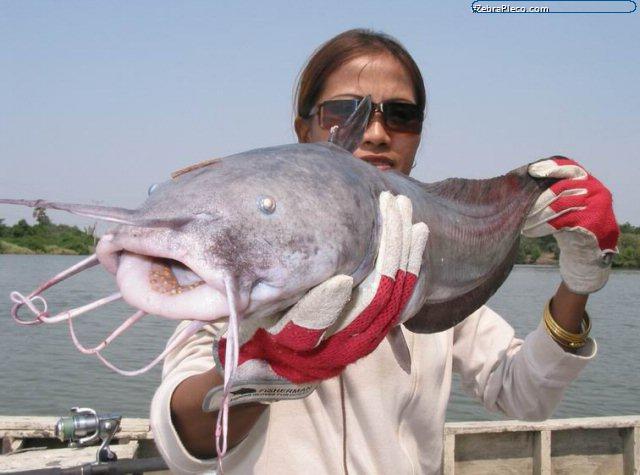
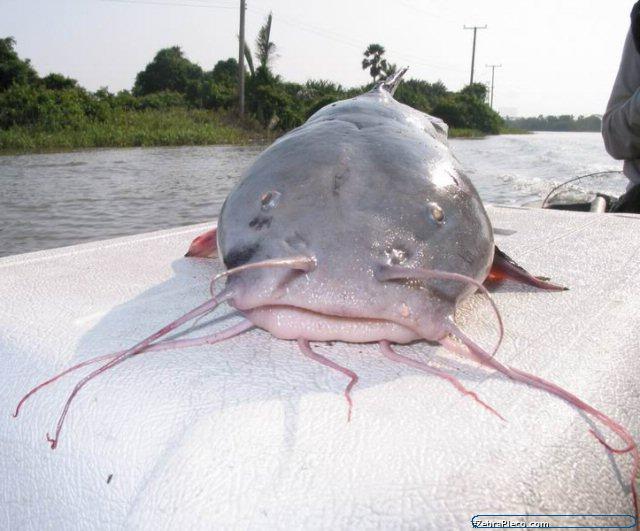
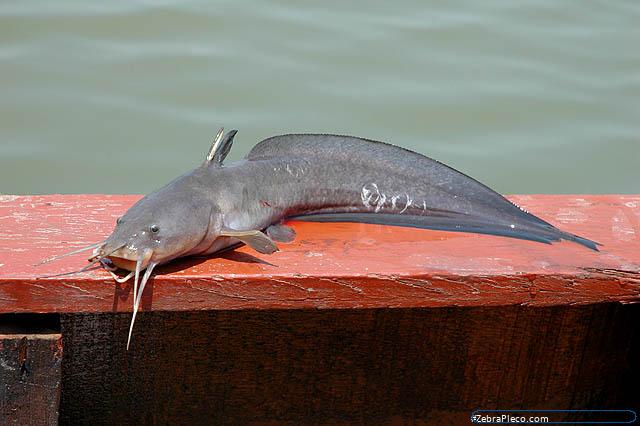
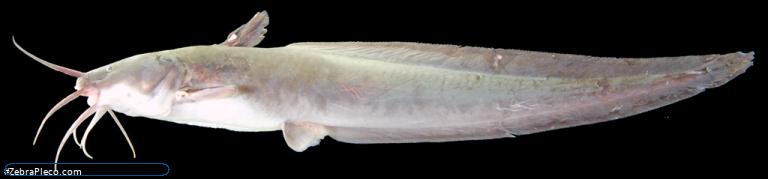
Plotosus canius Hamilton, 1822
Image Showcase
Photographs, diagnostic angles and morphological variants

Community & Keeper Tally
Member interactions, breeding records and forum mentions
Aquarium Care & Husbandry
Dietary requirements, tank setup, compatibility and breeding
Breeding Notes
Unreported in the aquarium.
Habitat & Water Parameters
Natural distribution, biotope water conditions and temperature ranges
Geographic Distribution
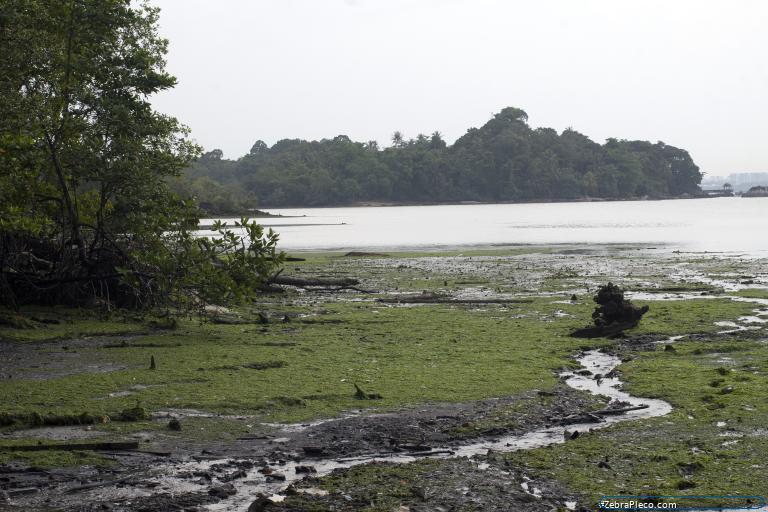
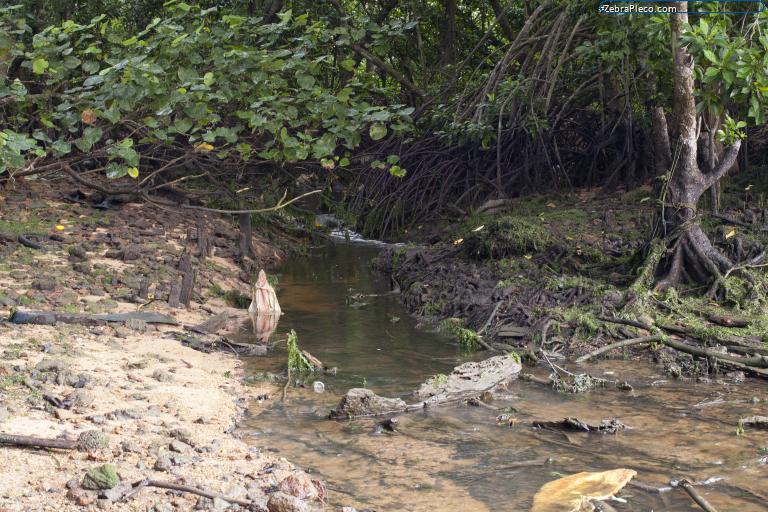
Indo-West Pacific: west and south coasts of India and off Sri Lanka eastward along the coasts of Bangladesh and Myanmar, through the Indo-Australian Archipelago and the Philippines as far as Papua New Guinea.
Indian Ocean (click on these areas to find other species found there)
Pacific, West Pacific (click on these areas to find other species found there)
Login to view the map.
Species Description & Identification
Morphology, diagnostic traits and sexual dimorphism
Identification
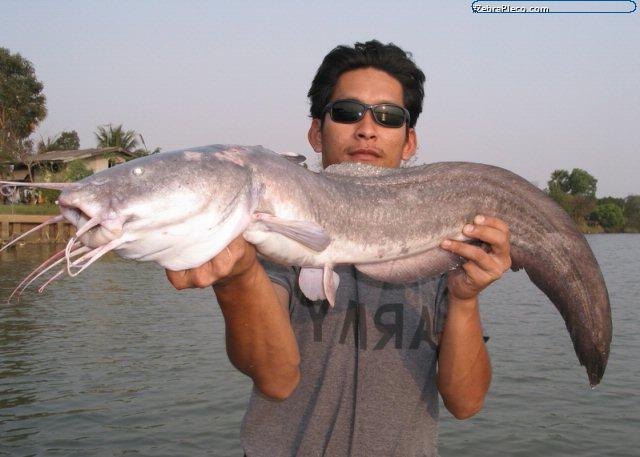
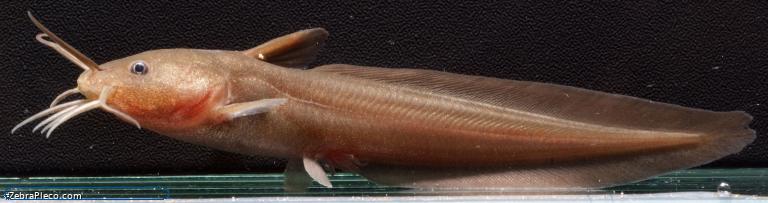
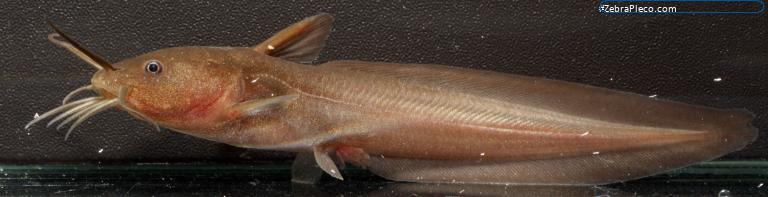
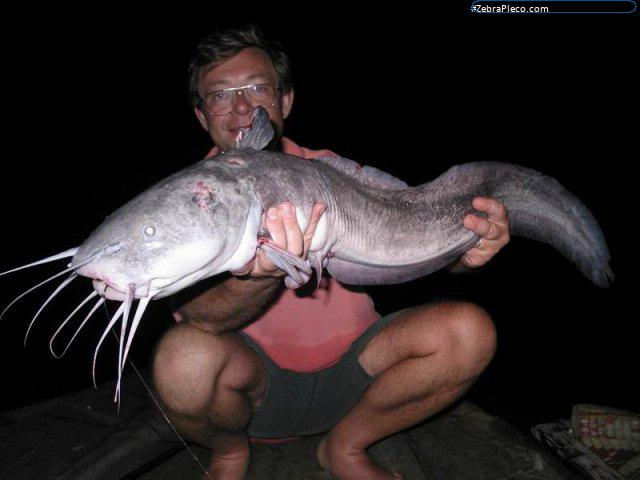
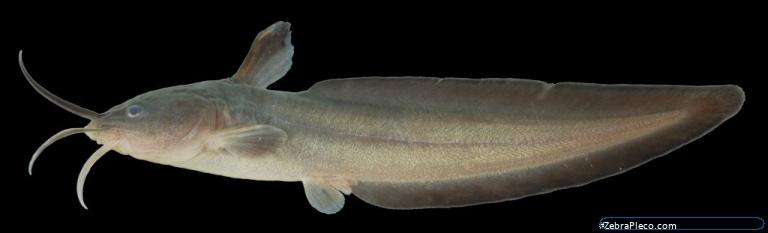
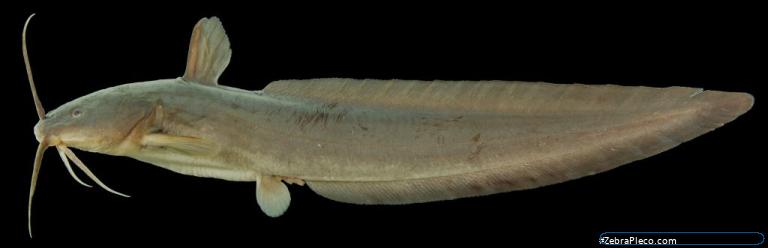
A plain dusky-brown species with a black dorsal fin tip. Shows banded pattern at night. Distinguished from adult Plotosus lineatus by its long barbels on the nostrils that can reach pass the eyes.
General Remarks
Spines associated with anterior fins have potent venom.
Taxonomy, Synonyms & Etymology
Classification history, linguistic derivations and variant forms
Synonyms
Plotossus canius, Plotosus horridus, Plotosus multiradiatus, Plotosus unicolor, Plotosus viviparus, Plutosus canius, Potosus viviparus
Pronunciation
Ploh toe suss
Etymology
The generic name comes from the Greek plotos, meaning swimming.
Literature & Resources
Scientific publications, external links and citation tools
Description Reference
An account of the fishes found in the river Ganges, pp 142, 374, Pl. 15 (fig. 44).
External Databases
Related Searches