PAGE_HEADER
Neoplecostomus microps (Steindachner, 1877)
Image Showcase
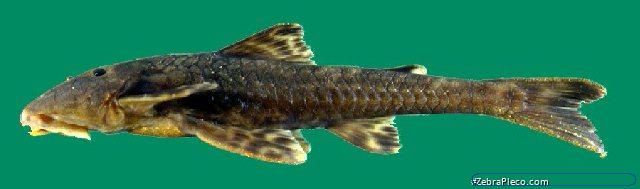
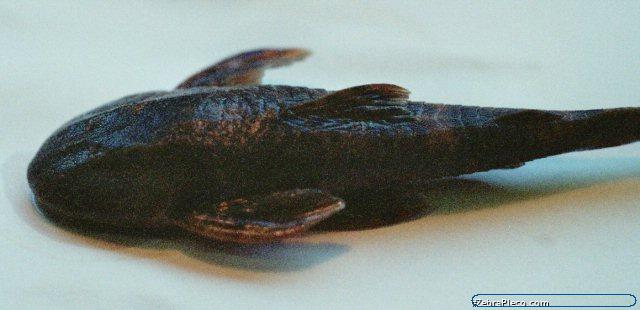
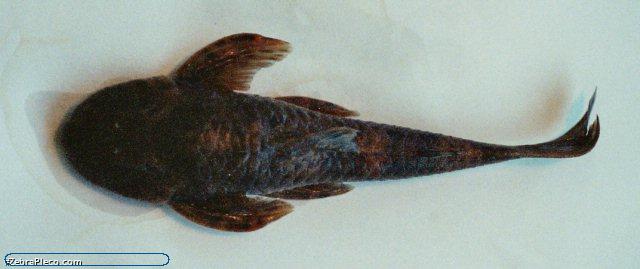
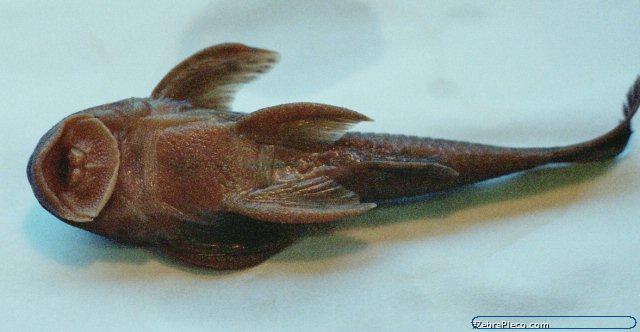
Photographs, diagnostic angles and morphological variants
Community & Keeper Tally
Member interactions, breeding records and forum mentions
Aquarium Care & Husbandry
Dietary requirements, tank setup, compatibility and breeding
Aquarium Furniture & Decor
In nature, adults and subadults are found in rapids flowing over stones on sandy or muddy substrates. Juveniles below 32mm SL are found almost exclusively in planted stream margins (in nature, mostly Zingiberaceae) with slower currents.
Breeding Notes
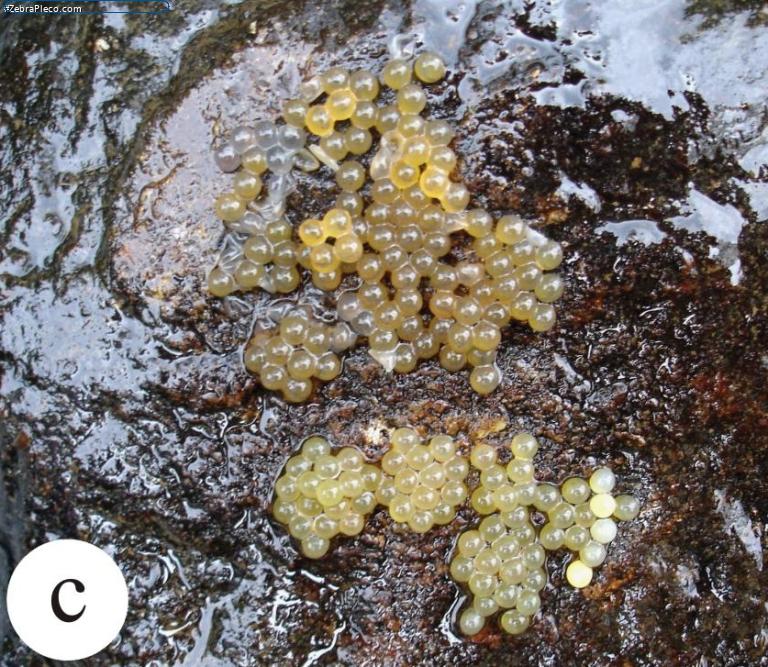
From Brito et al. (2016, Biota Neotrop. vol.16, no.2): In nature, spawns were found in two sites in the Macaé River basin in November and January, during the rainy season, exclusively in rapid stretches. Of the total of eight spawns found, six were in the upper Macaé River and two in the Boa Esperança River, a left tributary of the middle Macaé River. The characteristics of the sites were similar, with the fast-flowing portion associated with stones and boulders (i.e., headwaters). Eggs were found attached to the undersides of stones, in cavities formed in the river bottom. Brito et al. (2016) suggest that adults choose stones as spawning sites based upon the presence of cavities or gaps (formed between the stone and riverbed) appropriate for the surface, size and position relative to the current. Adults seem to prefer large, flat stones over smaller rounder stones. The number of eggs per stone ranged from 62 to 375. Eggs in different stages of development were found on the same stone. The egg colours ranged from yellow-gold, in eggs full of yolk in early development, to brown, in eggs with pigmented embryos in an advanced stage of development.
Habitat & Water Parameters
Natural distribution, biotope water conditions and temperature ranges
Geographic Distribution
South America: Paraíba do Sul River basin.
Rio de Janeiro State Rivers, Macaé (click on these areas to find other species found there)
Rio de Janeiro State Rivers, Paraíba do Sul (click on these areas to find other species found there)
Login to view the map.
Species Description & Identification
Morphology, diagnostic traits and sexual dimorphism
Sexual Dimorphism (Sexing)
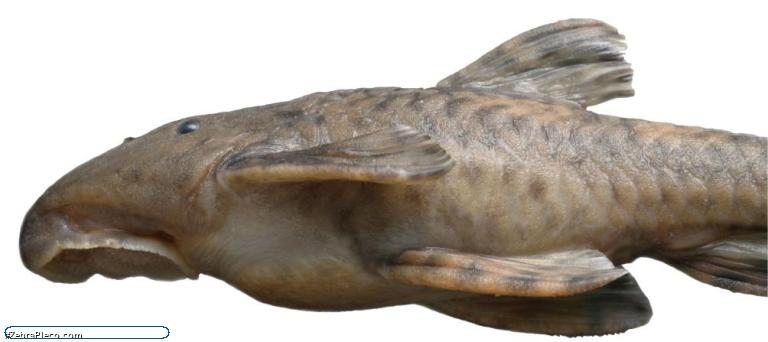
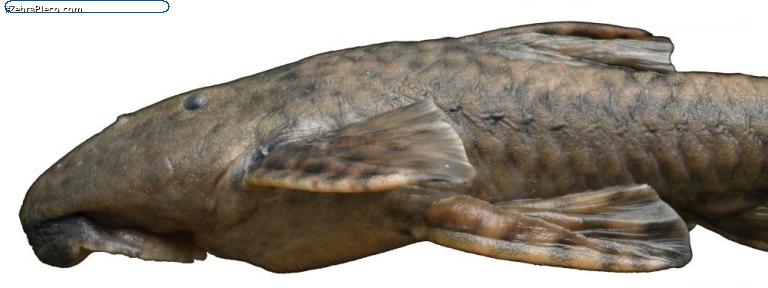
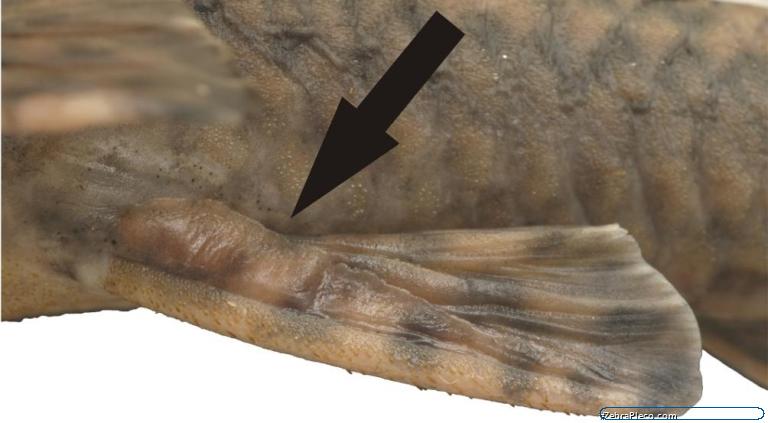
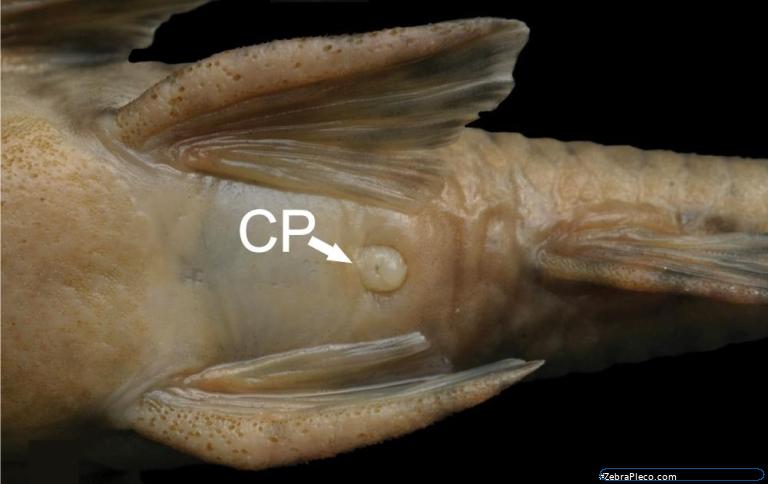
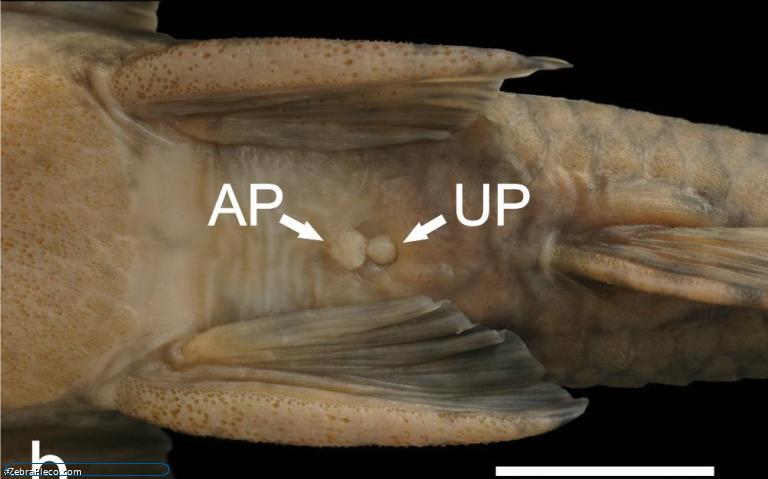
Male N. microps show an epidermal growth along the pelvic-fin spine, forming a flap that projects toward the side of the body; this flap was observed in juvenile males 32 mm SL and larger. No females showed this epidermal expansion. Another difference observed between the sexes was in the genital area. In females, the anal and urogenital pores were very close, with the middle of the papillae merged, giving the appearance of a single opening. The males showed a separation between the anal and urogenital pores, featuring two distinct and defined openings. Males are generally larger than females. In a survey of sexually mature wild adults, the smallest female and smallest male found were 58.0 mm and 64.0mm, respectively.
Taxonomy, Synonyms & Etymology
Classification history, linguistic derivations and variant forms
Etymology
Genus: Greek, neos = new + Greek, plekos,-eos = twisted This specific epithet refers to its small(micro=small) eyes(-ops=eyes).
There are 6 other speciesAkysis microps
Chaetostoma microps
Chiloglanis microps
Pareiodon microps
Pterosturisoma microps
Tachysurus microps with this specific name.
Literature & Resources
Scientific publications, external links and citation tools
Description Reference
Sitzungsberichte der Kaiserlichen Akademie der Wissenschaften. Mathematisch-Naturwissenschaftliche Classe v. 74 (1. Abth.), pp 688 [130], Pl. 13.
External Databases
Related Searches