PAGE_HEADER
Hypostomus pagei Armbruster, 2003
Image Showcase
Photographs, diagnostic angles and morphological variants


Community & Keeper Tally
Member interactions, breeding records and forum mentions
Aquarium Care & Husbandry
Dietary requirements, tank setup, compatibility and breeding
Breeding Notes
Unreported in the aquarium.
Habitat & Water Parameters
Natural distribution, biotope water conditions and temperature ranges
Geographic Distribution
South America: Venezuela in the Rio Aroa, Rio Tocuyo and Rio Yaracuy basins.
Venezuela Caribbean Waters, Aroa (click on these areas to find other species found there)
Venezuela Caribbean Waters, Tocuyo (click on these areas to find other species found there)
Venezuela Caribbean Waters, Yaracuy (click on these areas to find other species found there)
Login to view the map.
Species Description & Identification
Morphology, diagnostic traits and sexual dimorphism
Identification
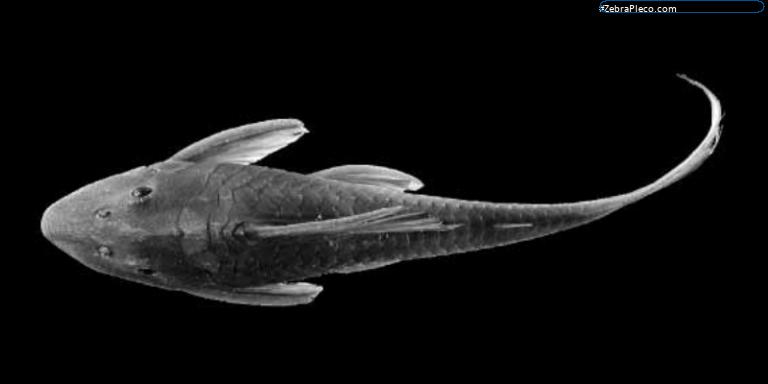
Light, grey brown colour with the spots considerably faded or absent. Juveniles have caudal fin darkest along both spines and at the base, clear medially, a colour pattern not found in any other members of the Hypostomus cochliodon group. Most similar to H. hondae and H. plecostomoides but differs by the general absence of spots on the caudal fin and/or caudal-fin spines (H. pagei may have very faint spots on the caudal-fin spines; some H. plecostomoides lack spots on the caudal-fin spines, but the spines are almost black instead of light grey-brown) and by having shorter pectoral-fin spine (reaching 0-1 plates beyond pelvic fin when depressed below the pelvic fin vs. 2-3 plates with the exception of one specimen of H. pagei that has pectoral-fin spines reaching two plates beyond the pelvic fin and the one specimen of H. plecostomoides examined from the Lago Valencia drainage that has pectoral-fin spines that do not reach beyond the pelvic fin)
Taxonomy, Synonyms & Etymology
Classification history, linguistic derivations and variant forms
Pronunciation
hi POSS tow muss - page eye
Etymology
Greek, hypo = under + Greek, stoma = mouth. Named for Dr. Lawrence M. Page not least because he helped to collect the majority of the specimens of this species that lead to its description.
Literature & Resources
Scientific publications, external links and citation tools
Description Reference
Zootaxa No. 249, pp 39.
External Databases
Related Searches