PAGE_HEADER
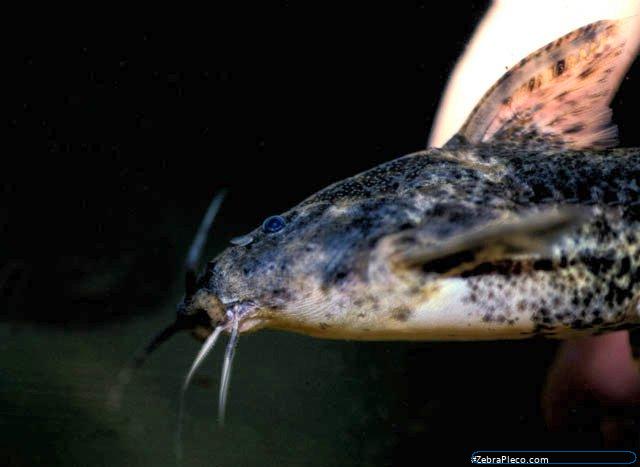
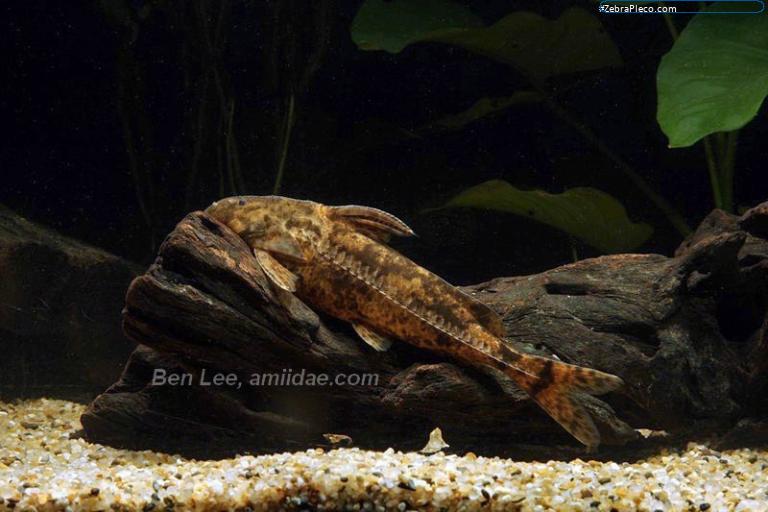
Rhinodoras boehlkei Glodek, Whitmire & Orcés V., 1976
Image Showcase
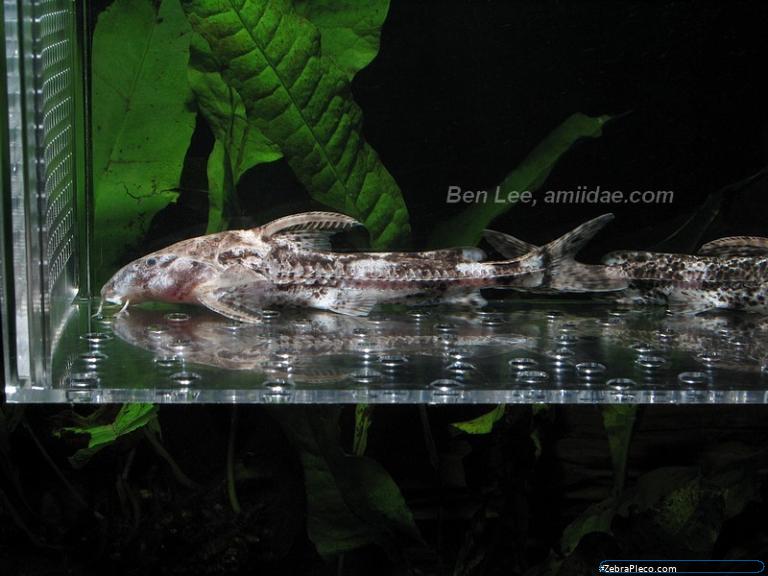
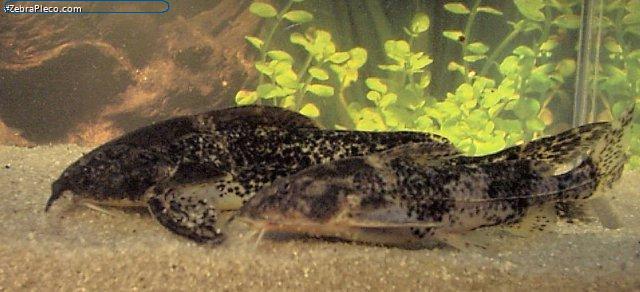
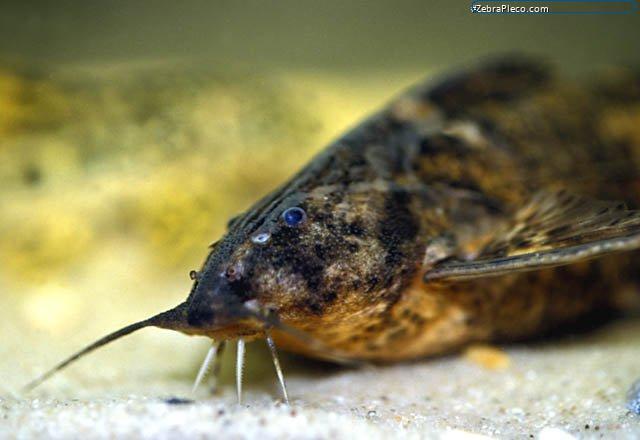
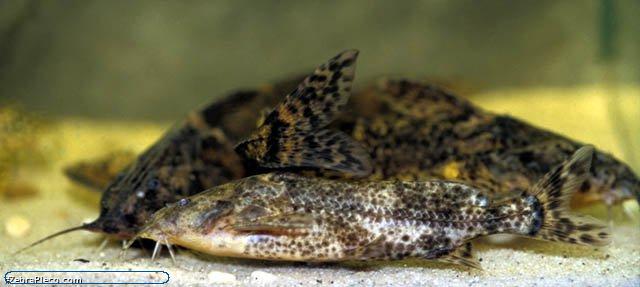
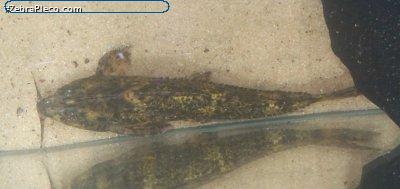
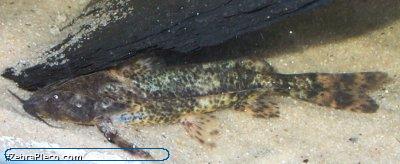
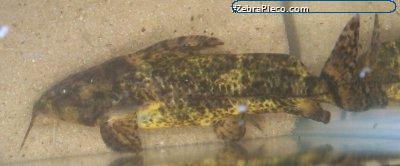
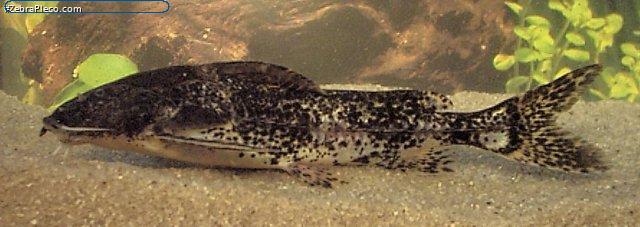
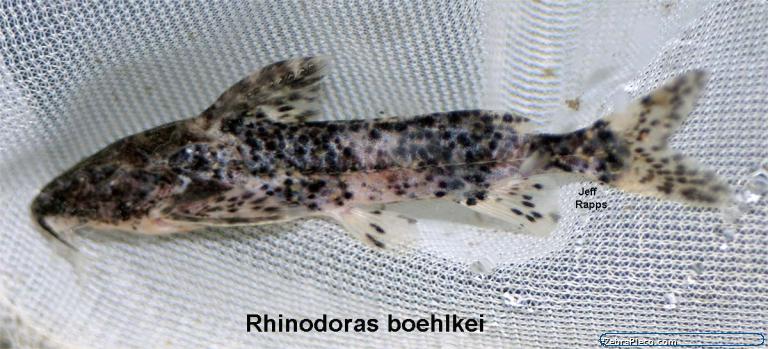
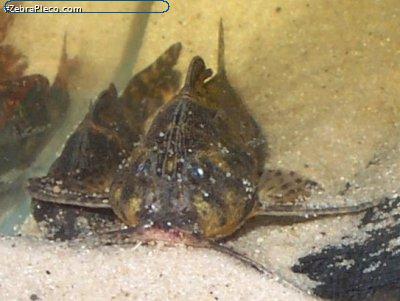
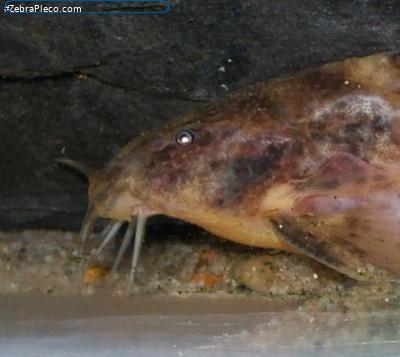
Photographs, diagnostic angles and morphological variants
Community & Keeper Tally
Member interactions, breeding records and forum mentions
Aquarium Care & Husbandry
Dietary requirements, tank setup, compatibility and breeding
Feeding & Diet
A typical doradid in that it will eat pretty much any food offered. [View Member Food Stats]
Aquarium Furniture & Decor
A PVC pipe around about a third longer and wider the fish is ideal. Several fish will happily share a slightly larger pipe. Bogwood or stones can also be used. Care must be taken that the fish does not decide to hide too close to an unguarded heater.
Compatibility & Suggested Tankmates
Peaceful.
Breeding Notes
Unknown.
Habitat & Water Parameters
Natural distribution, biotope water conditions and temperature ranges
Geographic Distribution
South America: Upper Amazon River basin.
Amazon, Upper Amazon, Marañón, Pastaza, Bobonaza (click on these areas to find other species found there)
Amazon, Upper Amazon (click on these areas to find other species found there)
Amazon, Lower Amazon, Xingu Imported (click on these areas to find other species found there)
Login to view the map.
Species Description & Identification
Morphology, diagnostic traits and sexual dimorphism
Identification
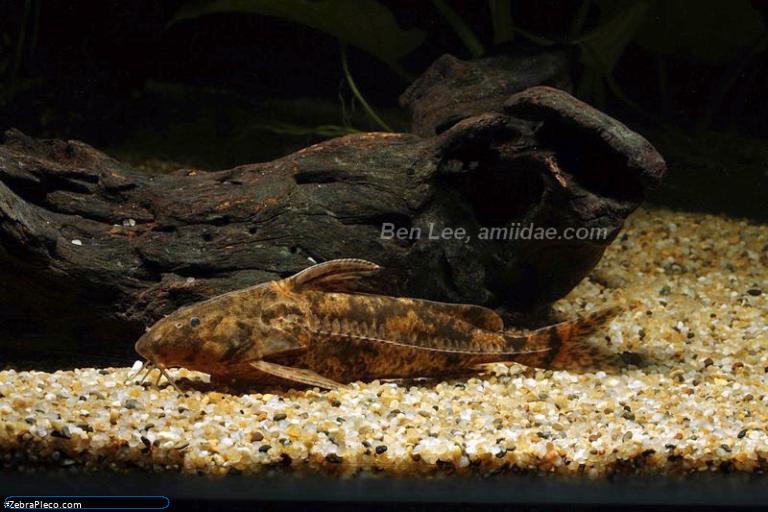
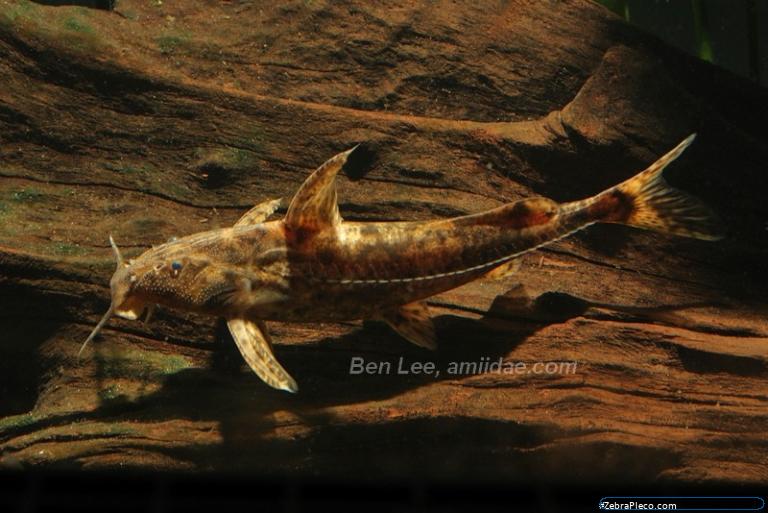
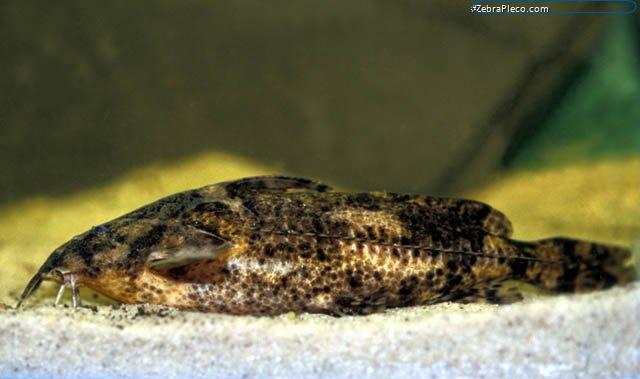
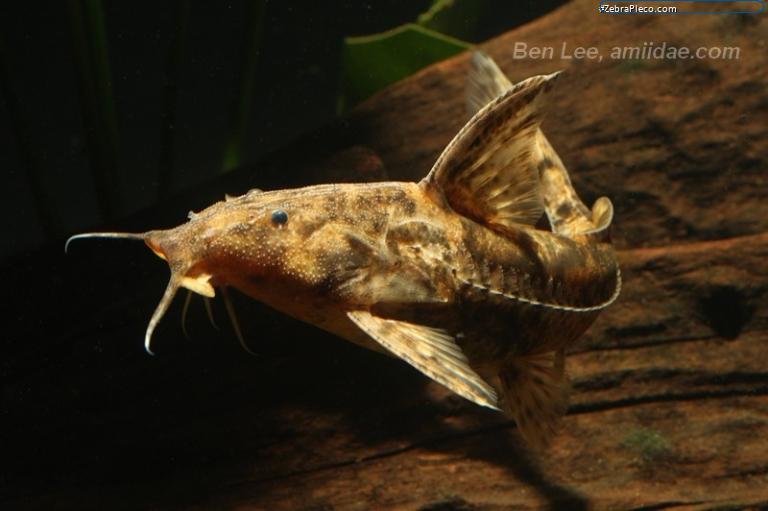
Rhinodoras is distinguished from other Doradidae by the unique combination of traits. Colouration: Sides darkly mottled, usually with wide dark bars; light mid-lateral stripe absent; Mouth: Labial tissue well-developed, fleshy, considerably expanded at corners of mouth forming relatively thick and rounded flap-like extensions with entire margins, labial surfaces rugose with low, rounded and tightly spaced papillae, distal margin of lower lip curves around and appears draped over bases of outer and inner mental barbels, in some specimens nearly encircling the latter.A key to the species of Rhinodoras is available here.
Sexual Dimorphism (Sexing)
Unknown
Taxonomy, Synonyms & Etymology
Classification history, linguistic derivations and variant forms
Pronunciation
rye no door ass
Etymology
Rhinodoras: From the Greek rhinos, meaning nose, and doras, meaning skin (also a word commonly used in forming generic names for doradids); in reference to the unusual snout morphology. Named for the American Ichthyologist James Böhlke (1930-1982).
There are 2 other speciesHoplisoma boehlkei
Thayeria boehlkei with this specific name.
Literature & Resources
Scientific publications, external links and citation tools
Literature & References
External Databases
Related Searches