
PAGE_HEADER
Lepthoplosternum pectorale (Boulenger, 1895)
Image Showcase
Photographs, diagnostic angles and morphological variants
Community & Keeper Tally
Member interactions, breeding records and forum mentions
Aquarium Care & Husbandry
Dietary requirements, tank setup, compatibility and breeding
Breeding Notes
Has been bred in the aquarium.
Habitat & Water Parameters
Natural distribution, biotope water conditions and temperature ranges
Geographic Distribution
South America: Paraguay River basin.
La Plata, Paraná, Paraguay (click on these areas to find other species found there)
Login to view the map.
Species Description & Identification
Morphology, diagnostic traits and sexual dimorphism
Identification
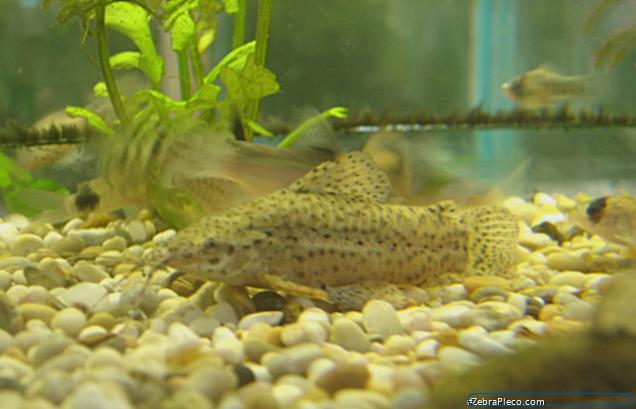
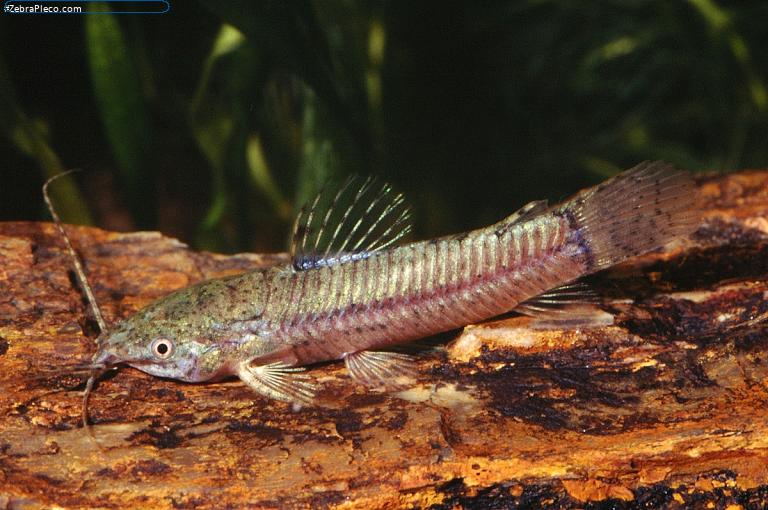
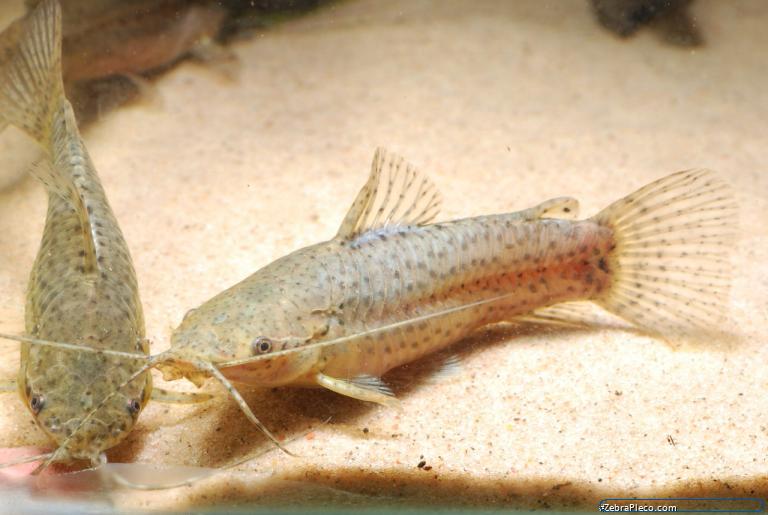
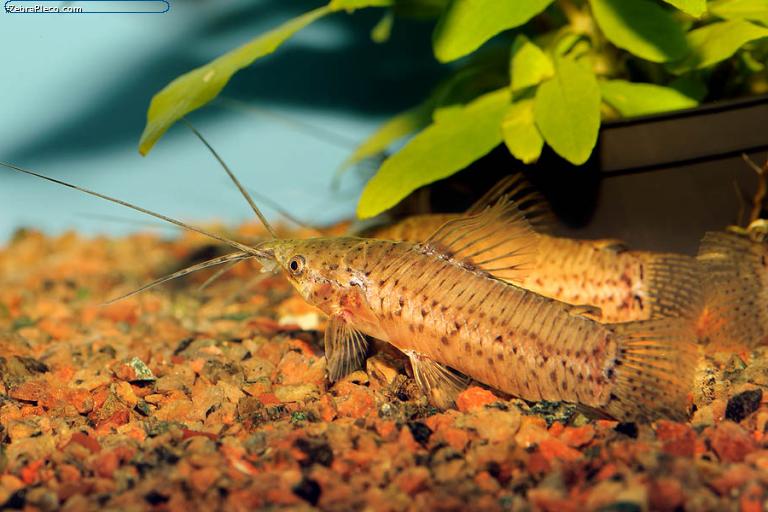
Lepthoplosternum species are the smallest of the Callichthyinae (maximum SL = 60.3 mm). They are distinguished by two unique traits: (1) a lower lip with a deep medial notch and a smaller lateral notch, forming two fleshy semi-triangular projections on each side of the midline, and a single unbranched ray preceding the branched rays on the anal fin.
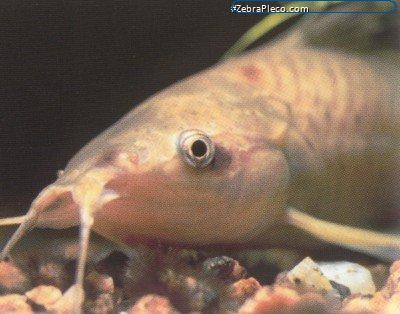
This species is sometimes confused with Callichthys callichthys. The visible coracoit bones by the pectoral fins is an indication that it is some form of Hoplosternum or Lepthoplosternum species. In Callichthys, this area is covered by skin and not visible (although the same bone is there in the fish. Callichthys also has a flatter overall body.
Sexual Dimorphism (Sexing)
Mature males of Callichthys, Dianema, Hoplosternum, Lepthoplosternum, and Megalechis have a thick adipose body on the ventral surface of the pectoral fin. In Dianema, Hoplosternum, Lepthoplosternum and Megalechis (but not in Callichthys), the coracoid bones are at least partially exposed and expanded medially. In Dianema, Hoplosternum and Megalechis, these medial expansions of the coracoids are especially developed, covering most of the skin between the pectoral fins and sometimes overlapping at the midline in fully developed mature males, however there does not appear to be a similar sexually dimorphic expansion of the coracoids in Lepthoplosternum.
Taxonomy, Synonyms & Etymology
Classification history, linguistic derivations and variant forms
Synonyms
? pectorale, Callichthys pectoralis, Hoplosternum pectorale
Pronunciation
lep THOP low STERN um
Etymology
Lepthoplosternum: From the Greek leptos, meaning small and hoplosternum; in reference to the small size. Hoplosternum: From the Greek hoplon, meaning shield and sternum, meaning breast; in reference to the prominent coracoid bones on the breast.
Literature & Resources
Scientific publications, external links and citation tools
Description Reference
Proceedings of the Zoological Society of London 1895 (pt 3), pp 525.
External Databases
Related Searches

